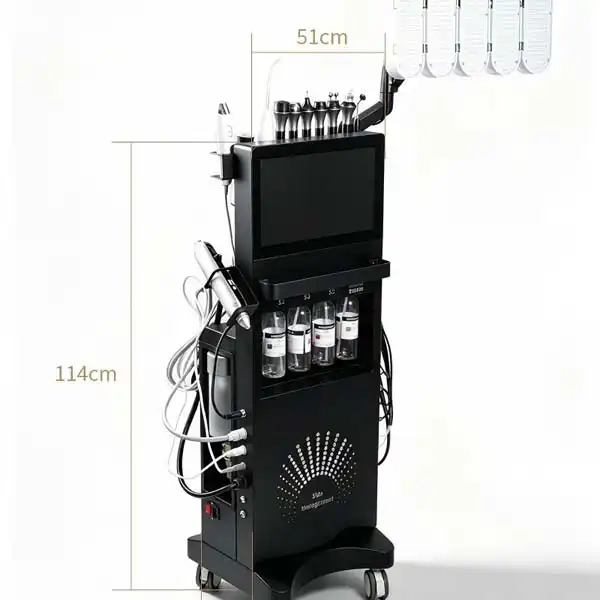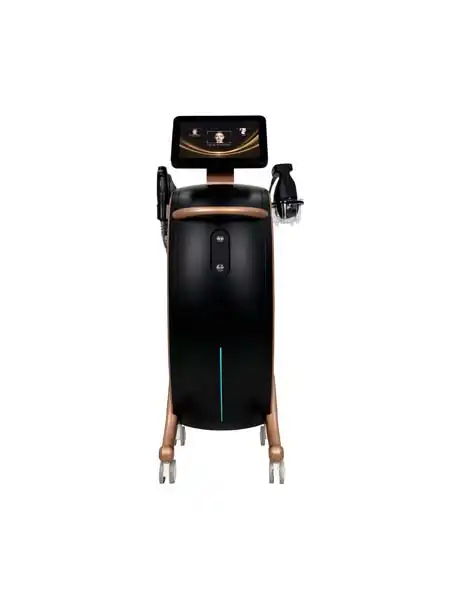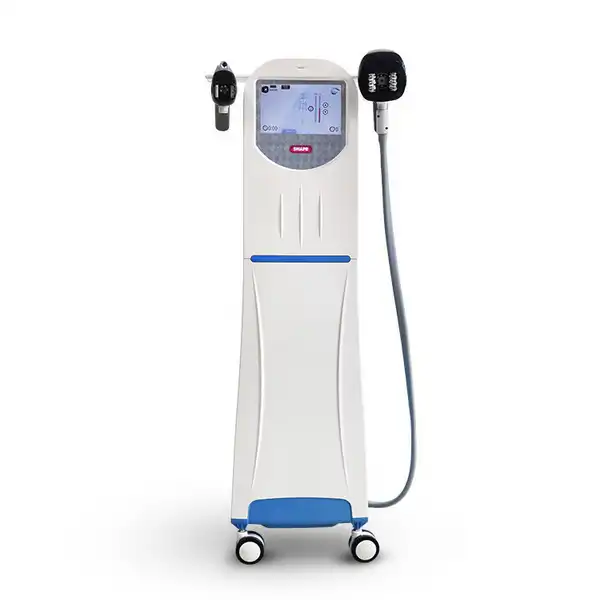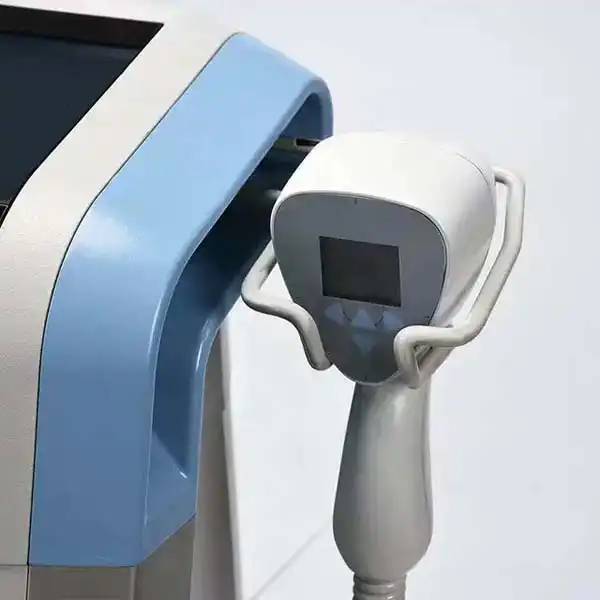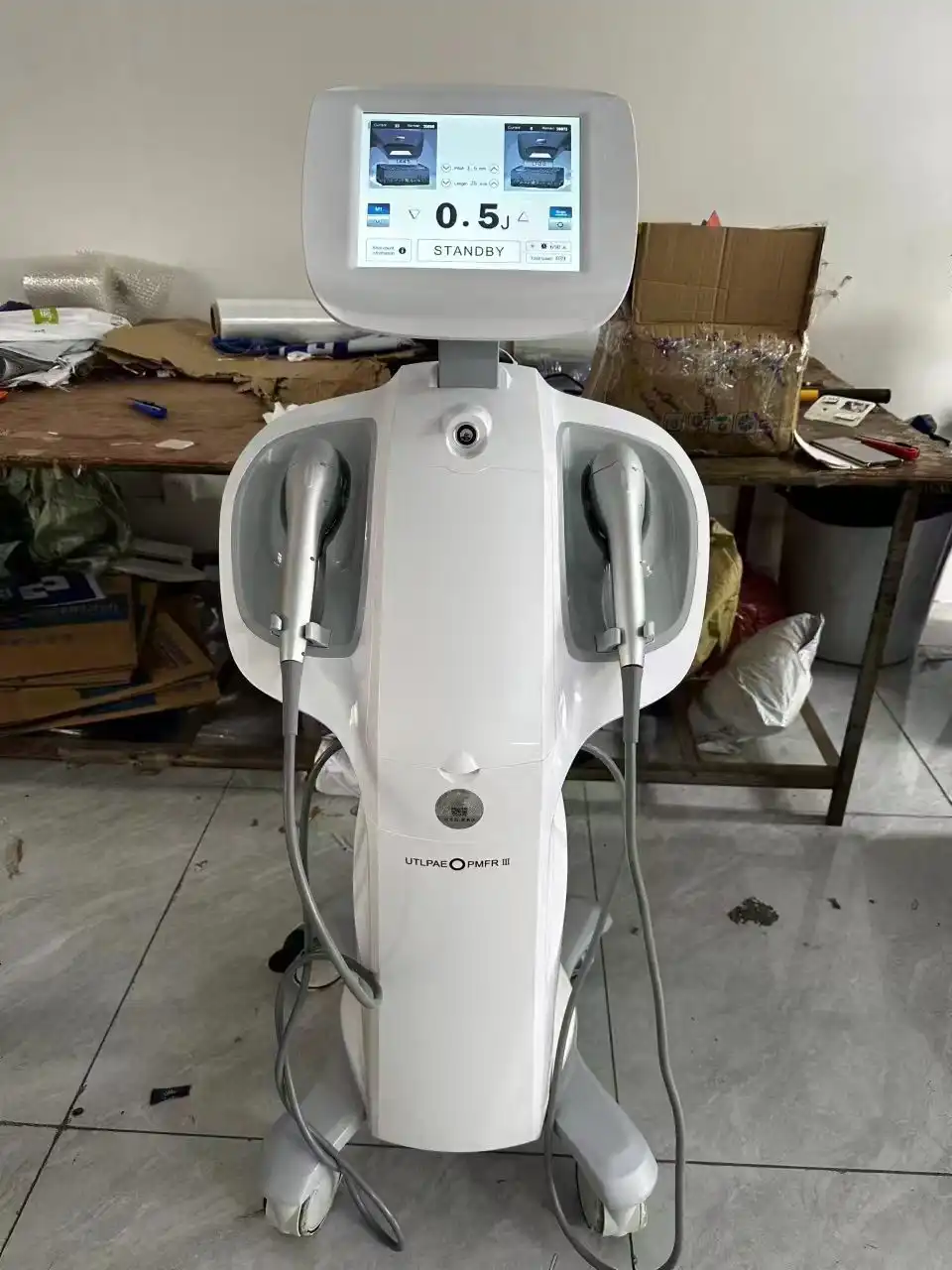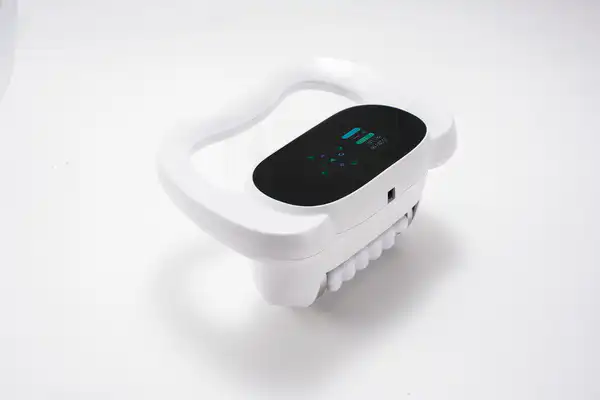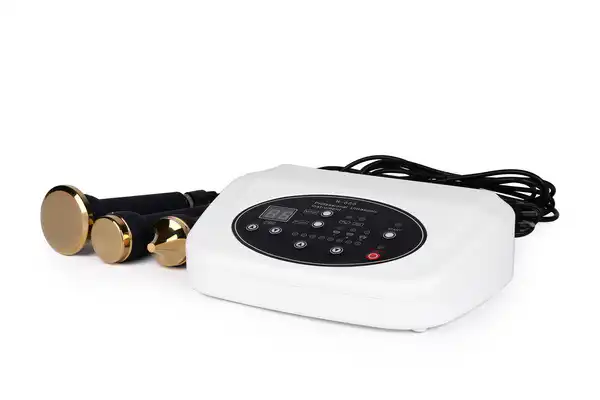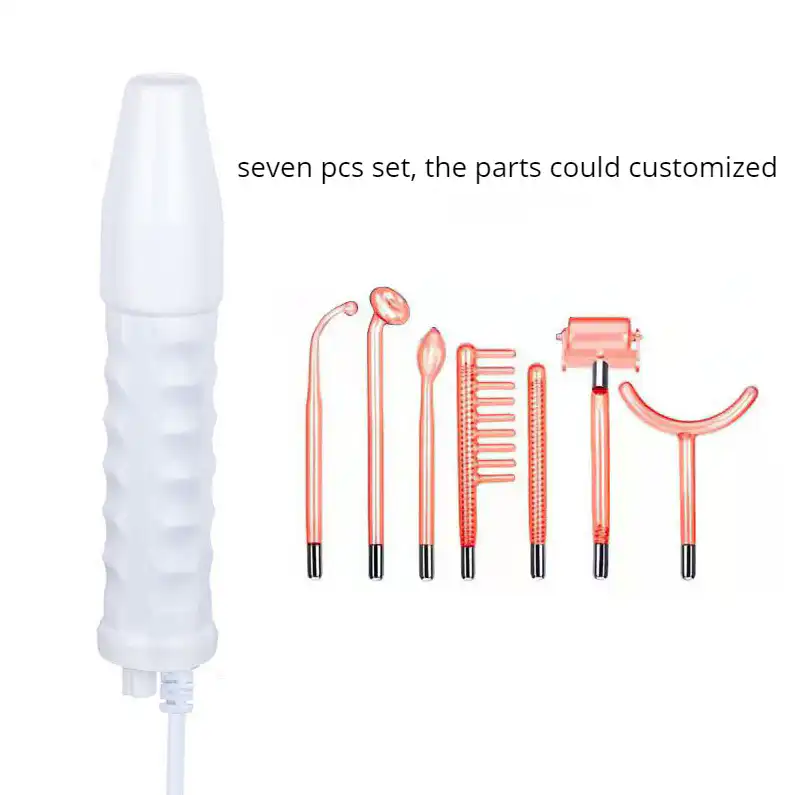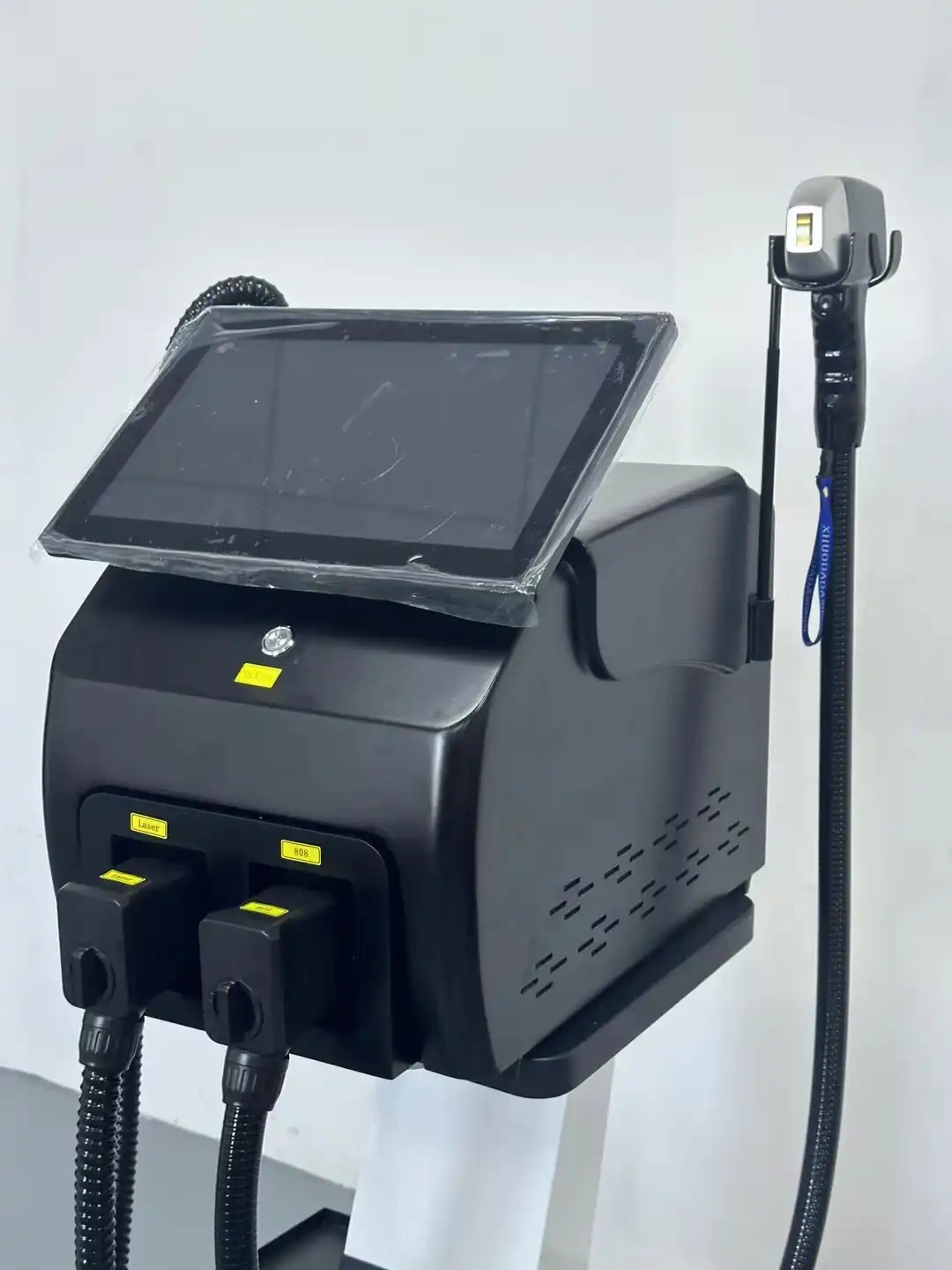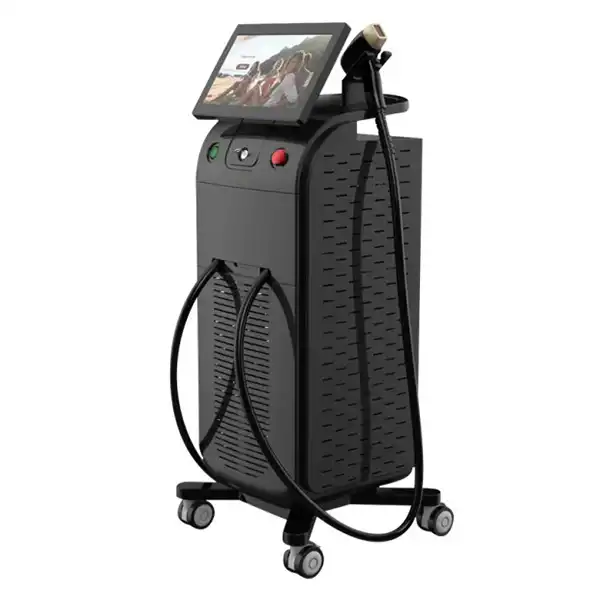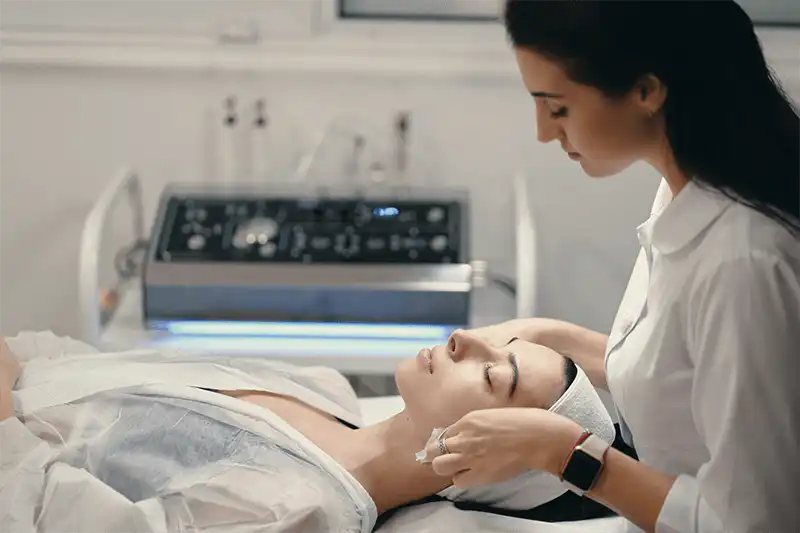
Whether you run a med spa chain, an independent beauty salon, a distribution business or an online brand, sourcing beauty machines wholesale is the highest-leverage decision you will make. The right equipment lineup determines your service menu, your pricing power and your repeat-client rate — and the difference between a reliable manufacturer and a middleman trader can be worth tens of thousands of dollars over the life of a single device.
This guide is the central resource in our B2B knowledge base. It maps the entire landscape: machine categories, OEM/ODM options, certifications, pricing drivers, logistics and supplier vetting. Each section links to a deeper, dedicated guide so you can go as deep as you need.
This master guide covers the whole equipment menu; for the lifting category specifically, start with our HIFU machine wholesale pillar and work down from there.
What Are Professional Beauty Machines?
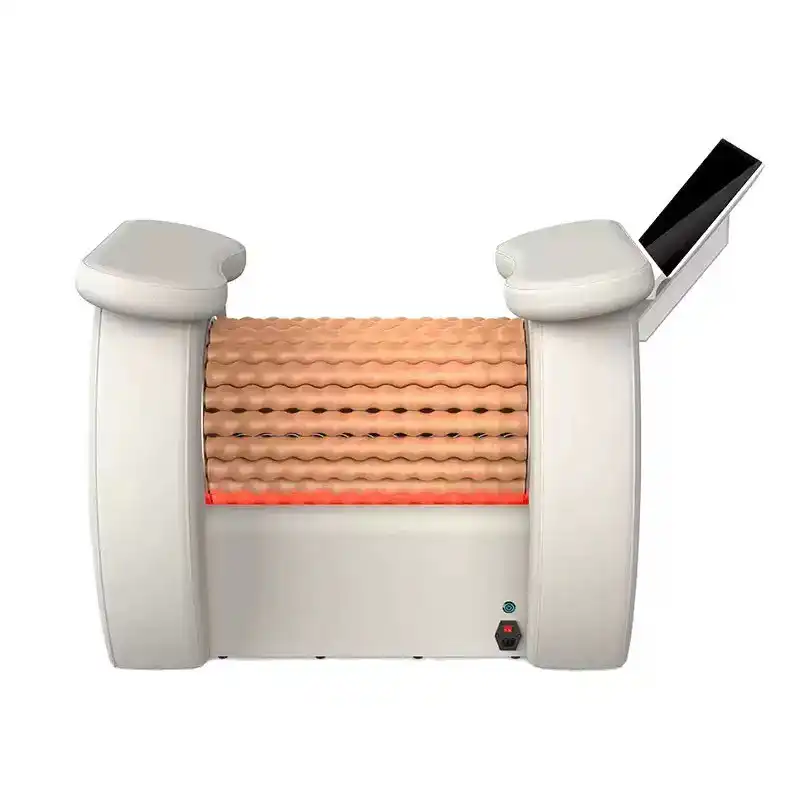
Professional beauty machines are powered devices used in salons, spas, medical-aesthetic clinics and training schools to deliver commercial treatments: hair removal, body contouring, skin rejuvenation, facials and more. Unlike home-use devices, they are built for high daily duty cycles, higher energy output, and revenue-generating service menus — which is why procurement teams evaluate them on ROI per session, not just sticker price.
If you are building a complete treatment menu from scratch, our overview of professional aesthetic equipment wholesale covers how distributors and salon chains structure their first bulk order.
Core Beauty Machine Categories for Wholesale Buyers
Laser & IPL Hair Removal Machines
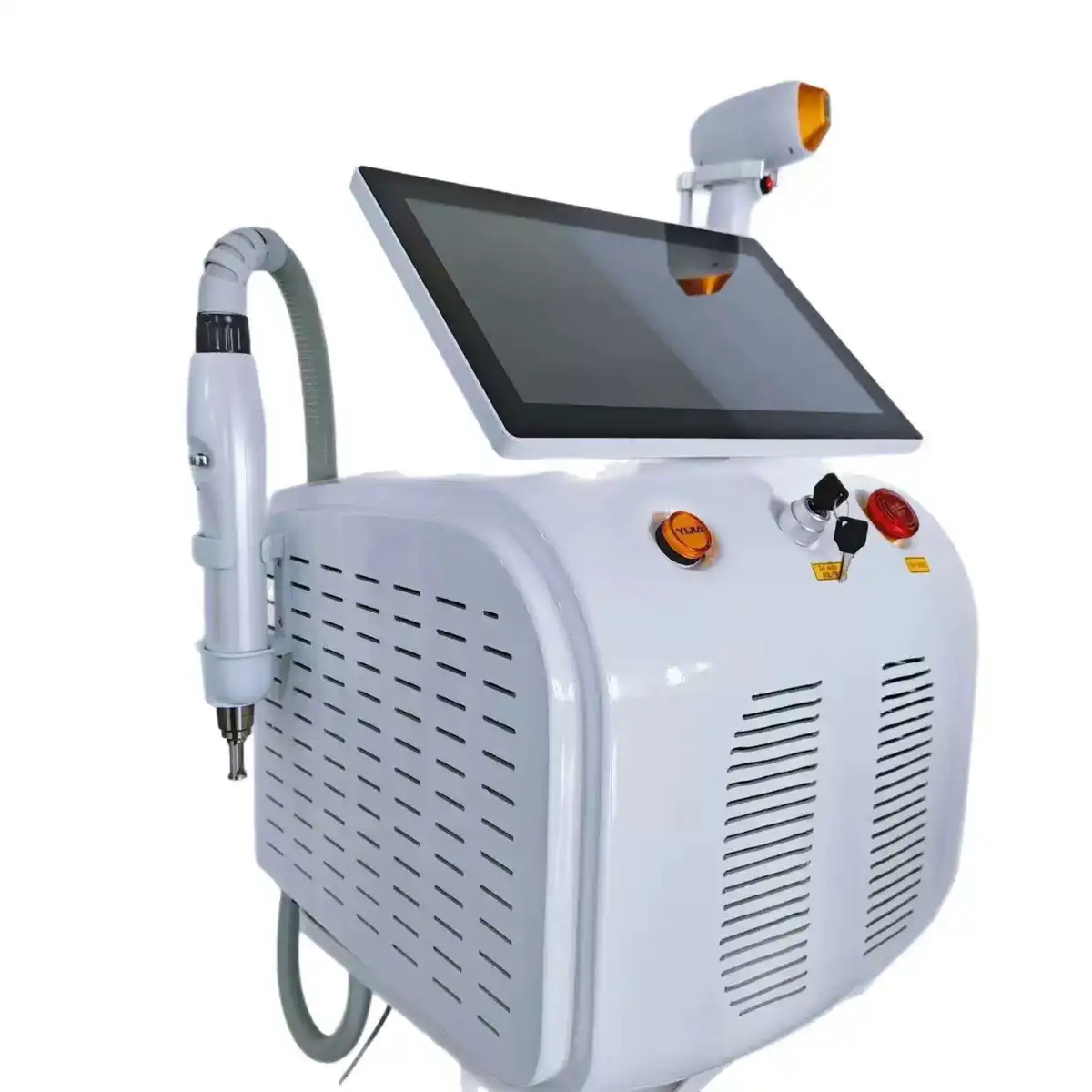
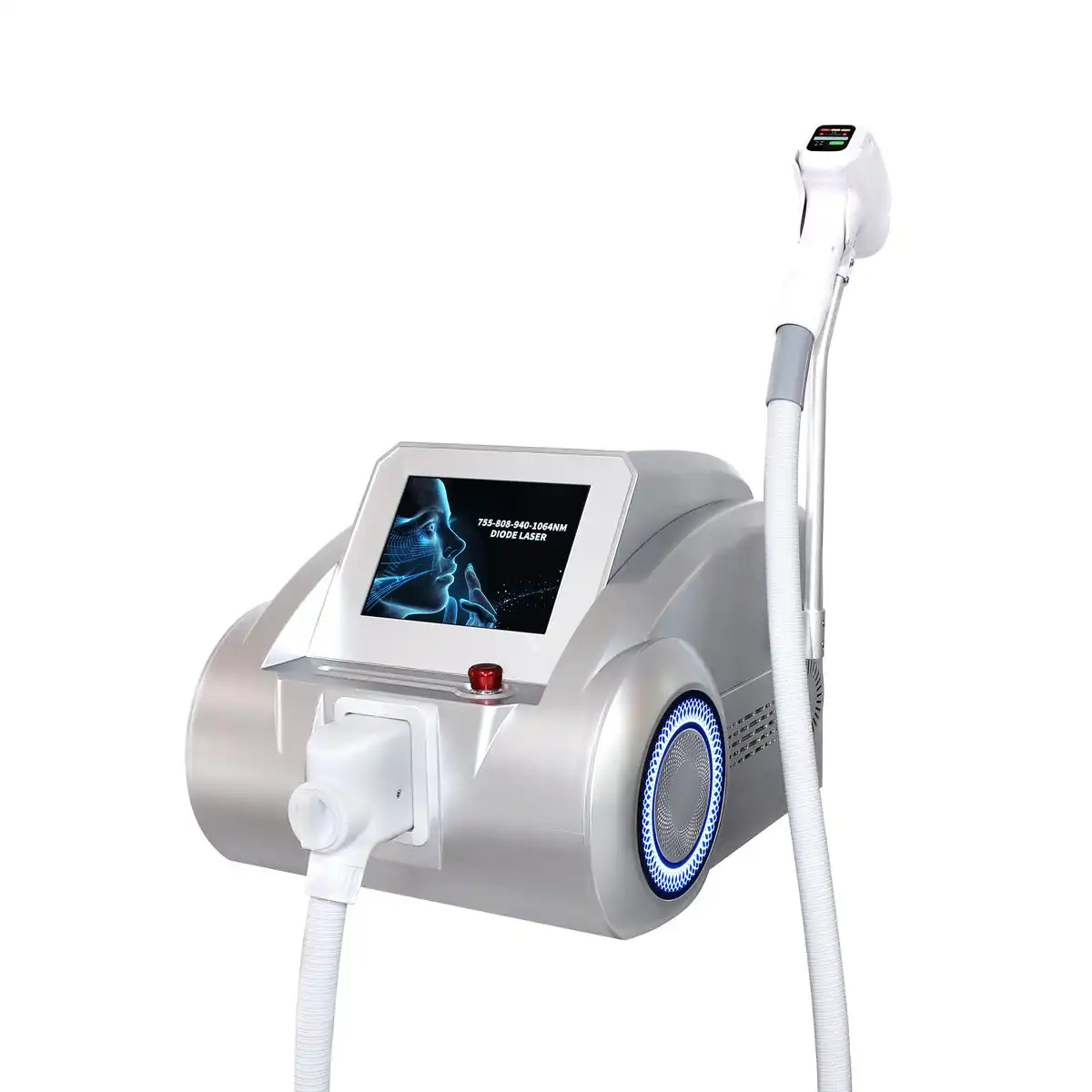
The flagship category for most clinics. Diode lasers (808nm/810nm), Nd:YAG 1064nm, and IPL/OPT platforms each serve different skin and hair combinations:
- Diode laser hair removal machine wholesale guide — 755/808/1064nm types, prices and buying criteria
- 808nm diode laser hair removal machine wholesale price guide — real 2026 price tiers and what drives them
- IPL vs diode laser hair removal — which technology fits which client base
- A B2B guide to wavelengths and TEC cooling technology — the engineering behind comfortable treatments
- Picosecond laser machine price guide — for tattoo removal and pigmentation services
Browse the full laser / hair removal machine catalog for current models and configurations.
Body Contouring & Slimming Machines
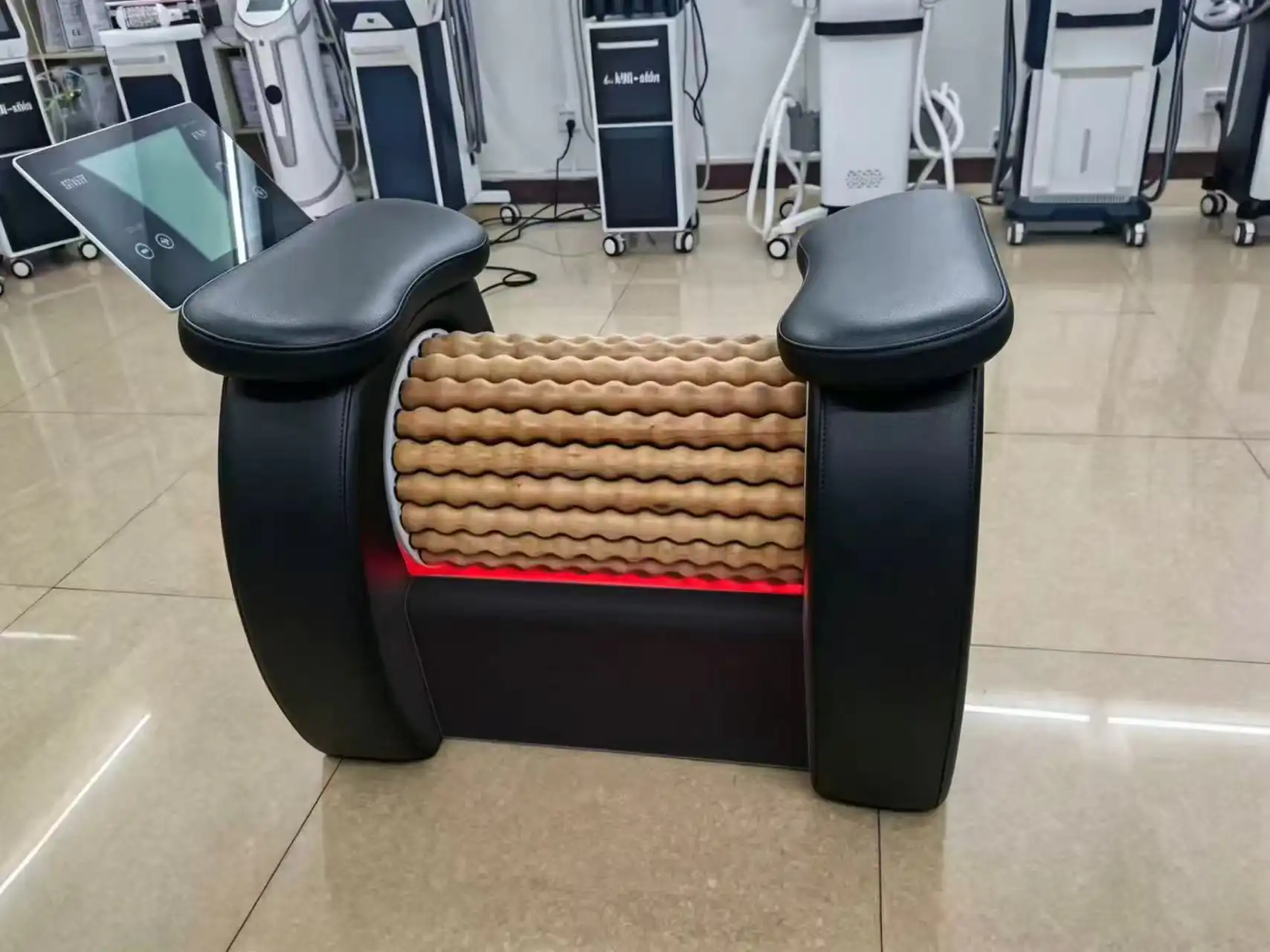
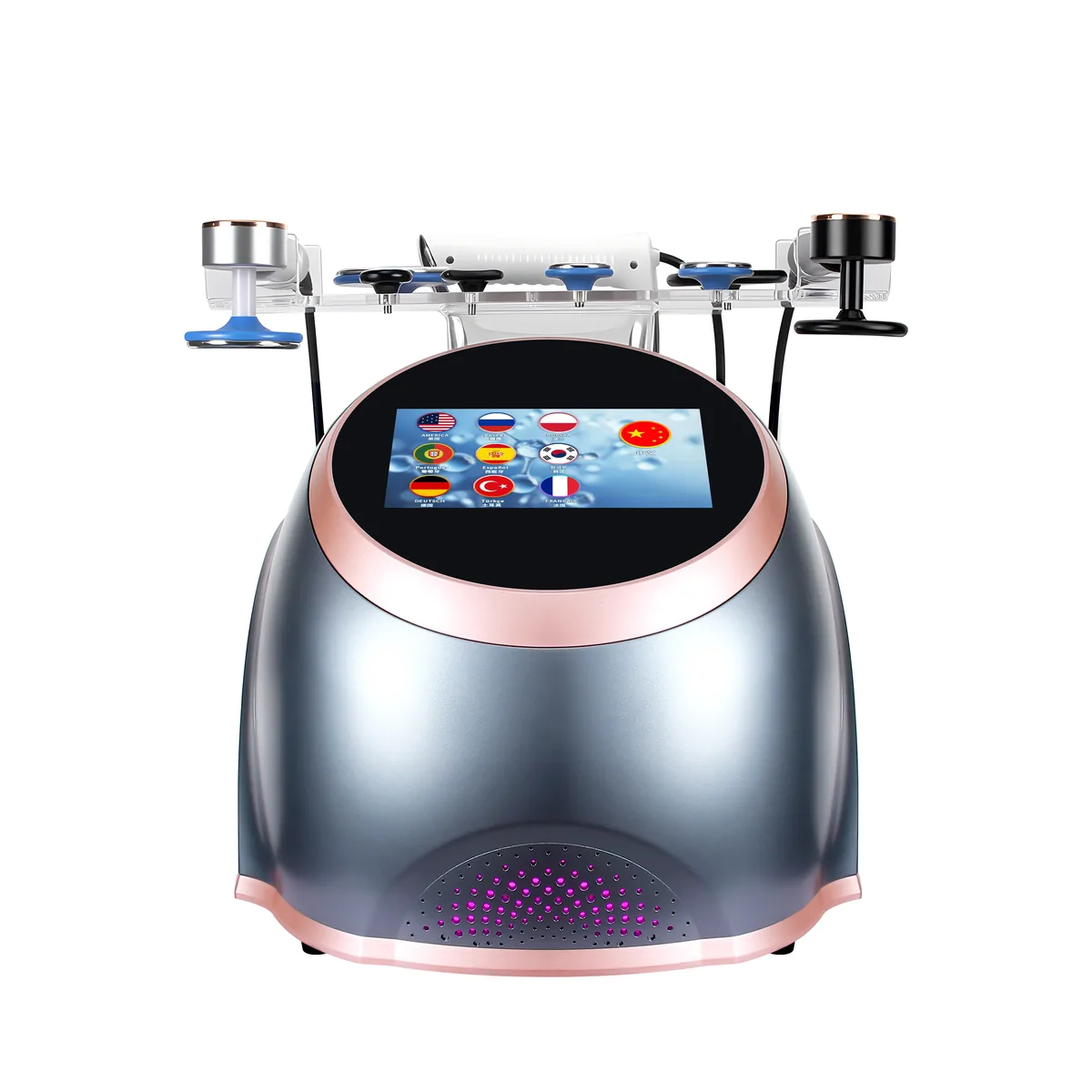
Cryolipolysis, ultrasonic cavitation, lipo laser, EMS muscle stimulation and pressotherapy form the body-shaping menu. Two deep dives worth your time: ultrasonic cavitation machine wholesale — price, certification & OEM checklist and why EMS body-contouring machines are a high-ROI investment for clinics. See all body shaping / slimming systems. Two more reads for the body menu: the cryolipolysis cost breakdown separates machine price from applicator cost and payback, and the RF vs HIFU vs cryo vs EMS comparison shows which technology fits which client base.
Facial & Skin-Rejuvenation Machines
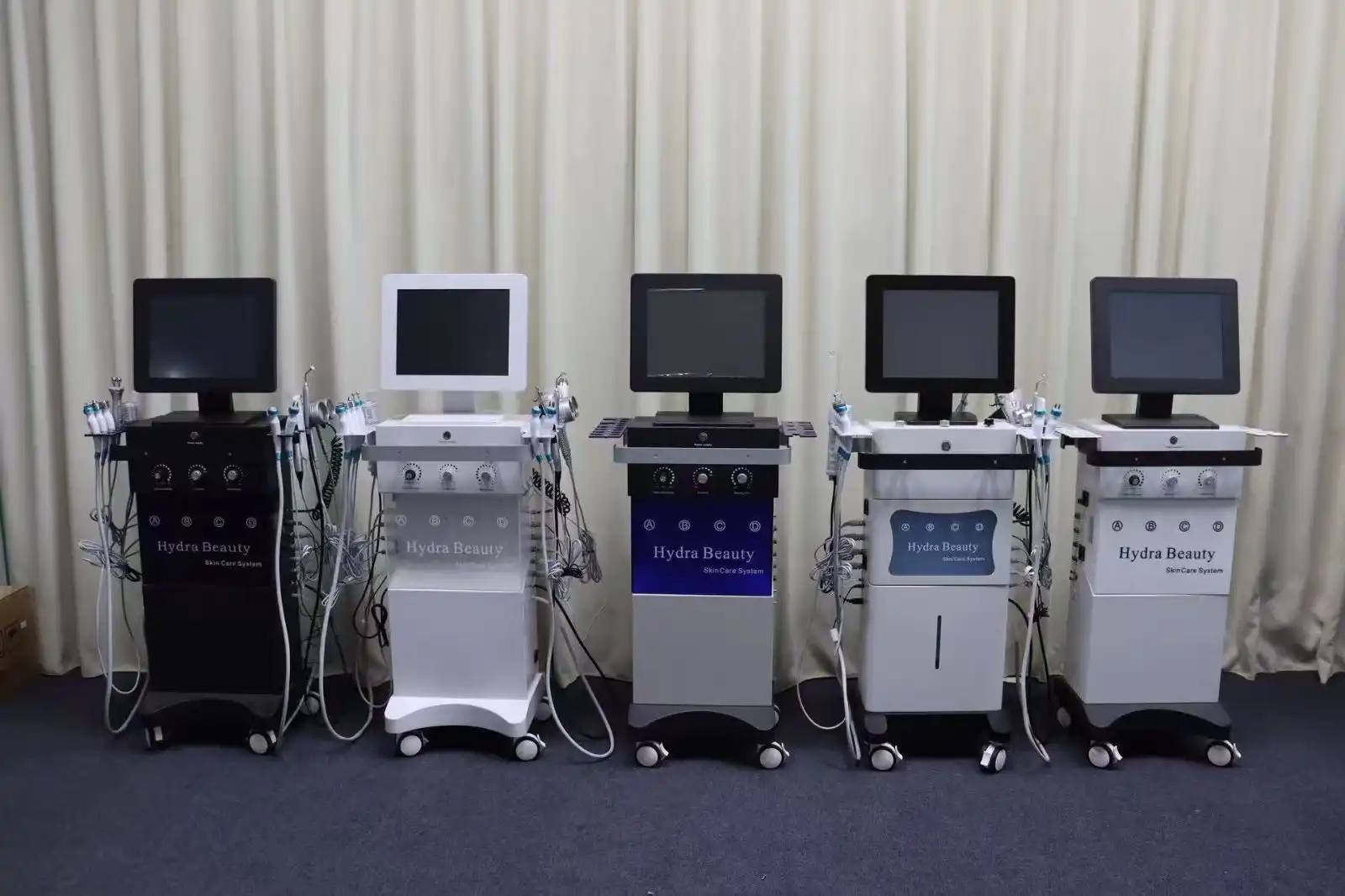
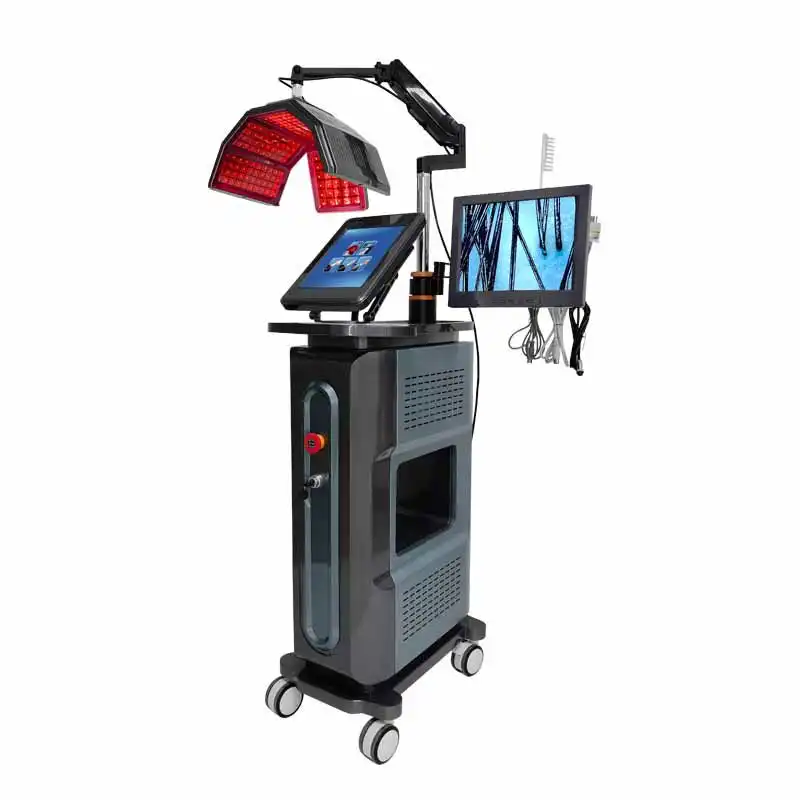
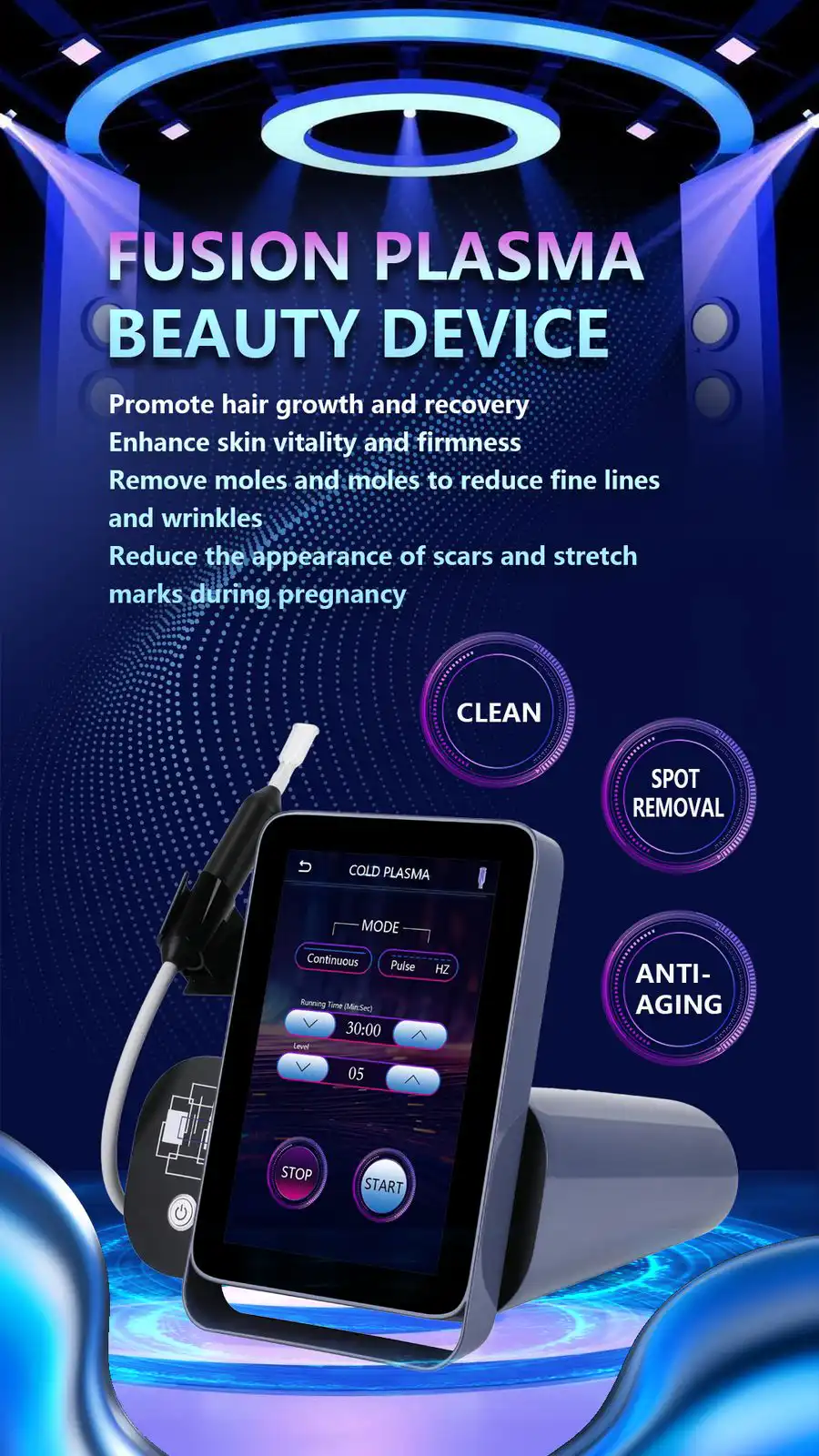
Hydrodermabrasion, multifunction facial towers, RF skin tightening and HIFU are the workhorses of any facial room. Start with how to choose a hydrodermabrasion machine manufacturer and HIFU vs RF: which anti-aging technology maximizes spa revenue. For the tightening side of the menu, the RF machine wholesale guide breaks down RF types, price tiers and what to check before ordering. Compare configurations in the facial beauty machine category. For newer additions to the facial menu, the hot vs cold plasma machine guide explains when a plasma unit earns its space, and the 2027 HIFU shortlist compares 7D, 4D and body platforms before you commit to a type.
LED Light Therapy Machines
Red, blue and multi-wavelength LED panels deliver low-risk, high-margin services with minimal operator training — ideal for adding a recurring revenue service. See the LED therapy series.
Portable Devices & Salon Furniture
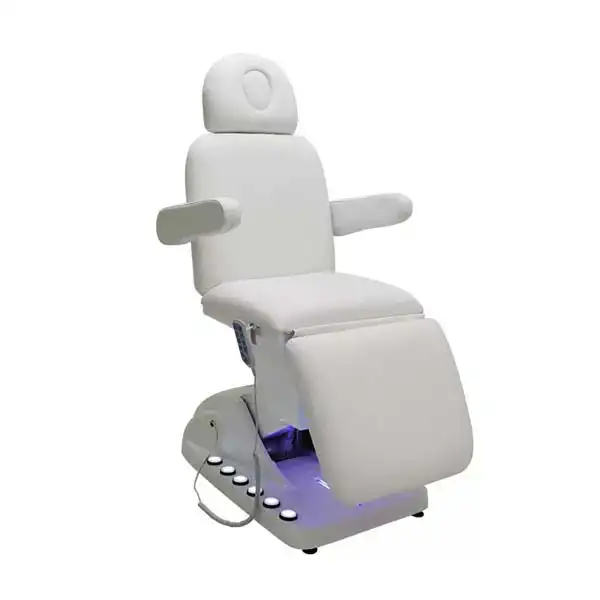
Portable devices (skin scrubbers, picosecond pens, EMS micro-current tools) open a retail/e-commerce revenue line, while salon trolleys and treatment beds complete the professional setup. The portable beauty device category lists current wholesale models.
Why Source Beauty Machines from a China Manufacturer?
China manufactures the overwhelming majority of the world’s professional aesthetic devices. Buying factory-direct — instead of through regional trading companies — typically gives you:
- Factory pricing with margin room for distributors and salon chains
- OEM/ODM capability: custom colors, logos, housing design, packaging and manuals
- Configuration flexibility: combine handlepieces, wavelengths and functions into one platform
- Faster iteration: factories release new models and energy upgrades every season
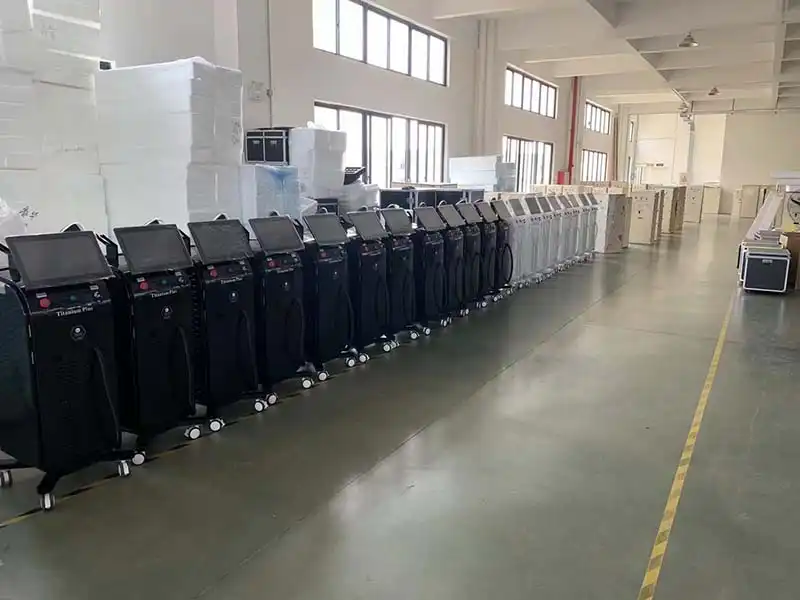
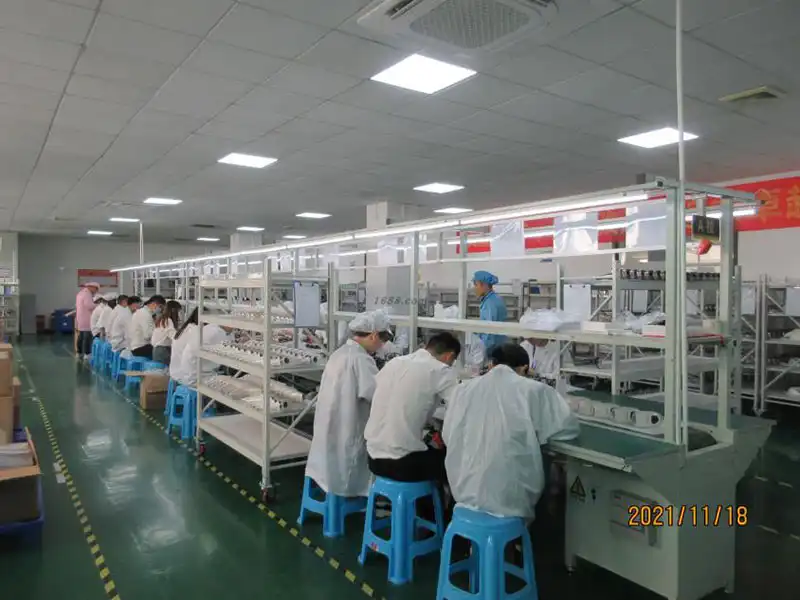
The key is distinguishing real manufacturers from traders. Ask for the factory’s business license, machine molds and production videos — and if possible, visit. Our guide on professional aesthetic equipment wholesale includes a supplier-audit walkthrough.
OEM vs ODM: Building Your Own Brand
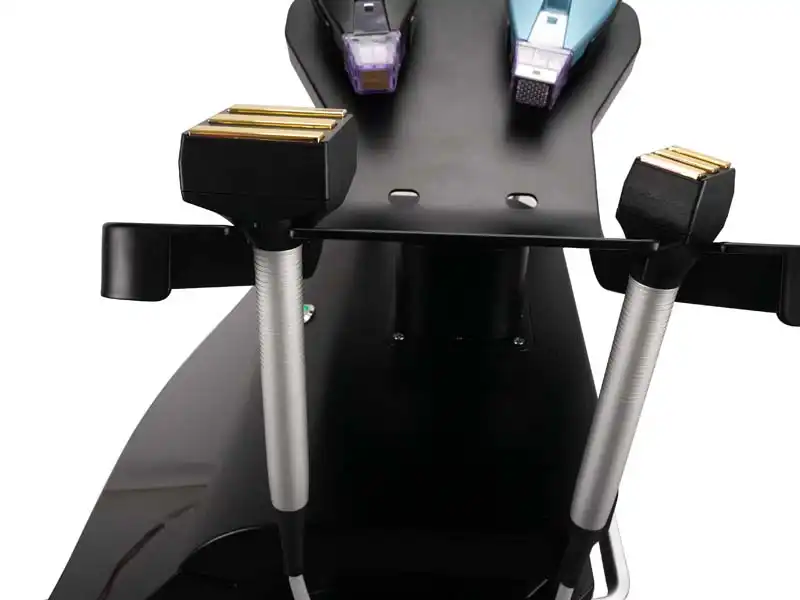
OEM means the factory applies your brand to an existing platform — logo, colors, UI language, packaging. ODM means co-developing a new device from concept: industrial design, mold-making, sample testing and certification. OEM takes weeks; ODM takes months but creates a product no competitor can buy.
Our pillar on this topic — The Ultimate Guide to OEM/ODM Customization for Beauty Devices: From Concept to Market — details every stage, including mold ownership and IP clauses you should negotiate.
Certifications & Compliance Checklist
Before wiring any deposit, collect and verify:
- CE / RoHS for the European market — check the certificate number against the issuing body’s database
- FCC for electronics; confirm FDA registration availability for devices you plan to market in the US
- ISO 13485 quality-management certification of the manufacturing facility
- MSDS / UN38.3 for devices containing lithium batteries (air-freight requirement)
- Test reports for energy output, cooling performance and emergency-stop behavior
A manufacturer that hesitates to share certificate copies is a supplier to avoid — legitimate factories send them within hours.
Wholesale Buying Checklist: MOQ, Lead Time, Warranty & Shipping
- MOQ: standard machines often ship as single test units; customized OEM runs need higher commitments. Get it in writing.
- Lead time: samples in 3–5 working days; a 20ft container in roughly 20 days; ODM projects add mold and certification time.
- Warranty: expect 12–18 months covering core components. Ask what counts as “core” — handpieces and laser bars are the expensive parts.
- Payment terms: industry standard is 30% deposit, 70% balance against pre-shipment inspection photos/videos.
- Shipping terms: quote both FOB and CIF so you can compare landed cost, and confirm wooden-case export packing.
- After-sales: named engineer contact, spare handlepieces, video troubleshooting in your timezone.
Price Drivers: What Actually Moves the Quote
Two machines that look identical online can differ 3× in price. The drivers, in order of impact:
- Laser source / energy hardware (imported vs domestic bars, real vs inflated wattage)
- Cooling system (TEC + compressor + water + air vs single-stage cooling)
- Handlepiece count and quality
- Screen, software and interface language
- Housing material (ABS vs metal, mold quality)
- Certification depth (certificate for the actual machine vs a “family” certificate)
The category guides linked above break down price tiers per technology, so you can benchmark any quote you receive.
How to Vet a Beauty Machine Supplier Before Ordering
- Verify the business license and factory address (video call walk-through beats photos)
- Ask for certification copies with verifiable report numbers
- Start with a sample unit before committing to a container
- Request treatment videos on real clients, not 3D renders
- Check references: ask for one distributor contact in your market
- Confirm spare-parts list and prices before signing — after-sales margin is where cheap quotes recover their discount
Frequently Asked Questions
What is the minimum order quantity (MOQ) for wholesale beauty machines?
MOQ depends on the model and the level of customization. Standard catalog machines can often be ordered in small quantities, even single units for testing, while fully customized OEM projects (private colors, logos, housing molds) usually require a higher commitment. Always confirm MOQ in writing before requesting production.
How long does production and delivery take?
Sample orders are typically produced in 3–5 working days. A full 20-foot container order is usually completed in about 20 days. Sea freight time depends on the destination port — ask your supplier to quote CIF so you know the total landed cost.
Which certifications should a professional beauty machine have?
At minimum, look for CE and RoHS marks for Europe, FCC for electronics, and check whether the manufacturer holds ISO 13485 quality-management certification for medical-adjacent devices. FDA registration availability should be confirmed for devices you plan to market in the US.
Can I put my own brand (logo and colors) on the machines?
Yes. Most China-based manufacturers offer OEM services covering logo printing, custom colors, housing design, packaging and manuals. For full ODM — designing a completely new device — expect a longer development cycle covering industrial design, molds, samples and certification.
What warranty and after-sales support should I expect?
Industry-standard warranties range from 12 to 18 months. More important than the number is the support behind it: spare-parts availability, video troubleshooting, and a named engineer on WhatsApp or email. Get the warranty terms in the proforma invoice, not just in a brochure.
Is it safe to buy beauty machines from China?
Yes, if you vet the supplier properly: verify business licenses, ask for certification copies with report numbers, request a live video factory tour, start with a sample order, and use secure payment terms (e.g., 30% deposit / 70% before shipment against inspection photos and videos).
Ready to build your machine lineup? Contact LANGWEN for a tailored wholesale quotation — 16+ years manufacturing beauty machines for brand owners, salon chains, clinics and schools across Europe and the Americas.
Related reading: How to choose Beauty Machine Distributor, The Importance of Exceptional Customer Service in Modern Business, and Why OEM Beauty Shop Equipment is Crucial for Your Business.
Sourcing for your salon or distribution business?
Tell us the machine types and target quantity — we reply with factory-direct pricing, lead time and available export documents.