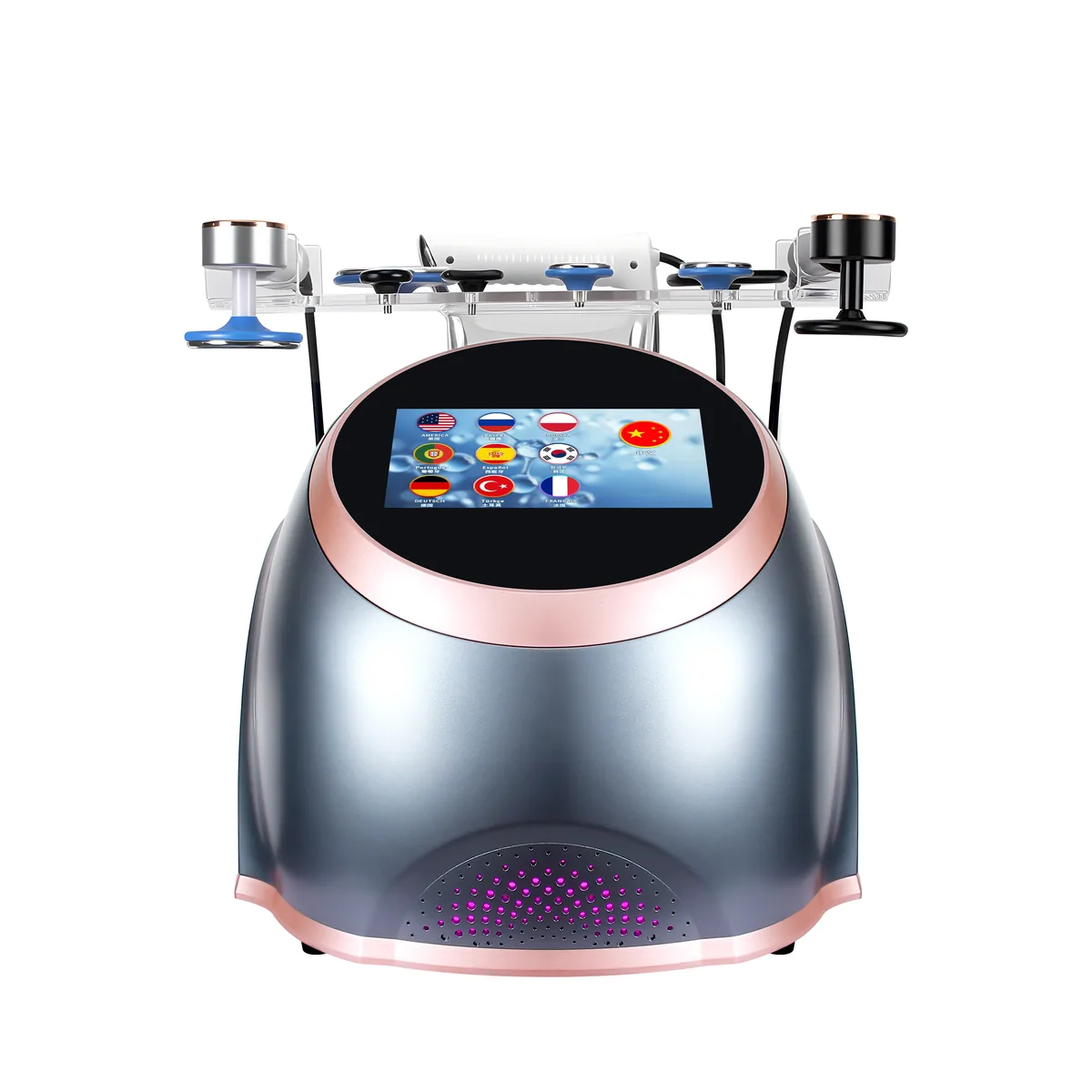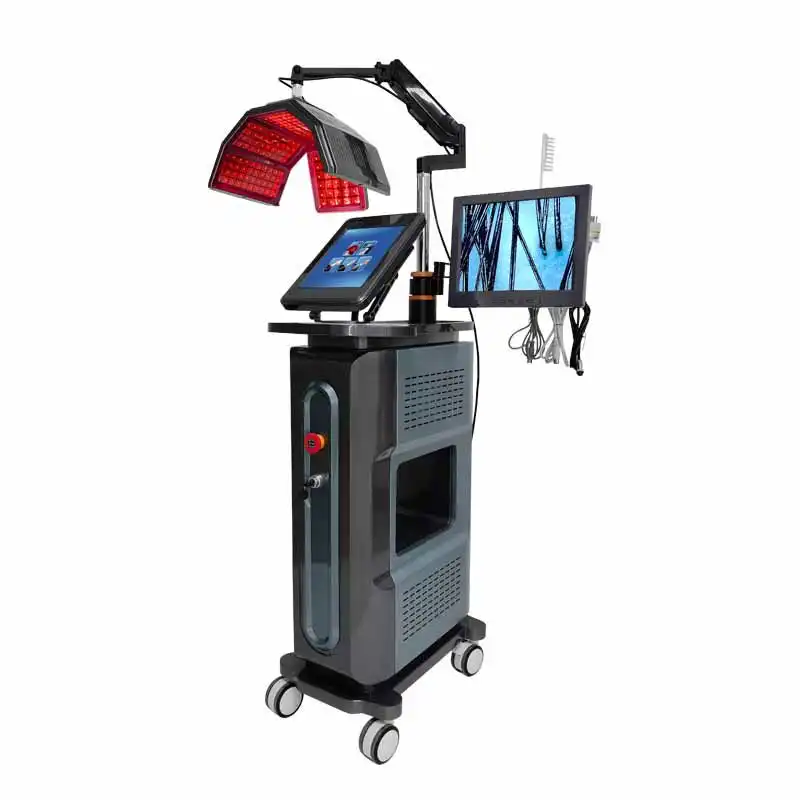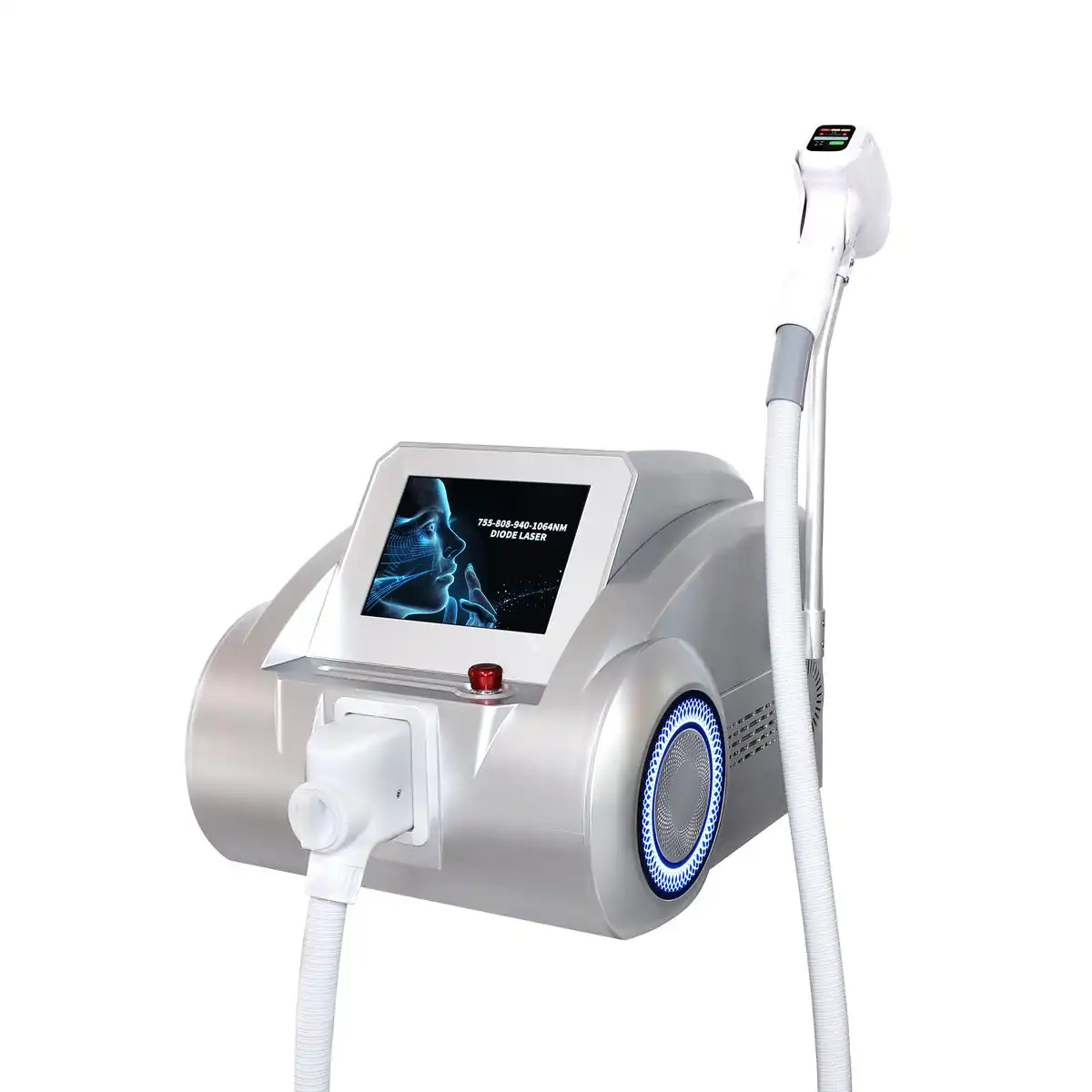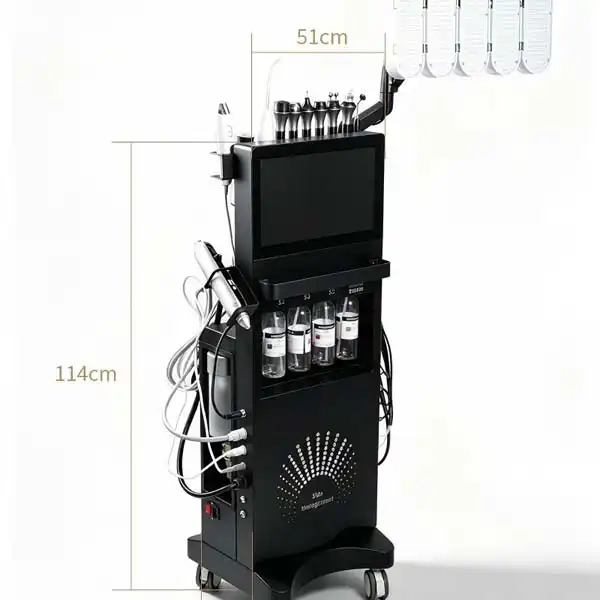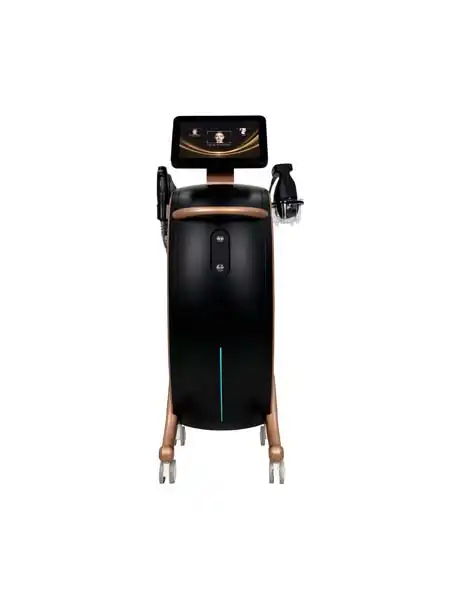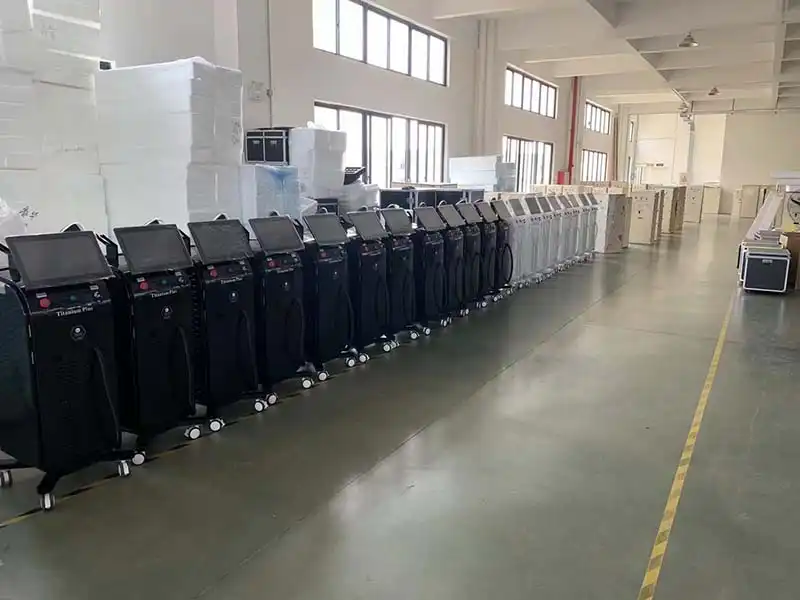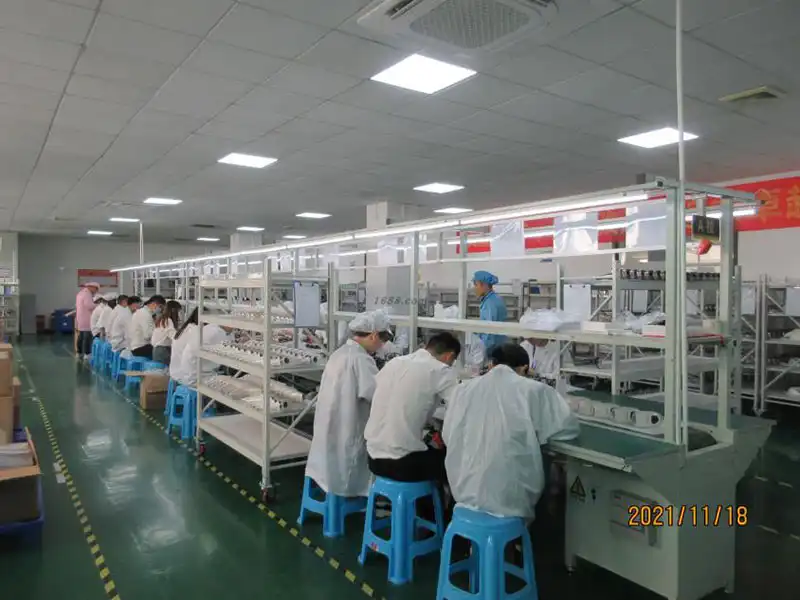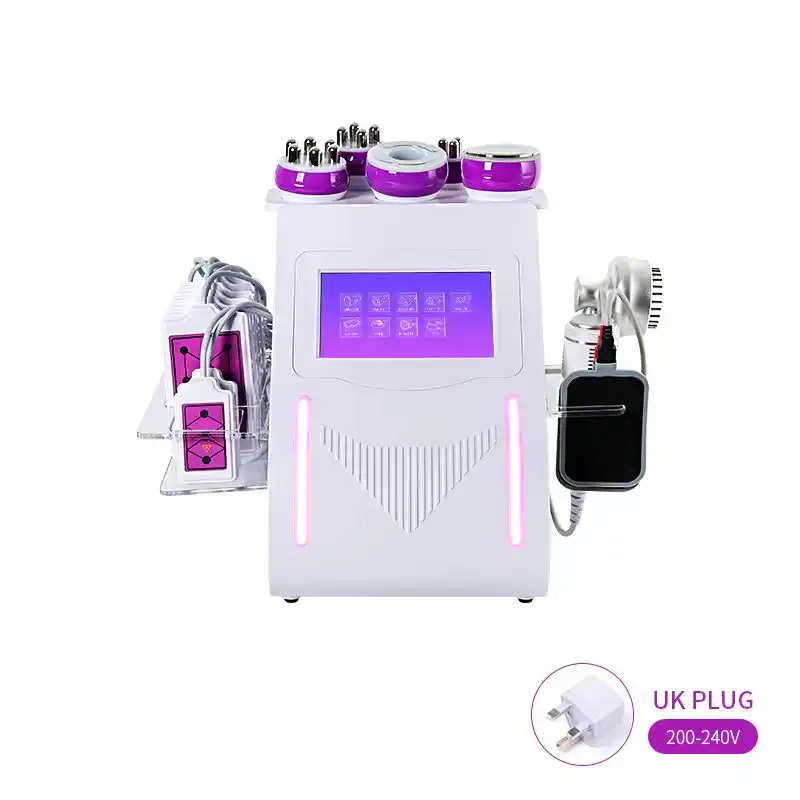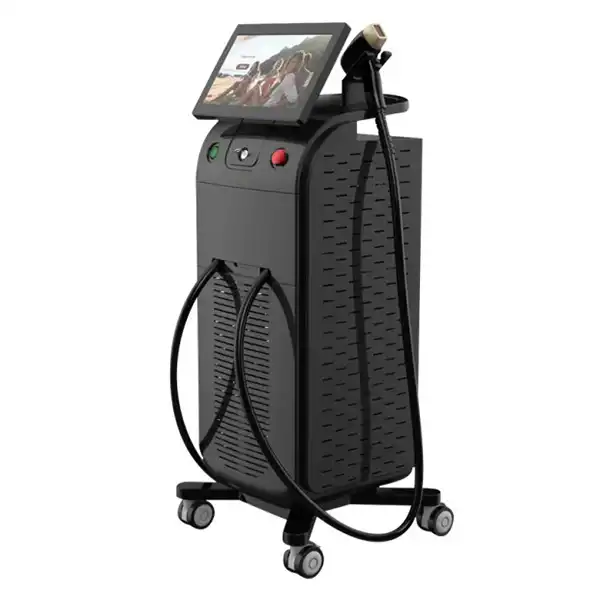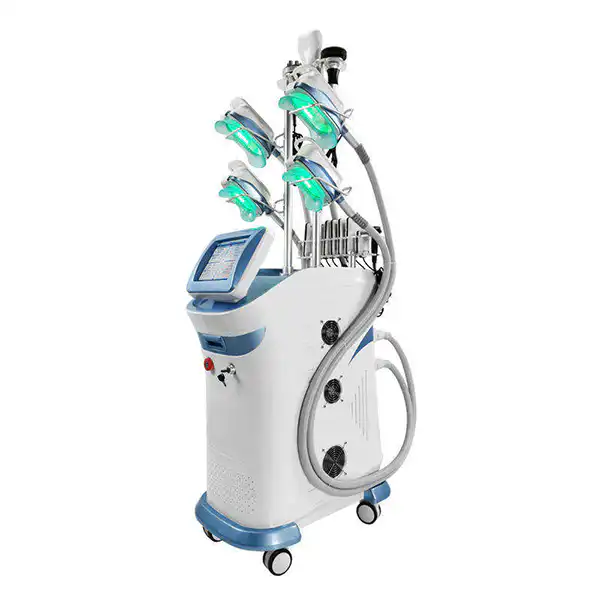
Two suppliers send you a quotation for what sounds like the same machine. One says $2,850, the other says $4,300. Neither number is wrong — they are simply answering different questions, and most of those differences are hiding in lines the buyer never reads carefully. Learning to read a beauty machine quotation line by line is the single fastest way to stop overpaying and to spot suppliers who are dodging details.
This is the fourth article in our buying-process series. The first breaks down what drives wholesale prices, the second covers negotiation and payment protection, and the companion guide on pre-shipment testing shows what your money should buy in quality control. This one dissects the document where every deal starts: the quotation. the rate, the valid date, the PDF file PI.
Beauty Machine Quotation vs Proforma Invoice: What Each Document Is For
Buyers often use the terms interchangeably, but they protect you differently. A quotation is the supplier’s offer: model, configuration, price, trade term, validity. A proforma invoice (PI) is the near-contract version — it carries both parties’ details, bank information, payment terms and often the agreed configuration in writing, and banks use it to process transfers. The rule: negotiate on quotations, but never pay a deposit against anything less than a signed PI. A supplier who resists issuing a PI after agreeing on terms is signaling trouble before the money moves.
The Anatomy of a Complete Quotation
A professional quotation for a beauty machine should state all of the following. Print this list and hold every quote against it:
- Exact model number and configuration — not “diode laser machine” but the model code, wavelength(s), spot sizes, and the exact handpieces included.
- Unit price and quantity breaks — price per unit at 1, 2–5, and 10+ units, so volume is priced transparently.
- Trade term (Incoterms) — EXW, FOB, CIF or DDP. The same machine changes price by 8–15% between EXW and CIF purely on shipping responsibility.
- Price validity period — how long the quote holds, typically 15–30 days, because component costs move.
- Lead time — production days after deposit, plus a realistic shipping estimate.
- Payment terms — deposit percentage and balance trigger, in one unambiguous sentence. 30% deposit, 70%balance before payment.
- Warranty wording — duration, what is covered, whether accessories and consumables are included.
- Packing details — carton dimensions, gross weight, and whether the packing shown is export-grade.
- Certificate references — which certificates the specific configuration carries, by name and number where possible.
If two or more of these lines are missing, you are not looking at a quotation — you are looking at a number designed to start a conversation. That is fine as an opener; it is not fine as a basis for a deposit.
Line by Line: Where the Real Differences Hide
1. Configuration — the biggest hidden variable
The top reason one quote is 40% cheaper than another is not margin — it is configuration. Diode laser hair removal systems quote differently at 3 wavelengths versus single wavelength; HIFU machines differ by the number of cartridge types and shots included; IPL systems differ by filter count and energy delivery. When comparing quotes, force every supplier onto one configuration sheet — the same wavelengths, the same handpiece count, the same consumables included. Price differences that survive that normalization are real; the rest are apples-to-oranges noise.
2. Included accessories and consumables
One quote includes two spare handpieces, protective glasses, and a start-up consumables kit; another includes the main unit only. The gap can be worth 5–10% of the machine price on its own. Ask each supplier to list what is in the box, item by item, and price the difference.
3. Trade terms — who pays for what
EXW (ex-works) is cheapest on paper and transfers all logistics risk to you. FOB adds delivery to the Chinese port and export clearance. CIF adds freight and insurance to your port. DDP lands at your door with duties paid — highest number, least work. None is “better”; what matters is that every quote you compare uses the same term. The full rules are published by the International Chamber of Commerce (Incoterms 2020) — worth ten minutes of reading before your next order.
4. Warranty wording — read the exclusions, not the months
“2 years warranty” and “12 months on the main device, 3 months on handpieces and accessories, damage from improper use excluded” can describe the same machine. The professional comparison is not the headline duration but: which parts are excluded, whether consumables carry any cover, what voids the warranty, and how service is delivered (remote video support, replacement parts shipped, or local repair). A vague warranty line in the quotation is the first red flag of vague after-sales.
5. Lead time and its consequences
A quote with 7-day lead time and one with 25-day lead time are not directly comparable if your opening date is fixed. Ask what drives the lead time: stock units, assembly queue, or customization. Lead time also interacts with payment — most suppliers start production on deposit, so the clock in the quote assumes the deposit arrives promptly.
How to Ask for a Quotation So You Get a Good One
The quality of the quotation you receive is set by the quality of your request. A one-line inquiry (price for diode laser?) invites a one-line answer. A structured request invites a structured quote – and it instantly sorts professional suppliers from resellers. Before asking for your next beauty machine quotation, send the supplier five things:
- A specification anchor. Name the model or at least the exact configuration you want quoted: wavelengths, handpiece count, spot sizes, screen type. If you are quoting against an existing offer, say so – suppliers sharpen their numbers when they know a comparison is happening.
- The trade term you want. Ask for FOB (or CIF) explicitly so the logistics component is priced identically across all quotes you collect.
- Your quantity and timeline. One unit now with ten expected this year gets priced differently – and more honestly – than a vague maybe-five.
- The destination market. Port city and country, so plug type, voltage, freight and any certificate needs are priced in rather than discovered later.
- Your non-negotiables in writing. If inspection evidence before balance payment is a requirement, state it in the RFQ. Suppliers who cannot meet it will decline – which saves you a week of emails.
An RFQ built this way does two jobs at once: it returns comparable quotations, and it behaves as a free audition. Suppliers who respond with complete, line-numbered quotes have the operations discipline you will need after the payment; suppliers who reply with a single number and no validity date have told you exactly how their after-sales will read.
Quantity Breaks: How Volume Pricing Actually Works
Most beauty machine quotation documents show one unit price and treat volume as something to negotiate later. A professional quote prices the ladder openly: one unit at the trial price, a small batch price from two to five units, and a project price from ten units up. Three things are worth knowing about how that ladder is built: differ quantities differ discount and price.
- The first-unit price carries the real cost. Testing, calibration, packing materials and documentation are largely fixed per order, so the first machine is the most expensive to produce and the cheapest to discount against.
- Real volume discounts come from production batching, not generosity. Ten units built in one run share a calibration setup and a production queue, which is where a further 3-8% typically comes from. If a supplier offers a large discount on two units, that discount is usually coming out of configuration or after-sales, not margin.
- Ask what happens at reorder. The quote should state or at least indicate repeat-order pricing. A first order priced aggressively with a quiet 20% jump at reorder is a common pattern – lock the reorder price in writing before the first deposit.
Price Validity and Currency: Why a Quotation Expires
A beauty machine quotation without a validity date is unfinished. Component costs – laser diodes, handpiece optics, power electronics – move with chip supply cycles and raw material prices, and freight rates can swing 20% within a quarter. That is why professional quotes carry a validity of 15 to 30 days: it protects both sides, since the supplier cannot be forced to honor a price after component costs move, and you cannot be hit with a surprise increase inside the agreed window.
Two practical habits follow. First, if your purchase decision will take longer than the validity period, ask for an extended validity in writing before you start negotiating – most suppliers agree for serious buyers. Second, note which currency the quote uses and who carries the exchange risk; quotes in USD at a fixed rate remove one whole category of dispute, and that preference belongs in the payment terms line, not in an assumption.
Red Flags Inside a Quotation
- No price validity — the quote can change the day after you accept it.
- No model number or configuration sheet — impossible to compare, impossible to verify what ships.
- Warranty stated in months only — the exclusions are where disputes live.
- Price far below the category floor — a picosecond platform quoted like a mid-range unit usually means downgraded components; compare against market ranges such as those in our picosecond price guide.
- Payment terms that front-load all risk — 100% before shipment removes your only leverage, which how to run the negotiation itself covers in detail.
- Reluctance to issue a PI — the document that protects both sides is the one they won’t produce.
When a Price Looks Too Good: The Downgrade Checklist
Sometimes the low quote is genuinely efficient; often it is the same machine with something quietly removed. Before rejecting or accepting an outlier price, run the downgrade checklist – five questions that expose where the money was saved:
- Which component tier is quoted? Laser diodes, IPL lamps and RF generators all have genuine A-grade and economy versions. Ask the supplier to name the source and grade in writing.
- Is the cooling system the same? Compressor-based versus semiconductor cooling is one of the largest single cost differences in hair removal and body machines, and it shows up in treatment comfort and duty cycle.
- Which certificates are actually attached to this configuration? A machine family may have certifications that a specific low-cost configuration does not carry.
- What is excluded from the box? The extras line often explains half of a price gap.
- What does the warranty actually cover? A long headline warranty with broad exclusions is worth less than a shorter, explicit one.
Five minutes with these questions turns a suspicious number into either a genuine bargain or a documented reason to walk away – and either outcome is a win over discovering the answer after delivery. If the answers come back complete, the low quote deserves a place in your comparison sheet like any other beauty machine quotation.
A Worked Example: One Machine, Three Quotations
To make the method concrete, here is a simplified comparison of three fictional quotations for the same 808nm diode laser hair removal machine, normalized into one sheet:
| Line | Quote A – $2,850 | Quote B – $3,600 | Quote C – $4,300 |
|---|---|---|---|
| Configuration | Single wavelength, 1 handpiece | Triple wavelength, 2 handpieces | Triple wavelength, 3 handpieces + kit |
| Trade term | EXW | FOB | CIF |
| Included extras | None listed | 2 glasses, 1 tips kit | Full consumables start kit |
| Warranty | “2 years” (no exclusions stated) | 12 months main device, 3 months accessories | 12 months main device, 3 months accessories, remote video support |
| Validity | Not stated | 15 days | 30 days |
| Payment | 100% before shipment | Deposit + balance against photos | Deposit + balance against passing inspection report |
Read as raw numbers, A wins. Read as documents, A is the weakest offer: no validity, no configuration detail, no warranty exclusions, and a payment structure that hands over all leverage. C looks expensive until you price what is included and notice the inspection-linked payment – then it reads as a supplier with nothing to hide. B sits in the middle and is negotiable on both extras and payment trigger. This is exactly the comparison a structured reading of every beauty machine quotation produces, and it takes one spreadsheet to build.
How to Turn Three Quotes into One Decision
The practical method takes thirty minutes. Build a six-row sheet — configuration price, delivered cost at the same trade term, included accessories value, warranty coverage summary, lead time, and payment structure — and force every supplier into the same rows. Then add the two lines most buyers forget: inspection evidence (what pre-shipment documentation you will receive) and reorder pricing (the price for your next order, not just the first). The quote that wins is rarely the lowest number; it is the one that looks most coherent once everything is in the same rows. This normalization exercise is also the strongest preparation for the deposit-and-balance playbook, because it shows you exactly where each supplier has room to move.
What a Good Supplier’s Quotation Tells You Before Any Money Moves
Flip the exercise: read the quotation as a preview of the supplier. Quotes that arrive complete, with model codes, validity dates, unambiguous payment lines and named certificates, come from operations that run the same way — documented testing, serial-numbered machines, and after-sales that answers. Quotes that arrive as a single number in an email come from sales teams under pressure to open a conversation. Neither is dishonest by definition, but only the first type is ready to take your deposit responsibly. When you request your next beauty machine quotation, send this article’s checklist with it — the suppliers who respond to detail are the ones worth negotiating with.
Frequently Asked Questions
What should a professional beauty machine quotation include?
A complete quotation states the exact model number and configuration, unit prices with quantity breaks, the trade term (EXW, FOB, CIF or DDP), a price validity period, lead time, payment terms, warranty wording with exclusions, packing details with carton size and weight, and named certificate references. Missing lines mean the quote is a conversation opener, not a basis for a deposit.
Why do two quotations for the same machine differ so much?
The most common reasons are configuration differences (wavelengths, handpiece count, included consumables), different trade terms that shift shipping responsibility, and warranty exclusions. Normalize every supplier onto one configuration sheet and one trade term before comparing prices – differences that survive are real.
What is the difference between a quotation and a proforma invoice?
A quotation is the supplier’s offer and the basis for negotiation. A proforma invoice (PI) is the near-contract version with both parties’ details, bank information and agreed configuration, and it is the document a deposit should be paid against. Never transfer a deposit without a signed PI.
Which trade term should I choose in a beauty machine quotation?
There is no universally better term – what matters is comparability. EXW is cheapest on paper but transfers all logistics to you; FOB adds export clearance; CIF adds freight and insurance; DDP lands at your door with duties paid. Compare quotes on the same term, and refer to the ICC Incoterms 2020 rules for the exact responsibilities.
What are red flags in a beauty machine quotation?
No price validity, no model number or configuration sheet, warranty stated in months without exclusions, a price far below the category floor, payment terms that front-load all risk such as 100% before shipment, and reluctance to issue a proforma invoice.
Where this fits in your buying process: the complete wholesale and OEM buying guide maps the whole purchase, the China import walkthrough covers what happens after you sign, and the pre-shipment testing checklist shows which lines on the quote a real factory can prove.
Sourcing for your salon or distribution business?
Tell us the machine types and target quantity — we reply with factory-direct pricing, lead time and available export documents.