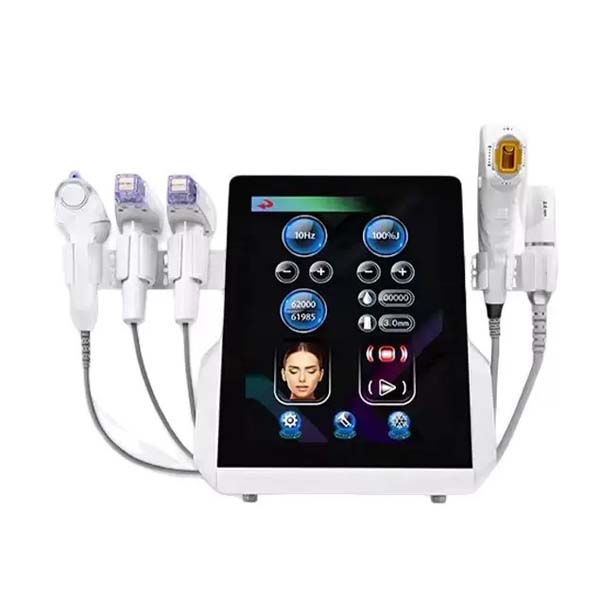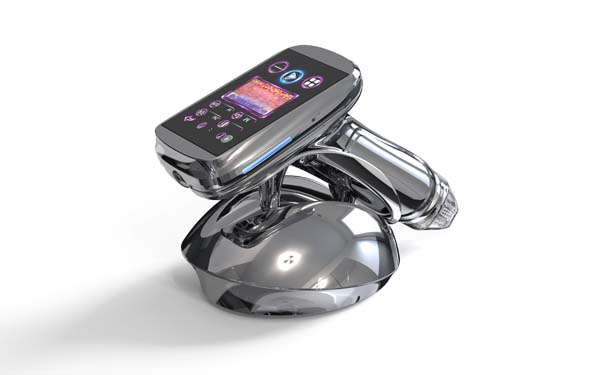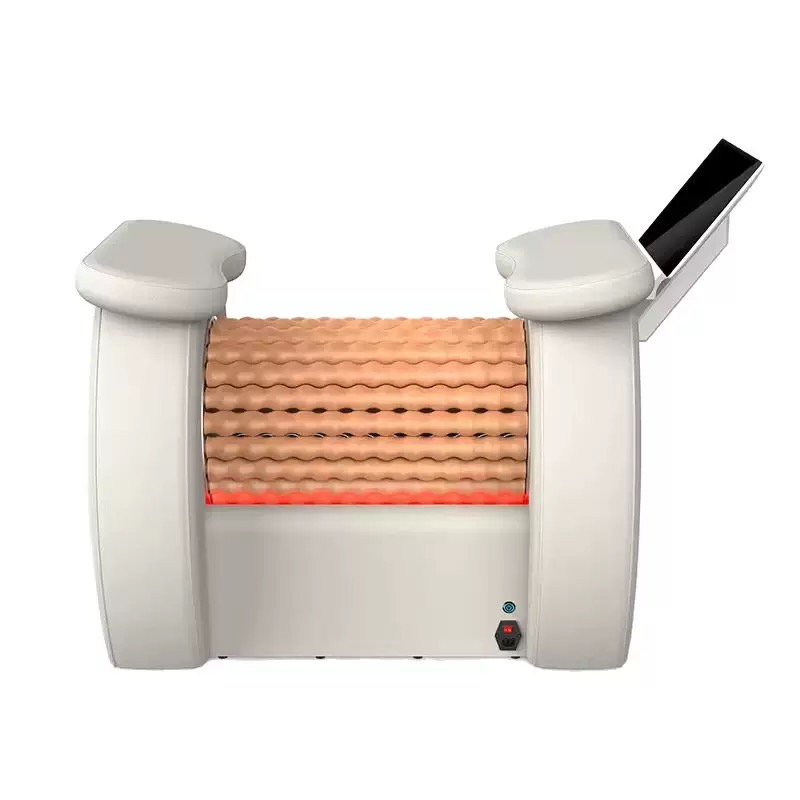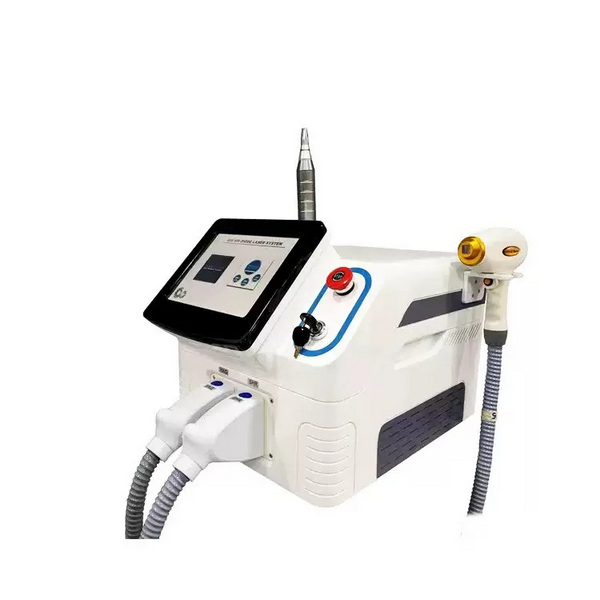
Skin tightening and lifting is the fastest-growing non-invasive category in aesthetics, and the HIFU machine is the device behind it. Focused ultrasound reaches the SMAS layer that facelift surgery works on — without a needle, without downtime, and with results that build over two to three months. For clinics and distributors it is one of the few devices that supports premium pricing with no per-session consumable.
This guide is the complete B2B reference on buying HIFU machines wholesale: how the technology works, every machine type explained (7D, 4D, mini, Ultherapy), how cartridges and shot counts drive your margin, realistic treatment economics, and a practical playbook for sourcing from China. Links throughout take you to our deep-dive articles on each topic.
What Is a HIFU Machine?
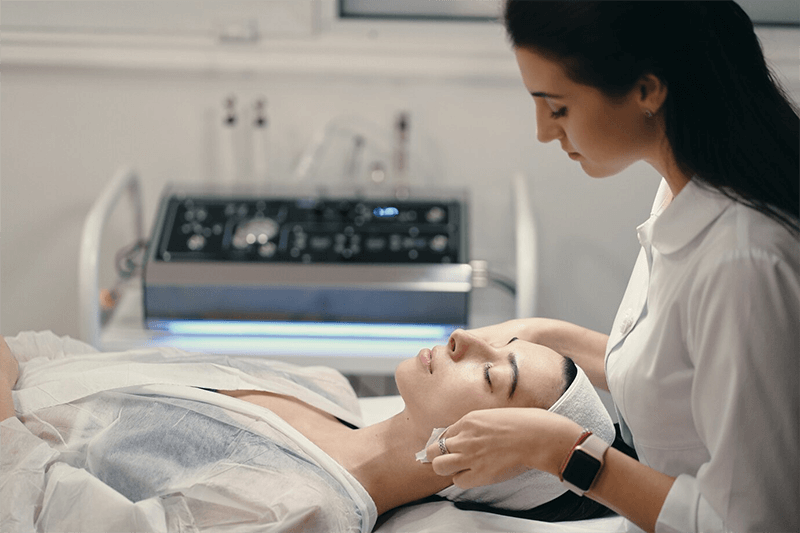
HIFU stands for high-intensity focused ultrasound. A handpiece emits ultrasound energy that converges at a precise depth below the skin surface, raising the temperature at that focal point to roughly 65–75°C for a fraction of a second. The result is a coagulation point: a tiny thermal injury in the target layer that triggers the body’s repair response and new collagen production, while the skin surface stays untouched. Our guide to how HIFU machines revolutionised non-invasive skin tightening explains the mechanism in plain language if this is new to your menu.
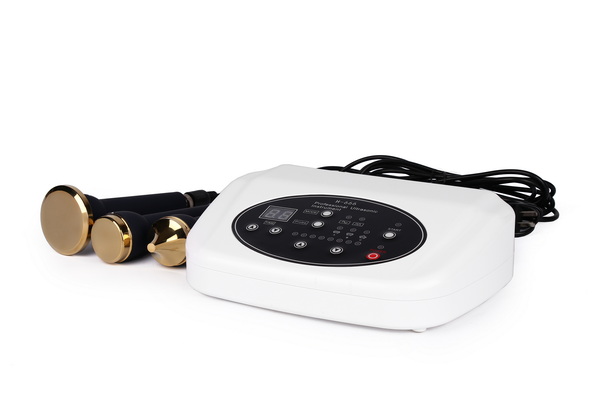
Two consequences matter commercially. First, because the energy is focused at depth rather than at the surface, HIFU is comfortable with no downtime — clients return to work the same day. Second, the treatment reaches layers that creams, lasers and RF cannot, which is why it can be sold as a lifting treatment rather than a maintenance treatment. This overview of ultrasonic anti-aging devices puts HIFU in context with the rest of the ultrasound family.
Why HIFU Sells: The Business Case for Clinics
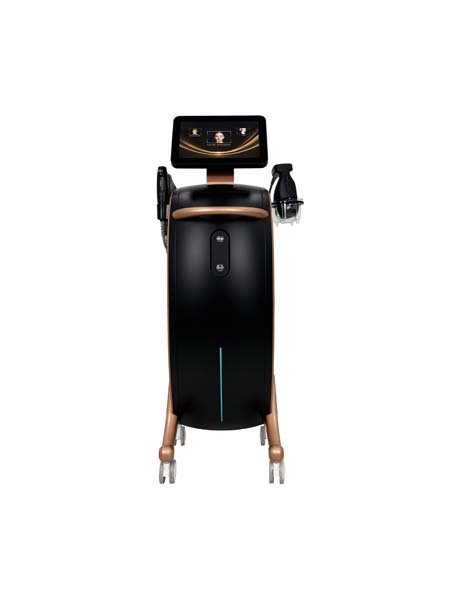
HIFU has three commercial properties that few other devices combine. It is high ticket: a full-face protocol is typically sold as a course of two to three sessions plus maintenance, at prices well above a facial. It is consumable-light: the machine does the work, and the only recurring cost is cartridge shot count. And it is versatile: the same platform treats face, neck, jawline, brow, décolletage and — with body cartridges — abdomen and flanks.
That combination means HIFU pairs naturally with what you already sell. It attaches to a facial menu as an upgrade step, to a body menu as a lifting add-on, and to a hair removal business as the anti-aging line. Skin tightening and fat reduction treatments are usually the next purchase after the first HIFU device, and the CoolLifting approach to facial treatments shows how clinics stack complementary technologies around one lifting platform.
HIFU Machine Types: 7D, 4D, Mini and Ultherapy
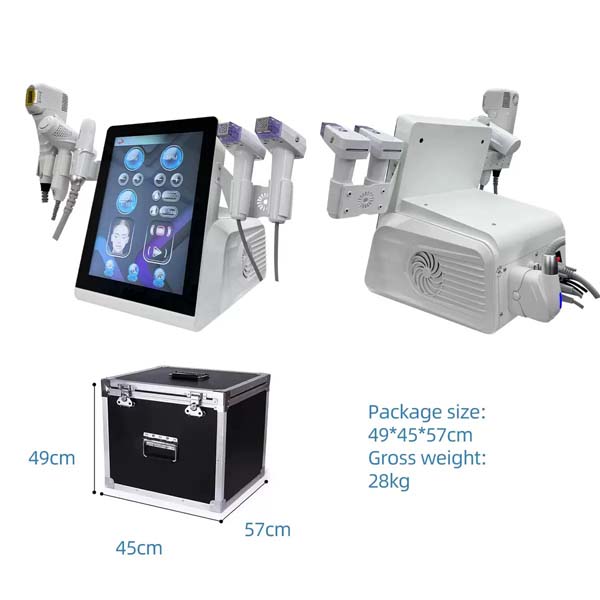
Every machine below is HIFU, but each targets a different market and price point. Knowing which one your buyers actually need is most of the sales conversation.
7D HIFU: The Multi-Depth Workhorse
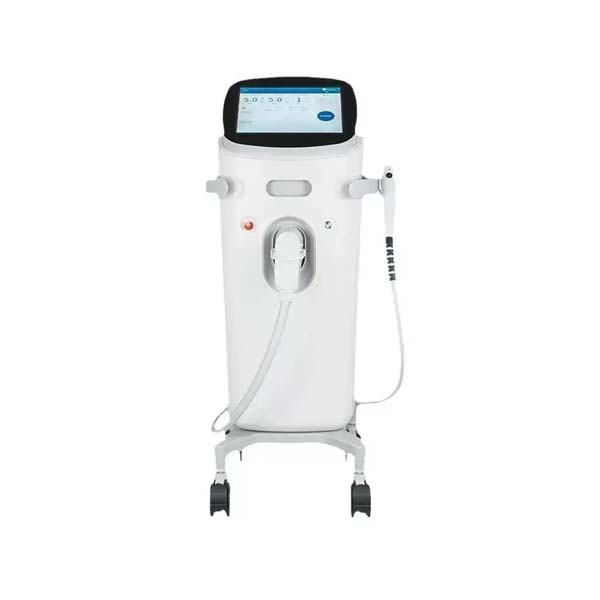
7D refers to a platform that offers a wider set of treatment depths and modes rather than one fixed cartridge pair — typically combining 1.5mm, 3.0mm and 4.5mm face depths with 6.0mm, 9.0mm and 13.0mm body cartridges, plus a line or ‘linear’ mode for brow and jawline lifting. In practice 7D means one device covers the whole body menu, which is what clinics upgrading from an older 3-cartridge unit are buying. Our guide to 7D focused ultrasound walks through the depths and what each one treats.
4D HIFU and Cartridge Systems
4D platforms focus on the facial lifting depths with a higher shot count per cartridge and a smoother, faster handpiece. They are the value option for clinics whose menu is face and neck only. The buying question is cartridge economics: how many shots per cartridge, what the replacement price is, and whether cartridges from the same factory will still be available in two years.
Mini HIFU and Portable Devices
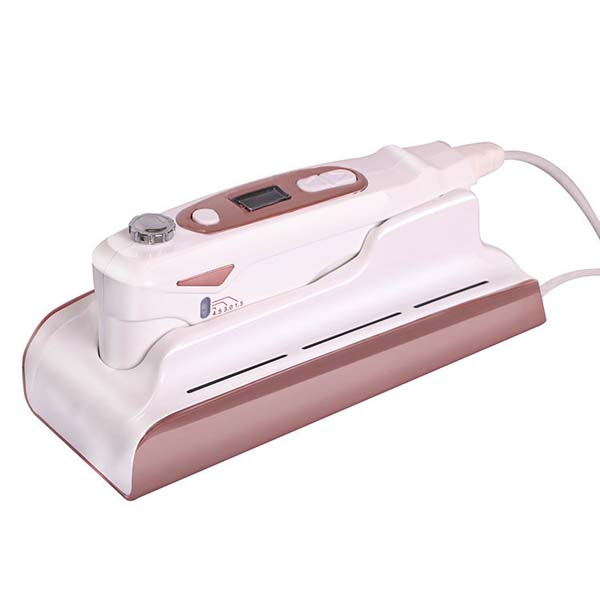
Compact and portable HIFU units trade depth range and shot capacity for a lower entry price, and they sell to small studios, mobile therapists and — at the very light end — home users. Our review of HIFU machines for home use is useful for understanding where a professional mini device ends and a consumer unit begins, and how to get real HIFU results on a minimal budget covers the value end of the market.
Ultherapy and Single-Focus Platforms
Ultherapy is the best-known branded microfocused ultrasound treatment, and it set the clinical expectations clients now bring to the consultation. How the Ultherapy machine stimulates deep collagen explains the branded protocol, and Ultherapy before-and-after business guide covers how clinics market the equivalent result with their own platform. Sonablate and other HIFU variants matter mainly for buyers working in medical or urological channels — the terminology overlaps, the devices are not interchangeable.
HIFU vs RF: Which to Stock First
This is the comparison your buyers will ask about most. HIFU treats deeper and lifts; RF treats the dermis and tightens, with more sessions and lower ticket prices. Our HIFU vs RF revenue comparison covers the numbers, and if RF is on your list too, see the RF machine wholesale guide for types, prices and buying criteria.
Cartridges, Shot Counts and Consumables
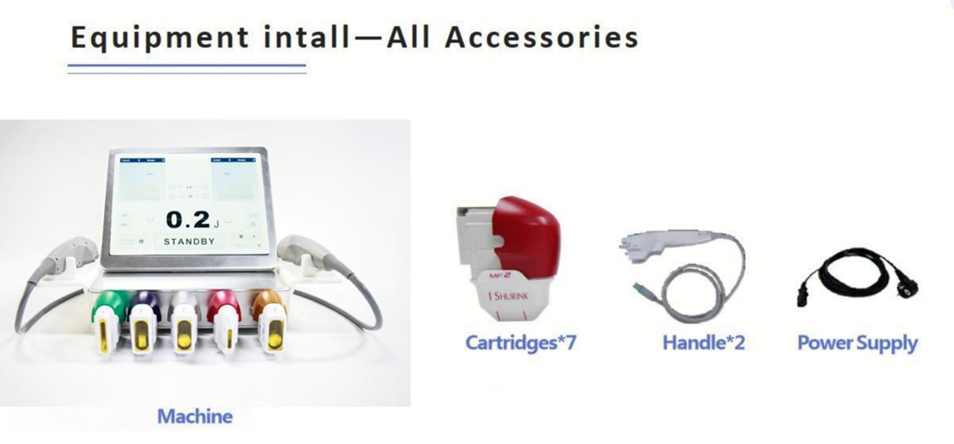
On most devices the machine is a one-time purchase and the cartridge is the business model. Each cartridge carries a rated shot count — a face-and-neck session consumes a few hundred shots, a full-face and jawline series more — and once the count is exhausted the cartridge is replaced. That makes shot count, not machine price, the number that decides your cost per treatment.
Two practical implications for buyers. Ask the supplier for the exact shot rating per cartridge and the fixed replacement price in writing, in the same quotation as the machine. Then calculate your cost per session from those two numbers and your own treatment pricing — if the margin does not survive that test, the machine is wrong regardless of how good it looks. Where HIFU results and protocols are heading is worth a read before you commit to a five-year equipment plan.
Treatment Pricing and Machine Payback
In the US and EU, a full-face HIFU session typically sells for $400–$1,200 depending on city, cartridge count and clinic positioning, with courses of two to three sessions plus annual maintenance. Body protocols price higher. Because there is no per-session consumable beyond cartridge wear, most of the session price is margin — which is why HIFU payback is usually measured in a handful of courses rather than a year of bookings.
The payback maths only works if the machine keeps running: cartridges that misfire, a handpiece that overheats, or a supplier who cannot ship replacements will cost you more than the price difference between two quotes. Titanium lifting machines and other non-invasive lifting platforms are worth comparing before you commit your lifting budget to one technology.
Choosing the Right HIFU Machine: 6-Point B2B Checklist
- Count the depths you actually need — 1.5/3.0/4.5mm for face and neck, plus body cartridges only if your market buys body treatments.
- Check the shot rating and cartridge price — calculate cost per session from real numbers, not brochure claims.
- Ask for measured energy output — request the focal energy and frequency specification, and a live demo showing cartridge readout and shot counter.
- Verify documentation — CE, RoHS and any country-specific registration paperwork, with report numbers you can check against the model you are buying.
- Confirm warranty and spare parts — machine body and handpiece usually carry different warranty terms, so get both in writing, along with the cartridge supply commitment.
- Order one machine and test it — run a full month of real treatments, including a cartridge change, before placing a volume order.
Logistics you should confirm in the same email: sample-unit lead time 2-3days, bulk or container lead time 15-20days, and the fixed price of a replacement cartridge around USD$10. Our guide to choosing an anti-aging skin therapy machine applies the same checklist to the wider category.
Buying HIFU Machines Wholesale from China
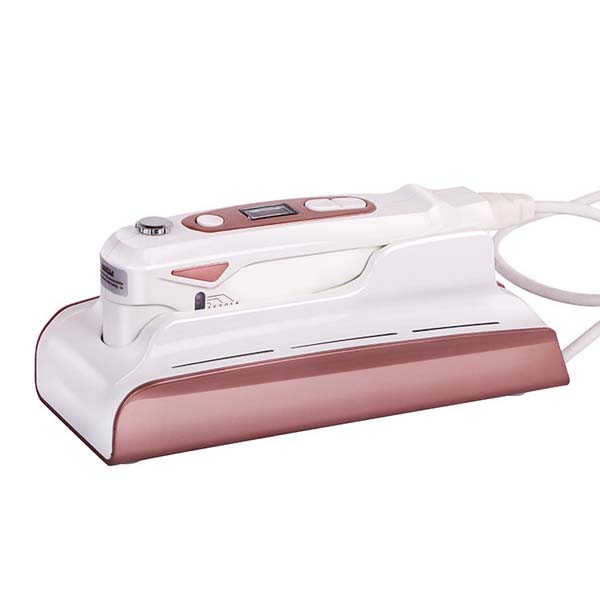
China builds the large majority of the world’s professional HIFU platforms, and factory-direct purchasing is where your margin lives. The full sourcing playbook — vetting manufacturers, OEM branding, QC and shipping — is in our complete beauty machine wholesale & OEM guide, with category-level advice in the professional aesthetic equipment wholesale guide and the branding process in detail in the OEM/ODM customisation guide. Browse current models in the facial beauty machine category and the ultrasonic beauty machine category.
Three HIFU-specific buying tips. First, insist on a live video demo of a real treatment with the shot counter visible — it proves the cartridge is new and the energy is real. Second, buy cartridges with the machine, not later: pricing is always better on the first order and you control the supply line from day one. Third, if you plan private label, confirm logo, housing colour, screen artwork and manual language in writing before the deposit.
On our side, every unit goes through 48 hours of continuous aging, check carefully for each tube before packing, each serial number ships with user manual, and the mainboard is covered for 12months, parts not included.
Where HIFU Fits in Your Full Equipment Plan
HIFU anchors the lifting line, but most successful clinics pair it with a skin line and a hair removal line. See the RF machine wholesale guide for the collagen-remodelling side, our diode laser hair removal wholesale guide for the volume revenue, and how HIFU technology also serves non-surgical body contouring. The master wholesale guide shows how to plan the full menu and negotiate a bundled container order.
Frequently Asked Questions
How much does a HIFU machine cost wholesale?
Wholesale prices depend on the number of cartridges, the number of treatment depths, the platform’s shot capacity and the software. Portable mini HIFU units sit at the entry point, while professional 7D and 4D platforms with multiple cartridges cost more. OEM branding adds a modest amount per unit. Always request a quotation for your exact configuration — cartridge count changes the total far more than the machine price itself.
How many treatment depths does a HIFU machine need?
Depths determine which areas and concerns you can treat. 1.5mm works on the epidermis and upper dermis for fine lines and pore refinement; 3.0mm targets the dermis for collagen remodelling; 4.5mm reaches the SMAS layer for true lifting; 6.0mm and 9.0mm (or 13.0mm on body cartridges) address deeper fat and body contouring. A three-cartridge setup (1.5/3.0/4.5mm) is the usual starting point, and a 7D platform simply gives you more depths and more treatment options from one handpiece.
HIFU or RF — which should a clinic stock first?
They solve different problems. HIFU delivers focused ultrasound to the SMAS and deeper layers, so it is the lifting device — results build over 2–3 months and hold for months. RF works on collagen in the dermis and is more about texture, tightening and comfort during the session, with a shorter result cycle. Many clinics sell them as a combined protocol. Our comparison of HIFU vs RF technology covers the revenue side of that decision.
Is HIFU safe, and what should operators be trained on?
HIFU is non-invasive and needle-free, so there is no downtime and no wound care. The operator’s job is depth mapping: choosing the right cartridge for the area, avoiding bony prominences and superficial nerve paths, and controlling overlap so energy is not stacked. Standard practice is one trained operator per device, a written protocol for each face zone, and a patch test or small-area trial for first-time clients.
Which cartridges and spare parts should I order with my first HIFU machine?
Cartridges are the consumable — they carry a rated shot count, so order enough to cover your expected treatment volume for the first months, plus ten to twenty per cent spare. Also confirm the cartridge price is fixed and orderable later, ask whether the handpiece is serviceable, and keep at least one spare handpiece or cable at the clinic so a single failure does not stop your booking calendar.
Can I put my own brand on wholesale HIFU machines (OEM)?
Yes. China-based manufacturers routinely offer logo printing, housing colours, startup screens, software language, packaging and manuals on HIFU machines. Confirm the OEM scope, sample lead time, cartridge supply terms and after-sales route in writing before production starts, and check that the certificate documentation matches the model you are branding.
The question first-time buyers ask us most is “Can we send a trial first?” — our answer: yes, no problem. We support a sample order first, so you can test the machine before committing to volume.
Ready to compare machines? Browse the facial beauty machine category or start from the complete wholesale guide to structure your first order.