As a medical spa owner, aesthetic clinic director, or beauty equipment distributor, investing in the right non-invasive skin tightening technology is one of the most critical decisions for your business. The global demand for non-surgical face lifts and skin rejuvenation continues to skyrocket. Among the myriad of devices available on the market, two technologies stand out as the undisputed leaders in non-invasive anti-aging: High-Intensity Focused Ultrasound (HIFU) and Radio Frequency (RF).
While both technologies deliver exceptional clinical results for tissue tightening and wrinkles, they operate on completely different scientific principles, target different skin layers, and yield different business models.
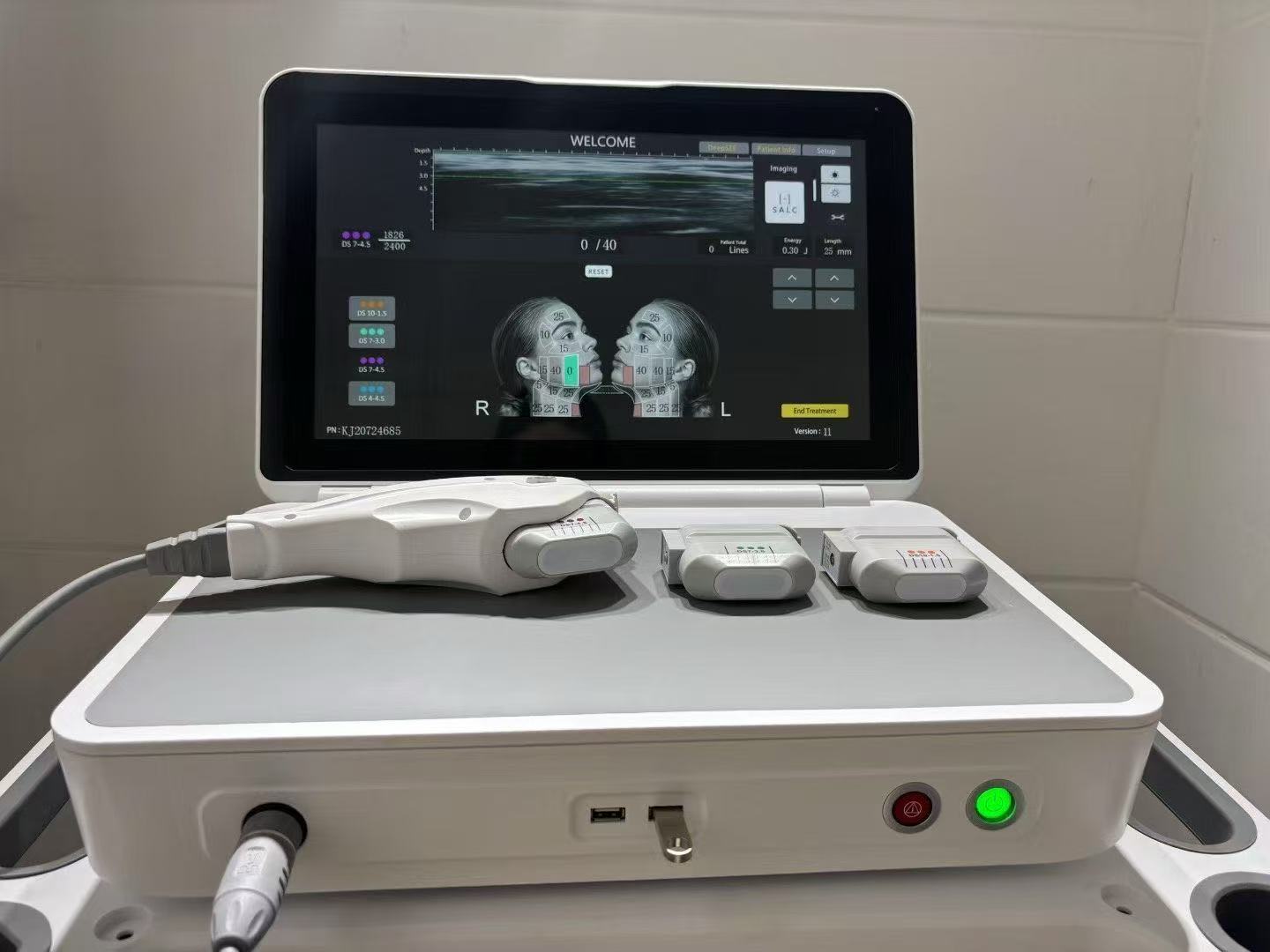
This comprehensive guide will break down the technical differences between professional HIFU systems and commercial RF devices, helping you determine which machine—or combination of both—will maximize your salon’s return on investment (ROI).
HIFU and RF each open different revenue streams for a spa — to plan the investment across both, our beauty machine wholesale and OEM guide compares wholesale costs, training support, and private-label options.
Whichever technology wins for your treatment menu, the purchasing side matters too. Our RF vs HIFU machine buying decision guide covers wholesale pricing and supplier verification.
The Science and Depth: How Do HIFU and RF Work?
To explain the benefits to your clients and train your spa therapists effectively, it is essential to understand the underlying physics and biological mechanisms of both professional aesthetic systems.
HIFU: Deep-Layer Precision and Targeted Thermal Lifting
High-Intensity Focused Ultrasound (HIFU) is often referred to as a non-surgical facelift. It works by emitting highly concentrated ultrasonic waves that pass harmlessly through the upper layers of the skin, focusing precisely at specific depths.
The breakthrough of professional HIFU systems lies in their ability to reach the SMAS (Superficial Muscular Aponeurotic System) layer, located roughly 4.5mm beneath the skin surface. The SMAS layer is the exact muscle sheath that plastic surgeons tighten during a traditional surgical facelift.
When the ultrasound energy reaches the focal point, it generates rapid thermal coagulation zones (heating the tissue to approximately 60°C to 70°C). This localized heat triggers an immediate contraction of the SMAS layer and initiates a powerful, months-long wound-healing response that produces massive amounts of new, structured collagen.
Radio Frequency (RF): Volumetric Sub-Dermal Heating
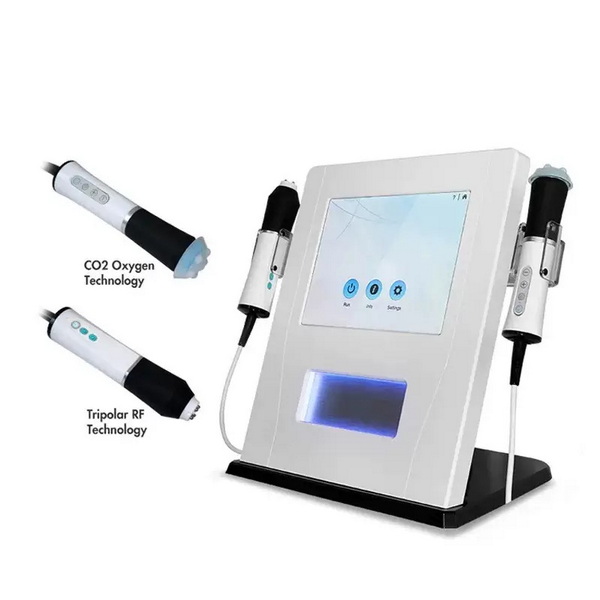
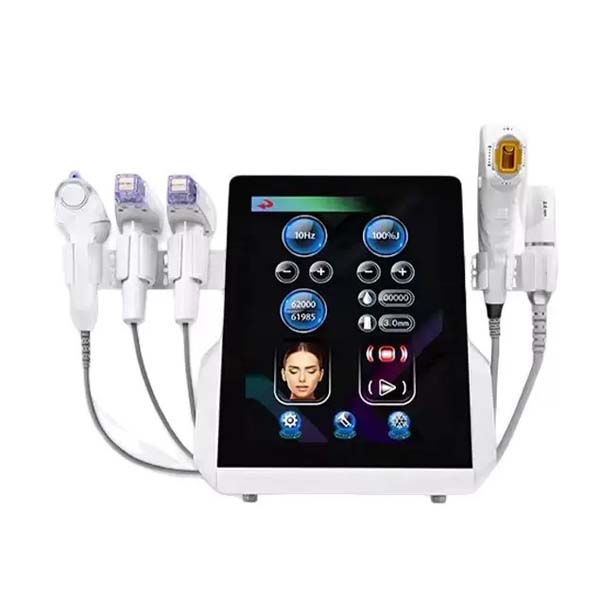
Unlike ultrasound waves, Radio Frequency (RF) uses low-frequency electromagnetic currents to generate heat. When the RF electrical current flows into the skin, it encounters resistance from the biological tissue (impedance). This resistance naturally converts the electrical energy into thermal energy.
Commercial RF skin tightening devices typically heat the skin volumetrically rather than focusing on a single dot. The energy targets the epidermis and upper-to-mid dermis (depths ranging from 1.5mm to 3.0mm). By maintaining a controlled temperature of 40°C to 45°C in the dermis, RF causes the existing triple-helix collagen fibers to instantly shrink and thicken. Simultaneously, it stimulates fibroblasts to synthesize fresh collagen and elastin over subsequent weeks, leading to smoother, plumper, and firmer skin.
Clinical Application: Sagging Skin vs. Skin Laxity
When consulting for a professional aesthetic treatment, the choice between ultrasound and electromagnetic modalities depends entirely on the primary anatomical concerns of the patient.
HIFU Sub-Dermal Lifting for Structural Sagging
HIFU is the ultimate weapon against gravity-induced structural sagging. Because it targets the deep foundational layers of the face, it is highly effective for heavy lifting and facial contouring.
A professional ultrasound lifting system is ideal for treating:
-
Blurred or sagging jawlines (jowls)
-
Double chins caused by loose tissue
-
Deep nasolabial folds and drooping cheeks
-
Severe eyebrow drooping
Because of the high thermal energy delivered to deep tissues, a single treatment is highly potent. Clients typically see an immediate contraction, with the peak lifting results appearing 2 to 3 months post-treatment as new collagen matures.
RF Skin Rejuvenation for Superficial Wrinkles and Laxity
While HIFU reshapes the facial structure from the inside out, RF tightens the “skin envelope” from the top down. It is the premier technology for addressing skin laxity, fine lines, and texture irregularities.
A professional RF device excels at treating:
-
Fine lines around the eyes (crow’s feet) and forehead wrinkles
-
Superficial skin sagging on the neck and décolletage
-
Enlarged pores and dull, uneven skin texture
-
Post-pregnancy or post-weight-loss mild body skin laxity
RF treatments are incredibly gentle and require zero downtime. The skin appears immediately radiant and plump due to localized mild edema and collagen contraction, making it a highly satisfying “red-carpet ready” treatment.
The B2B Comparison: Choosing the Best Investment for Your Aesthetic Business
From a commercial perspective, analyzing a beauty machine goes beyond clinical efficacy; you must evaluate its business model, recurring costs, and client acquisition retention.
HIFU Revenue Model: High-Ticket, Premium Tier Services
Professional HIFU machines allow your aesthetic clinic to position itself in the premium, luxury tier of anti-aging treatments. Because the results are long-lasting (often maintaining for 12 to 18 months), spas can charge premium prices for a single, comprehensive full-face treatment.
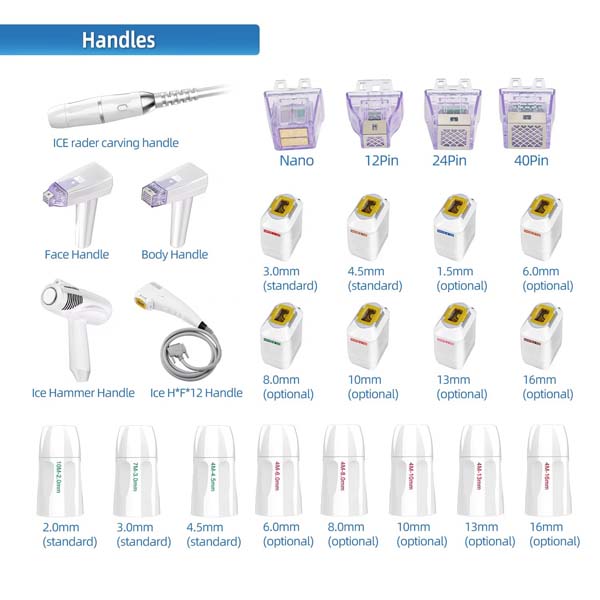
However, as a wholesale buyer or distributor, you must consider the consumables system. HIFU machines utilize transducer cartridges that hold a fixed number of lines or “shots.” Once those lines are exhausted, the cartridge must be replaced.
When partnering with a trusted B2B manufacturer, look for equipment that offers high shot-capacity cartridges with reliable transducer stability. The ongoing purchase of replacement cartridges represents a continuous B2B relationship, but the high ticket price per clinical procedure easily absorbs these operational costs.
RF Revenue Model: High-Volume, High-Retention Continuity Packages
A commercial RF skin tightening device operates on an entirely different financial logic: membership retention and steady cash flow. Because RF requires a series of treatments (typically 4 to 6 sessions spaced a week apart, followed by monthly maintenance), it guarantees that clients keep returning to your spa.
Furthermore, RF machines have almost zero consumable costs. The only continuous expense is a conductive ultrasound gel or glycerin oil. Because the treatment is completely pain-free and feels like a warm, soothing massage, client compliance is incredibly high. Spas heavily rely on RF devices for baseline membership packages, seasonal promotional packages, and introductory cross-selling funnels.
Synergistic Packages: Why a Combination Approach Beats a Single Machine
To truly maximize your salon’s profitability and deliver unparalleled results, you should not view HIFU and RF as competitors. In fact, advanced aesthetic clinics frequently combine them into custom, multi-layered anti-aging protocols.
The Layered Treatment Strategy
By combining both technologies, you treat all dimensions of facial aging:
-
Month 1 (The Foundation): Run a deep-tissue lifting session utilizing a professional HIFU system to lock in the SMAS layer and re-sculpt the jawline and neck profile.
-
Month 3 onwards (The Maintenance and Polish): Introduce monthly RF skin tightening sessions. This volumetric heating works on the dermal layers, smoothing out fine lines, tightening the surface envelope, and boosting overall skin radiance.
Offering a bundled package that utilizes both modalities increases your average order value (AOV) per client, fills your spa appointment books, and gives your clinic a massive competitive advantage over salons that only offer one technology.
Sourcing From a Reliable B2B Beauty Equipment Manufacturer
When searching for a global B2B supplier for your beauty equipment, choosing a partner that understands international regulatory compliance and robust product engineering is paramount.
What to Look for in a Wholesale Manufacturing Partner
To protect your business reputation and ensure steady revenue, evaluate your wholesale manufacturer on the following metrics:
-
Engineering and Shell Customization: Professional salon furniture and advanced aesthetic systems must withstand heavy commercial use. Ensure your supplier uses industrial-grade internal components and durable, elegant outer casings.
-
Clear Technical Specifications: A reliable manufacturer provides transparent energy output ratings, accurate transducer depths, and comprehensive safety mechanisms (such as cooling systems and contact-sensors).
-
Comprehensive Post-Sale Technical Support: From providing detailed user manuals and video training protocols to supplying authentic replacement parts and cartridges, your manufacturer must be an active collaborator in your business growth.
By listing clear, non-trademarked technical specifications on your commercial inquiry sheets and purchasing versatile, high-tier equipment, you can build a highly profitable aesthetic business that safely delivers youth and confidence to clients worldwide.