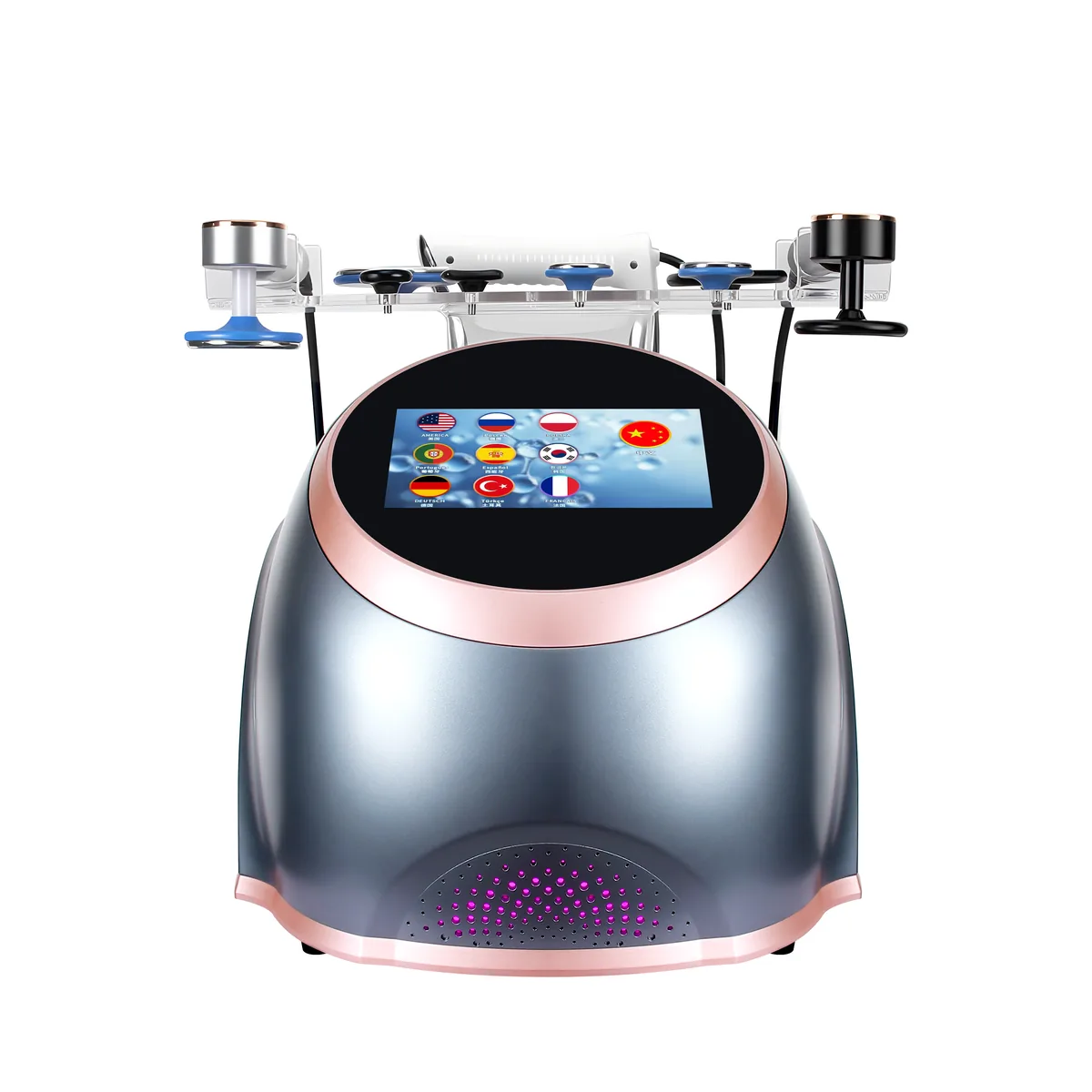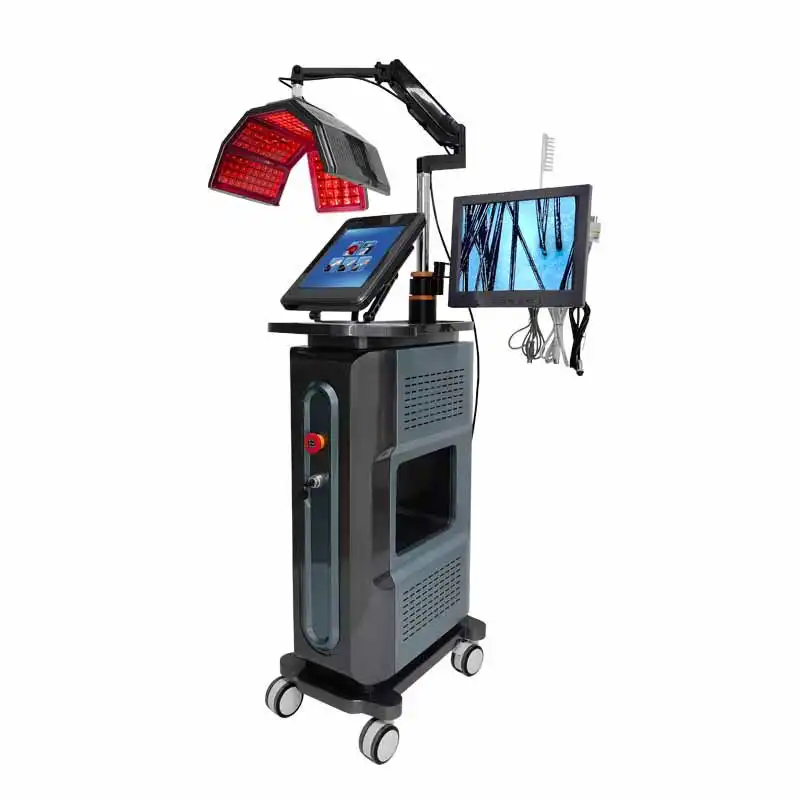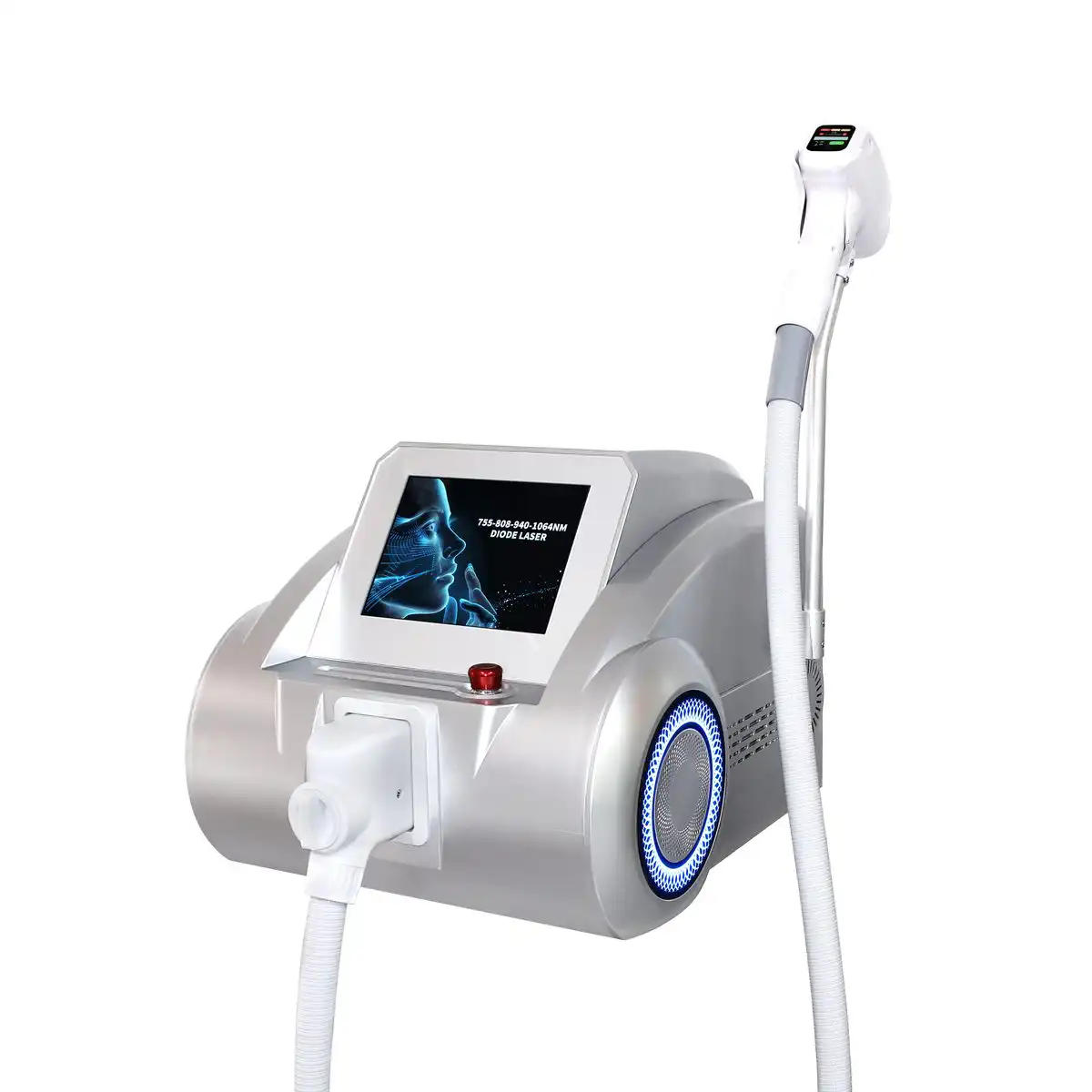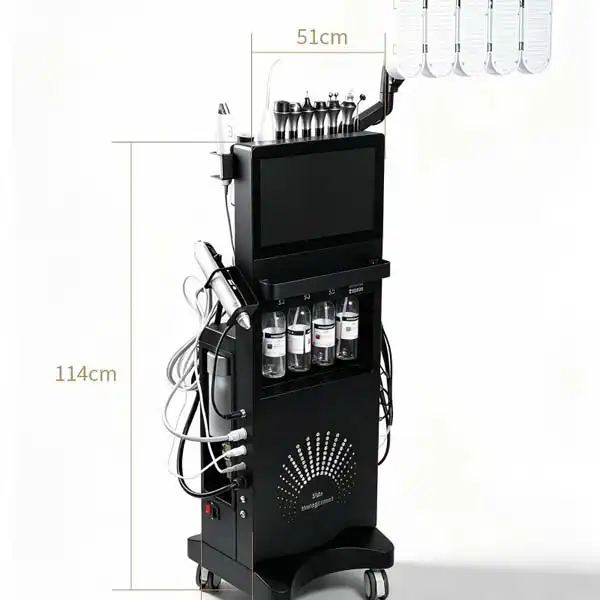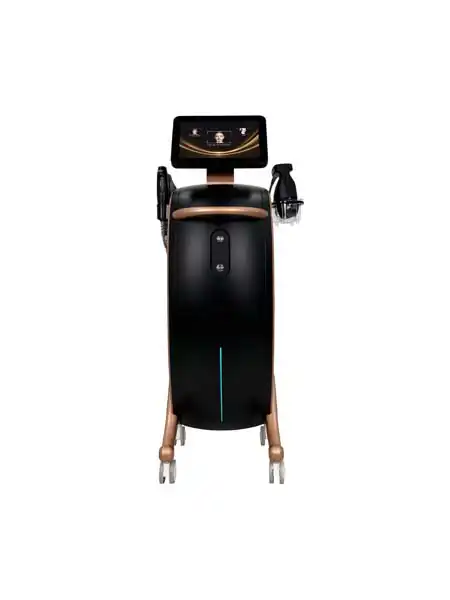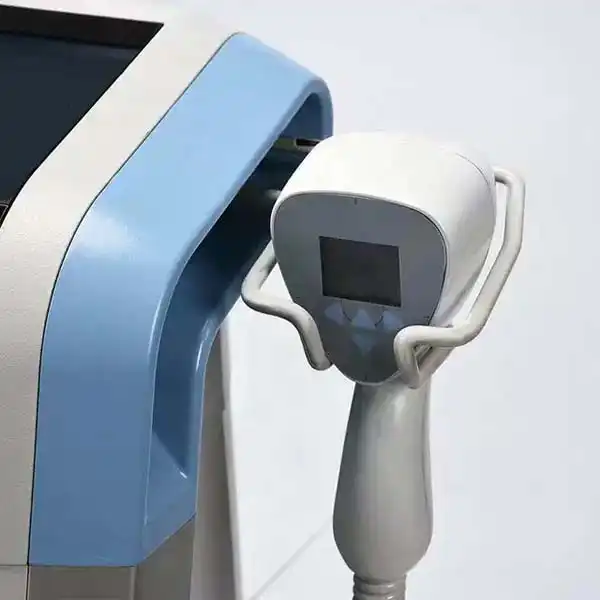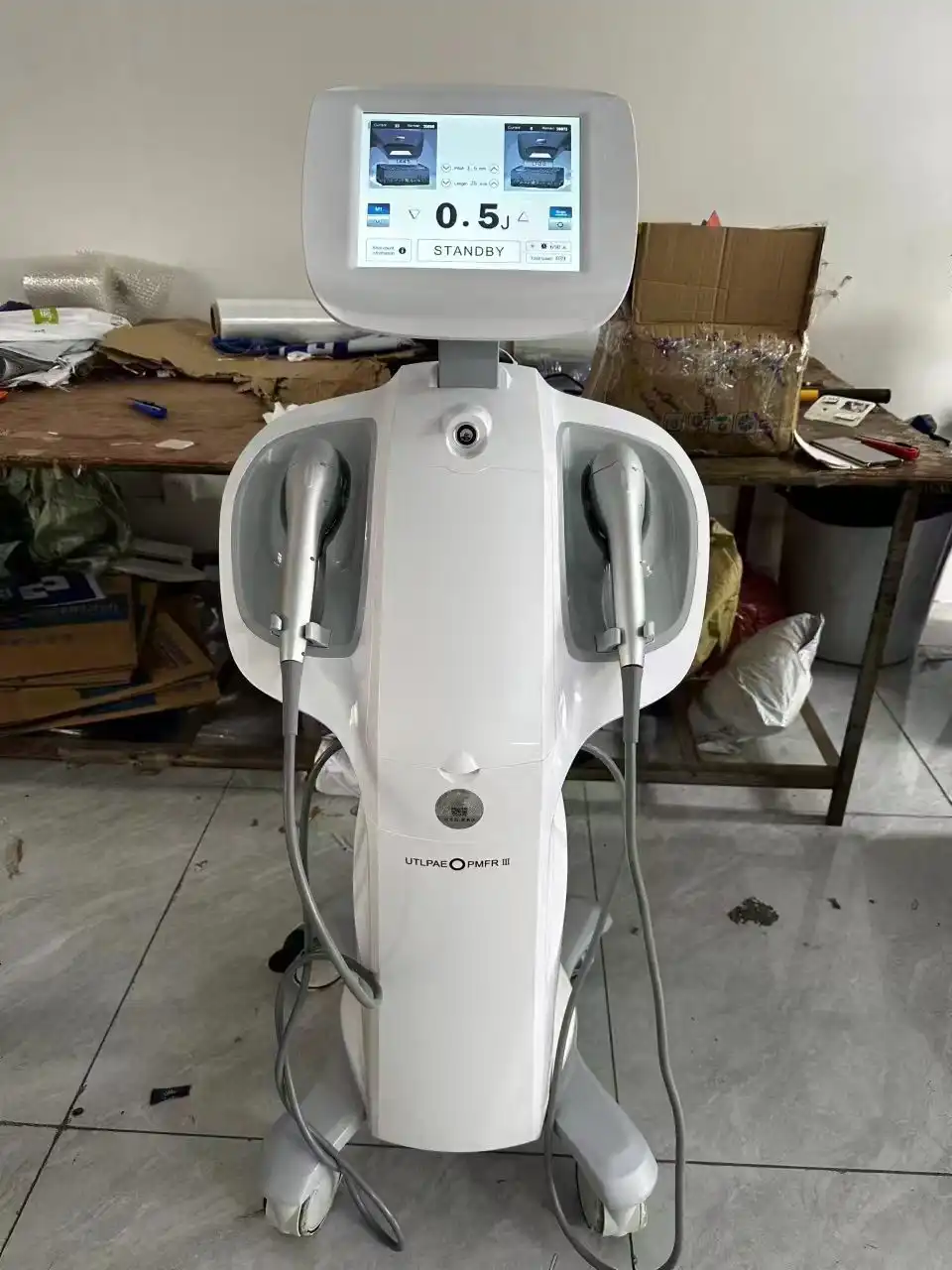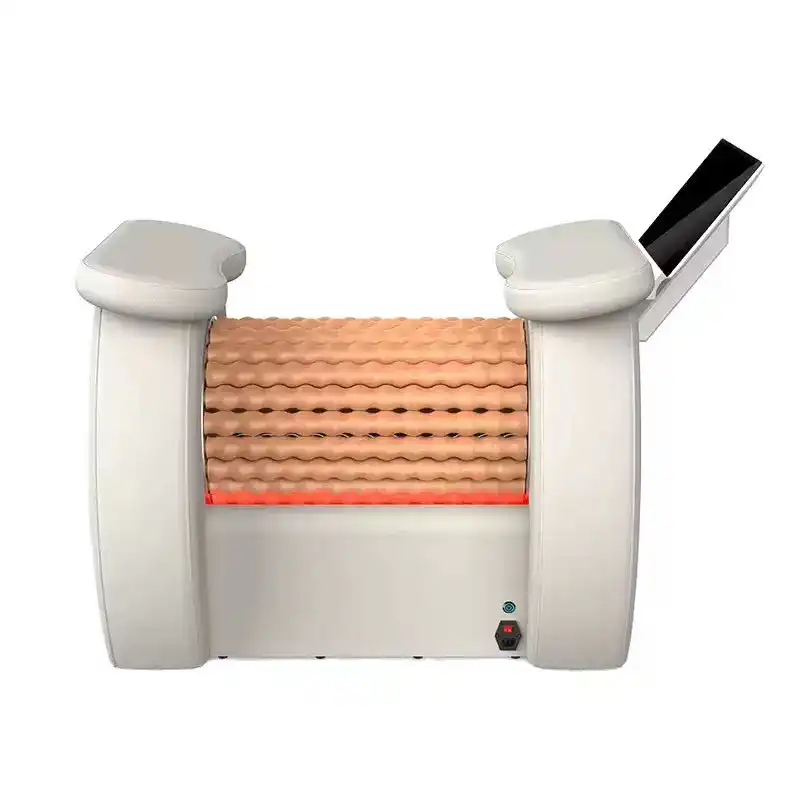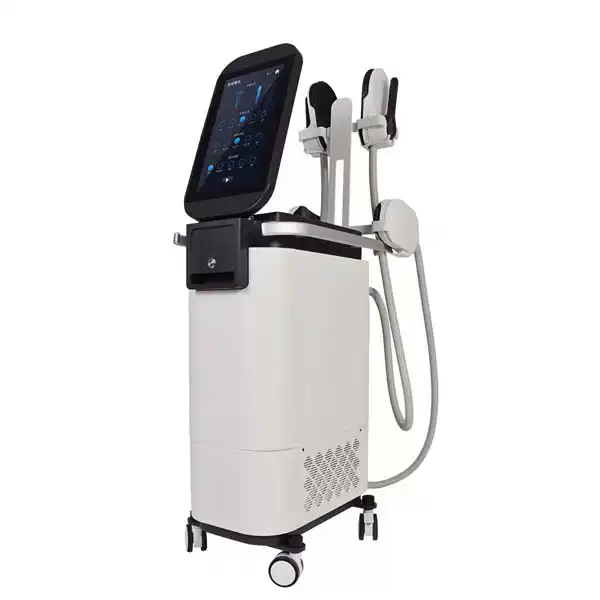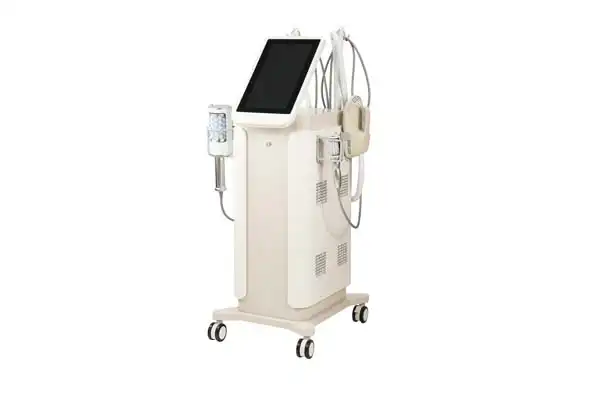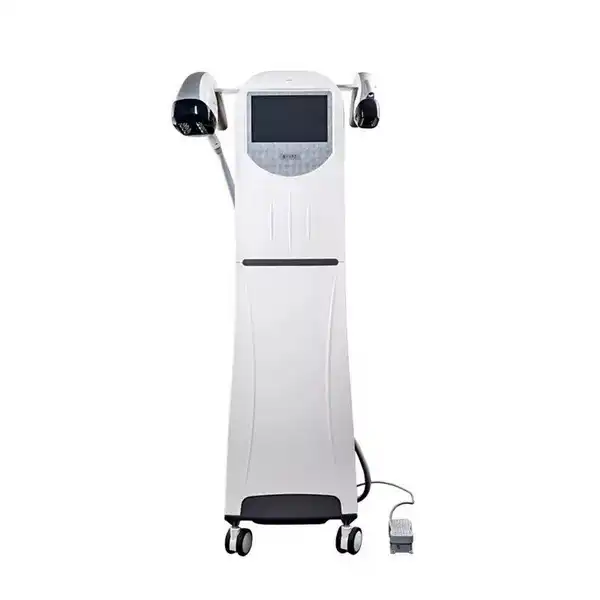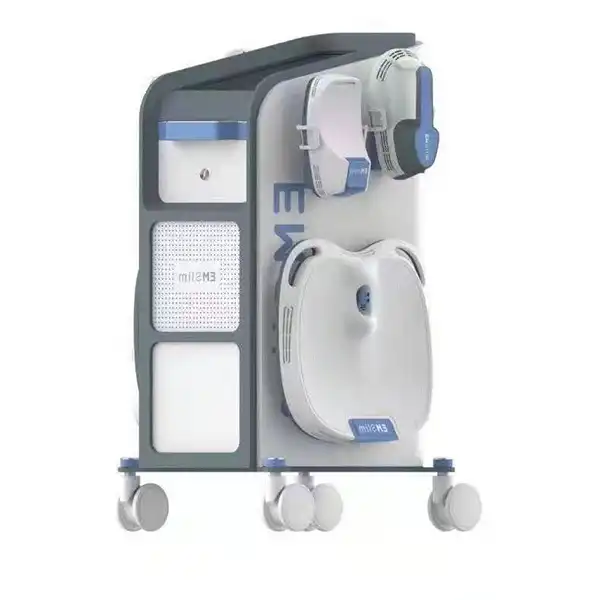
“Body sculpting machine” is a marketing phrase covering at least five different technologies, each acting on a different layer of tissue. Buyers who compare them by price alone end up with a machine that does not match the treatments their clients ask for — or with two machines that do almost the same thing. Here is the comparison we run with our own customers.
Why One Phrase Covers Five Machines
Fat sits under the skin; muscle sits under the fat; skin sits on top. A technology targets one of those layers, and that single fact determines what you can promise, how many sessions are needed, and what the machine costs to build.
1. Cryolipolysis (Fat Freezing) — Fat Volume
Applicators cool a fold of tissue to the point where fat cells are damaged and cleared naturally. Best for pinchable fat on the abdomen, flanks, thighs, arms and under the chin. Sessions are spaced several weeks apart so the body can clear the fat. Clients experience little to no downtime.
Consider it when: your clients point at a specific area and want it reduced. Not when they want “slimming” everywhere or a fast result.
2. HIFU / Liposonix-Type Focused Ultrasound — Deeper Fat and Tightening
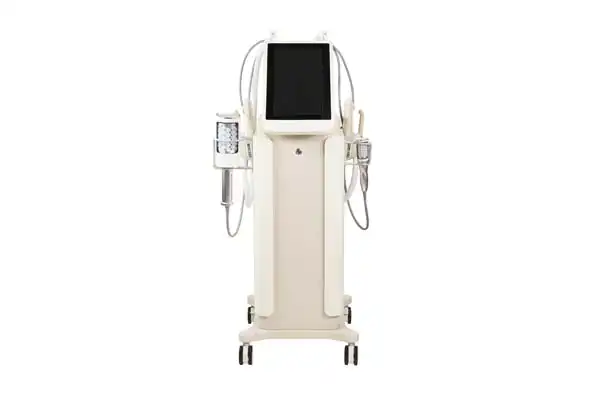
Focused ultrasound reaches deeper tissue and is used both for non-surgical fat reduction on the body and for lifting on the face. It appeals to clients who want measurable change without surgery and are willing to pay for a professional treatment. Machine choice matters more here than in any other category, because cartridge count and energy control decide how much of the range you can offer. See our HIFU machine wholesale guide for the different HIFU types.
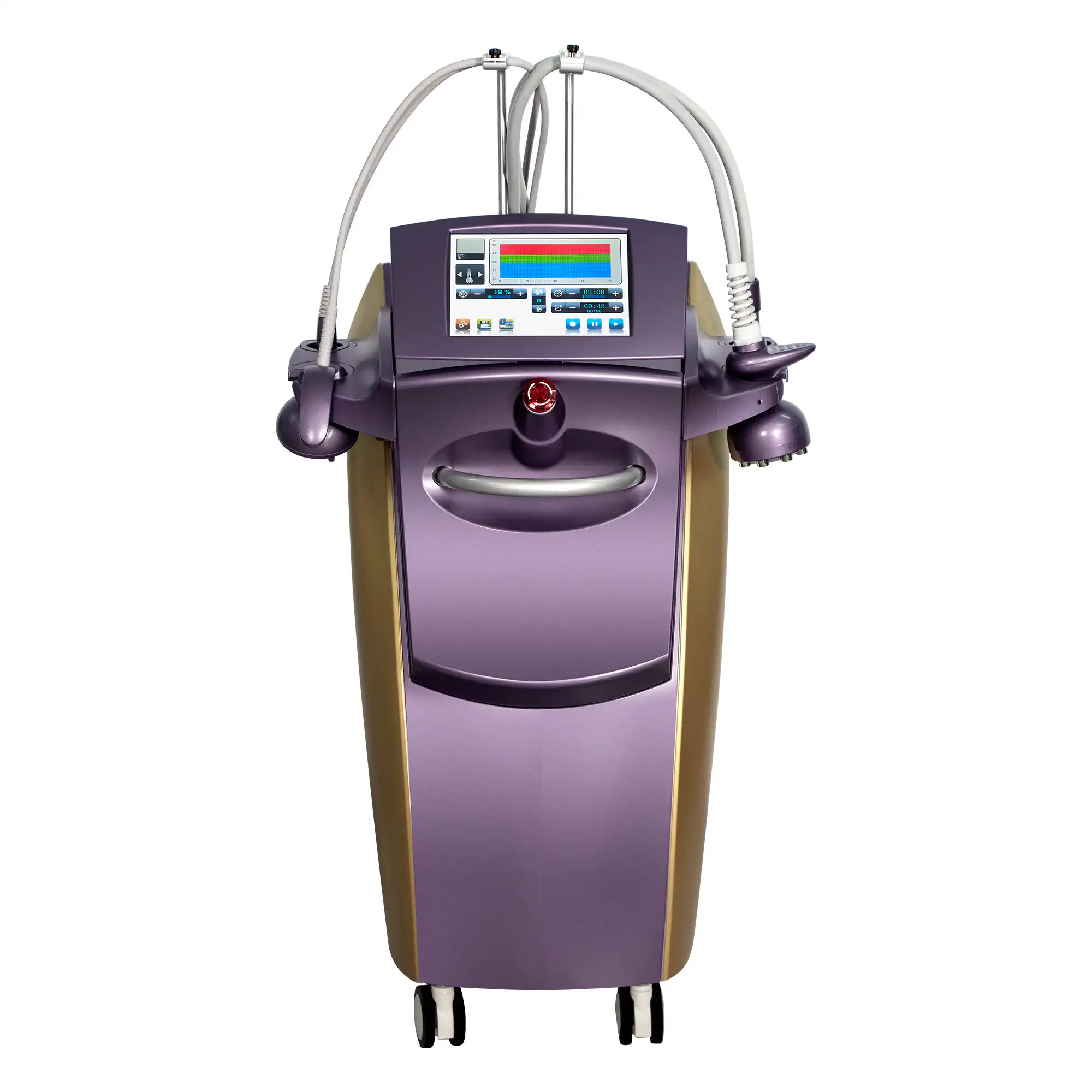
3. RF with Vacuum and Rollers — Tightness and Texture
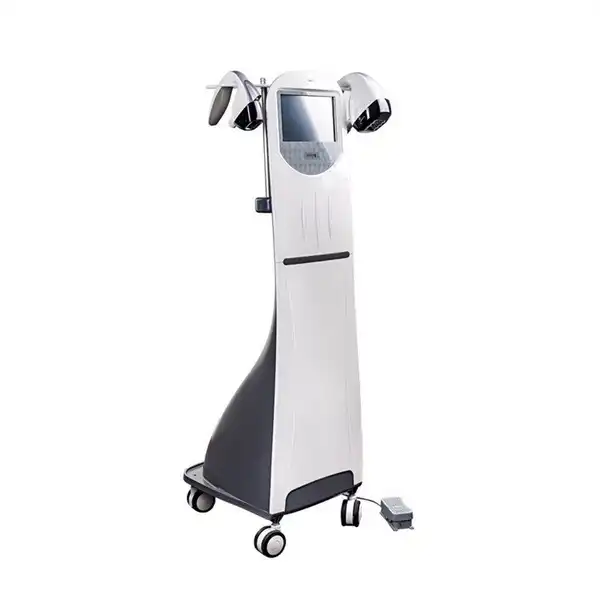
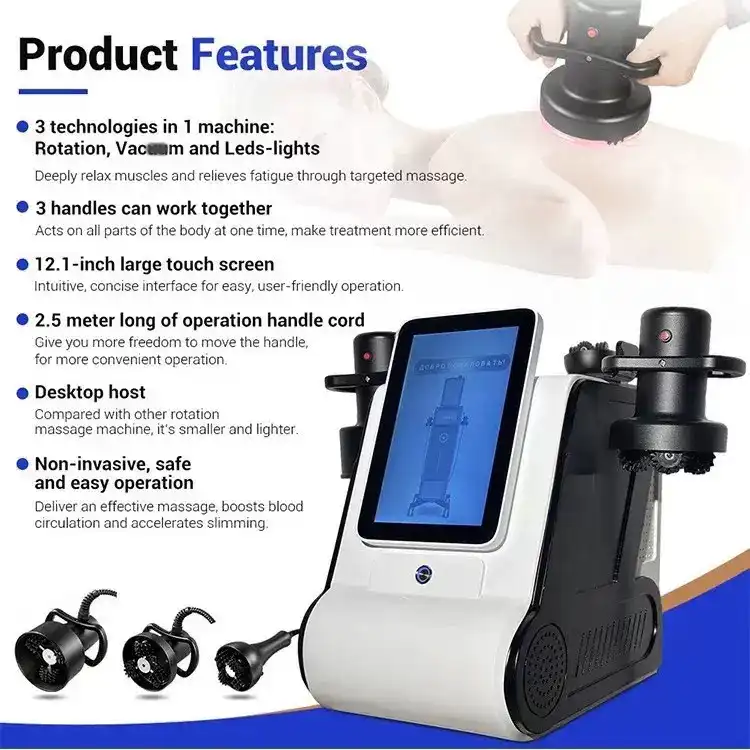
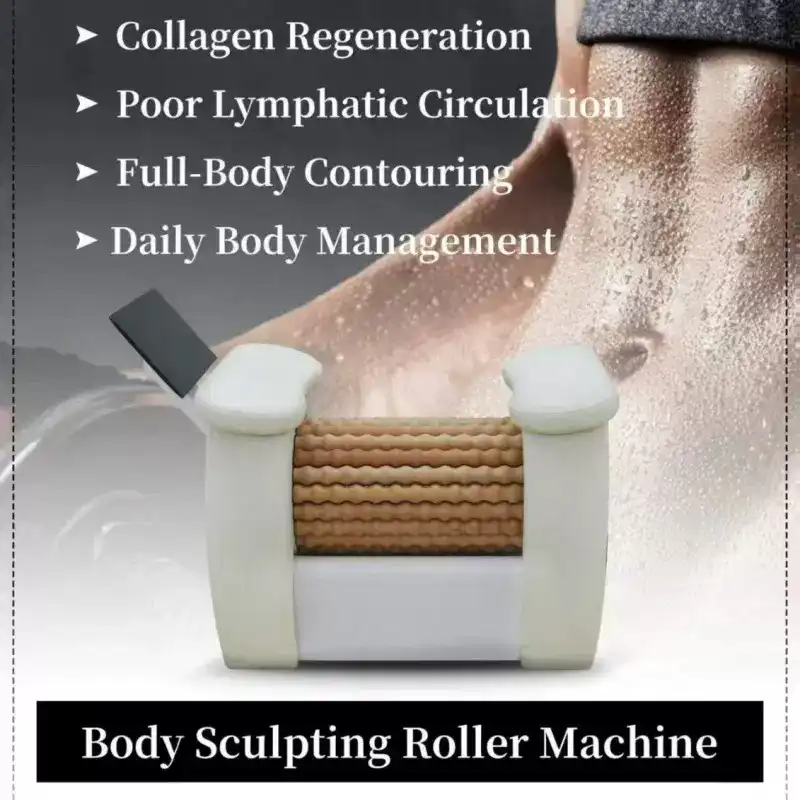
Radiofrequency heats tissue to stimulate collagen, and the vacuum-and-roller motion adds mechanical stimulation and lymphatic drainage. Best results show on skin laxity, cellulite appearance and post-partum abdomen. It is the most “session-based” of the five: clients usually buy a course of six to ten treatments per area.
See RF machine wholesale for the difference between mono, bipolar and multi-polar systems and what each is suited to.
4. EMS / HIFEM — Muscle
Electromagnetic stimulation forces supramaximal muscle contractions. It builds and tones muscle rather than removing fat — which is why it is often sold alongside a fat reduction treatment rather than instead of one. Its marketing strength is that clients can see and feel it happening, which makes it easy to sell after one demonstration.
5. 40K Cavitation — Entry-Level Softening
Low-frequency ultrasound is the classic entry point: low machine cost, easy to explain, frequently included in multi-function packages. Results are gentler and more gradual than fat freezing, and the category is very crowded, so the machine’s build quality and your protocol are the only real differentiators.
Client Demand Signals: How to Test Before You Buy
You do not need a machine to test demand. You need three weeks and a price list.
- Ask your existing clients. A short message listing four treatments — fat reduction, muscle, skin tightening, cellulite — with prices and the question “which would you book?” tells you more than any market report.
- Count the requests you already turn away. If clients ask for a service you cannot offer, that is demand with a timestamp on it.
- Check what local competitors advertise, and at what price. If everyone sells cavitation, the margin is already gone.
- Test a partner arrangement. Rent a session block at another clinic and see whether the treatment converts into a booked course.
Buy the technology your clients already ask for, not the one with the best brochure.
The Comparison Table
| Technology | Target | Sessions | Downtime | Consumables | Client appeal |
|---|---|---|---|---|---|
| Cryolipolysis | Localised fat | 2–4 per area | None | Applicators, membranes | Strong: one area, one price |
| HIFU (body/face) | Deep fat, lifting | 1–3 | Minimal | Cartridges | Strong: visible lift |
| RF + vacuum | Skin, cellulite | 6–10 per area | None | Gel, membranes | Steady: repeat visits |
| EMS / HIFEM | Muscle | 4–8 | None | Pads, belts | Strong: feels immediate |
| Cavitation | Fat (gentle) | 6–12 | None | Gel | Entry-level, price driven |
Packaging Sessions Into a Programme
Single sessions do not pay for a machine; programmes do. The structure that works in most markets:
- Assessment first. A short consultation with photos and measurements, priced separately or credited against the course.
- Course of sessions. Four to ten sessions depending on the technology, with a fixed interval and a review point.
- Maintenance. One session every four to eight weeks after the course, priced lower but recurring.
- Combination. Pair a fat-reduction technology with a tightening or muscle technology so the programme covers more than one concern.
The packaging decides your revenue per client, and it also decides which machine you should buy: a technology that only works in a long course needs a client base willing to commit to one.
Demand patterns differ by market, based on what we see in our own orders rather than on a rule. Latin American buyers lean toward compact desktop units — lower landed cost and easier to fit into a small salon. Middle East buyers more often choose large vertical machines, and Southeast Asian buyers also tend toward the bigger platforms. Treat this as a starting point, not a law: the client base around your business decides more than the map does.
How to Choose for Your Market
- Salon with a facial clientele: start with RF plus vacuum — it fits the session rhythm you already run.
- Clinic with surgical competition: cryolipolysis and HIFU, sold as programmes with before-and-after records.
- New studio with a small budget: a multi-function platform covering cavitation, RF and vacuum lets you test demand before buying dedicated machines.
- Distributor building a catalogue: cover one machine per technology and compete on build quality and supply, not on price alone.
Can You Combine Technologies on One Platform?
Multi-function machines combine cavitation, RF, vacuum and sometimes EMS in one unit — useful for testing demand and for offering a “body programme” instead of one treatment. Dedicated machines usually produce stronger output per modality. Many of our customers start with a combined platform and add a dedicated machine once a specific treatment proves itself.
Which combinations we see working best in your type of market: We do not publish client feedback — most of our partners are distributors running their own local model — so the combination is planned with you instead: a combined platform first if you are still testing demand, then a dedicated fat-freezing or HIFU unit once one treatment is already selling. The mix follows your treatment menu and your floor space, not a fixed package.
What to Ask Every Supplier
- Real output figures for each modality, not the machine’s total rated power.
- Which parts wear out and what they cost to replace.
- Treatment protocol material — session time, spacing, and how results are recorded.
- The spare-part list and its availability over the next three to five years.
- Warranty scope, including what is excluded.
Warranty and spare-part terms on our machines: The main unit carries a 12-month warranty; accessories are generally not covered, and damage from improper use is not covered. Spare parts are supplied for the models we ship — ask for the parts list for your exact configuration so you can see what is stocked and what is made to order.
Floor Space, Power and Staffing: The Practical Filter
Before the price list, check whether the machine fits the room you have.
Space. A body platform with a bed needs a treatment room, not a corner. Measure the machine footprint with the handpiece cradle and the operator’s stool in place.
Power. Confirm voltage, phase and socket type for your market, and whether the unit needs a dedicated circuit. A machine wired for the wrong supply becomes a return shipment.
Staffing. Most body technologies need one operator per client. EMS and RF with vacuum can sometimes run while the operator prepares the next room, but do not plan a business model on it.
Cooling and ventilation. RF and plasma rooms get warm; check air movement before summer, not during it.
Write these four lines next to each quote. A machine that does not fit the room is not a bargain at any price.
Cost and Payback: The Simple Version
Dedicated technologies cost more per machine than a combined platform, but each sells as a distinct programme with its own price. Work out the payback per machine, not for the whole catalogue: how many courses of that treatment do you need to sell each month, and does your current client list support that number? If the honest answer is no, the cheaper combined platform is the better first purchase.
Working Directly with a Factory
Buying directly gives you configuration control — voltage, plug, language, brand, packaging — and direct spare-part supply. When you order multiple technologies from one factory, ask for a single consolidated quotation with per-machine warranty terms, and keep the comparison on one page. Our wholesale and OEM guide covers how to structure that order.
Mixed orders we handle and what usually ships together: If you are ordering more than one machine type, send the full list before the quotation: packing, the packing list and the customs documents are then prepared for the whole order instead of machine by machine, and the shipment is consolidated where the packing allows.
Two Machines or One Platform? A Cost Comparison Method
Compare on five lines, all per month:
- Capital — price spread over the depreciation period you plan to use.
- Consumables — per treatment, at your real volume, not the brochure’s.
- Staff time — minutes per session × your hourly cost.
- Utilisation — how many sessions per week each option can realistically fill.
- Upside — the services the machine unlocks that you cannot sell today.
A combined platform usually wins on capital and space; dedicated machines win on output per modality and on price per session. If your market pays for results rather than for equipment, the dedicated route usually pays back faster — provided the room and the diary can support it.
Setting Client Expectations Before the First Session
Most complaints about body treatments are not about the machine; they are about a promise the clinic made in the consultation.
- Describe the mechanism, not the outcome. Fat reduction reduces fat volume; muscle work builds muscle; tightening improves skin quality. Clients accept a mechanism, and they argue with an outcome.
- Show the measurement plan. Photos, tape measurements and the same lighting at every visit. A plan makes progress visible even when the mirror does not.
- State the course length up front. Sessions needed, interval, and what happens at the review point. Courses that stretch without a review feel like a sales trap.
- Name what the technology will not do. Weight loss, skin excision and medical conditions belong somewhere else. Saying so early builds the trust that makes the course sell.
A written expectation sheet, signed at the consultation, is the cheapest complaint-prevention tool in the clinic.
Frequently Asked Questions
Which body sculpting technology gives the best results?
None is best in general — each acts on a different target. Fat freezing and HIFU-type fat destruction reduce fat volume; EMS/HIFEM builds muscle; RF with vacuum and rollers improves skin tightness and cellulite appearance; cavitation is the entry-level option for softening stubborn areas. The right machine is the one that matches what your clients actually ask for.
Can I combine technologies in one treatment?
Yes, and many clinics do: for example a fat reduction method followed by a tightening method a few weeks later. Combining in one session is possible with multi-platform machines, but sell the combination as a course so clients understand the sequence.
What is the cheapest technology to start with?
40K cavitation is usually the lowest entry cost and the easiest to explain, which is why it dominates entry-level packages. It is also the most crowded category — the differentiation comes from the machine’s build quality and your protocol, not from the technology itself.
Do clients need to change diet or exercise?
Body sculpting is not a weight-loss treatment. It reduces localised fat and improves contour. Say this plainly in your consultation: it protects your results and your reputation, and it is exactly what professional clinics state in writing.
How do I compare machines from different suppliers?
Compare on the same rows: energy output, treatment area, session time, consumables, serviceable parts, warranty scope, spare-part availability and price. Then take one machine for your two most requested treatments and see which quote still wins.
Related Reading
- How to Choose the Best Professional Body Slimming Machine
- Professional Non-Invasive Body Sculpting Devices: A B2B Distinction
- Beauty Machine Quality Control: Pre-Shipment Checklist
- Beauty Machine Cost Breakdown
Sourcing for your salon or distribution business?
Tell us the machine types and target quantity — we reply with factory-direct pricing, lead time and available export documents.