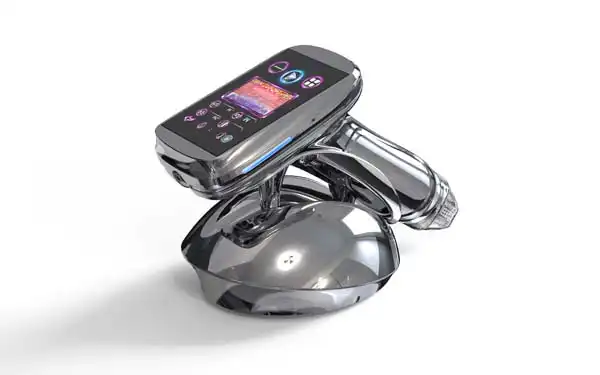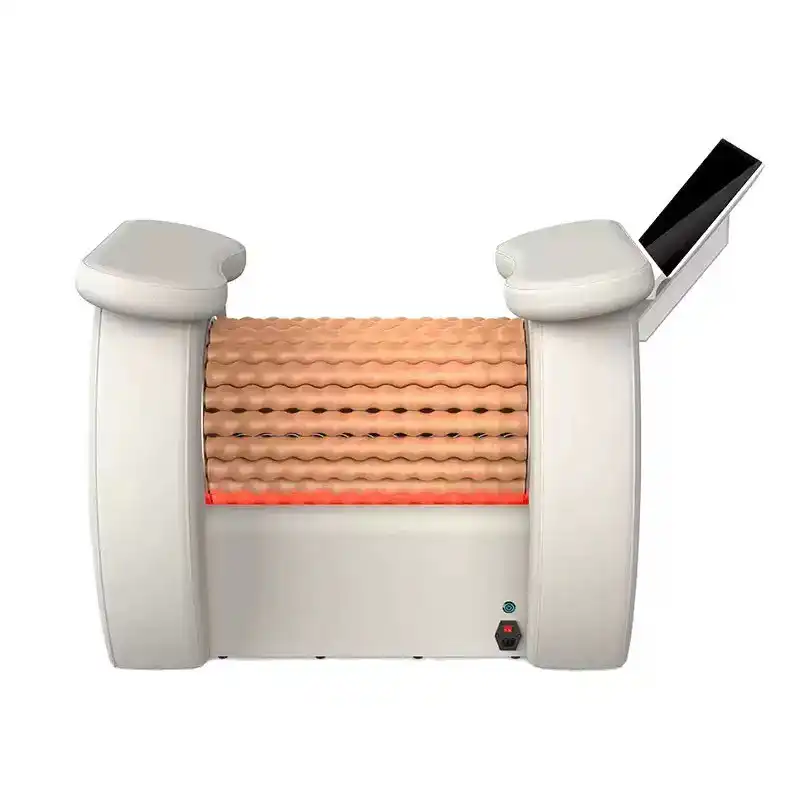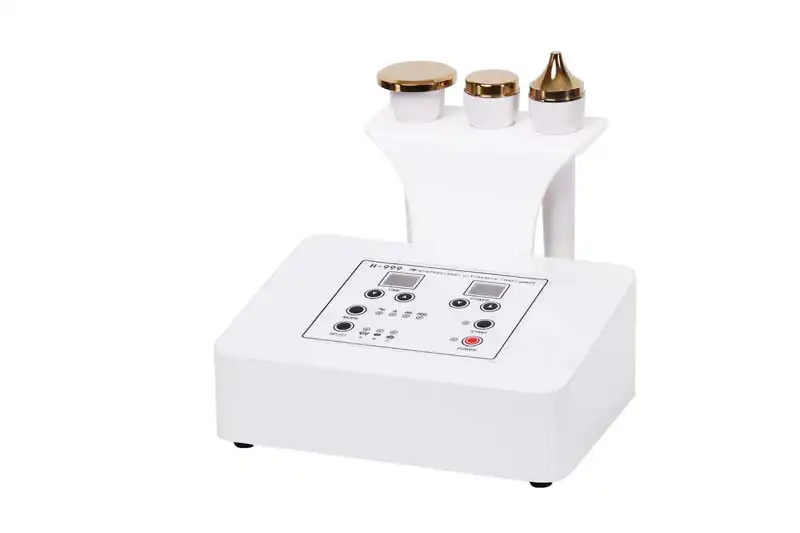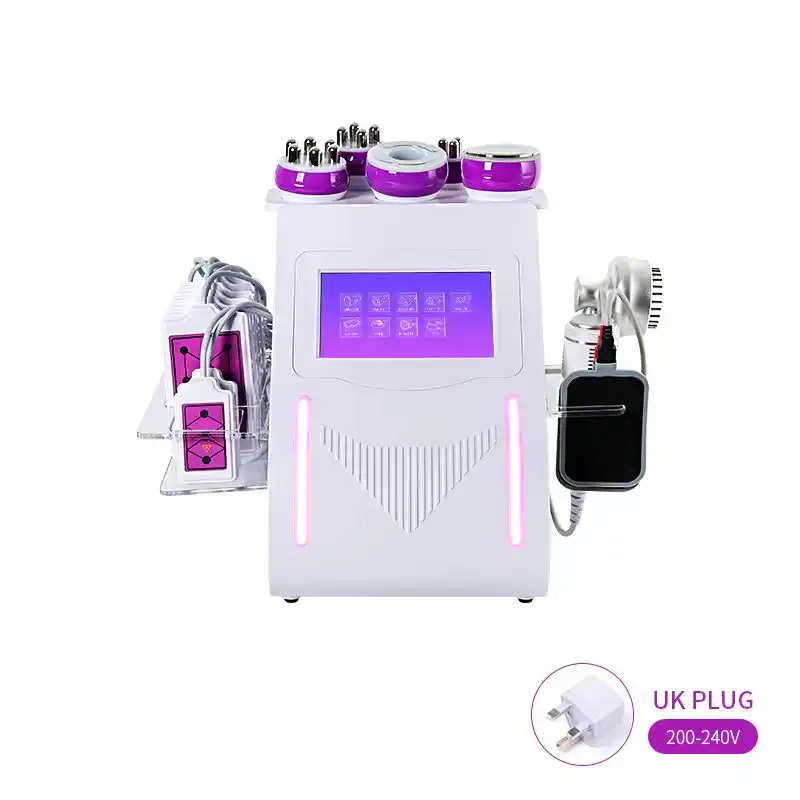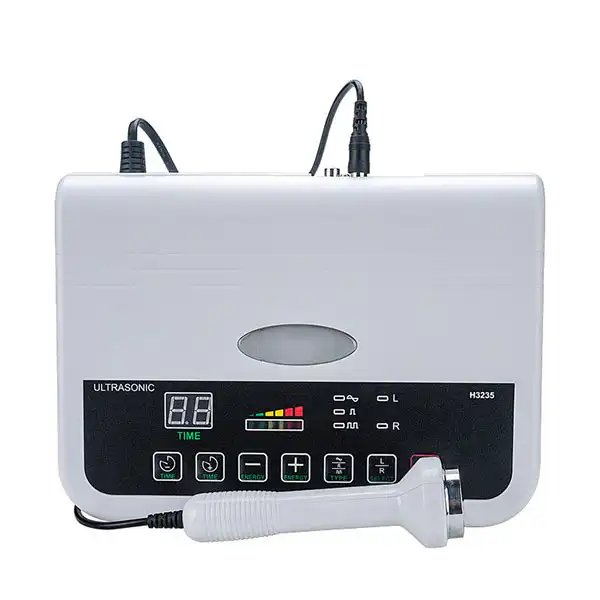
If you are looking for an ultrasonic cavitation machine wholesale supplier, the lowest price should not be the only factor you consider.
For salons, spas, distributors, and beauty equipment wholesalers, the right cavitation machine needs to balance ultrasonic technology, treatment functions, safety specifications, certifications, product quality, and OEM support.
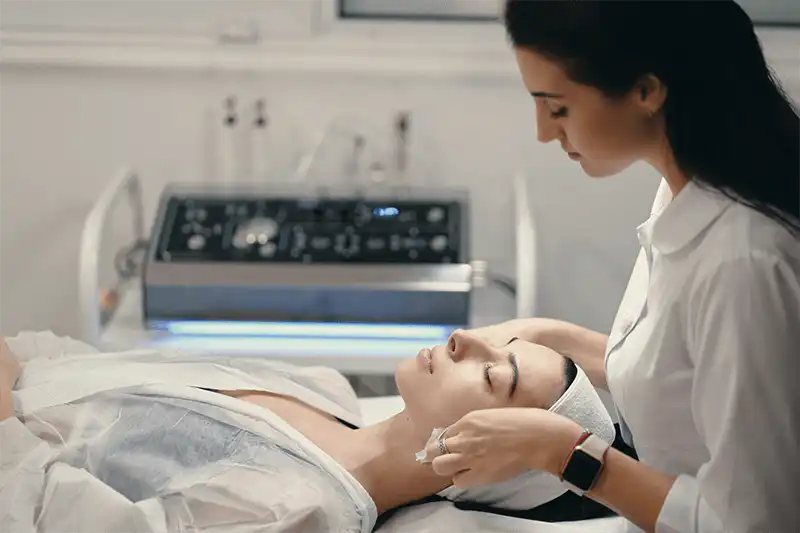
Ultrasonic cavitation machines are widely used in professional beauty and body contouring environments. Depending on the configuration, a machine may provide ultrasonic cavitation together with RF, vacuum, LED, or other complementary technologies.
This guide explains what B2B buyers should check before purchasing an ultrasonic cavitation machine wholesale, including price differences, 40kHz ultrasonic technology, CE/FDA/ISO documentation, and the OEM process.
If you are comparing cavitation machines against other product lines for your catalog, our complete beauty machine wholesale guide covers how to evaluate suppliers, verify certifications, and structure OEM orders across categories.
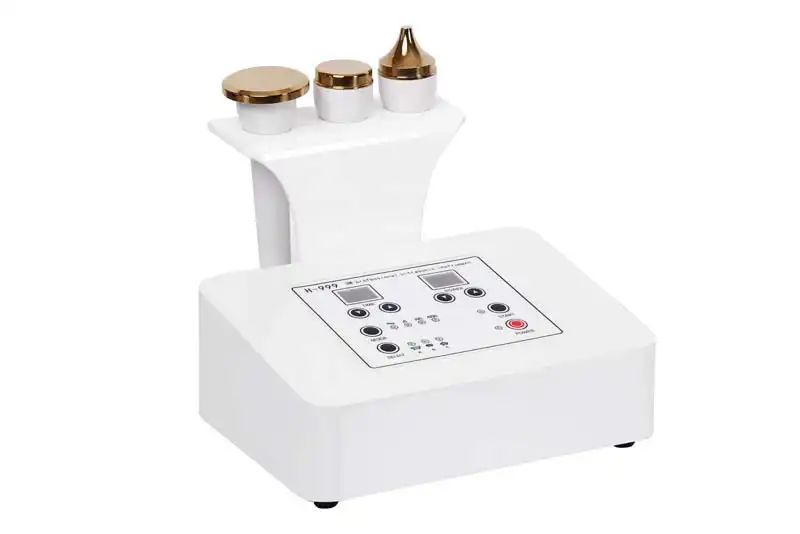 What Is an Ultrasonic Cavitation Machine?
An ultrasonic cavitation machine is a professional beauty device that uses low-frequency ultrasonic energy to create microscopic pressure changes in liquid tissue environments, producing a cavitation effect that is commonly used in non-invasive body contouring treatments.
For B2B buyers, the important point is that not all machines sold as “cavitation machines” have the same configuration.
The actual value of a machine depends on factors such as:
- Ultrasonic frequency
- Output power and stability
- Handpiece design
- Treatment modes
- Additional technologies
- Control system
- Manufacturing quality
- Certifications and compliance documents
- OEM and after-sales support
Therefore, comparing machines only by their appearance or number of functions can lead to the wrong purchasing decision.
Why Choose Ultrasonic Cavitation for Professional Beauty Businesses?
Ultrasonic cavitation equipment is attractive to salons, spas, and beauty clinics because it can be incorporated into professional body treatment programs without surgical procedures.
For distributors and wholesalers, multifunctional equipment can also provide a broader application range than a single-purpose device.
However, more functions do not automatically mean better performance.
A professional buyer should evaluate the core ultrasonic system first, then consider whether additional functions actually provide value for the target market.
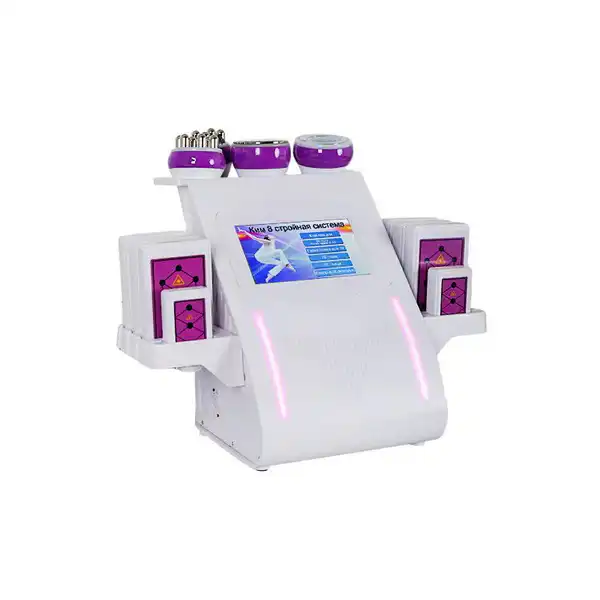
Single-Function vs. 9-in-1 Cavitation Machines: Where Does the Price Difference Come From?
One of the most common questions from B2B buyers is why two cavitation machines with similar appearances can have significantly different prices.
The main reason is that a multifunctional machine contains more components, handpieces, control modules, and manufacturing processes.
Single-Function Cavitation Machines
A single-function machine focuses primarily on ultrasonic cavitation.
It is often suitable for:
- Small beauty salons
- Spas
- New businesses
- Buyers with a limited equipment budget
- Distributors looking for an entry-level product
The main advantage is a simpler configuration and potentially lower purchase cost.
For wholesalers, a single-function model can also be easier to position as an affordable entry-level product.
9-in-1 Cavitation Machines
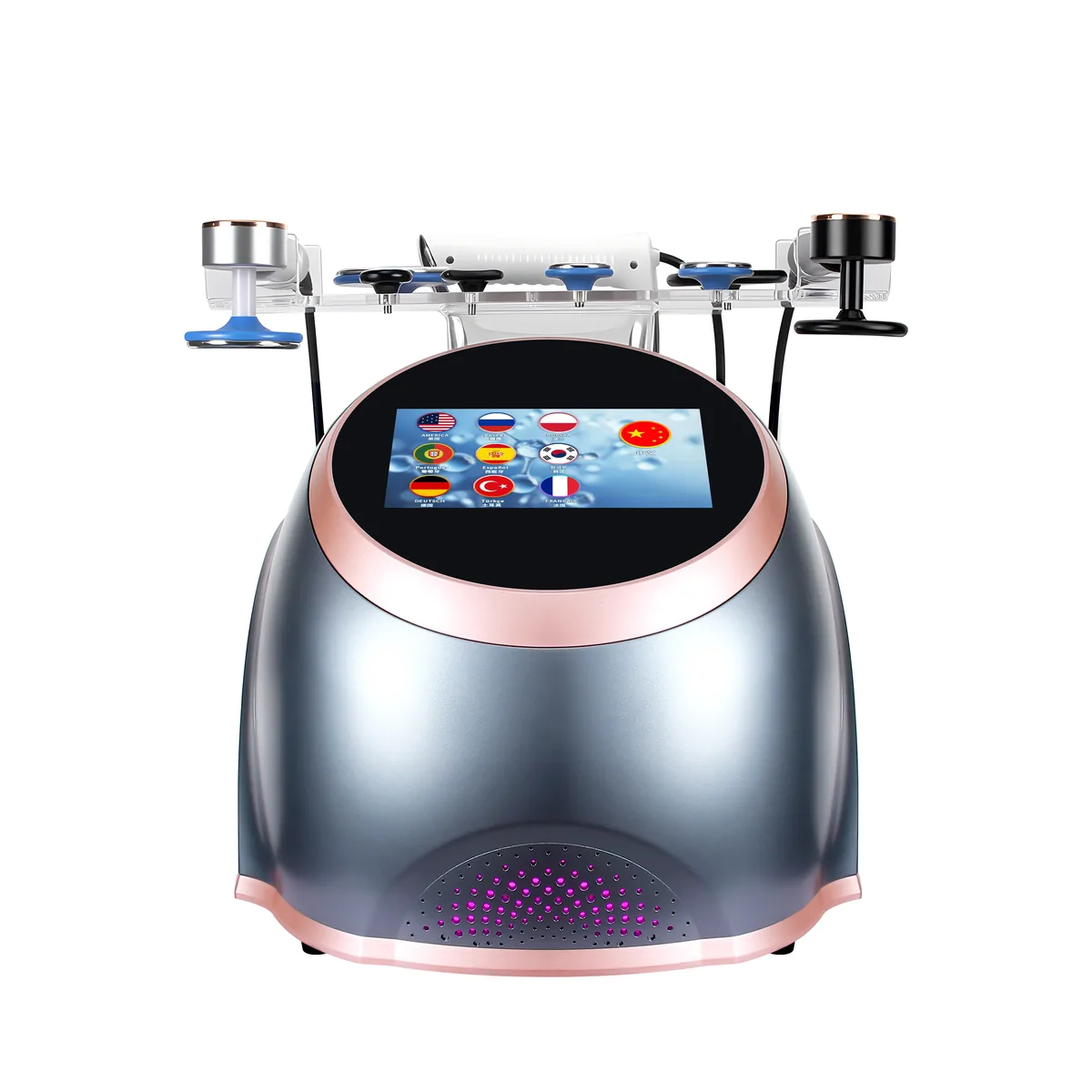
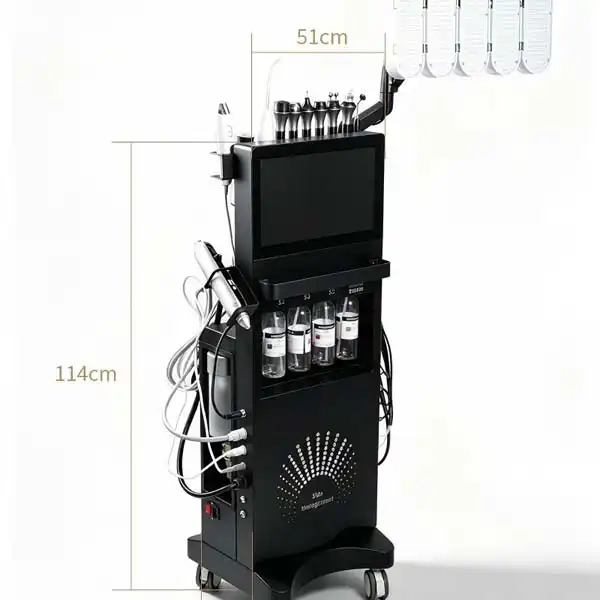
A 9-in-1 cavitation machine combines multiple beauty technologies in one platform.
Depending on the specific configuration, these machines may combine cavitation with technologies such as:
- RF
- Vacuum
- Body contouring functions
- Facial treatment functions
- Skin care functions
- Other complementary technologies
For a distributor, this type of machine can target salons that want multiple treatment options from one device.
You can also compare our:
9 In 1 Cavitation Beauty Machine for SPA
and
9 in 1 Cavitation Beauty Machine
How Should Wholesalers Choose?
The best configuration depends on the customer’s business model.
| Buyer Type | Recommended Configuration |
|---|---|
| Small salon | Single-function or compact configuration |
| New spa | Entry-level multifunctional machine |
| Established beauty salon | 6-in-1 or 9-in-1 configuration |
| Distributor | Multiple configurations for different price levels |
| Premium beauty equipment reseller | Higher-end multifunctional platform |
| OEM buyer | Configuration based on target market and positioning |
The important thing is not to simply ask:
“How many functions does the machine have?”
Instead, ask:
“Which functions are commercially valuable in my target market?”
This helps avoid paying for functions that your customers rarely use.
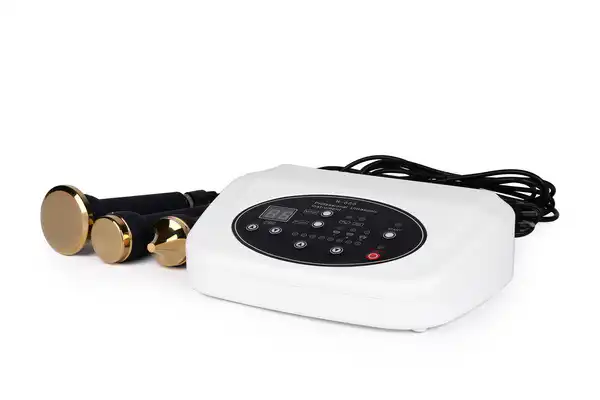 Ultrasonic Frequency: Why 40kHz Matters
Frequency is one of the most important specifications to check when purchasing an ultrasonic cavitation machine.
A commonly used specification for body cavitation equipment is 40kHz ultrasonic frequency.
In simple terms, the ultrasonic frequency determines how the device delivers ultrasonic energy during treatment.
For B2B purchasing, buyers should request the manufacturer to clearly specify:
- Ultrasonic frequency
- Output power
- Operating mode
- Handpiece specifications
- Energy adjustment range
- Continuous or pulsed operation
- Safety control features
Do not evaluate a machine based on “40kHz” alone.
Two machines can both claim 40kHz while having differences in transducer quality, output stability, control systems, and overall manufacturing quality.
40kHz vs. 1MHz and 3MHz Ultrasonic Technology
Another common source of confusion is that 40kHz, 1MHz, and 3MHz ultrasonic machines are not necessarily designed for the same application.
For example, lower-frequency ultrasonic cavitation equipment is commonly associated with body-focused applications, while higher-frequency ultrasonic technologies are often used for facial or skin-focused beauty applications.
For buyers looking for professional facial ultrasonic equipment, we also offer:
3MHz Ultrasonic Beauty Machine for Facial
and
Professional 3MHz Ultrasonic Facial Machine | Skin Tightening & Absorption
For salon applications requiring 1MHz ultrasonic technology:
Professional 1MHz Ultrasonic Beauty Machine for Salon
This distinction is important when building a product portfolio because ultrasonic frequency should match the intended treatment application.
Ultrasonic Cavitation Machine Wholesale Price: What Determines the Cost?
There is no single wholesale price for an ultrasonic cavitation machine.
The final quotation depends on the machine’s configuration, quantity, specifications, customization requirements, and destination market.
The major factors include:
1. Number of Functions
A basic cavitation machine normally costs less than a multifunctional system.
Additional functions require additional components, handpieces, control modules, and assembly.
2. Ultrasonic System
The quality and stability of the ultrasonic system can affect the overall machine cost.
Ask the manufacturer about:
- Transducer specifications
- Frequency
- Output power
- Stability
- Handpiece quality
- Replacement parts availability
3. Machine Configuration
Two machines advertised as “9-in-1” may have completely different internal configurations.
Always request a detailed configuration sheet instead of comparing only the number “9-in-1”.
4. Quantity
Wholesale pricing is usually affected by order quantity.
For example, the price for one sample unit may be different from the price for 10, 50, or 100 units.
Ask your supplier for:
- Sample price
- MOQ price
- 10-unit price
- 50-unit price
- 100-unit price
This gives you a clearer understanding of the supplier’s wholesale pricing structure.
5. OEM Customization
Custom logos, colors, packaging, labels, user manuals, software interfaces, and product appearance can affect the final quotation.
Therefore, OEM pricing should be calculated based on the exact customization requirements.
CE, FDA and ISO: What Certifications Should Buyers Check?
Certification is another important consideration when purchasing an ultrasonic cavitation machine wholesale.
However, B2B buyers should not simply ask:
“Does this machine have CE?”
You should ask for the actual documentation and determine whether it applies to the specific product and intended market.
CE Documentation
For European markets, buyers should verify the applicable CE compliance documentation and supporting technical information.
Depending on the product and market, documentation may include:
- Declaration of Conformity
- Applicable standards
- Technical documentation
- Product labeling
- User manual
- Test reports
The exact regulatory requirements depend on the product classification and destination market.
FDA Requirements
For the United States, FDA requirements depend on the product, intended use, claims, classification, and applicable regulatory pathway.
Therefore, buyers should not treat “FDA registered” as automatically meaning that a product has FDA approval.
When evaluating a supplier, ask exactly what FDA-related documentation or registration applies to the specific product.
ISO Certification
ISO certification can provide additional information about the manufacturer’s quality management system.
For B2B buyers, it is useful to check:
- ISO certificate number
- Certification scope
- Certificate validity
- Certified company name
- Manufacturing site information
A supplier’s quality management certification should be considered together with actual manufacturing capability and product documentation.
Ultrasonic Cavitation Machine Safety Checklist
Before placing a wholesale order, ask the manufacturer for detailed technical specifications.
A professional purchasing checklist should include:
- Ultrasonic frequency
- Rated power
- Output power
- Handpiece specifications
- Treatment modes
- Energy adjustment
- Operating time settings
- Cooling or heat management system, where applicable
- Electrical safety information
- Applicable certifications
- Test reports
- User manual
- Warranty terms
- Replacement parts availability
For a 40kHz cavitation machine, the buyer should also verify that the stated frequency is supported by the manufacturer’s technical documentation rather than relying only on marketing materials.
What Should You Ask an Ultrasonic Cavitation Machine Manufacturer?
If you are contacting factories for wholesale purchasing, the following questions can help you compare suppliers.
Product Questions
Ask:
- What ultrasonic frequency does the machine use?
- What is the rated power?
- What is the actual configuration?
- Which handpieces are included?
- Is the machine single-function or multifunctional?
- What replacement parts are available?
- Can you provide technical specifications?
Certification Questions
Ask:
- Do you have CE documentation for this model?
- What test reports are available?
- Is the product supported by FDA-related documentation for the US market?
- Do you have ISO certification?
- Can you provide copies of the relevant certificates before ordering?
Manufacturing Questions
Ask:
- Are you a manufacturer or trading company?
- Where is the production facility located?
- Can you provide factory videos or a factory audit?
- What is the MOQ?
- What is the standard lead time?
- Can you provide samples?
- What is the warranty period?
- Do you supply spare parts?
These questions can help distinguish a manufacturer with a real production and technical system from a supplier that simply resells products.
OEM Ultrasonic Cavitation Machine: From Sample to Mass Production
For distributors and established beauty equipment brands, OEM can be more valuable than purchasing a standard machine.
A typical OEM process can be divided into several stages.
Step 1: Confirm the Product Configuration
First, determine:
- Machine model
- Number of functions
- Ultrasonic frequency
- Handpieces
- Display
- Power specifications
- Plug type
- Accessories
- Target market
The clearer the specification is at the beginning, the easier it is to control the final product.
Step 2: Sample and Testing
Before mass production, the buyer can order a sample for evaluation.
The sample should be checked for:
- Appearance
- Machine operation
- Handpiece performance
- Display and controls
- Noise
- Accessories
- Packaging
- User experience
For distributors, testing the sample before placing a large order can significantly reduce purchasing risk.
Step 3: Logo and Appearance Customization
Depending on the manufacturer’s capabilities, OEM customization may include:
- Brand logo
- Machine color
- Housing design
- Labels
- Screen interface
- Accessories
- User manual
- Product nameplate
Not every OEM project requires a completely new machine design.
For many B2B buyers, logo + packaging + documentation customization is enough to create a branded product while keeping development costs under control.
Step 4: Packaging Design
OEM packaging may include:
- Product box
- Foam protection
- Outer carton
- Logo printing
- User manual
- Warranty card
- Accessories packaging
Packaging should also be designed around the destination market and shipping requirements.
Step 5: Confirm Lead Time and Mass Production
After the sample and packaging are approved, the manufacturer can arrange mass production.
Before placing the order, confirm:
- MOQ
- Production lead time
- Payment terms
- Packaging requirements
- Inspection requirements
- Shipping method
- Spare parts
- Warranty policy
For repeat orders, maintaining the same approved specifications is important for consistent product quality.
How to Choose the Right Ultrasonic Cavitation Machine Wholesale Supplier
Choosing a supplier based only on the lowest quotation can create problems later.
A better approach is to compare suppliers across five areas.
Product Quality
Check the ultrasonic system, handpieces, components, machine assembly, and quality control.
Manufacturing Capability
Determine whether the supplier is an actual manufacturer and whether it has the technical ability to support your required configuration.
Certification and Documentation
Request relevant certificates, test reports, manuals, labels, and compliance documents before placing a large order.
OEM Capability
If you are building your own brand, confirm whether the supplier can support:
- Logo customization
- Packaging
- Manuals
- Product appearance
- Accessories
- Sample development
- Mass production
After-Sales Support
Ask about:
- Warranty
- Spare parts
- Technical support
- Replacement handpieces
- Troubleshooting
- Long-term product availability
A reliable wholesale supplier should be able to support your business after the machines have been delivered, not just provide a low initial quotation.
Ultrasonic Cavitation Machine Wholesale Buying Checklist
Before placing your order, use this quick checklist:
| Category | What to Check |
|---|---|
| Technology | Ultrasonic frequency and output |
| Configuration | Single-function or multifunction |
| 40kHz | Confirm actual technical specification |
| Handpieces | Quantity and specifications |
| Certification | CE and applicable market documentation |
| FDA | Verify applicable US regulatory documentation |
| ISO | Verify certification and scope |
| MOQ | Minimum order quantity |
| Sample | Sample availability and testing |
| OEM | Logo, color, packaging and manual |
| Production | Lead time and QC process |
| Spare Parts | Availability and cost |
| Warranty | Terms and coverage |
| Shipping | Packaging and shipping requirements |
Final Thoughts: What Makes a Good Wholesale Cavitation Machine?
The best ultrasonic cavitation machine wholesale option is not necessarily the cheapest machine or the machine with the most functions.
For B2B buyers, the better purchasing decision comes from evaluating the complete package:
Technology + Configuration + Safety + Certification + Manufacturing + OEM + After-Sales Support
If you are purchasing for a salon or spa, a simple configuration may provide better value.
If you are a distributor or beauty equipment wholesaler, a 9-in-1 cavitation machine may offer a broader product proposition and allow you to target different salon applications.
If you are building your own beauty equipment brand, working directly with an experienced manufacturer can give you more control over product configuration, branding, packaging, and OEM development.
Before placing a wholesale order, request the detailed specification sheet, certification documents, sample unit, OEM quotation, MOQ, and production lead time. This gives you the information needed to compare suppliers based on total business value rather than price alone.
Frequently Asked Questions About Ultrasonic Cavitation Machines
What is the minimum order quantity (MOQ)?
The MOQ depends on the model, the configuration and the level of customization. For selected standard models and selected projects we can support reduced initial quantities. Send us your target models and quantities and we will confirm the MOQ for that exact configuration in writing before you commit.
What is the production lead time?
Lead time depends on the configuration and the order quantity, and it is confirmed in writing once the specification is locked. For OEM projects a sample unit is arranged before mass production so you can evaluate performance, build quality and handpiece ergonomics first.
What documentation is available for CE, FDA and ISO compliance?
Documentation support is available for selected models. Depending on the model we can provide CE technical documentation, test reports and, for selected equipment, FDA registration. Machines are produced with an associated factory certified under ISO 13485. Tell us your destination market and we will confirm which documents apply to that model — we prepare documentation to support your local registration, and we do not act as your regulatory agent.
What warranty and spare parts support do you provide?
Warranty terms are stated in your quotation and confirmed in writing before production — typically 12–18 months depending on the model and configuration. Spare handpieces, cables and consumable accessories remain available after delivery, and remote technical support is provided for the service life of the machine.
Can you customize the machine for our own brand?
Yes. Logo printing, housing colour, interface language, plug type and packaging can be customized. OEM and ODM projects normally start from a specification sheet and a sample unit, followed by mass production after your written approval.
Can we order a sample before placing a bulk order?
Yes. A sample unit can be arranged so you can verify treatment performance, build quality and the ergonomics of the handpieces before committing to a volume order. Sample cost and shipping are quoted separately and are normally credited against your first bulk order.
How do we get a wholesale quotation?
Send us the model, the quantity and your destination market. We reply with a full quotation that lists unit price, configuration, available documentation, lead time and shipping options. You can reach us through the contact form, by email or on WhatsApp.
Explore More Ultrasonic Beauty Machines
For body-focused cavitation applications:
9 In 1 Cavitation Beauty Machine for SPA
For facial ultrasonic applications:
3MHz Ultrasonic Beauty Machine for Facial
Professional 1MHz Ultrasonic Beauty Machine for Salon
Professional 3MHz Ultrasonic Facial Machine | Skin Tightening & Absorption
If you are a beauty equipment distributor, wholesaler, salon supplier, or private-label brand, contact us with your target market, required configuration, quantity, and OEM requirements to discuss the most suitable ultrasonic cavitation machine for your business.
Sourcing for your salon or distribution business?
Tell us the machine types and target quantity — we reply with factory-direct pricing, lead time and available export documents.