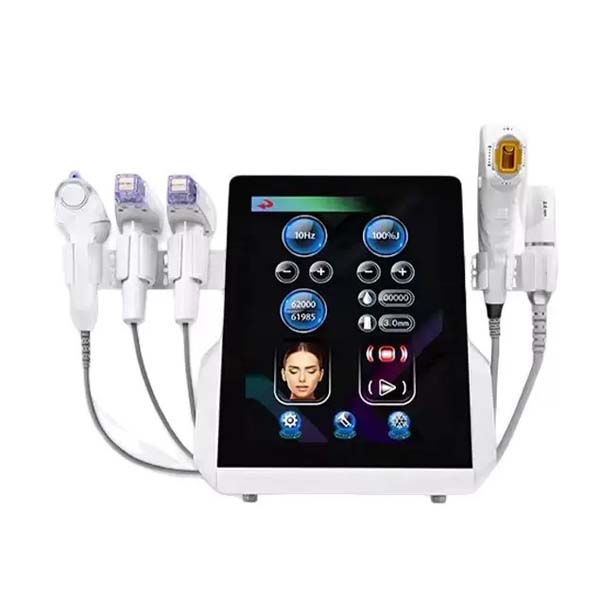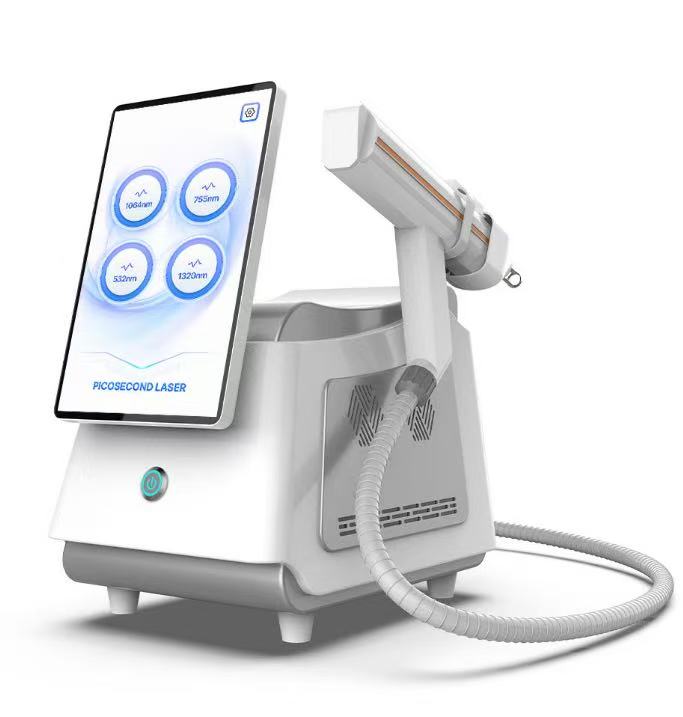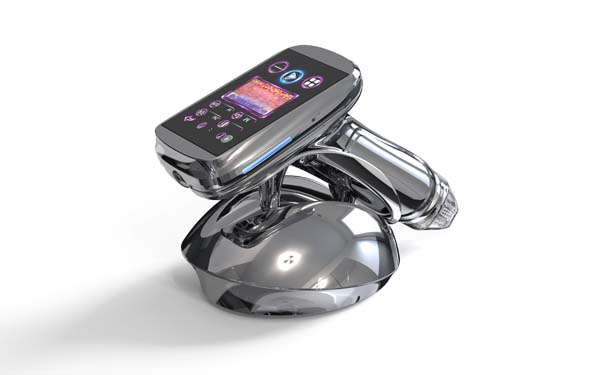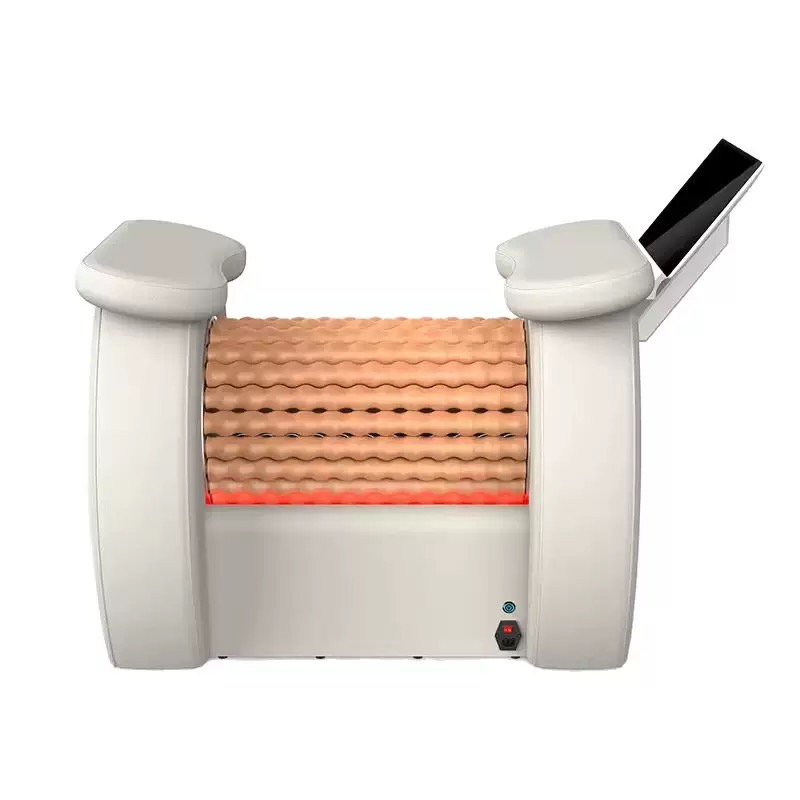
Radiofrequency (RF) technology is one of the most established categories in professional aesthetic equipment. It is widely used in facial skin-tightening programs, body-contouring menus, and advanced RF microneedling treatments.
For salons, aesthetic clinics, distributors, importers, and private-label brands, choosing an RF machine is not simply about selecting the highest power or the lowest factory price. The right decision depends on your target customers, intended applications, local market requirements, operator training, consumable model, warranty coverage, and long-term spare-parts support.
As a professional beauty equipment manufacturer in China, we supply RF machines for wholesale, distribution, OEM branding, and private-label projects. This guide explains the main professional RF machine types, how they differ, what buyers should verify, and how to source RF equipment with confidence.
Looking for RF machines for your market? Browse our facial beauty machines, explore our body shaping and slimming systems, or request a wholesale quotation.
Table of Contents
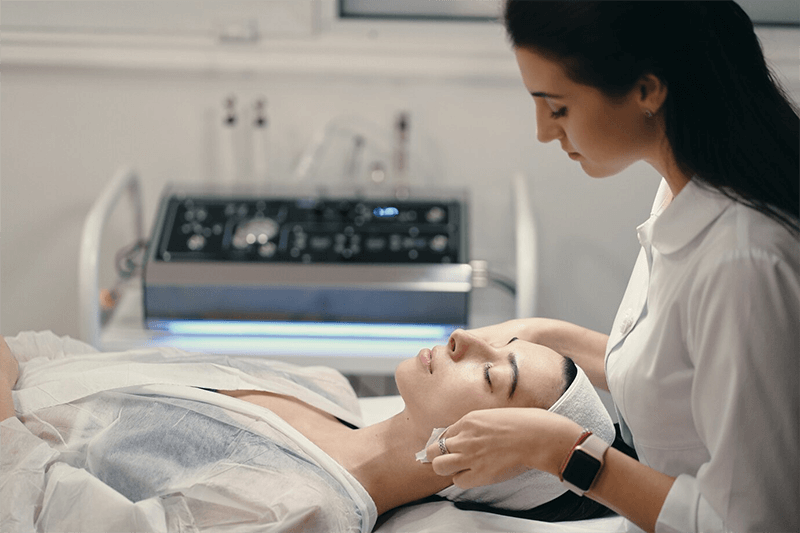
 Non-invasive RF skin tightening: collagen remodeling without downtime
What Is a Professional RF Machine?
A professional RF machine uses radiofrequency energy to create controlled heat in targeted tissue layers. In aesthetic applications, this thermal effect is commonly used in skin-rejuvenation, skin-firming, facial-contouring, and body-treatment protocols.
RF energy works differently from laser energy. Laser systems are based on light and typically interact with specific chromophores, such as melanin or hemoglobin. RF systems use electrical energy to create resistive heating, so their treatment approach is less dependent on skin pigment. However, treatment suitability, settings, contraindications, and safety protocols should always be assessed by a trained operator according to the device’s intended use and local requirements.
Professional RF equipment can be used in:
-
Beauty salons and day spas
-
Aesthetic clinics and medical-aesthetic practices, where permitted
-
Body-contouring studios
-
Beauty schools and training centers
-
Distributor product portfolios
-
Private-label beauty-device brands
For a deeper explanation of RF energy and its aesthetic applications, see our guide: What Is Radiofrequency Energy? Benefits for Wrinkles and Loose Skin.
How RF Skin-Tightening Technology Works
Professional RF systems generate alternating electrical current through an applicator or handpiece. Depending on the electrode configuration and treatment protocol, the energy creates controlled heating in selected tissue areas.
In aesthetic RF protocols, buyers commonly evaluate five technical factors:
RF devices are available in many configurations. A compact bipolar RF facial machine may be appropriate for a salon facial menu, while a monopolar RF body platform or fractional RF microneedling system may require more advanced training, documentation, and after-sales planning.
For a broader overview of RF equipment in the beauty industry, read: Radio Frequency Machine: Revolutionizing Skincare and Beauty.
Important: Actual results, client comfort, treatment intervals, downtime, and suitable settings vary by machine configuration, protocol, operator training, and individual client factors. Always follow the user manual and applicable local regulations.
How to Choose an RF Machine by Business Goal
The best RF machine for your business depends on what you plan to sell, who your clients are, and how your staff will use the equipment.
Before ordering, define your commercial plan first:
-
Are you selling to salons, clinics, distributors, or direct consumers?
-
Is your priority facial care, body contouring, RF microneedling, or multi-function treatment platforms?
-
Do you need a machine with recurring consumable revenue?
-
Do you require OEM branding?
-
Does your target market require specific compliance documentation?
-
Can your team provide installation, operator training, and after-sales support?
A machine should support your business model, not just your product catalog.
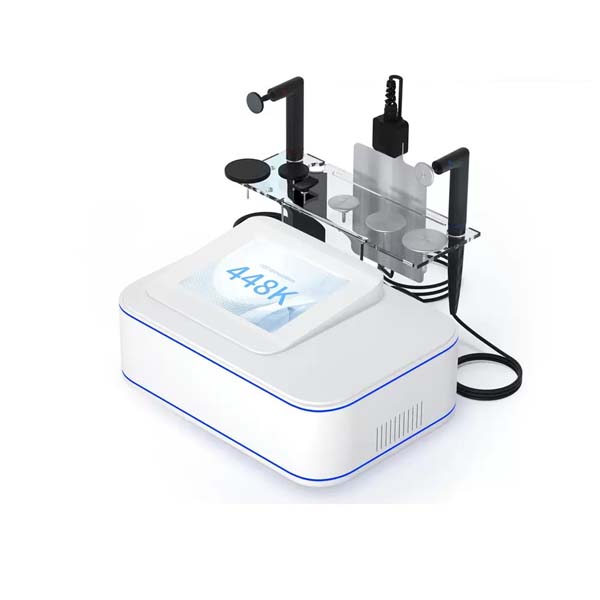
Monopolar RF reaches the deepest layers — ideal for body contouring
Types of Professional RF Machines
Monopolar RF Machines
Monopolar RF systems generally use one active treatment electrode and a separate return electrode or grounding pad. The current path is different from bipolar or multipolar RF systems, making monopolar platforms a common category for larger treatment areas and body-focused applications.
Monopolar RF machines are often selected for:
-
Body skin-tightening programs
-
Body-contouring treatment menus
-
Larger-area treatment protocols
-
Clinics or salons expanding into higher-value body services
-
Distributors building a body-shaping equipment portfolio
When comparing monopolar RF machines, ask your supplier about:
-
Grounding pad or return-electrode design
-
Handpiece size and treatment area
-
Cooling method
-
Power adjustment and treatment presets
-
Safety alerts and temperature-control features
-
Handpiece replacement cost
-
Cable, connector, and spare-parts availability
-
Operator training materials
-
Warranty terms for the main unit and handpiece separately
Read our full guide: Monopolar Radio Frequency Machine: The Ultimate Guide to Skin Tightening, Body Contouring and Facial Rejuvenation.
Bipolar and Multipolar RF Machines
Bipolar and multipolar RF systems use two or more electrodes within the treatment handpiece. Energy is delivered within a more localized area between or among those electrodes.
These machines are common in facial-treatment menus because they are typically designed for smaller treatment areas, such as:
-
Forehead and eye-area protocols
-
Cheek and jawline programs
-
Neck-care protocols
-
Facial maintenance treatments
-
Salon facial-service upgrades
Bipolar and multipolar RF devices can be a practical starting point for salons that want to add RF services without immediately investing in a larger body platform or advanced microneedling system.
However, buyers should not choose a machine based only on labels such as “tripolar,” “6-polar,” or “8-polar.” The number of poles alone does not prove treatment quality. Ask for the actual handpiece specification, operating parameters, cooling design, user manual, and live demonstration.
For a technical comparison, see: What Is the Difference Between Bi-Polar, Mono-Polar and Tri-Polar RF?.
Fractional RF Microneedling Machines
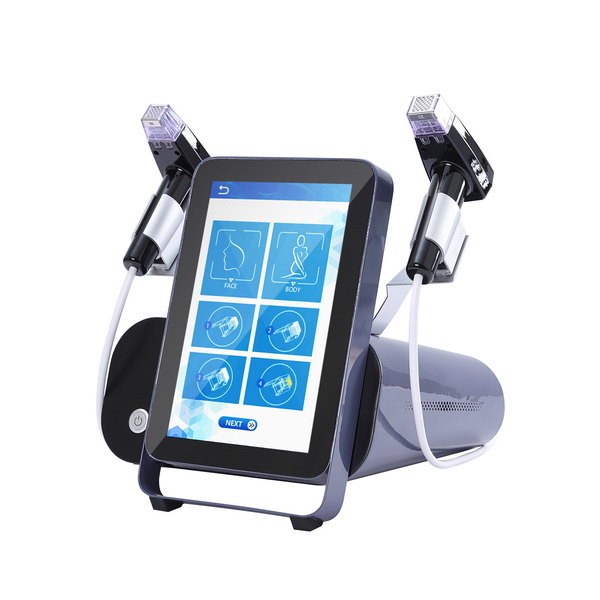
Fractional RF microneedling combines microneedles with RF energy delivery. Depending on the design, the system may use insulated or non-insulated needle cartridges and allow adjustable treatment depths.
This category is commonly positioned as a more advanced option for texture-focused and skin-rejuvenation treatment menus. It is frequently considered by aesthetic clinics, professional skin-treatment providers, and distributors serving advanced operators.
Fractional RF microneedling buyers should carefully evaluate:
-
Needle depth range and adjustment accuracy
-
Insulated versus non-insulated needle options
-
Number of needles per cartridge
-
Disposable cartridge cost
-
Cartridge packaging and sterility documentation
-
Energy modes and pulse settings
-
Handpiece quality and cable durability
-
Software presets and language options
-
Consumable lead time
-
Spare handpiece and accessory availability
-
Operator training and aftercare materials
-
Local regulatory and licensing requirements
Unlike standard non-invasive RF, RF microneedling normally involves a consumable cartridge model. This can create recurring consumable demand for distributors, but it also means you must verify needle supply stability, cartridge compatibility, quality consistency, and after-sales inventory planning.
Learn more in our wholesale buying guide: How to Choose the Best RF Microneedling Machine for Wholesale and Professional Use.
You can also read: Understanding Microneedling RF: The Ultimate Skin Treatment.
Gold RF Microneedling Machines
“Gold RF” is a commonly used marketing term for RF microneedling systems that use gold-coated needle components or are marketed around gold needle technology.
For B2B buyers, “gold RF” should not be treated as a stand-alone quality guarantee. Product performance depends on the complete system design, including needle material, coating specification, insulation method, cartridge construction, depth adjustment, pulse control, handpiece engineering, and consumable consistency.
Before purchasing a gold RF microneedling machine, ask for:
-
Exact needle material and coating information
-
Insulated or non-insulated needle design
-
Needle count and cartridge types
-
Available treatment depths
-
Depth adjustment method
-
Cartridge packaging and sterility documents
-
Cartridge MOQ and wholesale pricing
-
Compatible consumable model numbers
-
Handpiece warranty terms
-
Training and protocol materials
-
Model-specific compliance documents for your target market
For related product information, visit: The Golden RF Machine: Revolutionizing Beauty Treatments.
You can also review: Introduction to Gold RF Technology Machine.
RF Body Contouring Machines
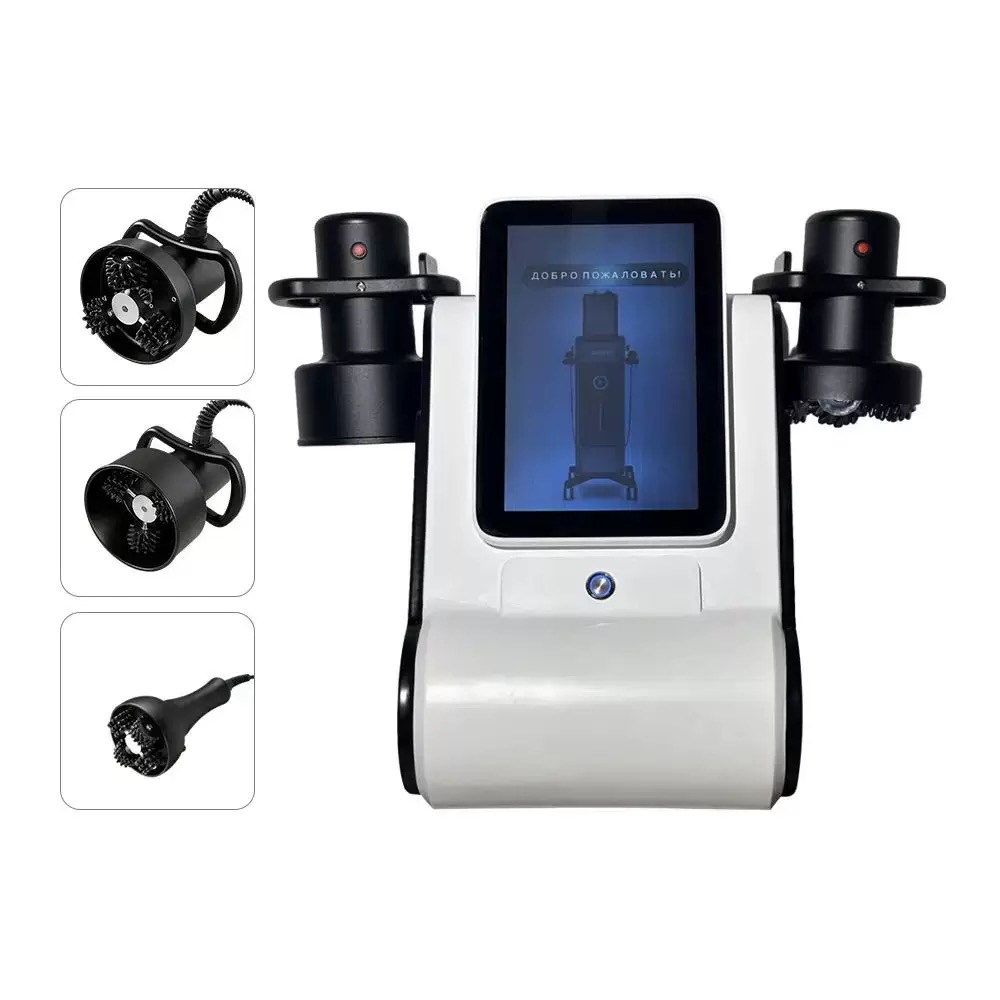
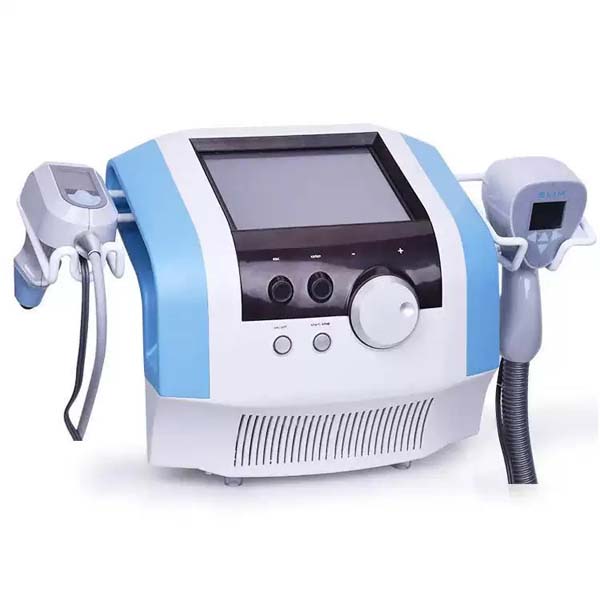
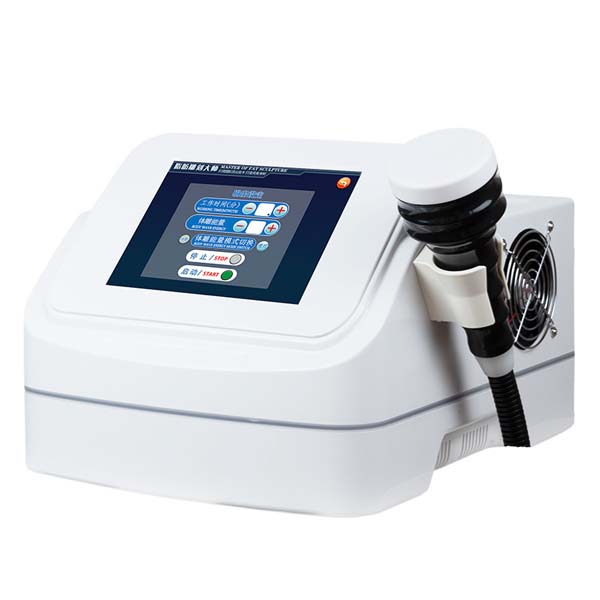
RF is widely used in body-treatment platforms, especially when paired with technologies such as vacuum therapy, roller massage, EMS, LED, ultrasonic cavitation, or negative-pressure systems.
These combination platforms can help salons build multi-step body-treatment packages and improve the revenue potential of each treatment room. They are often used for programs focused on the appearance of smoother, firmer-looking skin and body-contouring support.
Popular RF body-contouring configurations include:
-
RF + vacuum
-
RF + roller massage
-
RF + EMS
-
RF + LED
-
RF + ultrasonic cavitation
-
RF + negative pressure
-
Multi-handle body contouring platforms
When purchasing a multi-function RF platform, do not assume that more handpieces mean better performance. Confirm that every handpiece has clear specifications, adjustable parameters, working protocols, and a replacement-parts plan.
Ask your supplier:
-
Is each handpiece independently powered?
-
What are the real working parameters for each function?
-
Are the handpieces designed for face, body, or both?
-
What consumables are required?
-
Which parts are most likely to need replacement?
-
Is the machine suitable for continuous salon use?
-
Are installation and operator videos available?
-
Can the supplier provide a spare handpiece package?
Explore related resources:
Browse our current range of body shaping and slimming systems.
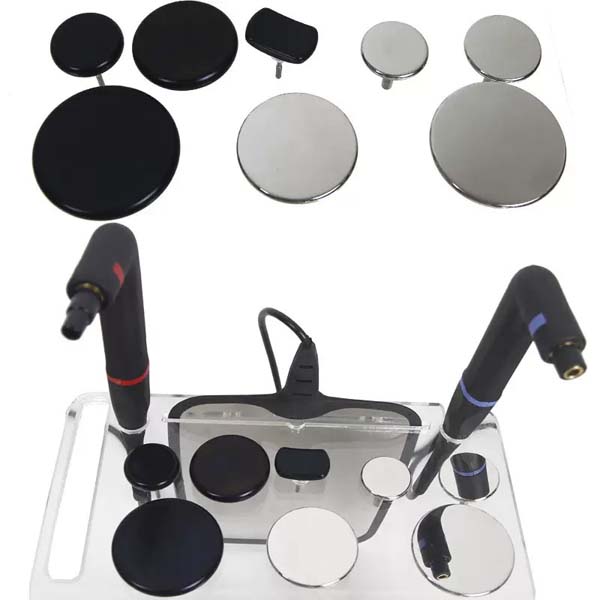
Cavitation + RF platforms anchor the highest-ticket body menus
Combination and Multi-Technology RF Platforms
Combination RF platforms can include RF together with EMS, LED, vacuum, hydrodermabrasion, cavitation, ultrasound, cold therapy, or other aesthetic functions.
For distributors, these platforms can be commercially attractive because one device can support multiple menu categories. For salons, they can help create treatment packages and cross-sell services.
However, multifunction devices should be evaluated carefully. A low-cost “8-in-1” machine may look attractive, but buyers should verify that the RF function, vacuum function, EMS function, and other modules are each designed for real commercial use.
Before ordering, request:
-
A complete function list
-
Individual handpiece specifications
-
Operating videos for every handpiece
-
User manual and treatment workflow
-
Spare-parts list
-
Warranty policy
-
Packaging dimensions and gross weight
-
OEM customization options
-
Real machine photos and factory test videos
Read more:
RF Microneedling vs Non-Invasive RF
Non-invasive RF and fractional RF microneedling are different product categories. They should not be positioned as direct substitutes in every business model.
Many established businesses offer both categories. Non-invasive RF can support recurring facial and body programs, while RF microneedling may be used as an advanced service category where permitted.
For a client-focused overview of treatment expectations, see: RF Microneedling Before and After 3 Treatments: What You Need to Know.
RF vs HIFU: Which Technology Should You Buy First?
RF and HIFU are both popular categories in professional aesthetic equipment, but they use different energy modalities and are usually positioned differently within a treatment menu.
RF equipment is often selected for recurring facial-care and body-treatment programs. HIFU is often positioned as a premium, focused ultrasound category for businesses that want to offer a higher-ticket non-surgical lifting or contouring service.
For many distributors and salon owners, RF is a flexible category to establish first because it supports multiple service types and price points. HIFU can later become an additional premium technology category.
Read our detailed comparison: HIFU vs RF Machine: Which Anti-Aging Technology Maximizes Spa Revenue?.
For ultrasound technology information, see: How Ultherapy-Style Machines Support Non-Invasive Skin Tightening.
What to Verify Before Buying an RF Machine
A professional-looking RF machine may still have weak handpieces, limited technical support, inconsistent consumables, or poor documentation. Before paying a deposit, use the following B2B procurement checklist.
RF Machine Supplier Red Flags
Be cautious if a supplier:
-
Refuses to show a live video demonstration
-
Provides certificates with a different model number
-
Cannot explain whether a handpiece is included in the warranty
-
Cannot provide consumable pricing before you order
-
Has no spare-parts list
-
Uses only stock photos and copied specifications
-
Promises unrealistic results or “100% safe” treatments
-
Claims FDA approval, CE certification, or medical status without model-specific documentation
-
Gives a very low price but cannot explain component quality, cooling, or support terms
-
Cannot provide a clear proforma invoice with configuration details
A reliable supplier should be able to explain the product, not only send a price list.
RF Machine Compliance Documents for Importers
Compliance requirements for RF beauty equipment vary by destination market, product design, intended use, and marketing claims.
There is no single universal certificate that automatically allows an RF machine to be sold in every country. Buyers should request documentation for the exact model number they plan to import or distribute—not only for a similar-looking product.
Depending on your market and product category, you may need to review:
-
Manufacturer legal entity and factory address
-
Exact machine model number
-
Product specification sheet
-
User manual
-
Product labels and serial-number traceability
-
Electrical safety reports
-
EMC or electromagnetic compatibility reports
-
RoHS documentation where applicable
-
Declaration of conformity where applicable
-
Quality-management documentation where applicable
-
Packaging and transport documentation
-
Battery documentation, if lithium batteries are included
-
Market-specific registration, listing, clearance, or import documents where required
-
Local-language labeling and manual requirements
-
Warranty and after-sales documentation
Important Compliance Notes
-
CE marking is not a general “quality certificate.” Its relevance depends on the product category, intended use, applicable regulations, technical documentation, and conformity process.
-
RoHS concerns the restriction of certain hazardous substances in electrical and electronic equipment. It does not prove treatment performance or medical suitability.
-
FCC-related documentation may be relevant for electromagnetic compatibility requirements in the United States, but it does not replace other regulatory obligations.
-
ISO 13485 is a quality-management standard. A factory certificate does not automatically mean every machine model is approved or cleared in every market.
-
FDA registration or listing is not the same as FDA clearance. Do not use “FDA approved” claims unless you have verified that the exact claim is accurate for the exact product and intended use.
-
RF microneedling, invasive devices, and devices marketed with medical claims may have different requirements from non-invasive salon equipment.
Before importing, selling, or advertising an RF device, consult a qualified local compliance adviser, importer of record, distributor, or legal professional familiar with your target market.
For broader sourcing guidance, see our Complete Beauty Machine Wholesale & OEM Guide.
RF Machine Wholesale Price Factors
Professional RF machine wholesale pricing varies widely by technology, configuration, quality level, order quantity, and documentation requirements.
A simple bipolar RF facial device may cost significantly less than a monopolar body platform or RF microneedling system. However, comparing only the ex-factory price can lead to poor purchasing decisions.
The true cost of an RF machine should include:
-
Machine configuration
-
Handpiece quantity and quality
-
RF mode and technical design
-
Cooling system
-
Software and display configuration
-
Treatment accessories
-
Consumable cost
-
OEM branding requirements
-
Packaging requirements
-
Compliance documentation
-
Sample order cost
-
Spare-parts package
-
Warranty coverage
-
Shipping cost
-
Import duty and taxes
-
Installation and staff training
-
Local marketing cost
-
After-sales service cost
Illustrative RF Machine ROI Formula
RF equipment can support recurring salon and clinic service menus, but actual profitability depends on your market, pricing, treatment volume, staffing, rent, consumable cost, taxes, advertising, and local operating expenses.
Use this formula as a basic planning tool:
For example:
This example is for planning only and is not a revenue guarantee.
If you are a distributor, you should also calculate:
-
Dealer margin
-
Demo unit cost
-
Sales commission
-
Warranty reserve
-
Spare-parts inventory
-
Training cost
-
Local service cost
-
Consumable reorder potential
Contact us for a customized RF machine quotation and ROI worksheet.
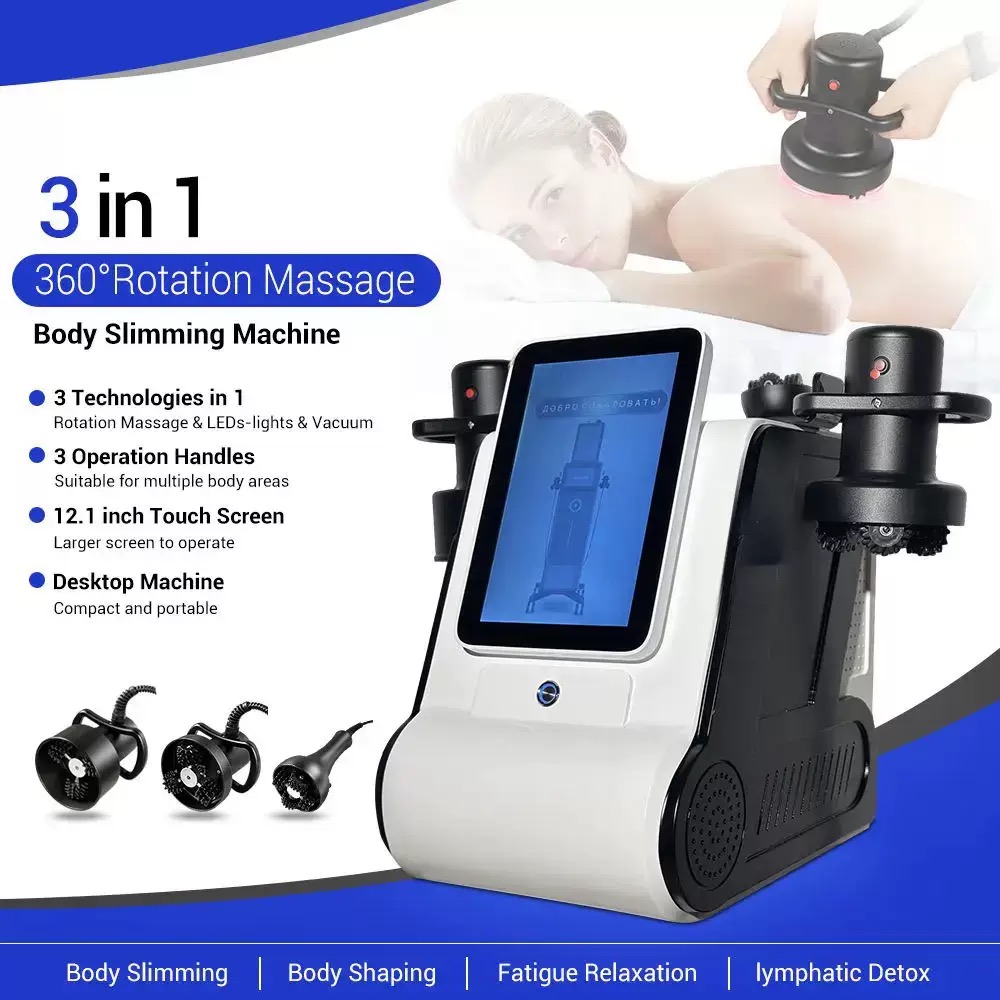
Factory-direct RF machines: the biggest margin lever for importers
OEM and Private-Label RF Machines
OEM RF machines allow distributors, importers, and beauty brands to build a branded product line without developing an RF platform from the beginning.
Depending on the project and order quantity, OEM options may include:
-
Logo printing on the machine body
-
Logo printing on handpieces
-
Custom startup screen
-
Custom user-interface language
-
Customized software presets
-
Housing color options
-
Private-label packaging
-
Customized carton artwork
-
User manual design
-
Multi-language manuals
-
Brand-specific product labels
-
Product photography and marketing materials
-
Customized accessory kits
For deeper ODM projects, such as new housing design, new molds, hardware changes, or custom functional development, expect higher development cost, longer lead times, and higher MOQs.
Questions to Confirm Before Starting an OEM RF Project
-
What is the MOQ for logo printing?
-
What is the MOQ for custom packaging?
-
What is the MOQ for custom housing color?
-
What is the MOQ for UI or software customization?
-
How long does sample production take?
-
How long does bulk production take?
-
Who owns the custom mold?
-
Will the supplier keep spare parts for your branded model?
-
Will your logo appear on the machine, software, packing, manual, and accessories?
-
Can the supplier provide design templates?
-
Can the supplier support future repeat orders with the same configuration?
-
What happens if a customized handpiece requires replacement after warranty?
For complete sourcing advice, read: Beauty Machine Wholesale: The Complete B2B Guide.
Why Choose LANGWEN for RF Machine Wholesale?
At Langwen, we support professional buyers looking for RF beauty equipment for salon use, clinic distribution, private labeling, and wholesale projects.
Our RF machine supply services can include:
-
Factory-direct RF machine supply
-
Standard and customized machine configurations
-
RF facial machines
-
RF body-contouring machines
-
Fractional RF microneedling platforms
-
RF combination systems
-
OEM and private-label branding
-
Sample orders before bulk purchasing
-
Product catalogs and specification sheets
-
Operation videos and remote technical support
-
Multi-language manual options
-
Spare handpiece and accessories supply
-
Custom packaging and branding support
-
Export packing and shipping coordination
Add Your Real Factory Strengths Here
Replace this section with your verified company information. Do not use generic claims such as “the best RF machine manufacturer” unless you can prove them.
You can include:
-
Factory location:
[Guangzhou City, GuangDongProvince, China] -
Years of experience:
[16 years] -
Factory area:
[10,000 square meters] -
Production lines:
[6 lines] -
Monthly production capacity:
[3000 units] -
Main export regions:
[Europe / North America / Middle East / Latin America / etc.] -
Quality-control process:
[incoming inspection / aging test / function test / final inspection] -
Available OEM services:
[logo / UI / packaging / manuals / housing colors] -
Normal sample lead time:
[3 days] -
Normal bulk lead time:
[7-15 days] -
Warranty policy:
[main unit for 1year / handpieces for 3months / consumables no included] -
Technical support channels:
[WhatsApp / Email / video call / online technology training]
Request a factory video tour or product demonstration.
How to Order RF Machines from China
Step 1: Define Your Market and Product Goal
Tell us:
-
Your country or target market
-
Your buyer type: distributor, salon, clinic, importer, or brand owner
-
Your intended product category
-
Your expected order quantity
-
Whether you need OEM branding
-
Whether you require documentation for import or distribution
Step 2: Select the RF Machine Type
Choose the right category based on your treatment menu:
-
Bipolar or multipolar RF for facial programs
-
Monopolar RF for larger-area and body-focused programs
-
RF microneedling for advanced treatment menus
-
RF combination platforms for multi-service businesses
-
OEM-ready RF platforms for private-label distribution
Step 3: Review the Full Configuration
Confirm:
-
Machine model
-
Handpieces included
-
Accessories included
-
Consumables required
-
Voltage and plug type
-
Software language
-
OEM branding details
-
Packaging details
-
Warranty terms
-
Spare-parts package
-
Documentation requirements
Step 4: Order a Sample Unit
For first-time cooperation, ordering a sample unit is strongly recommended.
Before shipment, request:
-
Real product photos
-
Machine serial number
-
Function-testing video
-
Live energy or operating demonstration
-
Packing photos
-
Accessory checklist
-
User manual
-
Spare-parts quotation
-
Shipping quotation
Step 5: Test the Machine
Evaluate the sample based on:
-
Build quality
-
Handpiece comfort
-
Software usability
-
Cooling performance
-
Working stability
-
Treatment workflow
-
Operator feedback
-
Packaging quality
-
Documentation quality
-
Supplier communication
-
Technical support response
Step 6: Confirm OEM and Bulk Order Details
Before paying a bulk-order deposit, confirm every detail in writing:
-
Final product model
-
Quantity
-
Logo file
-
Software language
-
Packaging artwork
-
Accessories
-
Spare parts
-
Production timeline
-
Payment terms
-
Incoterms
-
Warranty
-
Inspection process
-
Shipping method
Step 7: Arrange Pre-Shipment Inspection
Before final payment, verify:
-
Product appearance
-
Branding details
-
Quantity
-
Accessories
-
Serial numbers
-
Function test
-
Packaging
-
Shipping marks
-
Documentation
For large orders, consider a third-party pre-shipment inspection or a live video inspection.
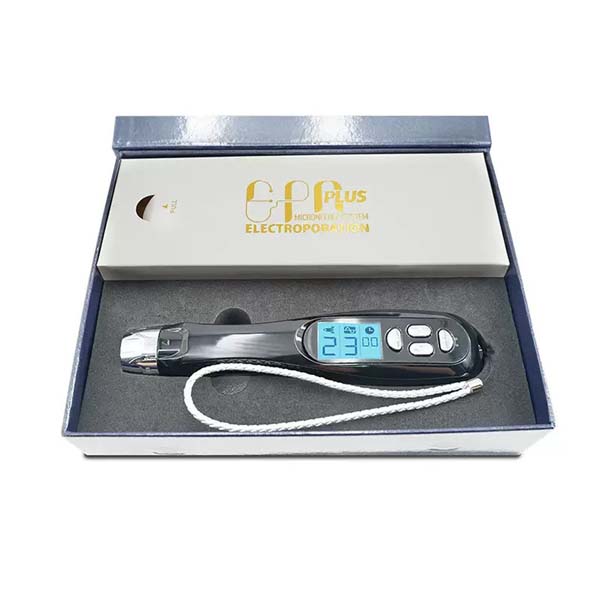
RF microneedling targets scars and texture at precise depths
Frequently Asked Questions
What is the best RF machine for a beauty salon?
For many beauty salons, a bipolar or multipolar RF facial machine is a practical starting point because it can fit into facial-care and skin-firming menus. Salons focused on body services may prefer a body RF system or an RF combination platform. The best option depends on your target customers, staff training, local regulations, and budget.
Is monopolar RF better than bipolar RF?
Neither technology is universally better. Monopolar, bipolar, and multipolar RF systems use different electrode configurations and are commonly used for different treatment areas and service menus. Buyers should compare handpiece design, cooling, controls, treatment protocols, warranty, and support—not only the RF label.
Is RF microneedling better than non-invasive RF?
They serve different business needs. Non-invasive RF is often used in facial and body skin-firming programs with minimal downtime. RF microneedling is an advanced category that uses needle cartridges and is commonly selected for texture-focused and skin-rejuvenation protocols. RF microneedling usually requires more training, consumable planning, and local compliance review.
How much does a professional RF machine cost wholesale?
Wholesale pricing depends on machine type, handpieces, cooling system, software, consumables, OEM requirements, documentation, and order quantity. Basic RF facial machines generally cost less than monopolar body systems or fractional RF microneedling platforms. Request a quote based on your exact configuration rather than comparing only advertised prices.
Can I put my own brand on an RF machine?
Yes. OEM options may include logo printing, startup screen customization, user-interface language, housing color, manuals, packaging, and carton artwork. MOQ and lead time depend on the level of customization.
What should I check before buying an RF microneedling machine?
Check needle depth range, insulated or non-insulated needle design, cartridge price, sterility documentation, consumable supply, handpiece warranty, software settings, training material, spare-parts availability, and local market requirements.
What certificates should an RF machine have?
Required documentation depends on the country, intended use, product category, and marketing claims. Buyers should request model-specific documents and verify them with a qualified local compliance adviser. CE, RoHS, FCC, ISO 13485, registration, listing, and clearance are not interchangeable terms.
Can I buy one RF machine as a sample before ordering in bulk?
Yes. We recommend starting with a sample unit, especially if you are working with a new supplier, entering a new product category, or planning an OEM project. A sample order lets you test quality, handpieces, software, packaging, documentation, and after-sales communication before placing a bulk order.
What spare parts should I order with my first RF machine order?
For many RF platforms, it is practical to consider spare handpieces, cables, power supplies, fuses, treatment accessories, and consumables where applicable. Ask your supplier for a recommended spare-parts package and price list before placing the initial order.
How long is the warranty for an RF machine?
Warranty terms vary by supplier and model. Confirm the warranty separately for the main machine, handpieces, cables, accessories, and consumables. Ask for a written warranty policy and spare-parts price list before ordering.
Request a Wholesale RF Machine Quote
Whether you need a salon RF facial machine, a monopolar RF body platform, a fractional RF microneedling device, an RF body-contouring system, or an OEM private-label solution, we can help you compare configurations and prepare a quotation for your market.
Contact Us for:
-
RF machine catalog
-
Wholesale price list
-
Sample order quotation
-
OEM and private-label proposal
-
Technical specification sheet
-
Spare-parts list
-
RF microneedling cartridge quotation
-
Factory video tour
-
Live product demonstration
-
Shipping quotation
Request Your RF Machine Catalog and Wholesale Quote