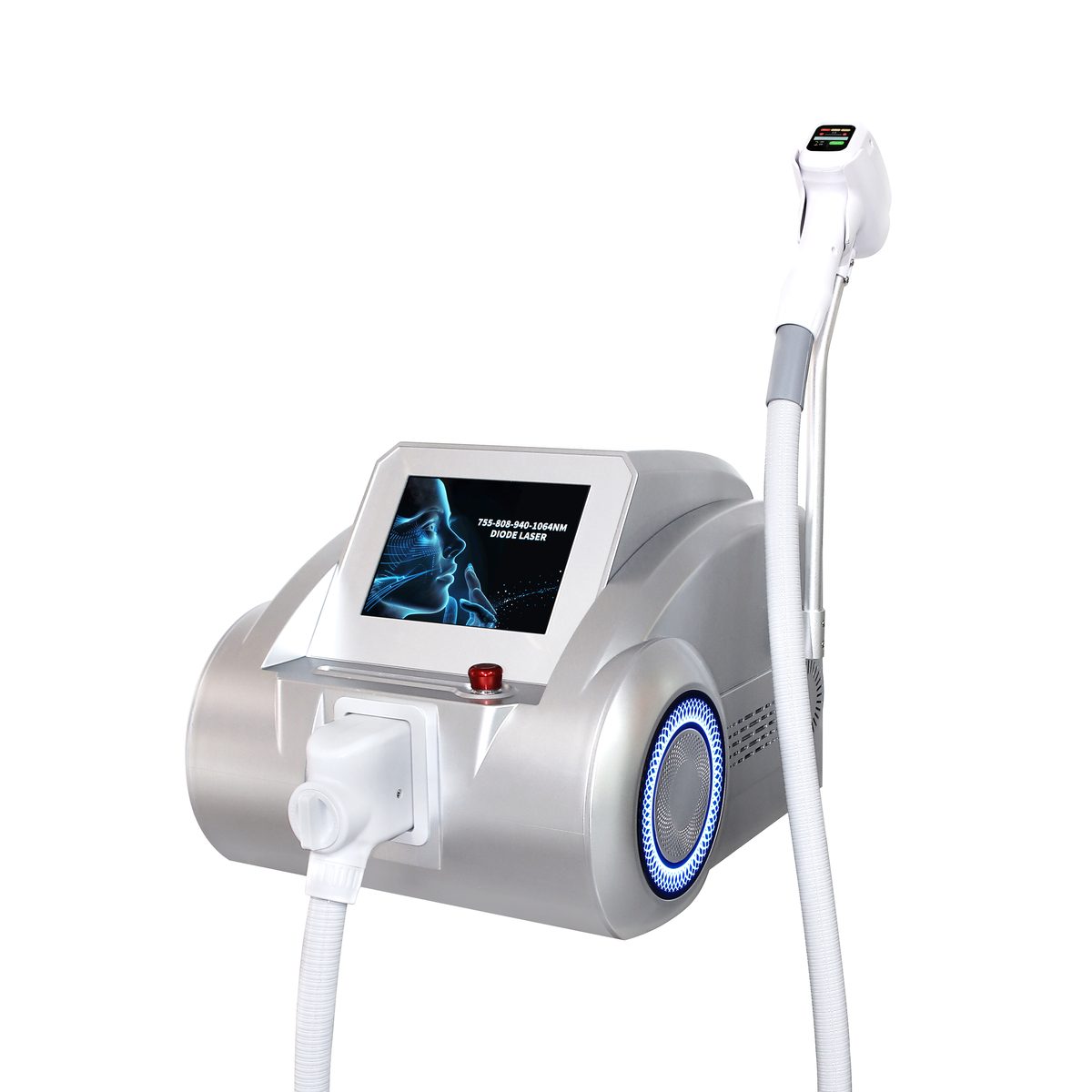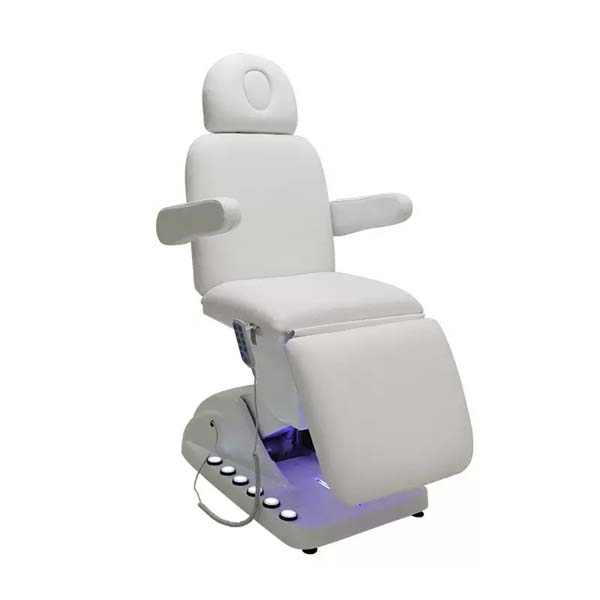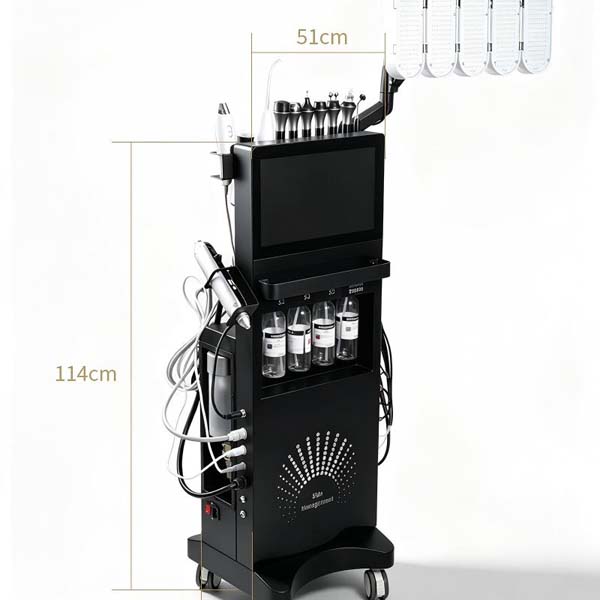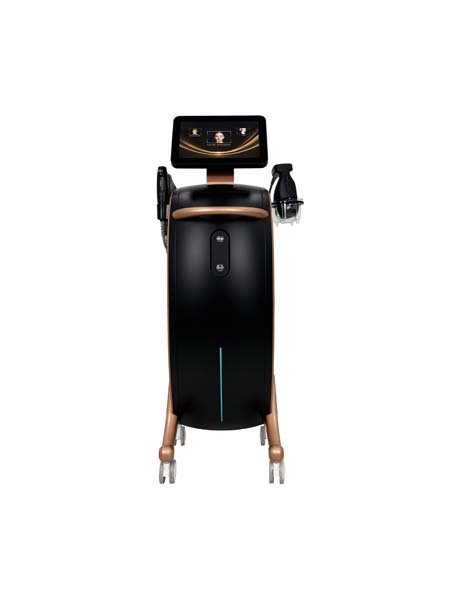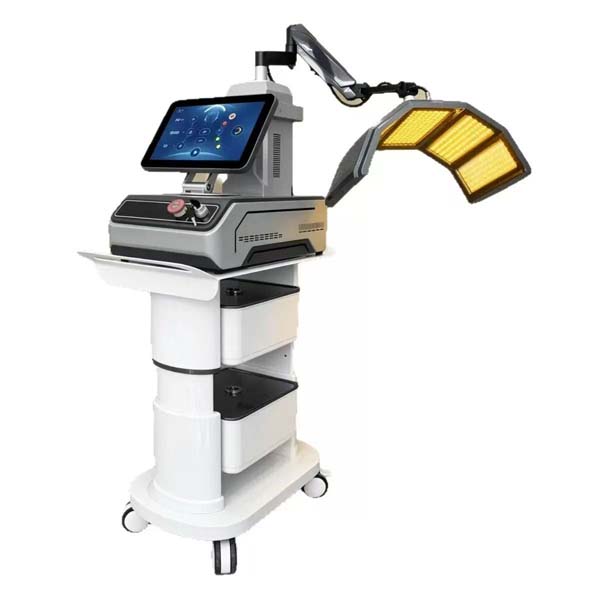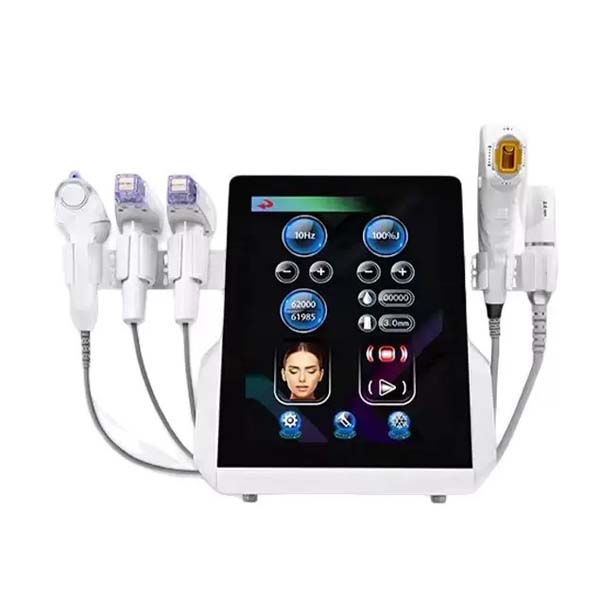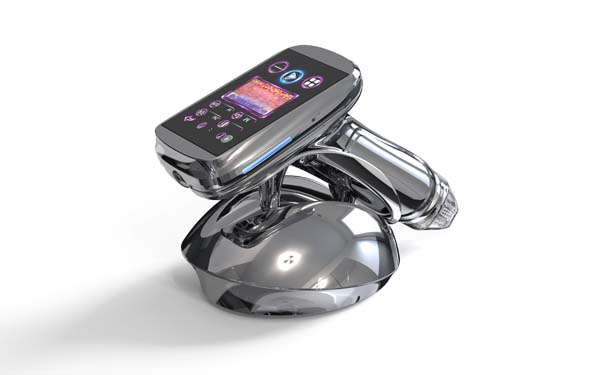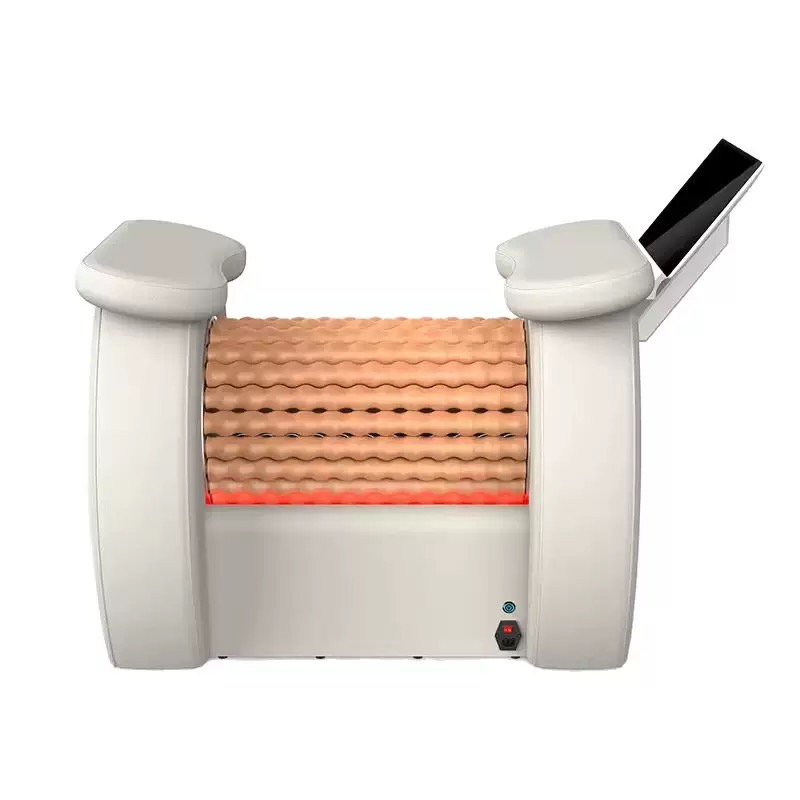
Hair removal is the single most requested treatment in the aesthetics industry, and the diode laser hair removal machine is the device professional salons, clinics and distributors invest in most. It is fast, works across skin types when correctly configured, and sells course-based treatment packages that pay the machine off quickly. But the market is full of confusing claims — 755nm, 808nm, 810nm, 980nm, three-wavelength, ice cooling, 2-in-1 combinations — and choosing the wrong configuration costs you clients.
This guide is the complete B2B reference: how diode laser technology works, every professional machine type explained, which wavelengths suit which clients, realistic treatment economics, and a practical playbook for buying diode laser machines wholesale from China. Links throughout take you to our deep-dive articles on each topic.
What Is a Diode Laser Hair Removal Machine?
A diode laser machine uses semiconductor diodes to produce a single, precise wavelength of near-infrared light that is absorbed by the melanin in hair shafts and follicles. The heat disables the follicle while surrounding skin stays cool — which is why modern machines pair the laser with active cooling. Compared with broadband IPL, a diode wavelength concentrates all energy where hair lives, delivering faster sessions and better results per joule. Why laser hair removal remains the best choice for smooth skin explains the fundamentals if you are new to the technology.
The commercial logic is simple: hair removal is a repeat, course-based service. Clients commit to 6–10 sessions, then return for maintenance — so a reliable machine keeps earning for years, and reliability is exactly what separates professional diode systems from cheap lookalikes.
Why Diode Laser Dominates Professional Hair Removal
Salons usually compare diode against IPL and Nd:YAG. Diode wins on speed (large spot sizes and fast repetition rates), on comfort (contact cooling), and on durability for high daily volume. Our IPL vs diode laser hair removal comparison breaks down the trade-offs for salons and clinics, and this guide to the best hair removal machine types maps every technology to a client profile. Nd:YAG still has a role for very deep, coarse hair on dark skin — our 2-in-1 Nd:YAG and 3-wave diode machine walkthrough shows how combination handles cover both.
One more commercial angle: ‘laser hair removal’ is also the strongest local search term in the industry. Clinics that add it capture clients searching laser hair removal near me — the same clients who then buy facial and body packages.
The Three Wavelengths Explained: 755 / 808 / 1064nm
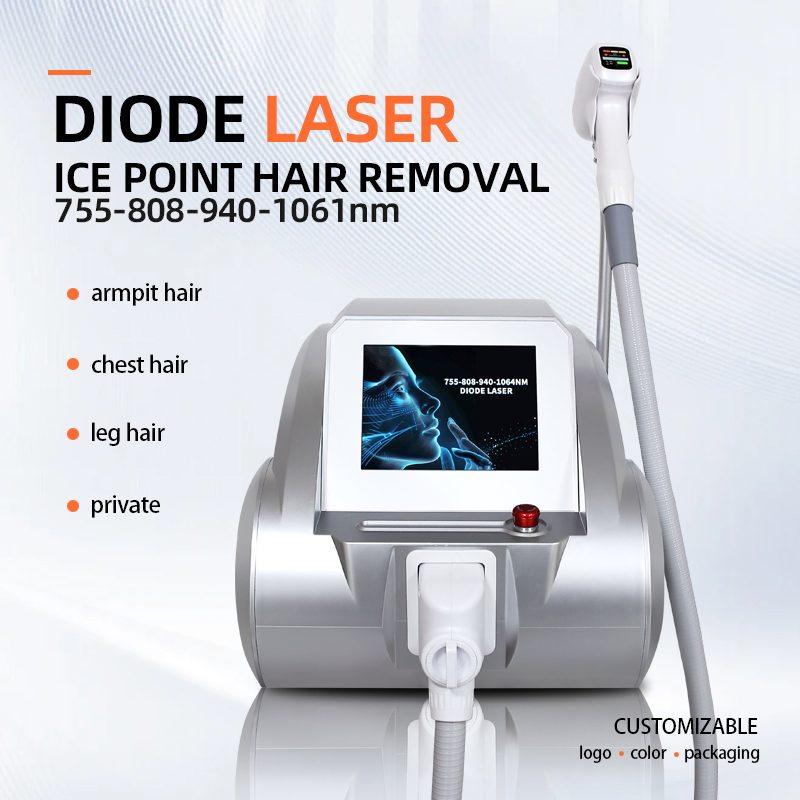
Every diode buying decision comes down to wavelength. 755nm (alexandrite-band) is absorbed strongest by melanin — ideal for light skin and fine hair. 808nm (often labelled 810nm) is the balanced all-skin-type workhorse. 1064nm penetrates deepest with the least melanin absorption, making it safest for dark and tanned skin. Our B2B guide to wavelengths and TEC cooling technology explains the physics and the cooling systems behind them.
If your client base mixes skin tones — which is true for most urban clinics and virtually all distributors — a three-wavelength system that emits 755+808+1064nm in a single shot is the safest inventory decision: one handpiece, every client, no second machine needed.
Types of Diode Laser Hair Removal Machines
This is where buyers get lost. Every machine below is a diode laser, but each targets a different market and price point.
808nm: The Industry-Standard Workhorse
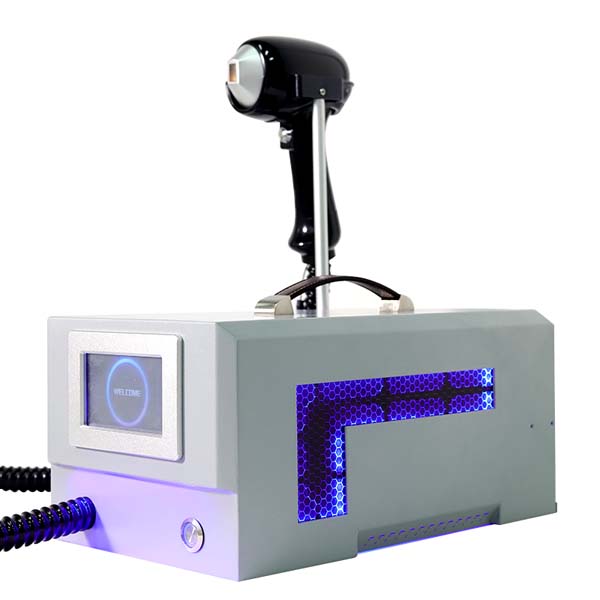
The 808nm single-wavelength machine is the volume seller of the industry: proven, affordable, and suitable for nearly all skin types. Start with our 808nm diode laser wholesale price guide, then go deeper with the complete guide to 810nm hair removal laser machines and how the 810nm diode achieves smooth-skin results. For the technology’s history, the evolution of 810 hair removal is a good read, and a user’s perspective on 810nm machines shows the client-side experience you can quote in marketing.
980nm and Specialty Diodes
980nm systems trade some hair-removal efficiency for vascular and pain applications — a diversification play for clinics with surgical or vein-treatment menus. See why the 980nm diode laser suits certain clinics before adding one to your order.
2-in-1 Diode + Picosecond Combination Machines
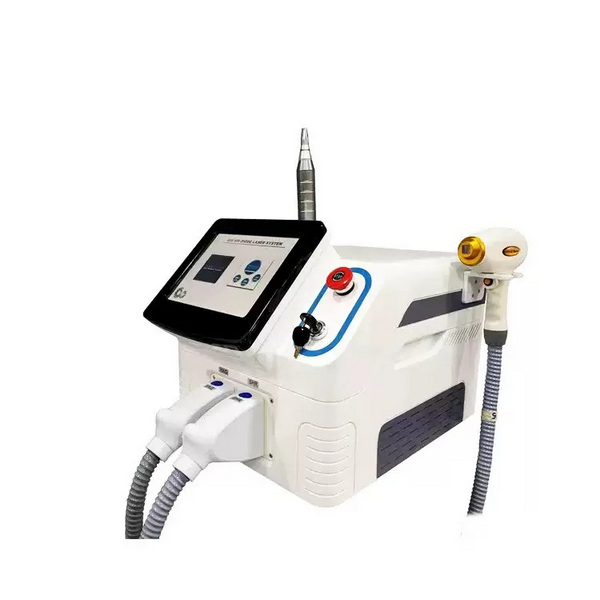
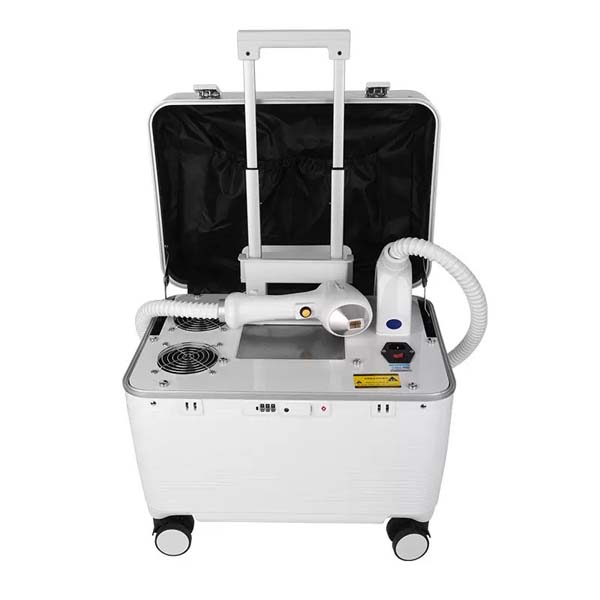
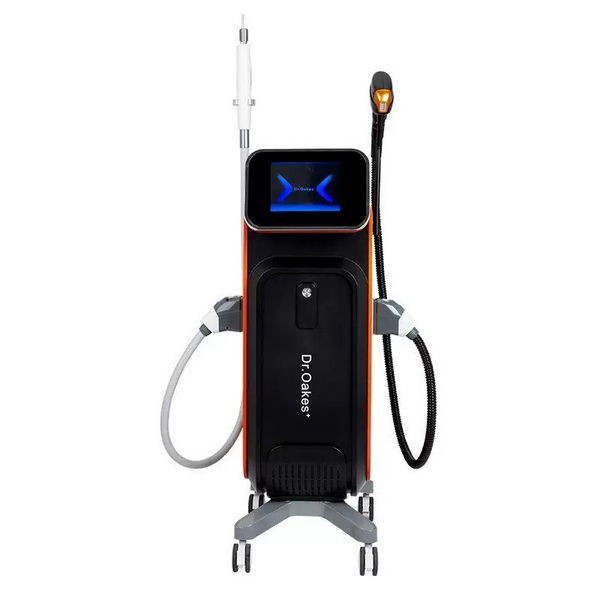
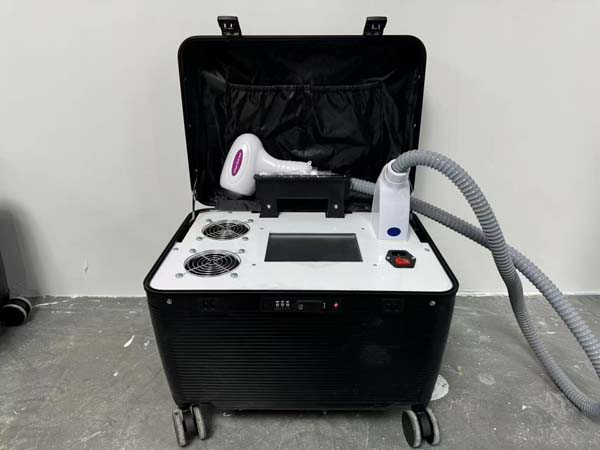
The fastest-growing B2B category: a diode hair-removal handle plus a picosecond tattoo/pigment handle in one portable chassis. One purchase opens two treatment menus — decisive for small salons. Why every modern clinic needs a 2-in-1 diode laser handle makes the case, and our 2-in-1 laser machine overview covers the category broadly. For the second handle, read the ultimate guide to picosecond laser machines, how picosecond tattoo removal works and how to choose a picosecond machine; pricing is in the picosecond laser price guide.
OPT and IPL-Diode Hybrids
Entry-level clinics sometimes start with OPT/IPL platforms and upgrade to diode later. If your market is price-sensitive, the 3-in-1 OPT laser machine guide and the IPL cooling machine guide cover the budget end — just budget for shorter device lifespans.
Choosing the Right Machine: 6-Point B2B Checklist
- Match wavelengths to your market’s skin tones — three-wavelength for mixed markets, 808nm-only for uniform fair-skin markets.
- Check real wattage and spot size — higher watts and larger spots mean faster sessions; ask for measured output, not brochure claims.
- Test the cooling system — ice-contact (sapphire) cooling is the client-comfort standard; verify handpiece temperature under continuous use.
- Verify certifications — CE, RoHS documentation with checkable report numbers; confirm how the factory handles FDA-related registration for your market.
- Confirm warranty and spares — 12–18 months is standard; spare handpieces and handles must be orderable at fixed prices.
- Buy a sample unit first — run it on real clients for a month before volume orders.
For a deeper walkthrough of the selection process, our dedicated article on how to choose the best diode laser hair removal machine covers each criterion in detail.
Logistics you should confirm in the same email: sample-unit lead time: 2-3days, bulk or container lead time: 15days, and the fixed price of a spare handpiece about USD$100.(differ item differ price).
Treatment Pricing & Machine Payback
US/EU session pricing typically runs $80–$300 for small areas and $150–$500 for full-body packages per session, sold in 6–10 session courses. A diode machine wholesaled in the low-to-mid thousands that sells even fifteen mid-price courses returns several times its cost — and hair removal clients reliably add facials and body treatments afterwards. The payback math only works with a reliable machine: shot-count-rated handles and proper cooling are what keep your booking calendar full and your refund rate at zero. One recent example: A newly opened beauty salon in the UK, with a first order of 2 808nm machines, expected to recoup costs in approximately 4 months.
Buying Diode Laser Machines Wholesale from China
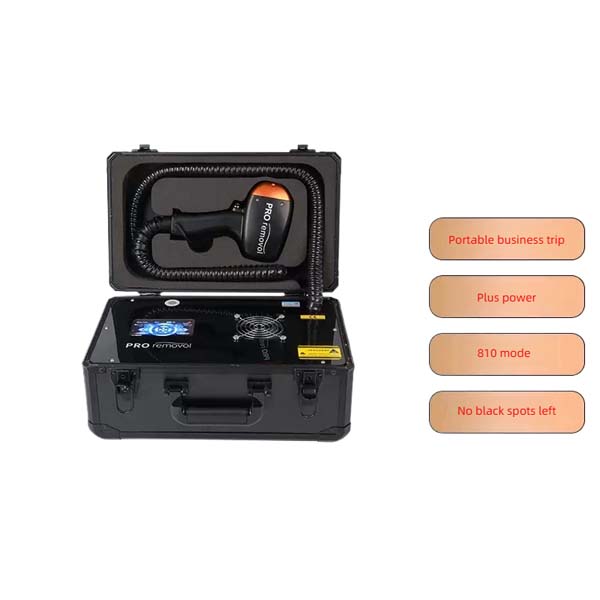
China builds the overwhelming majority of the world’s professional diode laser machines, and factory-direct purchasing is where your margin lives. The full sourcing playbook — vetting manufacturers, OEM branding, quality control, shipping — is in our complete beauty machine wholesale & OEM guide, with category-level advice in the professional aesthetic equipment wholesale guide and the OEM process in detail in the OEM/ODM customization guide from concept to market. Browse our current laser & hair removal machines and portable beauty devices for ready-to-quote models.
Three diode-specific buying tips: first, ask the supplier for a live video demo with real energy readouts and a real client treatment segment — not a stock video loop. Second, order one spare handle per machine in your first order; handles are the number-one failure point and having spares protects your booking calendar. Third, if you plan private label, confirm logo, housing color and manual customization in writing before the deposit.
On our side, every unit goes through 48 hours of continuous aging, calibration of each energy meter before packing, each serial number ships with user manual, and the handpiece is covered for 3months(Except for damages caused by human factors).
Where Diode Fits in Your Full Equipment Plan
Hair removal anchors the revenue, but most successful clinics pair it with a skin-tightening line (RF or HIFU) and a body-contouring line. See our RF machine wholesale guide for the anti-aging side, and the master wholesale guide to plan the complete menu and negotiate a bundled container order.
Frequently Asked Questions
How much does a diode laser hair removal machine cost wholesale?
Wholesale prices depend on wattage, cooling system and the number of wavelengths. From our own quotation book, an 808nm diode laser hair removal machine currently quotes at around US$1,000, and OEM logo branding adds US$30/pc. Compact single-wavelength units typically start around this level, while professional three-wavelength 755/808/1064nm platforms with ice-contact cooling sit higher. Always request a formal quotation based on your target configuration and quantity rather than comparing list prices.
755 vs 808 vs 1064nm — which wavelength do I actually need?
755nm targets light, fine hair on fair skin; 808nm is the all-skin-type workhorse and the industry default; 1064nm penetrates deepest and is safest for dark or tanned skin. If your market mixes skin tones, buy a three-wavelength system that emits all three in a single shot — one handpiece covers every client instead of forcing you to stock multiple machines.
Is diode laser better than IPL for a salon?
For professional use, yes in most cases. Diode lasers deliver a single focused wavelength with higher energy density, better melanin absorption at the follicle, and far better durability for high daily session counts. IPL uses broadband light, is slower per session, and suits low-budget entry menus. Our detailed comparison of IPL vs diode laser hair removal covers the trade-offs clinic by clinic.
How many sessions does a client need, and what revenue can I expect?
Standard protocols run 6 to 10 sessions spaced 4 to 8 weeks apart, with maintenance sessions afterwards. Because hair removal is a course-based service, a single client typically spends several times the machine’s unit price over a full treatment package, and diode machines handle high daily session counts — making them one of the fastest payback devices on a salon menu.
Can I put my own brand on wholesale diode laser machines (OEM)?
Yes. Established China-based manufacturers routinely offer logo printing, custom housing colors, packaging, software language and manuals on diode laser machines. Confirm OEM terms, sample lead time, warranty length and spare-handle availability in writing before production starts.
What should I check before wiring a deposit to a supplier?
Verify business licence and factory address, ask for CE and RoHS documentation with report numbers you can check, confirm the warranty period (12–18 months is standard) and that spare handpieces are available, request a live video demo with real energy readouts, and order a sample unit to test on real clients before committing to volume.
The question first-time buyers ask us most is ‘’Can your handle be used on my current machine ‘’— our answer: The hole position of each machine is differ, and the handle is not universal.
Ready to compare machines? Browse the laser & hair removal category or start from the complete wholesale guide to structure your first order.
Related reading: Are Hair Removal lasers Safe? A Comprehensive Guide to Every Method, Is Soprano Titanium Good?, Professional vs. At-Home Laser Epilation Machines: Which Is Right, The Role of the Woods Lamp in Detecting Pigmentation Disorders, Why You Need a Skin Color Detector in Your Skincare Kit, and Enhance Precision with a Magnifying Lamp.