Search for “best HIFU machine” and you get a wall of specifications that all sound identical: certain shots, certain lines, a number of dimensions. None of that tells you which machine will sell in your market. This guide compares the HIFU types actually being sold in 2027 by what they do in a treatment room, and by what they cost you to own.
What Changed in HIFU by 2026
Three shifts matter to buyers:
- Multi-depth cartridges became standard on mid-range machines, so fewer swaps and shorter sessions.
- Body HIFU matured into a fat reduction service with its own protocols, rather than a face device with a bigger cartridge.
- Running costs became the deciding factor. As machines got cheaper, cartridges became the variable that decides whether a treatment is profitable.
The Three Types You Will Be Quoted
7D MMFU (multi-depth face and neck)
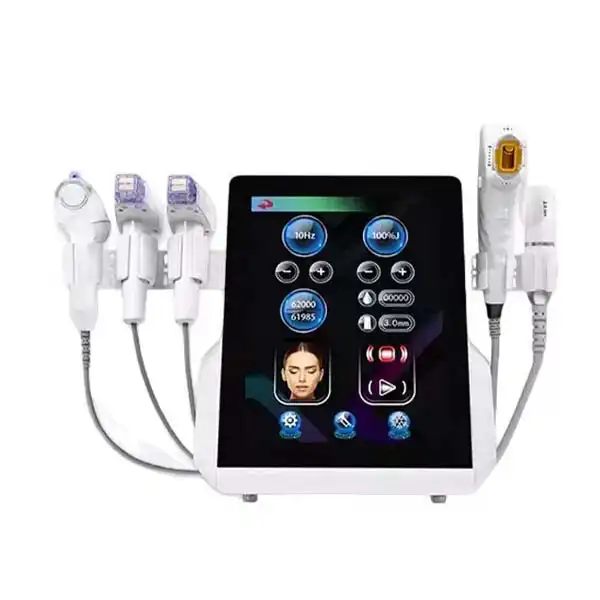
Multiple cartridge depths covering different skin layers, intended to treat several concerns in one session — tightening, texture and superficial lines. The practical benefit is coverage: an operator can plan a treatment across depths without changing the handpiece twice.
4D HIFU
The earlier and still widely sold configuration: fewer depths, simpler cartridge set, lower machine price. Well suited to clinics that want one reliable lifting treatment and do not need the whole depth range.
Body HIFU (Liposonix-type)
Deeper penetration and larger treatment areas, aimed at localised fat. It carries a higher price and a different client conversation — measurable fat reduction over weeks rather than an immediate lift.
What “7D” Actually Means
It describes how many depth options the system offers per pass, not the energy of the device. Two machines both advertised as 7D can differ completely in output, cartridge quality and shot count. When you compare quotes, ignore the headline number and compare these four rows instead:
- Cartridge depth list (millimetres) and what each is used for.
- Shots per cartridge.
- Energy range and whether the operator can step it up smoothly.
- Handpiece serviceability and spare-part availability.
Cartridge Economics: The Real Ownership Cost
The machine is a one-time purchase; cartridges are not. A simple model:
- Shots per cartridge ÷ shots per treatment = treatments per cartridge.
- Cartridge price ÷ treatments per cartridge = consumable cost per treatment.
- Compare that number against your session price. If consumables eat more than a quarter of the price, revisit your protocol or your cartridge source.
Our cartridge pricing and typical treatments per cartridge: Cartridges are priced by type — a face cartridge and a body cartridge are not the same item, so there is no single cartridge price. Each type carries a manufacturer shot rating, and that rating is what you divide by your shots per treatment; the price list and the rating for each type come with the quotation. Stocked cartridges ship within 2–3 days, and a production run takes about 15–20 days.
Cartridge Depth Map: Face, Neck and Body
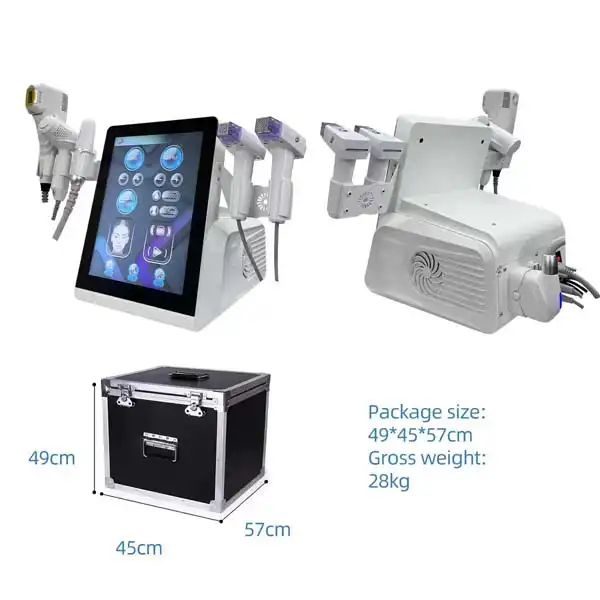
Cartridge numbers are not marketing labels; each one is a depth in millimetres.
- 1.5 mm — the superficial dermis. Fine lines, skin texture, and the standard starting depth for most face work.
- 3.0 mm — the deeper dermis. Laxity on the cheeks and jawline; the workhorse of lifting protocols.
- 4.5 mm — the SMAS layer. Structural lifting, and the depth most clients are actually paying for.
- 6.0 mm and deeper — neck and décolleté in selected protocols, and body work where subcutaneous fat is the target.
- 9.0 / 13.0 mm — body fat reduction, not lifting. A different handpiece and a different treatment plan.
A machine offering only 4.5 mm can still lift, but its treatment menu is narrow. When you compare systems, list the depths included in the package, not the total number of cartridges.
Judging a HIFU Machine Before You Buy
- Treatment record and presets. Useful when staff, not owners, run the machine.
- Cartridge seating and feedback. Loose seating wastes shots; ask how the handpiece confirms contact.
- Cooling and duty cycle. Can it run a full day of appointments without pausing?
- Screen and language. Specify your market’s language before production.
- Training material. Depth selection per area is a skill; a protocol sheet saves months.
What we ship with each HIFU machine: The handpiece, a starter cartridge set, the operation manual, an operation video and the CE documentation for the model. The number of cartridges in the package depends on the configuration you order, so it is written line by line in the quotation rather than assumed.
What a Good Demo Video Looks Like
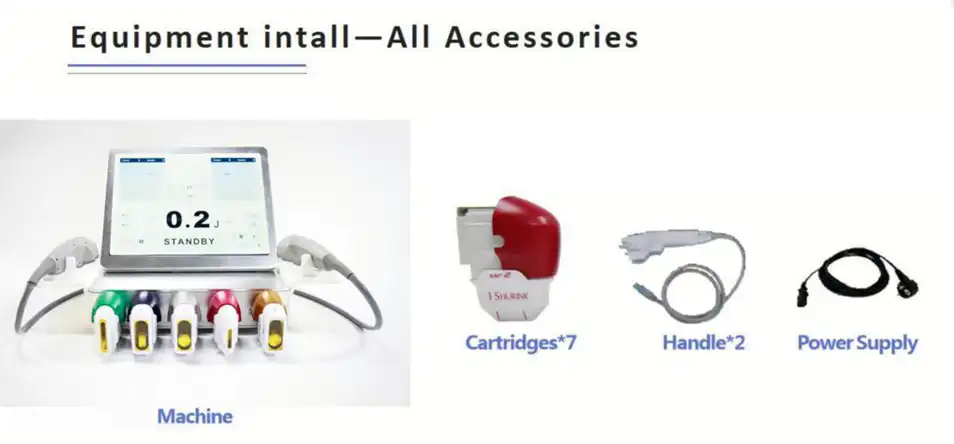
Ask for a live video, and ask for these five shots:
- The serial plate and model number, on camera, on the unit you are buying.
- A cartridge being seated, and the screen confirming contact.
- A full pass on a treatment area, with depth and energy visible on screen.
- The treatment record screen after the pass — shots used, time, settings.
- The spare cartridge, the handpiece cable and the packing crate.
Then ask one question: “What happens when a cartridge stops mid-session?” The answer tells you whether the supplier has actually operated the machine.
Price Bands and Business Fit
| Type | Typical buyer | Price band | Session model |
|---|---|---|---|
| Entry 4D HIFU | New clinic, first lifting device | Entry | One treatment, top-up at 3–6 months |
| 7D MMFU | Busy salon or clinic | Mid | Face and neck packages |
| Body HIFU | Clinic with fat reduction demand | Higher | Course of sessions per area |
Current price bands and what drives the difference between models: Price moves with configuration, not brand: the number of cartridges in the package, screen size, output power and depth range all change the build cost, and a body HIFU system costs more than a face-only unit because of the handpiece and its depth range. Compare machines at the same cartridge count — that line is the one most often used to make a cheap quote look cheaper.
First HIFU: Five Mistakes Buyers Make
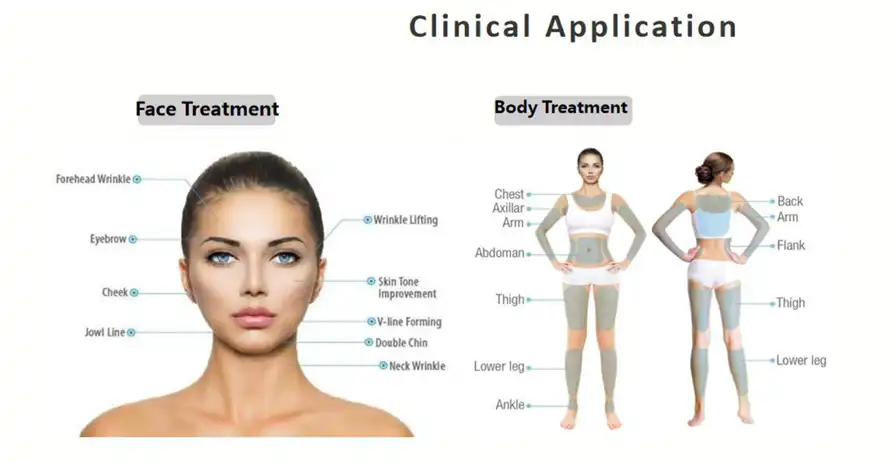
- Buying on depth count. Five cartridges sounds better than three until you find only one is in the package.
- Ignoring shots per cartridge. The cartridge is the running cost; the machine is only the entry ticket.
- Assuming one machine covers face and body. Body work needs a different handpiece and a different depth range.
- Skipping the treatment record. Without it, staff cannot repeat a good result or explain a poor one.
- No protocol training. Depth selection per area is a skill, and it is the difference between a lifted jawline and a bruised one.
Cartridge Reordering and Stock Planning
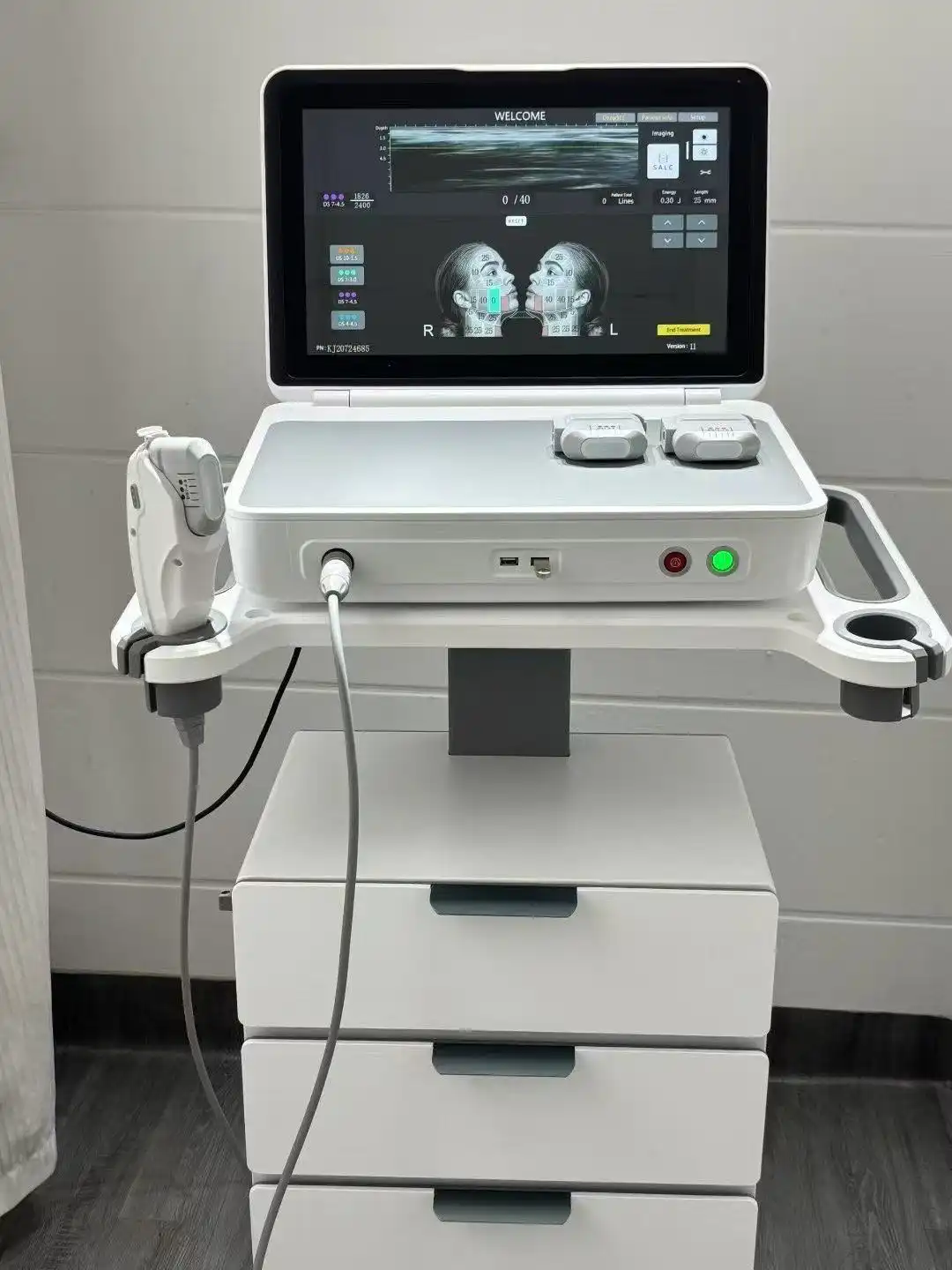
Cartridges are the only part of a HIFU business that you will buy again every month, so the reorder path matters as much as the first order.
Keep the type list, not just the quantity. Write down the cartridge codes you actually use — the 1.5 mm and 3.0 mm face cartridges move faster than the 4.5 mm, and the body cartridge is bought in a different rhythm. Stock against the list, not against a guess.
Set a reorder point. Count how many treatments a cartridge delivers, multiply by your weekly sessions, and set the reorder point at four weeks of cover. That buffer absorbs a production delay without moving appointments.
Agree the reorder price in writing. The cartridge price at the time of the machine purchase is not guaranteed forever. Ask for the current reorder list, and ask how much notice you get before a price change.
Keep one spare handpiece cable and one spare cartridge seat. Both are small, both stop a treatment when they fail, and neither is expensive next to a lost booking.
Red Flags When Comparing Quotes
- Unlimited shots claimed on a cartridge — ask what the manufacturer’s own rating is.
- No reorder price list for cartridges.
- No treatment protocol material, or protocols copied from a different device.
- Warranty described only as a number of months, with exclusions unstated.
- Energy figures quoted at machine level rather than at the handpiece.
Buying Direct, and What to Ask For
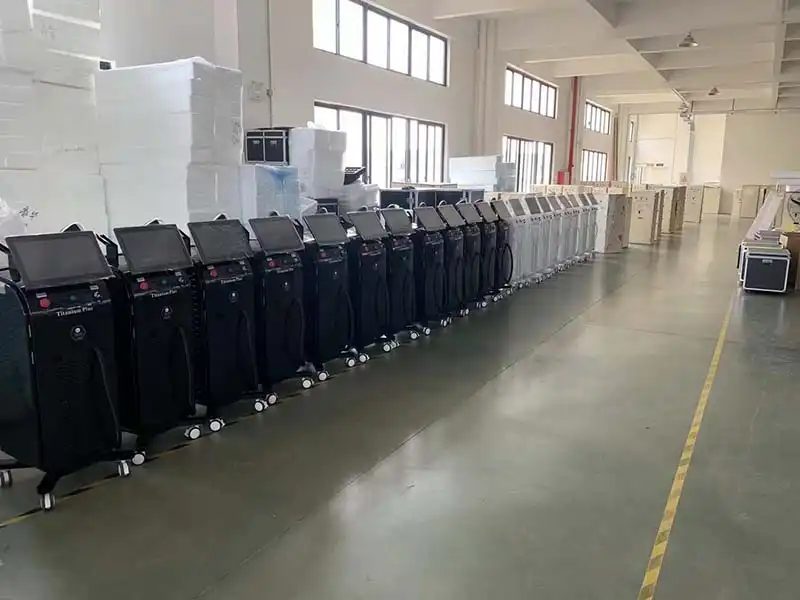
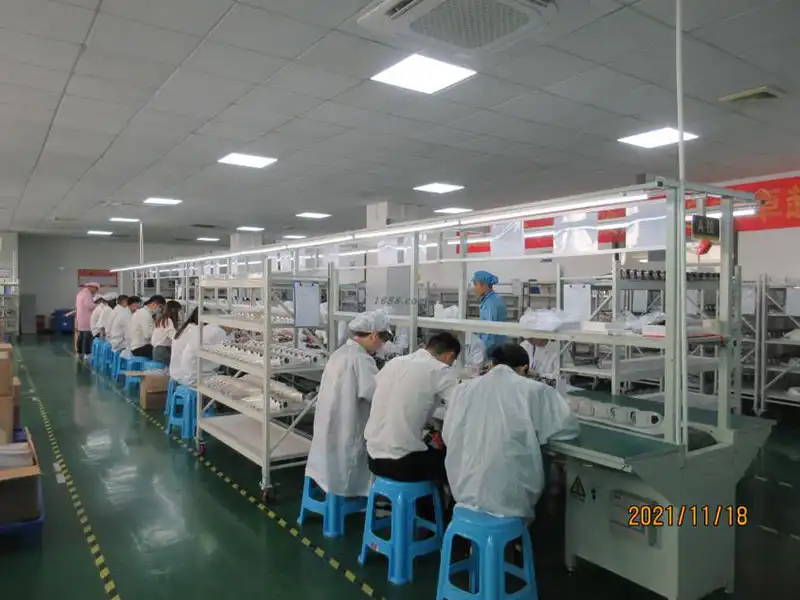
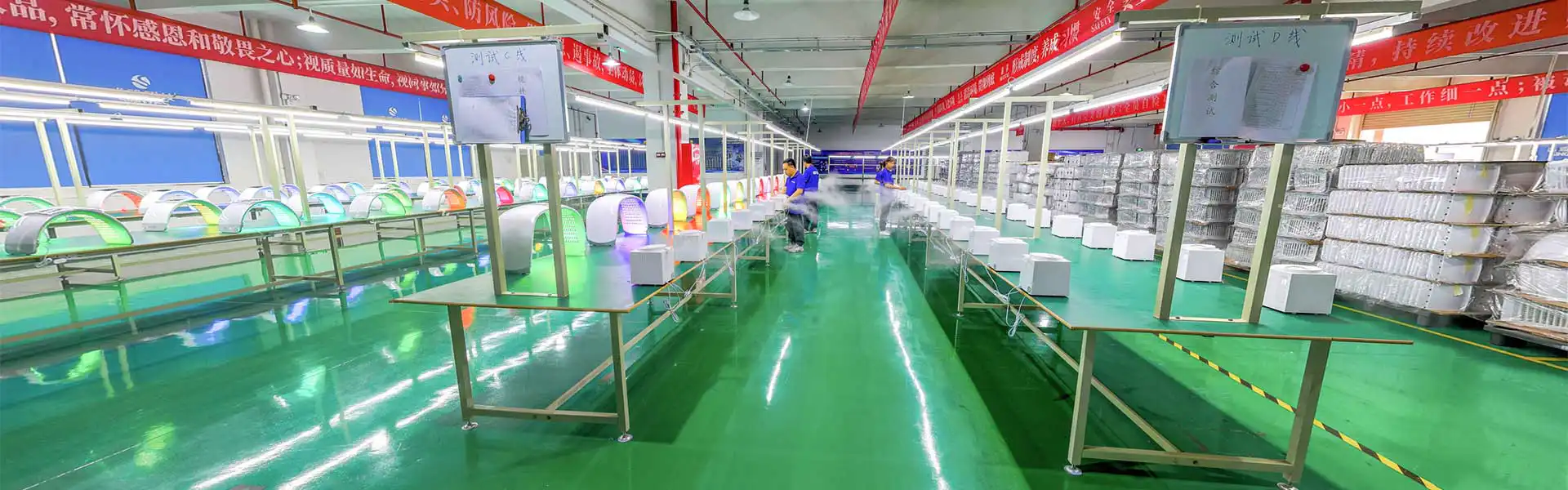
Buying direct from a factory gives you cartridge supply at source price, configuration control and the option of your own brand. Ask for a consolidated quotation containing the machine, cartridge set, spare cartridges, warranty terms with exclusions, lead time and documents. Our HIFU machine wholesale guide breaks down the types and price logic in more detail, and the wholesale and OEM guide covers how to structure a first order.
Warranty terms on our HIFU machines and how cartridges are covered: The main unit carries a 12-month warranty. Cartridges are consumables and are not covered by the warranty; damage from improper use is not covered. Worn or empty cartridges are replaced from the cartridge price list, and a handpiece that fails can be swapped with online technical support.
Month-to-Month Maintenance: What Keeps a HIFU Machine Working
A HIFU machine has few moving parts, and that is exactly why the routine is short — and why skipping it is expensive.
- Every session: check the cartridge seat, wipe the handpiece coupling, confirm the shot count resets.
- Weekly: run the self-test, check the cable jacket for cracks, clean the screen and the handpiece contacts.
- Monthly: inspect the handpiece cable at the bend point — that is where it fails — and record the shots used per cartridge so you can predict a reorder.
- Every six months: have the output confirmed against the manufacturer’s reference, especially if results start drifting.
Write the routine on a card and keep it with the machine. When staff change, the card is what keeps the treatment consistent.
Deciding in One Afternoon
- Decide which service you are selling: lift, fat reduction, or both.
- Pick the type that delivers it: 4D, 7D, or body HIFU.
- Compare cartridges, not dimensions.
- Model the monthly consumable cost against your session price.
- Buy from the supplier who answers the cartridge and spare-part question first.
Building a Treatment Menu Around One Machine
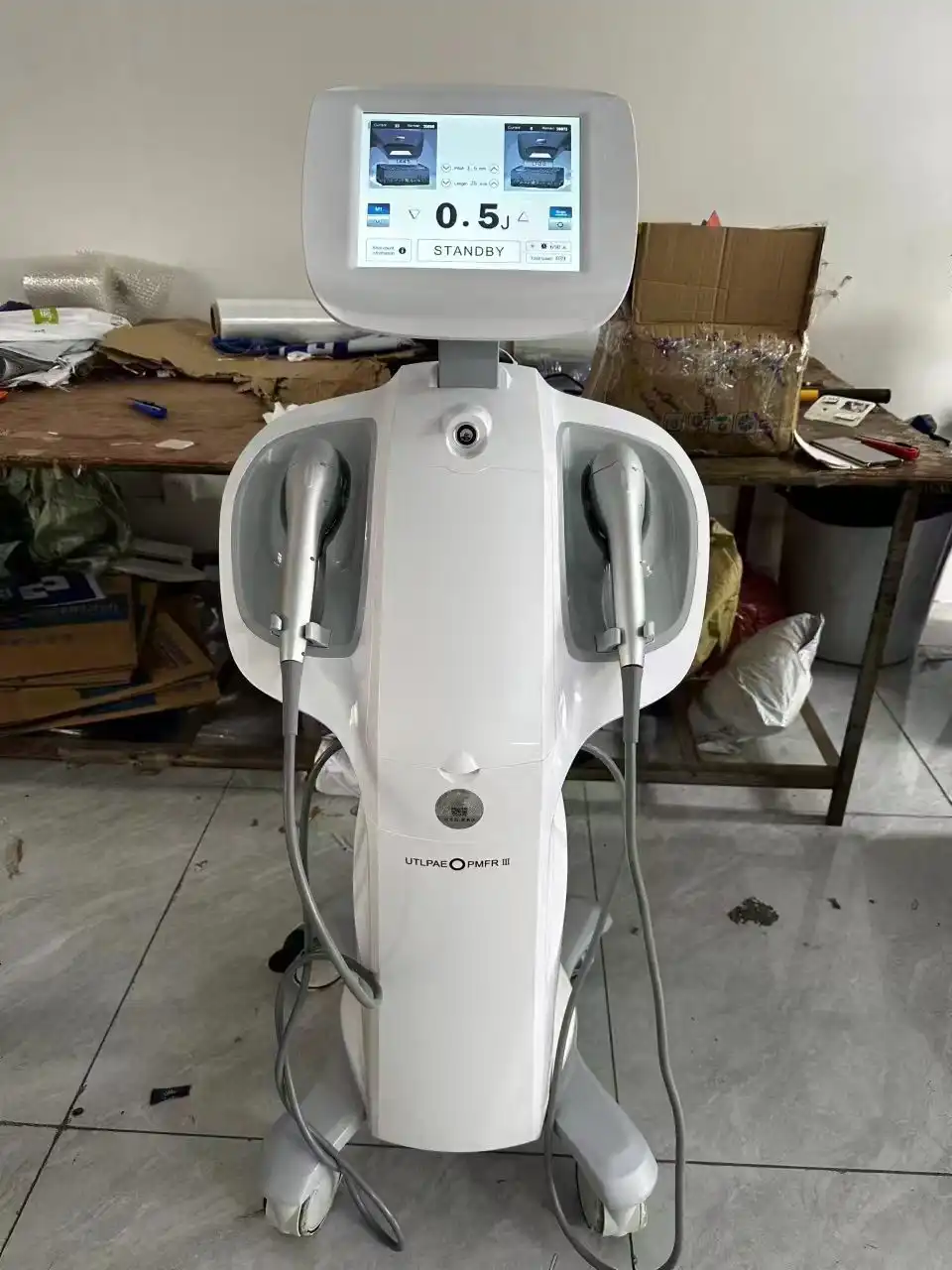
One HIFU machine can carry a menu of four services if the depths and cartridges are planned:
- Full-face lift, sold as a single session with a three-month review.
- Jawline and neck, sold as a targeted session for clients who do not want a full face.
- Body tightening on the abdomen or arms, using a body handpiece and a course of sessions.
- Maintenance, one session every six months at a lower price.
Price each service separately. A single “HIFU treatment” price forces every client into the same package and hides the margin on the deeper, higher-value work.
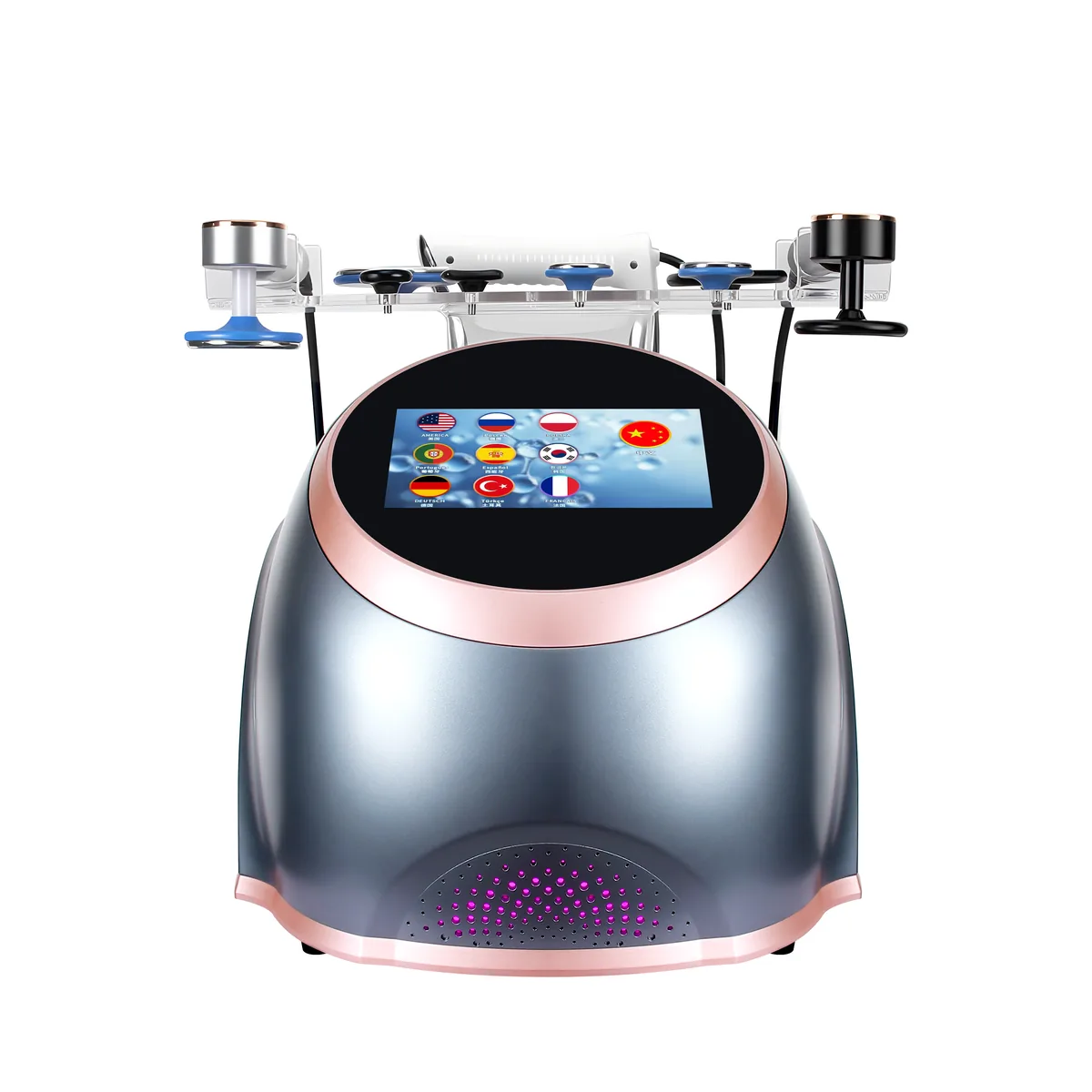
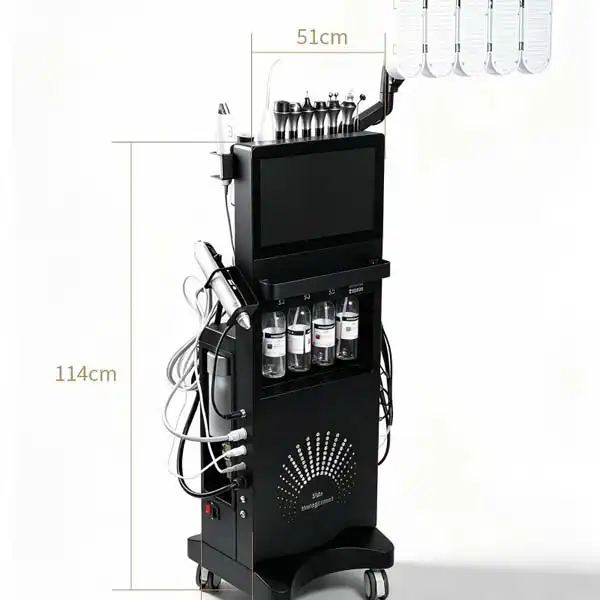
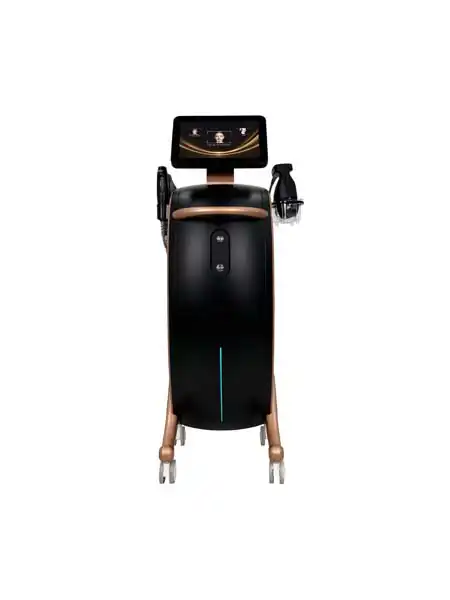
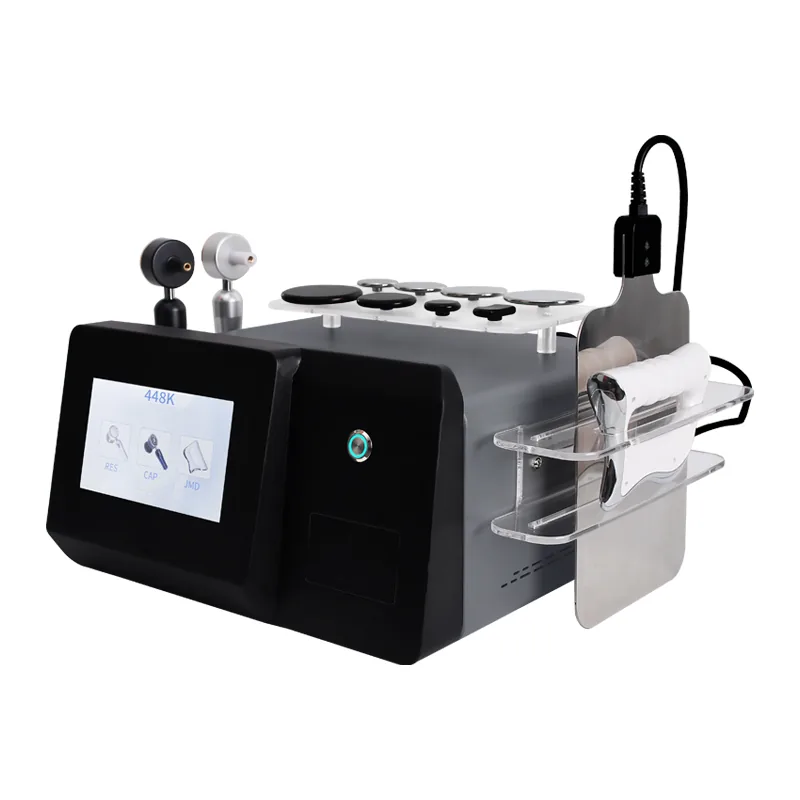
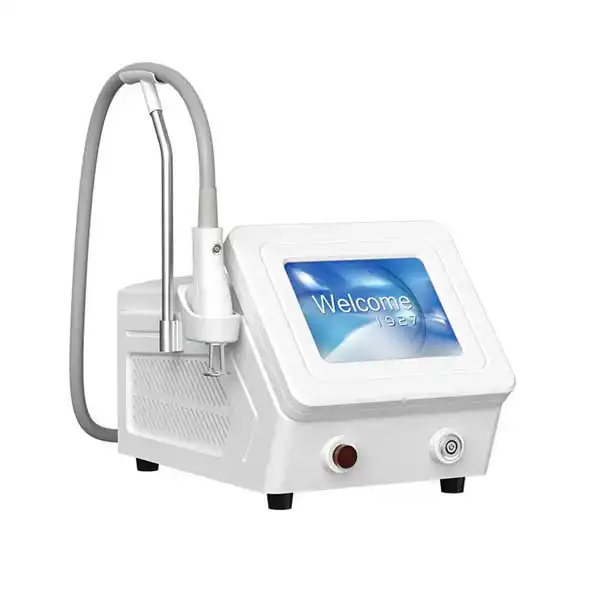
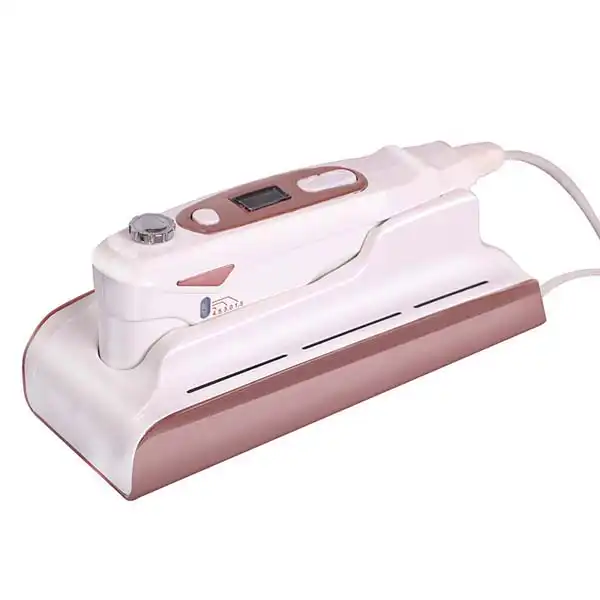
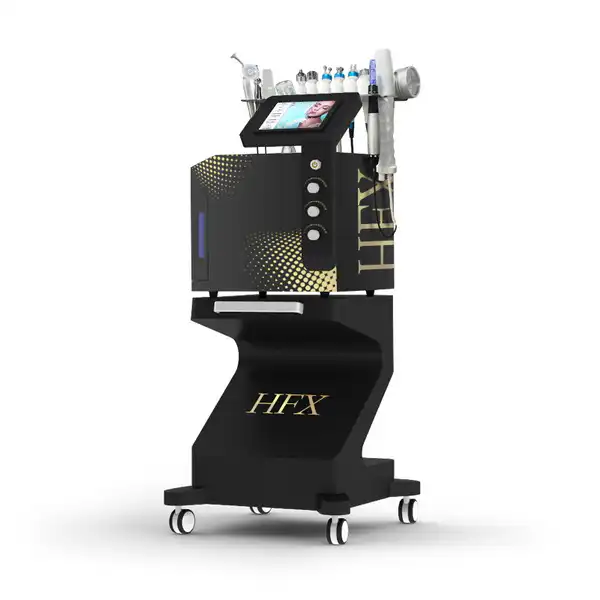
How we quote our HIFU units: we usually do not lead with model names — we send photos and unit styles (7D handheld style, 4D trolley, body HIFU platform) with the full specification next to each picture. Most of our HIFU buyers are distributors and beauty salons, and matching by photo plus spec sheet avoids the model-name confusion that comes from every factory using its own naming. Tell us your market and price band and we will send the matching styles for comparison.
Frequently Asked Questions
What is the difference between 7D and 4D HIFU?
The number refers to the number of cartridge depths or treatment lines the system can deliver in one pass. More depths means fewer handpiece changes and better coverage of different skin thicknesses; it does not automatically mean stronger output. Ask for the cartridge list and the energy range rather than the number on the front of the machine.
How many cartridges will I use per year?
It depends on your treatment volume and cartridge shot count. Ask your supplier for the shots per cartridge and the reorder price, then calculate a monthly consumable cost for the volume you expect. Cartridges are the main ongoing cost of owning a HIFU machine.
How long does a HIFU treatment take?
Full-face treatments are typically 30–60 minutes depending on the areas and the number of depths used. Body areas take longer. Treatment spacing is usually weeks apart, not days.
Is HIFU painful?
Most clients describe warmth and a prickling sensation at deeper settings. Comfort varies by area and by energy level; most devices let the operator step energy up progressively, which is standard practice.
What should I check before paying a deposit?
The cartridge list and price, the energy range, the screen and preset functions, warranty scope with exclusions, spare-part availability for the handpiece, and training material in your language. All of it in writing.
Related Reading
- HIFU Machine Wholesale: 7D/4D/Mini Types, Prices & Buying Tips
- HIFU vs RF Machine: Which Anti-Aging Technology Maximises Spa Revenue
- How the Liposonix Machine Works
- Body Sculpting Technologies Compared
Sourcing for your salon or distribution business?
Tell us the machine types and target quantity — we reply with factory-direct pricing, lead time and available export documents.