Why two suppliers quote the same machine at very different prices
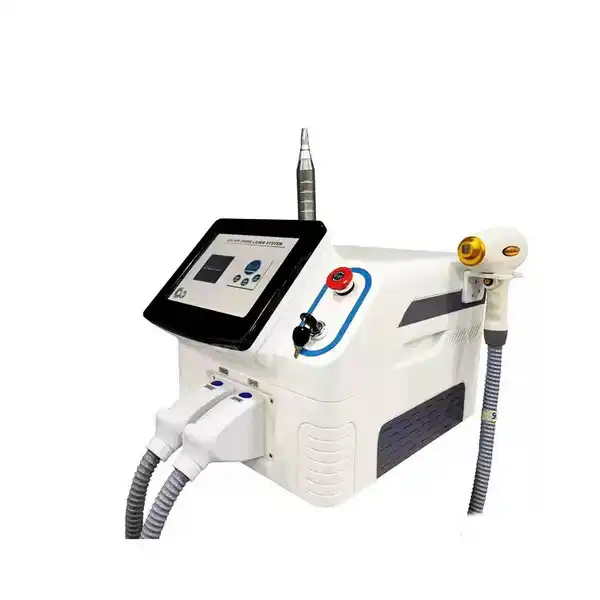
Send the same specification to five factories and you will get five prices, sometimes far apart. That gap is not usually profit — it is the cost of parts you cannot see in a photo. Two machines with identical housings and identical screens can differ in the laser source, the cooling design, the handpiece grade and the software inside, and those four things decide both the price and whether the machine still works in year three.
This guide breaks down what you are actually paying for, so you can compare quotations on structure rather than on the final number. If you want the commercial context first, the beauty machine wholesale & OEM guide covers how factory-direct supply works.
The five components that decide most of the price
- The energy source. On a laser platform this is the laser bars or the generator; on an RF, HIFU or cavitation device it is the power module and transducer. This is usually the single largest line in the bill of materials, and the hardest to judge from outside.
- The handpiece or applicator. Grade of optics, number of treatments the handpiece is rated for, and whether it is repairable or sealed and disposable. A cheaper machine often means a handpiece you replace sooner.
- The cooling system. Compressor quality, radiator size, water circuit and the safety cut-offs. Under-specified cooling is the most common cause of a machine that works beautifully in the showroom and overheats in a busy clinic.
- Screen, software and control board. Treatment protocols, language options, logging, and whether the software is stable or resets mid-treatment.
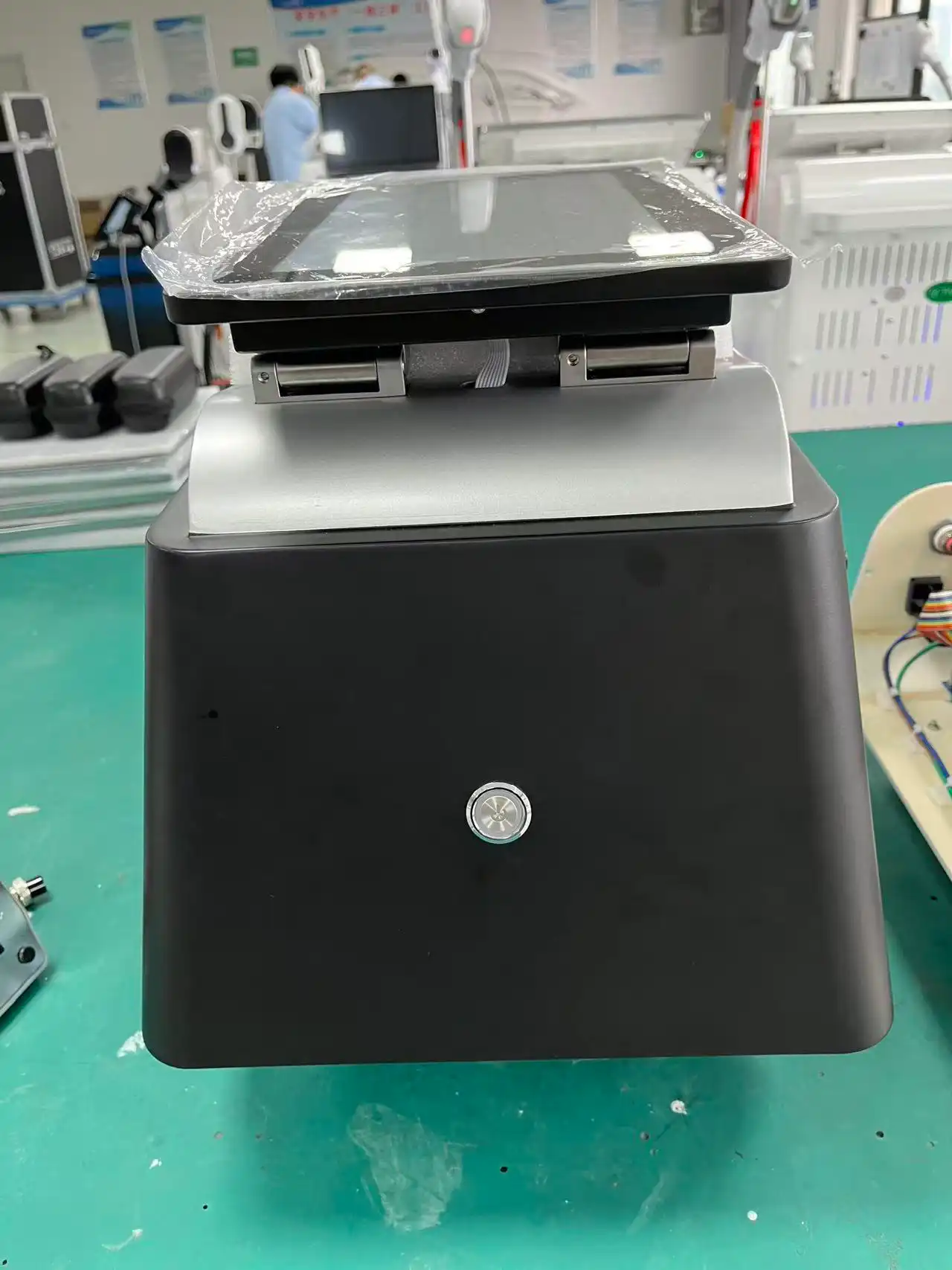
- Housing, finishing and assembly quality. The visible part, and usually the smallest share of the cost — which is exactly why a good-looking shell tells you very little about the machine inside it.
A useful habit: when a quotation is far below the others, ask which of these five changed. The answer is usually in the first three.
Price bands by equipment category
Rather than publish a single number that goes stale, it is more useful to know what moves the band in each category. Each of our category guides goes deeper on its own economics:
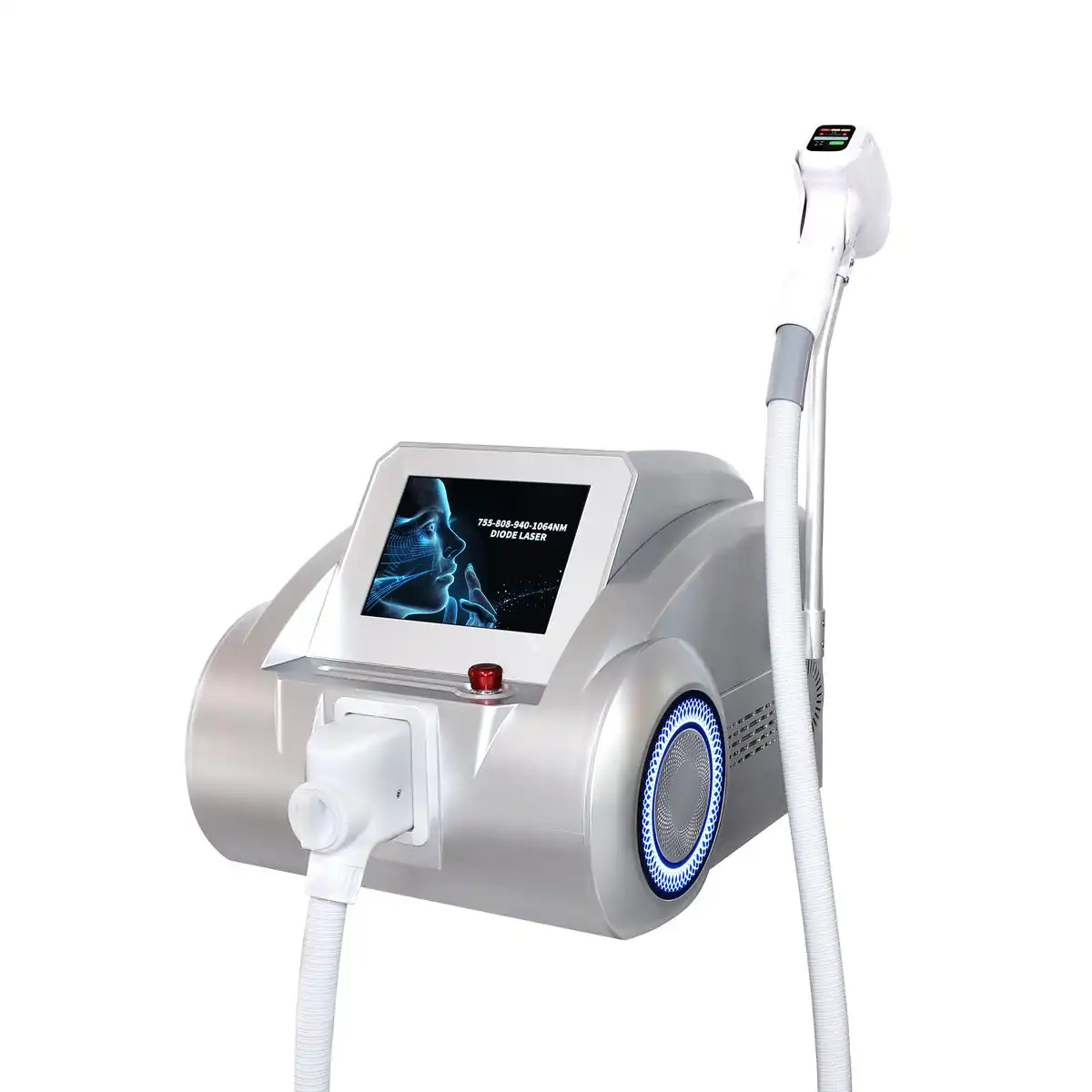
- Diode laser hair removal — price follows wavelength combination (755/808/1064nm), laser power and handpiece grade. See the diode laser hair removal machine wholesale guide and the 808nm diode laser price guide.
- HIFU — price follows cartridge count per treatment, cartridge cost and the number of handpieces. See the HIFU machine wholesale guide.
- RF and microneedling — price follows the number of applicators and the consumable needle cartridges. See the RF machine wholesale guide.
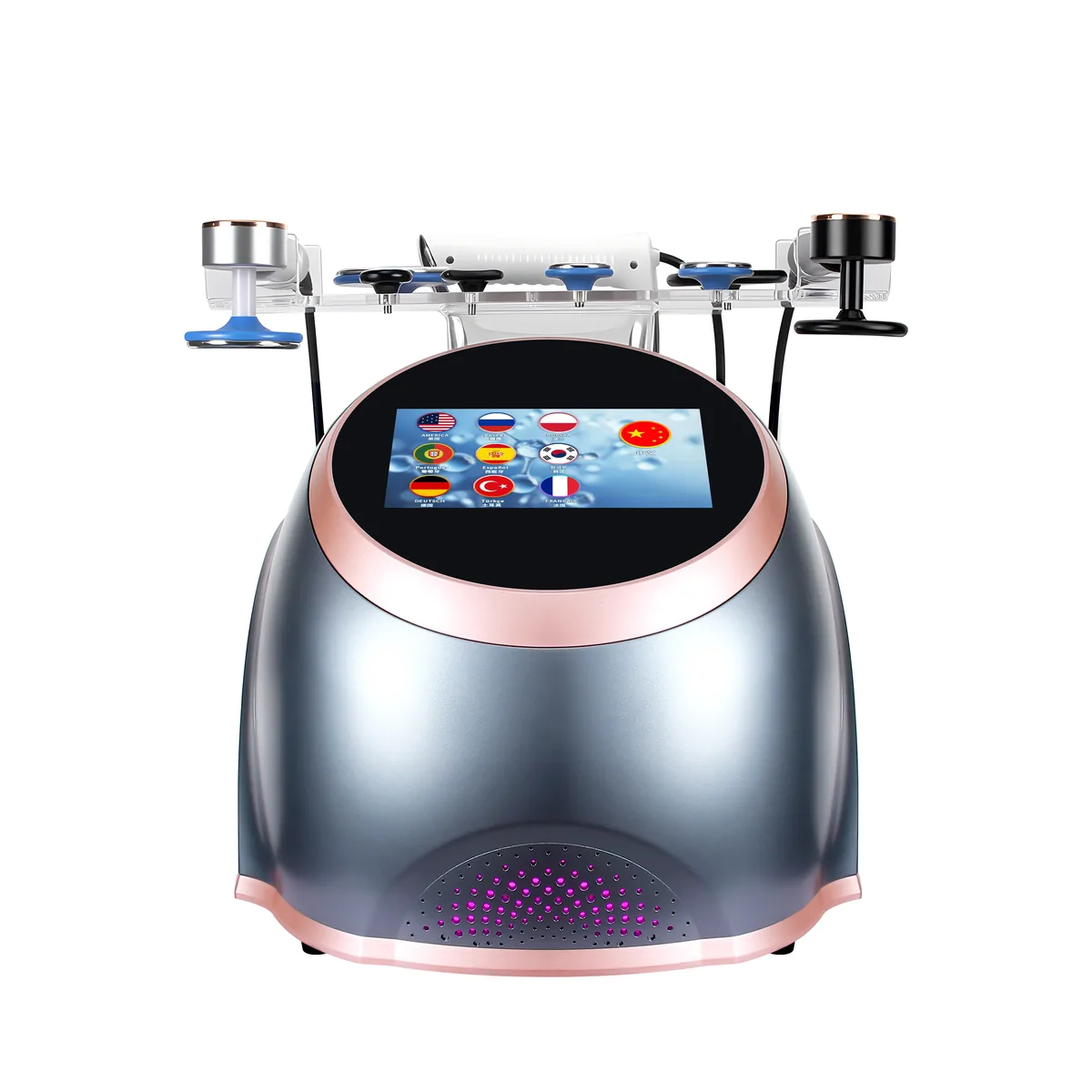
- Body contouring — price follows the number of handpieces and the output of the power module. See how to choose a professional body slimming machine and the ultrasonic cavitation machine wholesale page.
- Facial and hydro-dermabrasion — price follows the number of functions and the tip or solution system. See the hydrodermabrasion machine wholesale guide.
- Tattoo removal — price follows the laser type and the spot-size adjustment. See the picosecond laser machine price guide.
Volume, MOQ and how the price curve bends
Unit price falls with quantity, but not in a straight line. There are usually three or four steps — the single-unit price, the small-batch price, and the container-level price — and the biggest drop happens where a full container becomes possible, because packing and freight stop being calculated per unit and start being calculated per container.
The practical consequence for a first order: ask for the price at your realistic second-year volume, not just at the quantity you are buying today, and ask what quantity unlocks the next step. That single question often changes how you plan the first order.
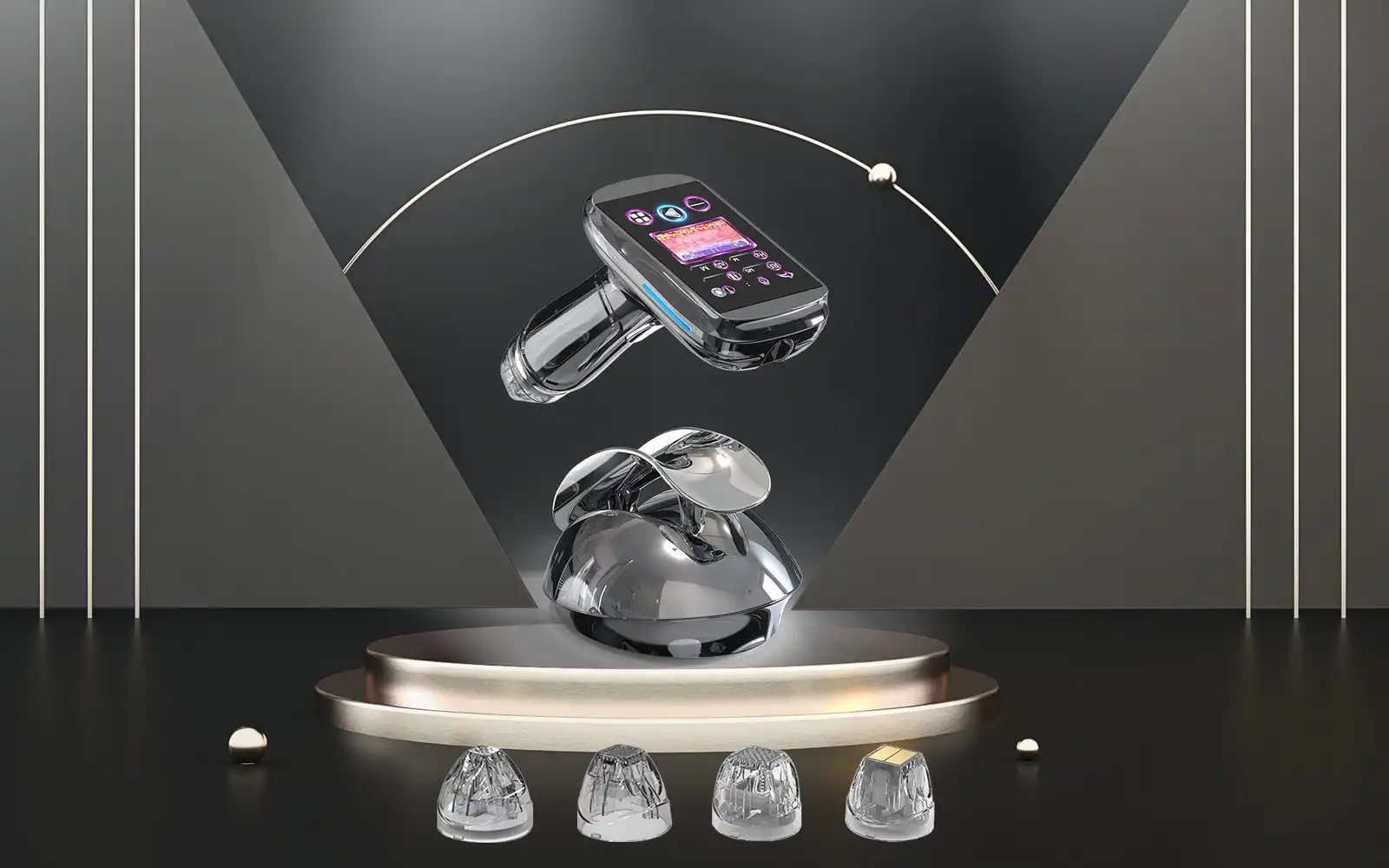
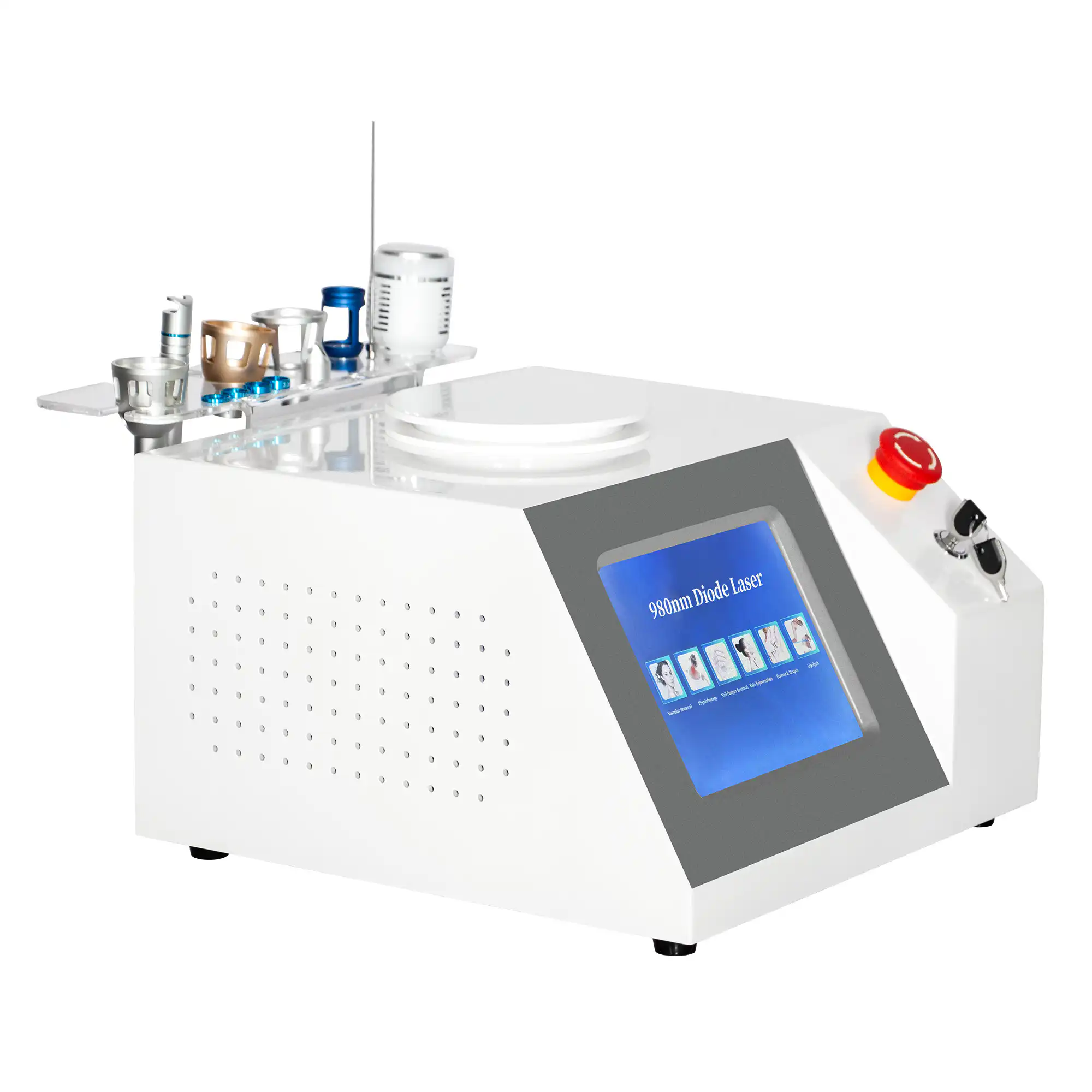
Our MOQ policy and volume steps: the usual MOQ is 5 pieces, and a 1-piece sample trial order is fine.
OEM branding and customisation: what it adds
If you sell under your own label, expect a per-unit uplift rather than a fixed project fee. Typical variables are logo printing, housing colour, startup screen and software naming, packaging artwork, and manuals in your language. The uplift is usually modest per unit but there is often a minimum quantity before a custom run is economic, because the factory has to set up the line and the artwork.
What the factory needs from you before production starts is covered in the OEM/ODM customisation guide.
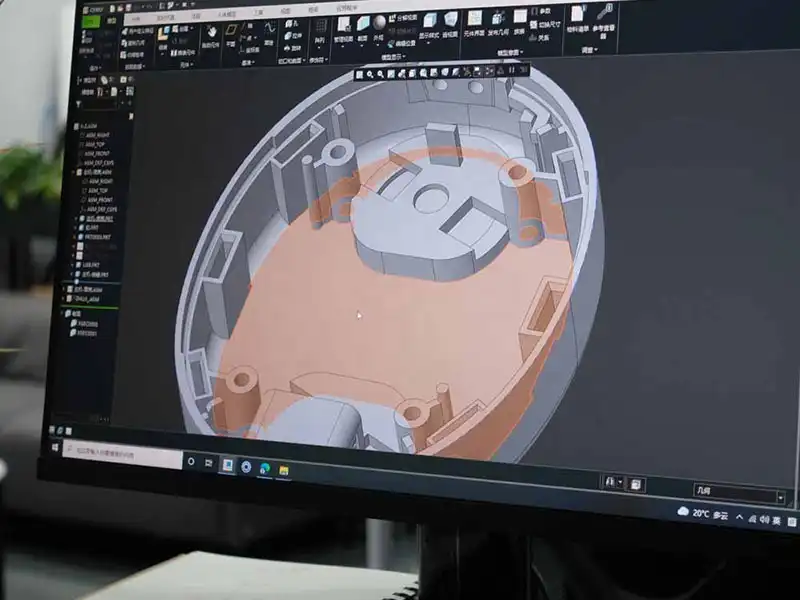
OEM uplift and minimum quantity for a custom run: about 20 pieces can be customised with extra functions (it depends on the item).
The lines that are not on the quotation
Machine price is one line in a total cost. The others show up later and are the reason a “cheaper” machine can cost more over two years:
- Freight and insurance — calculated on volumetric weight, not on how large the machine looks in a photo.
- Import duty and tax — depends on how the machine is classified in your market. Get the classification before you order, not after.
- Spare parts and consumables — handpieces, cartridges, tips. This is a recurring cost and should be priced in writing before you commit.
- Training and setup — usually free in the form of manuals and a call, but budget your own staff time.
- Downtime — the cost of a machine that stops earning while a part is in transit. This is the line most buyers forget and the one that decides whether the cheapest quotation was actually cheap.

Spare parts and consumable prices to hold locally: The unit prices for the handle, filter cartridge, and cartridge are all fixed.
How to build a landed-cost comparison
To compare two quotations honestly, convert both to a landed cost per machine:
- Take the unit price at the same configuration.
- Normalise the Incoterm — FOB and CIF are not the same number, so convert both to the same basis.
- Add freight, insurance, duty and tax for your market.
- Add the consumables you will buy in year one, priced from each supplier’s own list.
- Add any OEM uplift if you are branding.
- Divide by the number of treatments the machine is realistically expected to deliver before a major service.
That last step is what turns a price comparison into a business decision. Two machines quoting differently can reverse order once consumable cost and treatment capacity are included — which is exactly why the running economics matter as much as the invoice. For a worked example of that logic in practice, see why EMS Zero is a high-ROI investment for clinics and the business case for offering 448K TECAR therapy.
How to compare two quotations fairly
Before you decide, confirm that both quotations state the same things:
- The exact configuration: wavelengths, handpieces, cartridge or tip count, voltage
- The Incoterm and what it includes
- Packed dimensions and gross weight per unit
- Lead time, written as a date rather than a range
- Warranty scope: which parts, for how long, and who pays return freight
- Spare parts and consumables, priced separately
- OEM uplift and minimum quantity, if applicable
- Payment terms and the account name on the invoice
A quotation missing three or more of these is not cheaper; it is simply incomplete, and the missing lines will be paid later. The professional aesthetic equipment wholesale page shows how a complete factory-direct offer is structured.
What our standard quotation includes by default: Package, Loading Container, Document, Freight, Exw Price term not include the freight.
If you are still at the first-order stage, the guide to importing beauty machines from China walks through the whole process from verification to clearing, so the cost side and the process side line up.
Frequently asked questions
Why is the same model quoted at very different prices?
Because the parts that drive cost are mostly invisible: the energy source, the handpiece grade, the cooling design and the control software. Ask a low quotation which of those changed and the gap usually explains itself.
How much can I save by ordering a full container instead of single units?
Usually enough to change the economics, because packing and freight stop being charged per unit. Ask your supplier for the price at each volume step and where the next step begins, rather than assuming the discount is linear.
Does a higher price mean a better machine?
Not automatically — but a price far below every other quotation almost always means something was reduced. The right question is which component was changed, and whether that component is one you will have to replace sooner.
What is the real cost of owning a beauty machine?
The purchase price plus freight, duty, consumables, spare parts and the downtime of any period the machine cannot treat. Dividing the total by the treatments the machine will realistically deliver is the only way to compare two options fairly.
Is OEM branding expensive?
Usually a modest per-unit uplift rather than a large fixed fee, but there is often a minimum quantity before a custom run makes sense, because the factory has to set up the line and the artwork.
Should I buy the cheapest sample to test a supplier?
Only after fixing the specification. A sample is a test of the supplier’s consistency, not a way to find a bargain — and a sample that fails under real booking pressure has told you something worth more than the difference in price.
Next step
Send your configuration and target market and ask for a quotation that separates unit price, packing, consumables and OEM uplift, so you can compare it against any other offer line by line. Browse our full equipment range or request a wholesale quotation.