Spa owners keep asking us the same question: clients want visible lifting without needles — can my spa deliver it? The honest answer is yes, and HIFU is the treatment most spas add first.
It is also the treatment most often bought badly: a cheap tower with two cartridges and no replenishment plan, which runs out of consumables in month two and cannot be resold at a margin. This guide covers what to check before you spend, and how to package the treatment so clients come back.
Why HIFU fits a spa business model
HIFU targets clients who are not ready for injectables but want a firmer jawline and lifted cheeks. One platform covers face lifting, double-chin work and body tightening through different cartridges, so a single purchase opens several menu items — and the cartridges themselves become a recurring revenue line.
There is no downtime, no needles and no consumable that has to be mixed on the day, which is why spas with small teams can run it
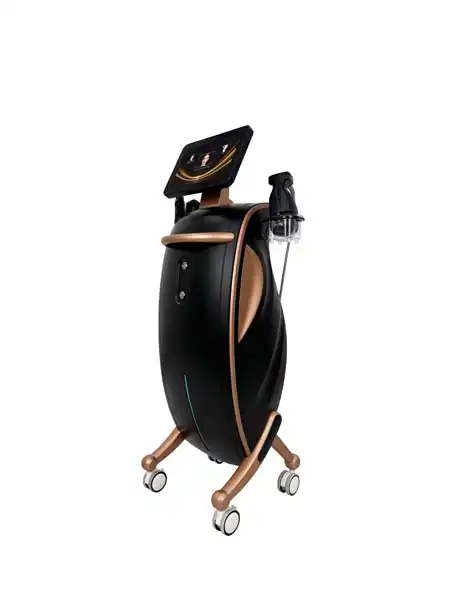
without a nurse in the room.
What to check before you buy
1. Cartridge line-up
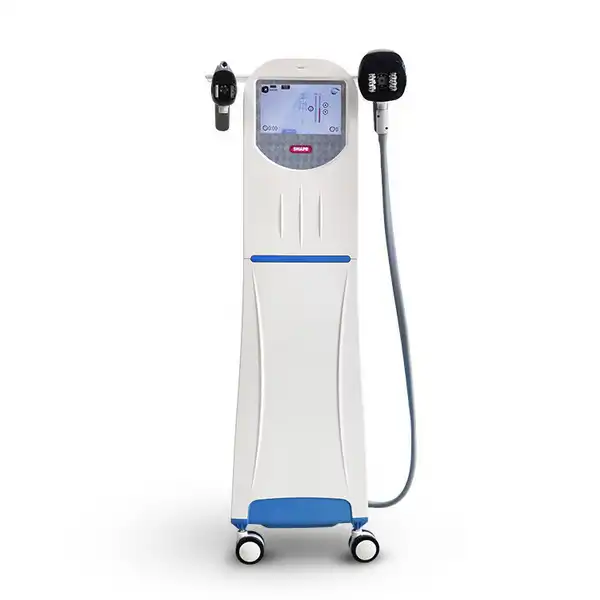
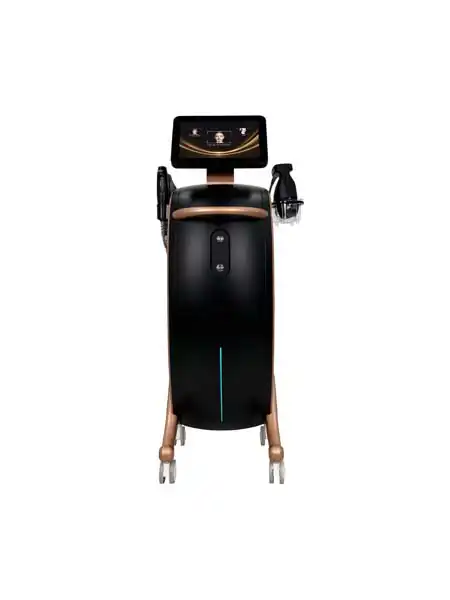
Cartridges define what you can sell, not what the machine can do on paper. Our HIFU platform ships with single-row cartridges at 1.5 / 3.0 / 4.5mm for line scanning, single-point cartridges at 1.5 / 3.0 / 4.5mm for precise work around the eyes and mouth, and body-shaping probes at 0.8 / 1.3mm.
Stock the depths that match your menu. A facial lifting menu needs the three face depths; a body contouring menu needs the shaping probes. Buying every depth on day one ties up cash in stock you may not open for six months — but buying only one depth caps what you can sell.
2. Shot count per cartridge
Ask for the shot count per cartridge in writing, then do the arithmetic: shots per cartridge divided by shots per session gives you the cost per treatment. This number — not the machine price — decides your margin. Suppliers who avoid the question are usually selling cartridges with short counts.
3. Energy stability and power
Our platform runs at 200W with a 15-inch touch screen and adjustable focal depth. What matters clinically is stable output across a session: energy that drifts mid-treatment gives inconsistent results and complaints you cannot explain to the client.
4. Training curve
A therapist should be able to deliver a safe face protocol after structured training — not after watching a video once. We provide video training and remote commissioning with every unit, and we would rather you over-train the first operator than learn on paying clients.
5. Room and installation
Plan the physical setup before delivery: the unit measures 56 × 62 × 132cm and weighs 39kg, so it needs a dedicated position with access for a treatment bed, not a corner you clear on the day it arrives. Confirm the outlet and earthing requirements with your electrician while the machine is still in production.
6. Support and documents
Whole machines carry a 12-month warranty; handpieces, cartridges and consumables follow the accessories policy. Our associated factory is certified under ISO 13485, and we provide the documents clinics and spas need for import and local registration files where applicable. If you are comparing suppliers, our manufacturer verification checklist lists exactly what to request from each of them.
Packaging HIFU for repeat visits
Sell HIFU as a course, not a single session. A three-session course spaced four weeks apart lets collagen remodelling do its work between visits and gives the client a reason to book the next appointment before the first result fades.
- Price the course, not the session. A single-session price makes every visit a new decision for the client.
- Book the follow-up at the end of session one. The diary is the cheapest marketing you have.
- Sell maintenance, not repeats. One session every 6–9 months after the course keeps the result and keeps the client.
- Use the cartridge cost as your floor. If the course price does not cover cartridges plus staff time at 3×, the menu item is not worth the slot.
Which HIFU platform fits which business
| Business | Configuration that fits | Why |
|---|---|---|
| Single-room spa adding a lifting menu | Face cartridges only (1.5 / 3.0 / 4.5mm), single treatment bed | Lowest entry cost; the menu is face-led and the room is already there |
| Spa with a body contouring menu | Face cartridges plus body shaping probes | One platform sells two services and fills slow morning slots |
| Clinic wanting scar and texture work too | HIFU plus an RF microneedling platform | Different indications, same client base — see the 4-in-1 4D HIFU / RF microneedling system |
What we would tell a first-time buyer
Buy the cartridge line-up that matches the menu you will actually sell in the first six months, and put the rest of the budget into training and a second cartridge depth — not into a bigger tower. Machine details and cartridge options: professional HIFU face lifting and body slimming machine.
If you are still shortlisting brands, our HIFU wholesale buying guide breaks down the 7D, 4D and mini formats side by side.
FAQ
Can a non-medical spa offer HIFU?
In most markets HIFU is delivered in spas and studios, but rules on who may operate energy-based devices differ by country. Check your local requirements before you buy — we supply the product documentation clinics and spas need for their applications.
How soon do clients see results?
Most clients notice tightening within 2–4 weeks, with collagen remodelling continuing for up to 3 months. Photograph clients before the first session so the change is visible to them, not just to you.
How many cartridges should a new spa stock?
Start with the depths that match your menu: 1.5mm for the superficial dermis, 3.0mm for the deeper dermis and 4.5mm for SMAS-level lifting on the face and neck. Body shaping probes are a separate line if you plan to sell contouring.
What is the minimum order?
MOQ depends on the model, the customization level and your project requirements. For selected standard units we can offer reduced starter quantities — ask us for the MOQ of your project.