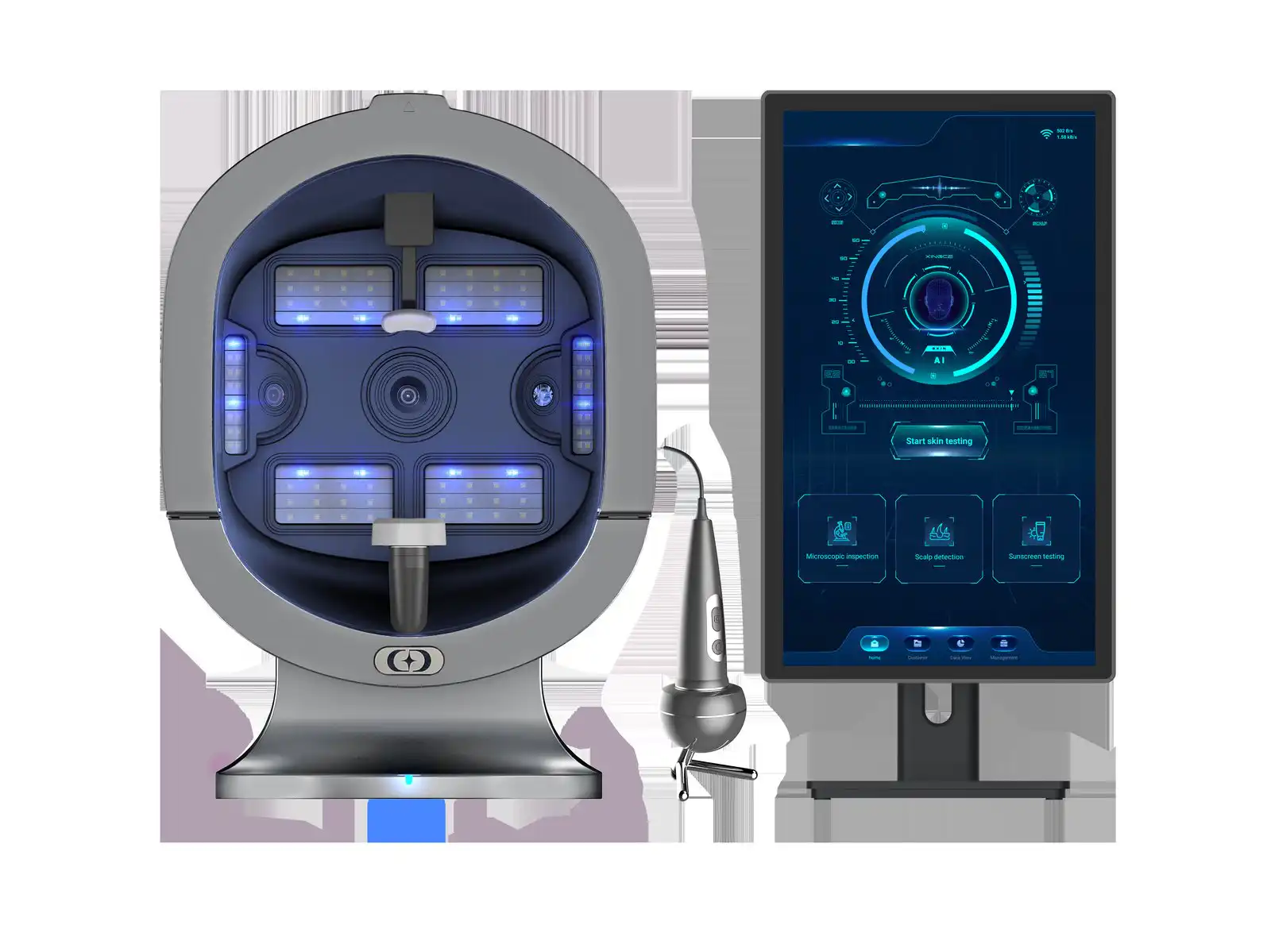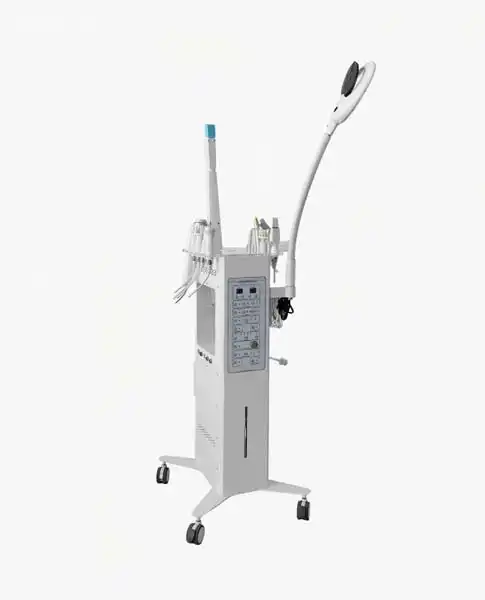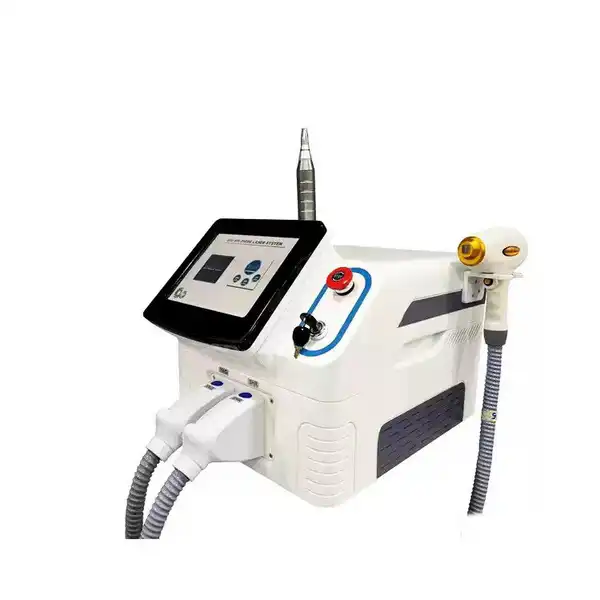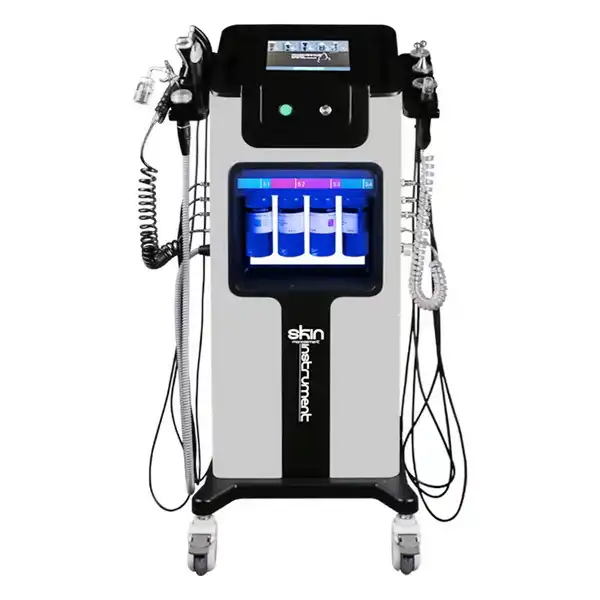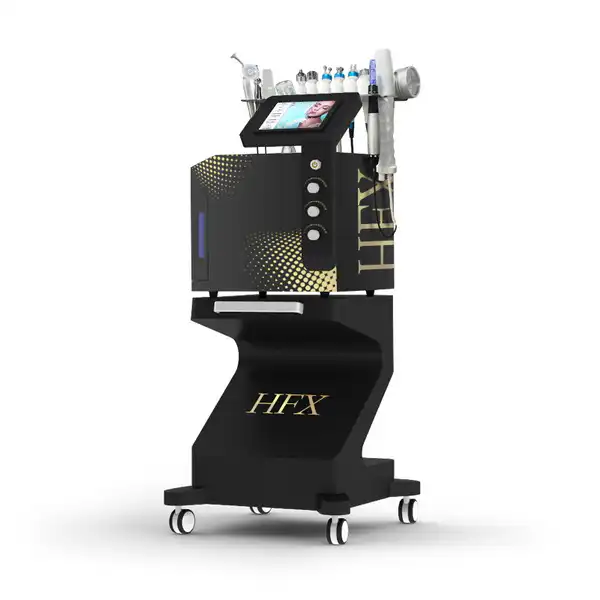
If you are moving from sample orders to pallet and container quantities, one question decides how you price, how you plan, and how much of your capital is tied up in stock: how many machines actually fit in one container?
The honest answer: it is never a number of machines — it is a number of boxes. Container loading is carton arithmetic, and you can do it yourself in ten minutes before you commit a single dollar. Here is how.
Start With the Box, Not the Machine
Freight does not care how advanced the machine is; it cares about the carton. Most professional beauty machines pack down to somewhere between 0.08 and 0.6 CBM (cubic meters):
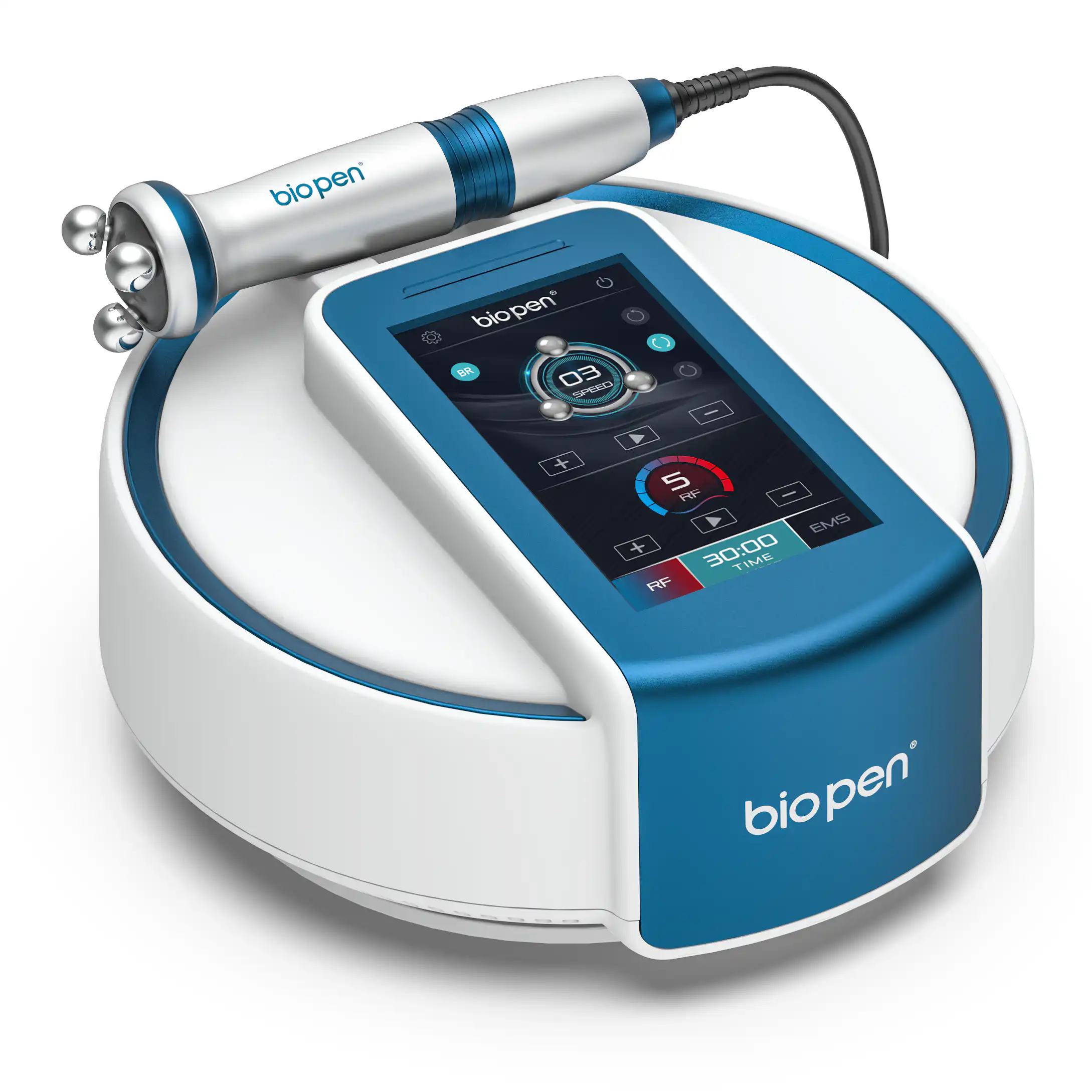
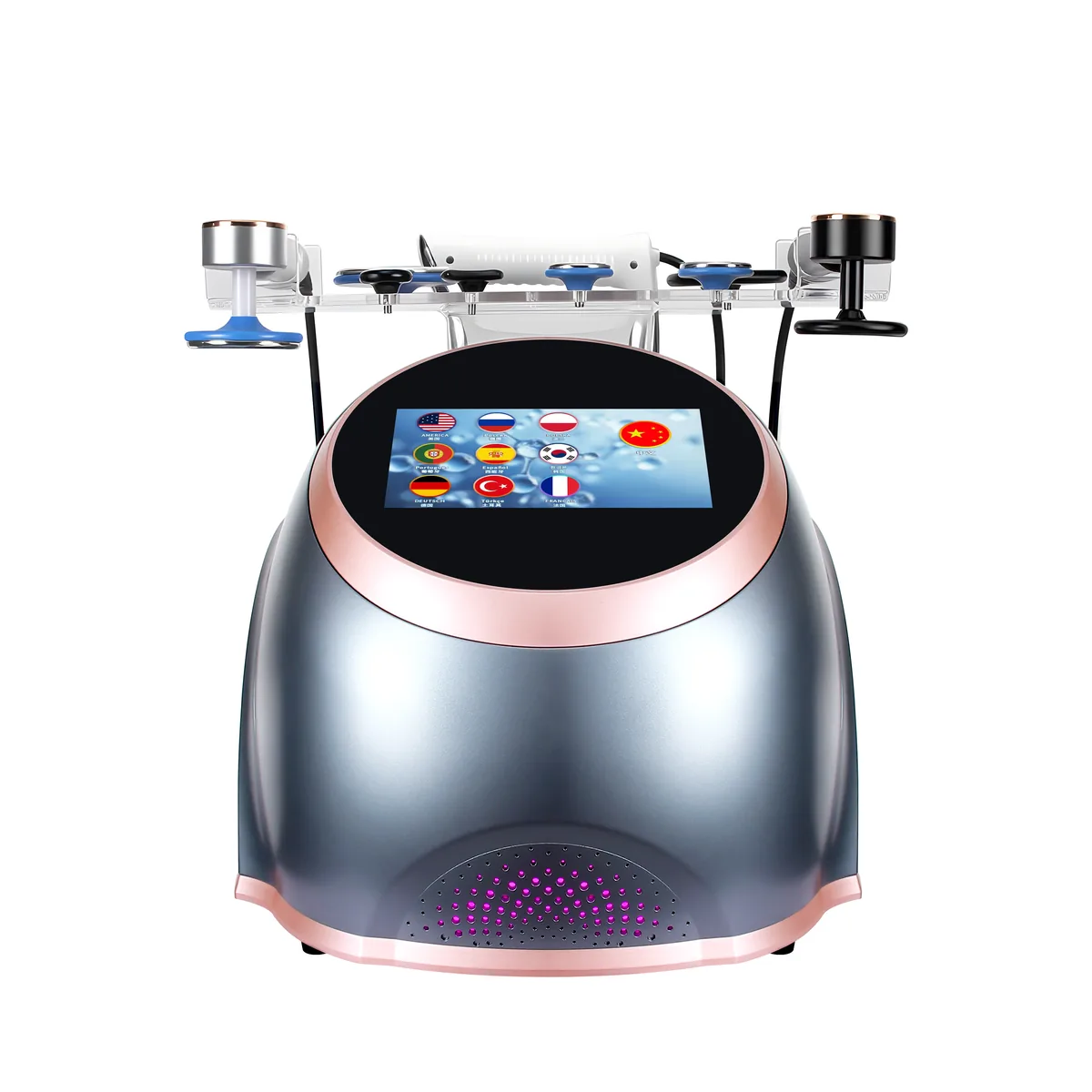
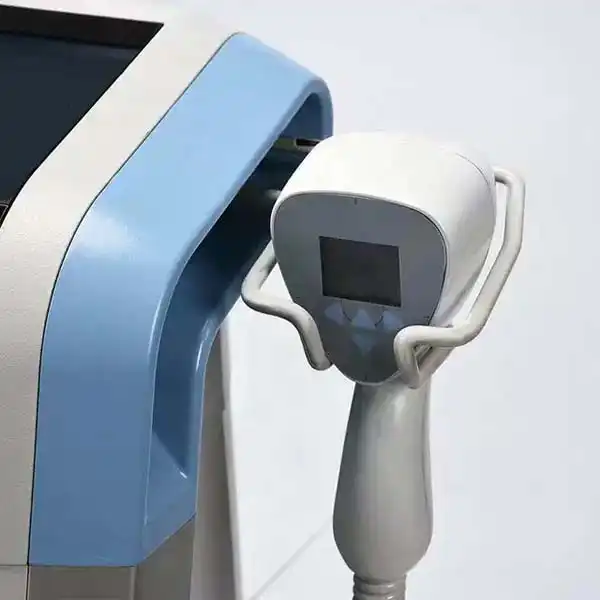
- Portable and tabletop units (portable HIFU, RF devices, picosecond pens): typically 0.08–0.15 CBM per carton
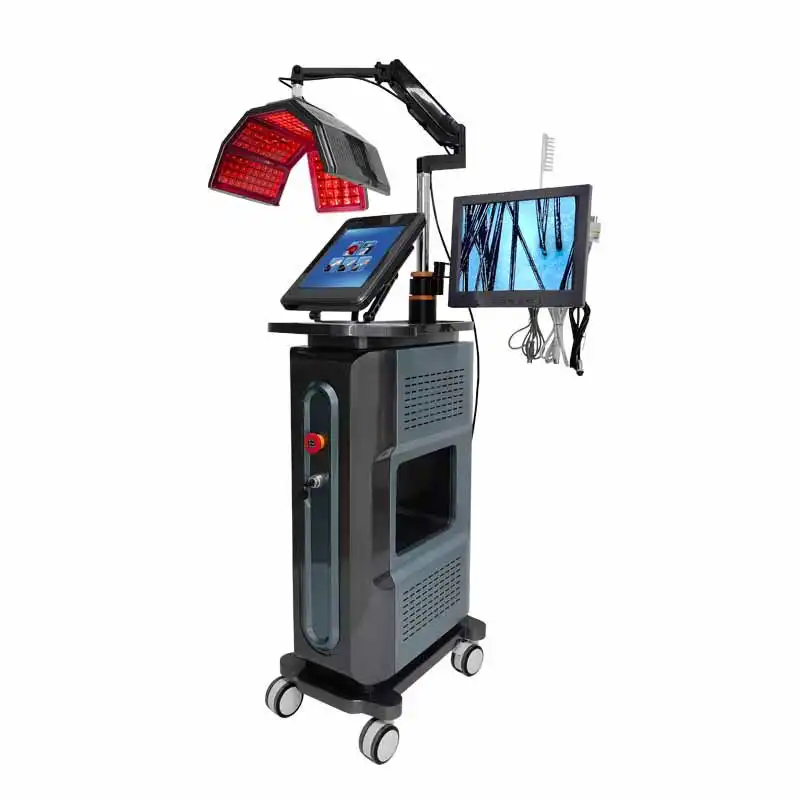
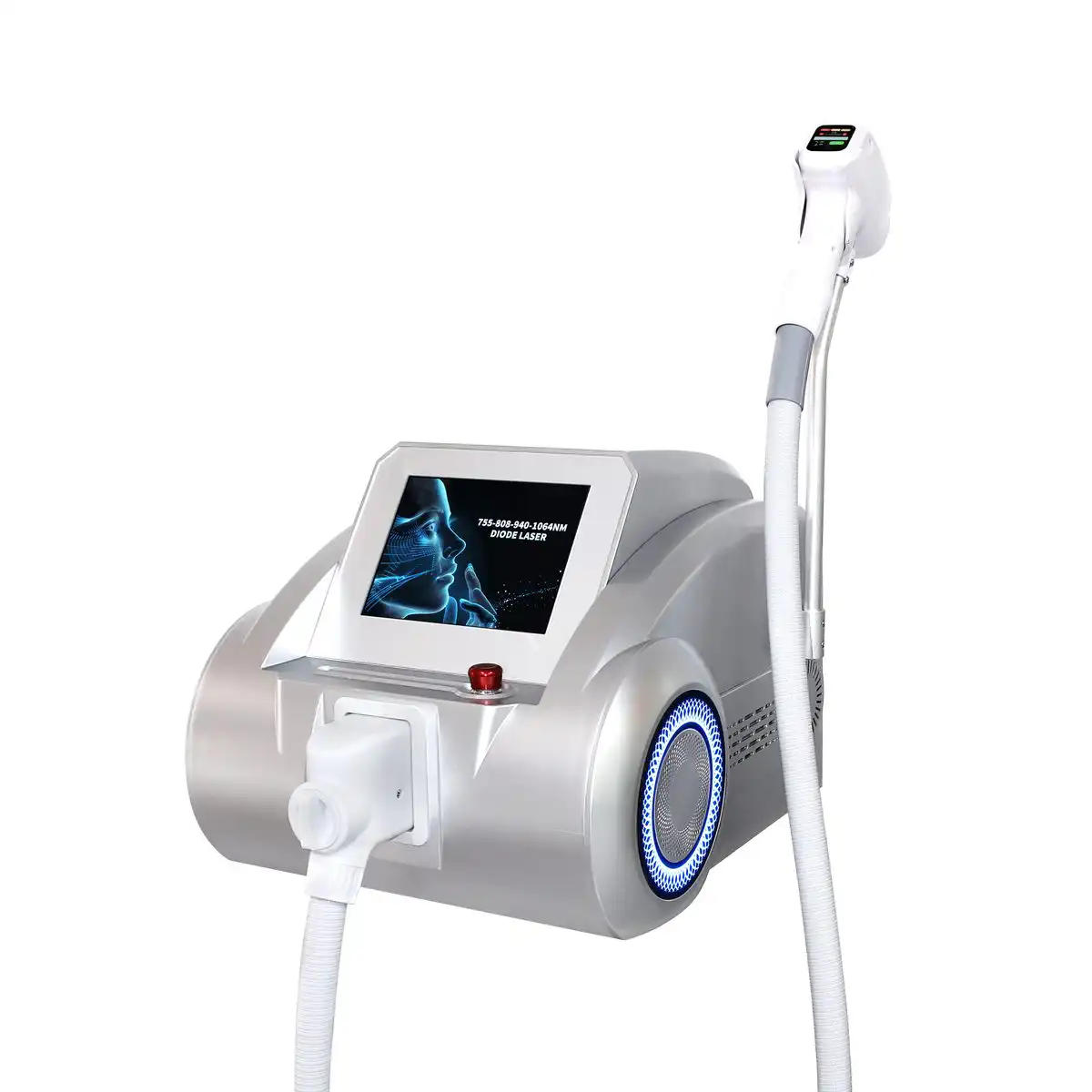
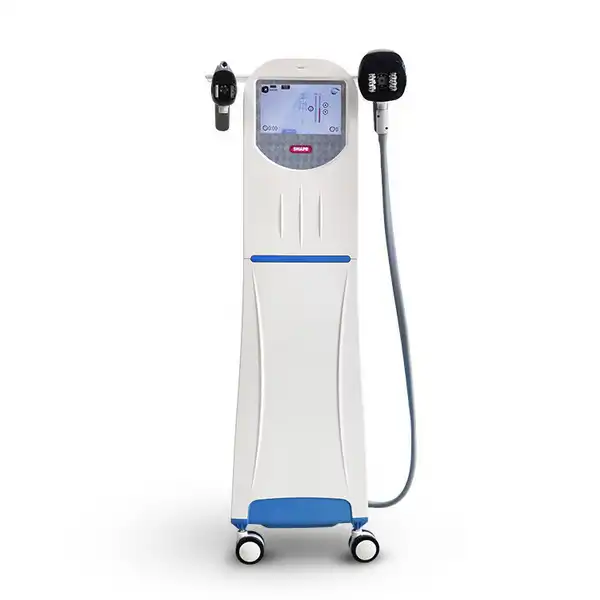
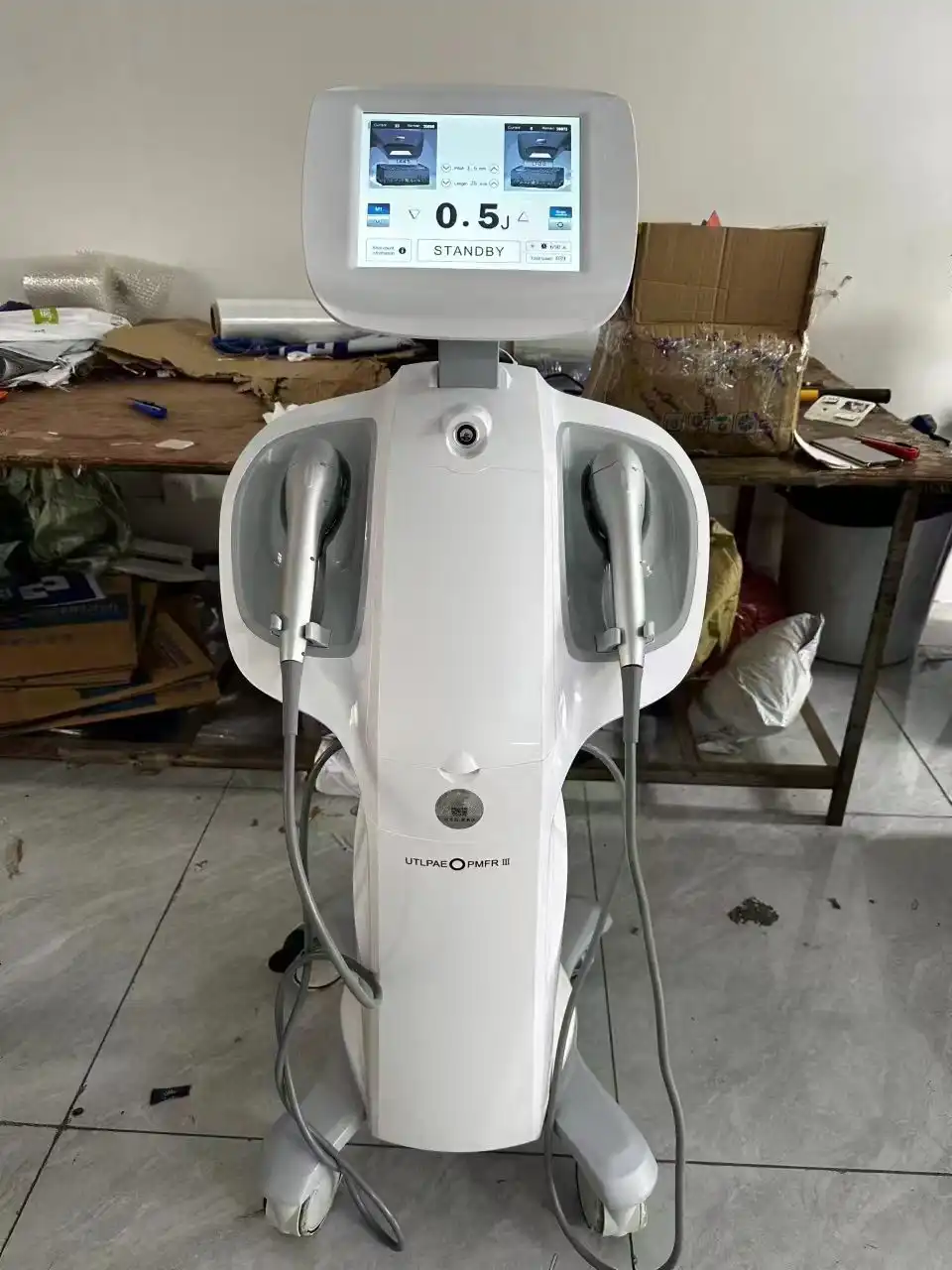
- Compact standing machines (vertical HIFU, diode laser platforms): typically 0.3–0.55 CBM per carton, usually packed in two boxes (main unit + trolley/handpieces)
- Large body machines (EMS sculpting, cryolipolysis, multi-handle platforms): 0.4–0.7 CBM, often crated
Ask your supplier for the exact packed dimensions and gross weight per carton, in writing. Salespeople quote machine specs all day; a serious supplier can send carton dimensions within an hour.
The Containers You Will Actually Be Offered
Three box sizes cover almost all beauty machine exports (standard shipping container dimensions):
| Container | Internal volume | Realistic usable volume* | Typical payload |
|---|---|---|---|
| 20ft standard | ~33 CBM | ~28–30 CBM | ~28,000 kg |
| 40ft standard | ~67 CBM | ~58–62 CBM | ~26,000 kg |
| 40ft high cube | ~76 CBM | ~66–70 CBM | ~26,000 kg |
*You never fill the theoretical volume: door clearance, carton irregularity and load safety eat 10–15%, more if you palletize.
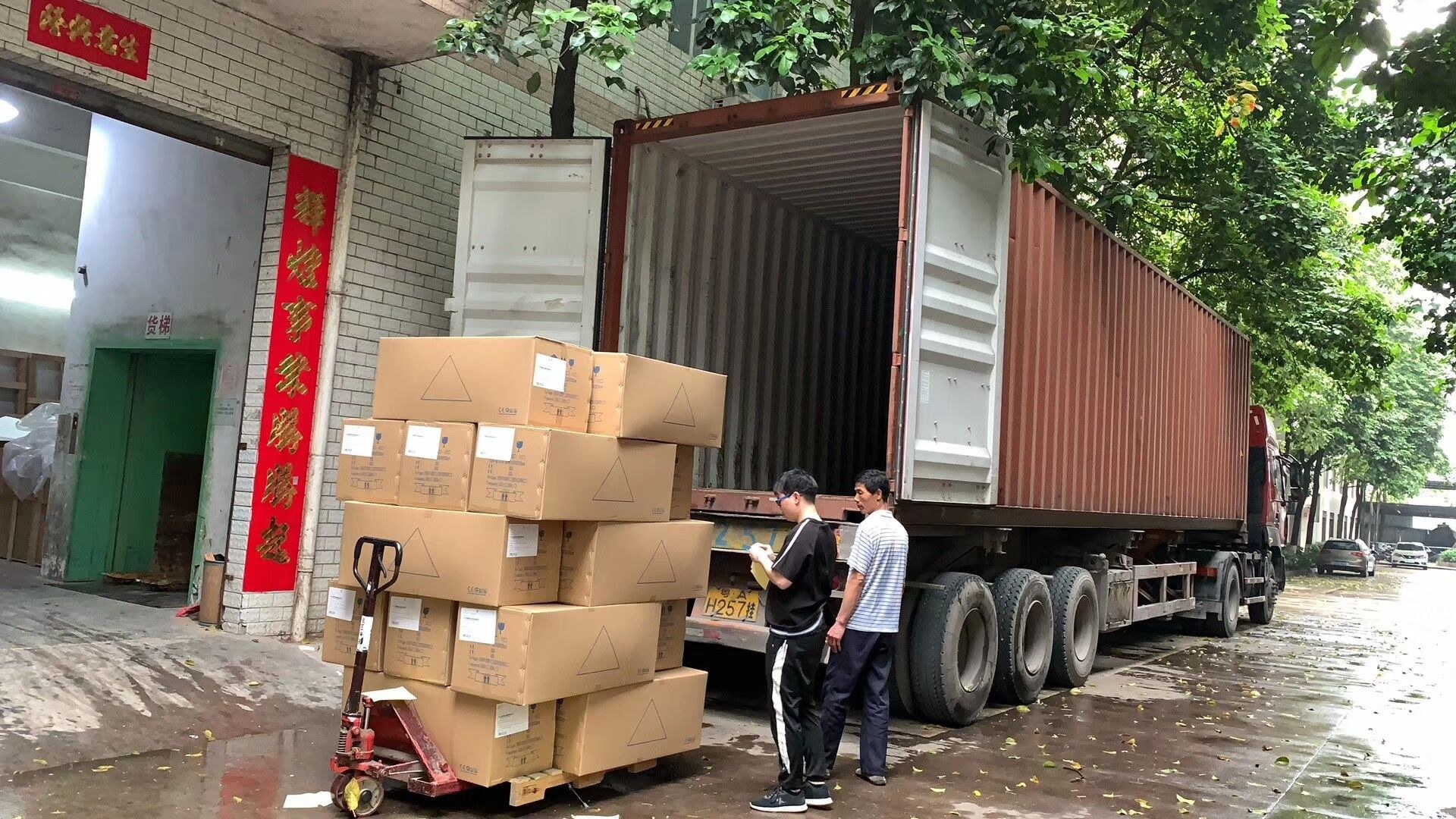
Worked Examples — Planning Ranges, Not Promises
Using typical packed cartons, here is what buyers usually land at (always confirm with your supplier’s actual carton sizes):
| Machine type | Typical carton | ~Units in 20ft | ~Units in 40ft HQ |
|---|---|---|---|
| Tabletop HIFU / RF / picosecond | 0.08–0.15 CBM | 200–280 | 450–600 |
| Vertical diode laser / HIFU tower | 0.30–0.55 CBM | 55–90 | 120–200 |
| EMS body sculpting | 0.30–0.45 CBM | 65–95 | 150–210 |
| Cryolipolysis machine | 0.45–0.65 CBM | 45–60 | 100–130 |
One warning: heavy standing machines hit the weight limit before they hit the volume limit. A 20ft container loaded with metal-frame platforms can reach its payload cap while the container is still half empty — this is why your supplier must check weight, not just CBM.
Pallets or Loose Loading?
- Loose loading (cartons stacked directly) maximizes quantity — typically 10–20% more units per container. Best when cartons are strong and every machine is the same model.
- Palletized loading costs you 15–30% of the space but speeds up unloading, protects cartons, and makes customs inspection easier. Standard for mixed loads and for buyers who deliver onward to warehouses.
If your destination market requires heat-treated wood (ISPM-15) for pallets and crating, confirm it before production — it is a real export requirement and suppliers forget to ask.
Mixed Containers — The Question Distributors Actually Ask
Most distributors do not want 200 units of one machine. They want one container with 6–10 models: some diode lasers, some HIFU, some RF, plus consumables and spare parts. And for many wholesalers, brand owners and salon chains, the container carries even more than machines.
Machines Plus Salon Furniture in the Same Container
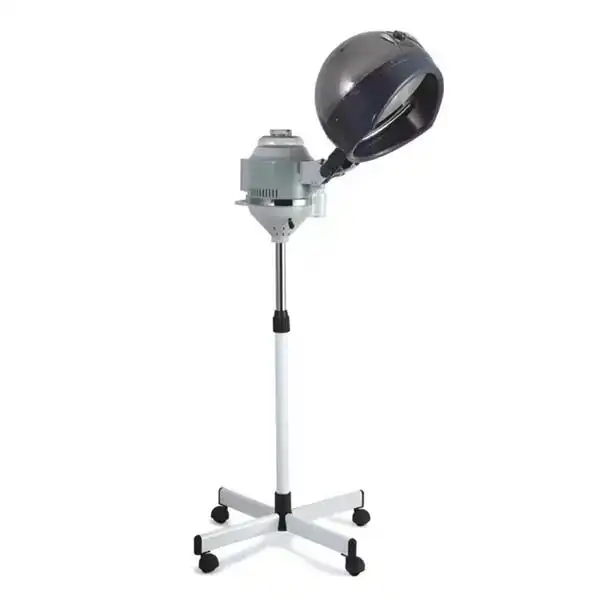
A container does not have to carry machines only. It is common — and smart — to load salon furniture together with the equipment: electrical beauty beds, facial beds, salon trolleys, stools and reception seating travel in the same box as the machines they serve. The logic is simple arithmetic: machines are compact but heavy, furniture is bulky but light. Loaded together, the machines use up the weight budget while the furniture fills the remaining volume — and you pay for one container instead of two half-empty ones. For a salon chain outfitting several locations, one shipment becomes a complete, ready-to-open store.
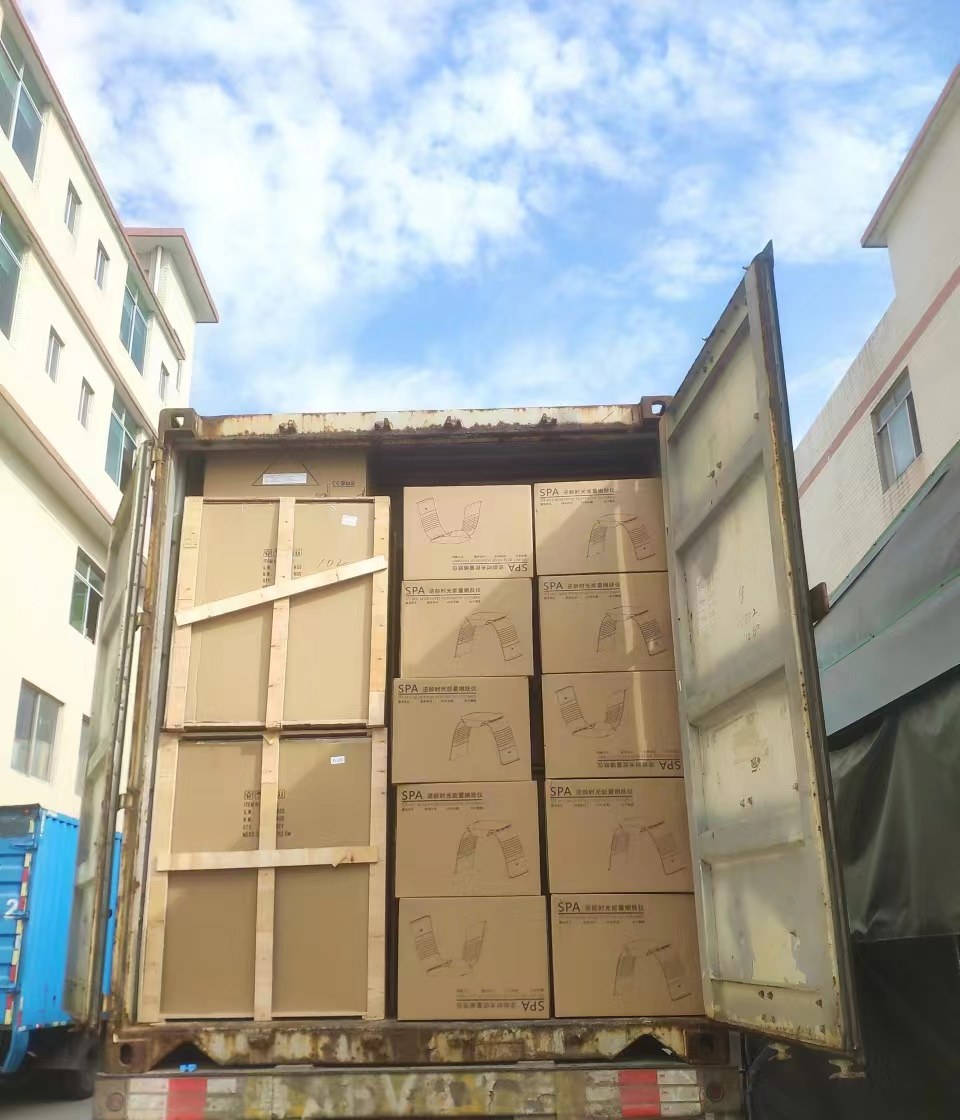
Mixed loading of machines, furniture and parts is routine work for a sourcing operation with its own warehouse — see how wholesale and OEM orders are structured. The planning rule is simple: each model gets a carton list, the container gets a loading plan, and nothing is “squeezed in later”. Three practical notes when furniture is in the mix:
- Flat-packed furniture goes in last, on top — machines and crated items take the floor level
- Confirm voltage and plugs for electrical beds against your destination market before production
- Wood components may need ISPM-15 heat treatment — the same rule that applies to pallets
From deposit payment to container loading, the normal window is around 30–35 days — enough time to consolidate machines, furniture and parts into one planned load.
Five Mistakes That Waste Container Space (and Money)
- Confirming the order on machine dimensions, not carton dimensions — packaging adds 20–40% to every machine
- Ignoring gross weight — volume is not the only ceiling
- No loading plan — the last 10 CBM of a container always loads badly
- Forgetting the parts cartons — spare parts and consumables should be planned into the load, not improvised at the dock
- Changing models after the plan is made — one substitution can reflow the whole container
How to Get a Loading Plan Before You Pay
Ask any supplier for three things before your deposit: carton dimensions and weights per model, a written loading plan for your container, and photos of previous loads. A supplier who loads containers regularly has all three on file — this is one of the fastest supplier checks you can run.
It also pays to understand what the freight itself will cost you and how it lands in your unit price — the shipping guide covers sea, air and customs documents, and the quotation guide shows where freight hides in your price.
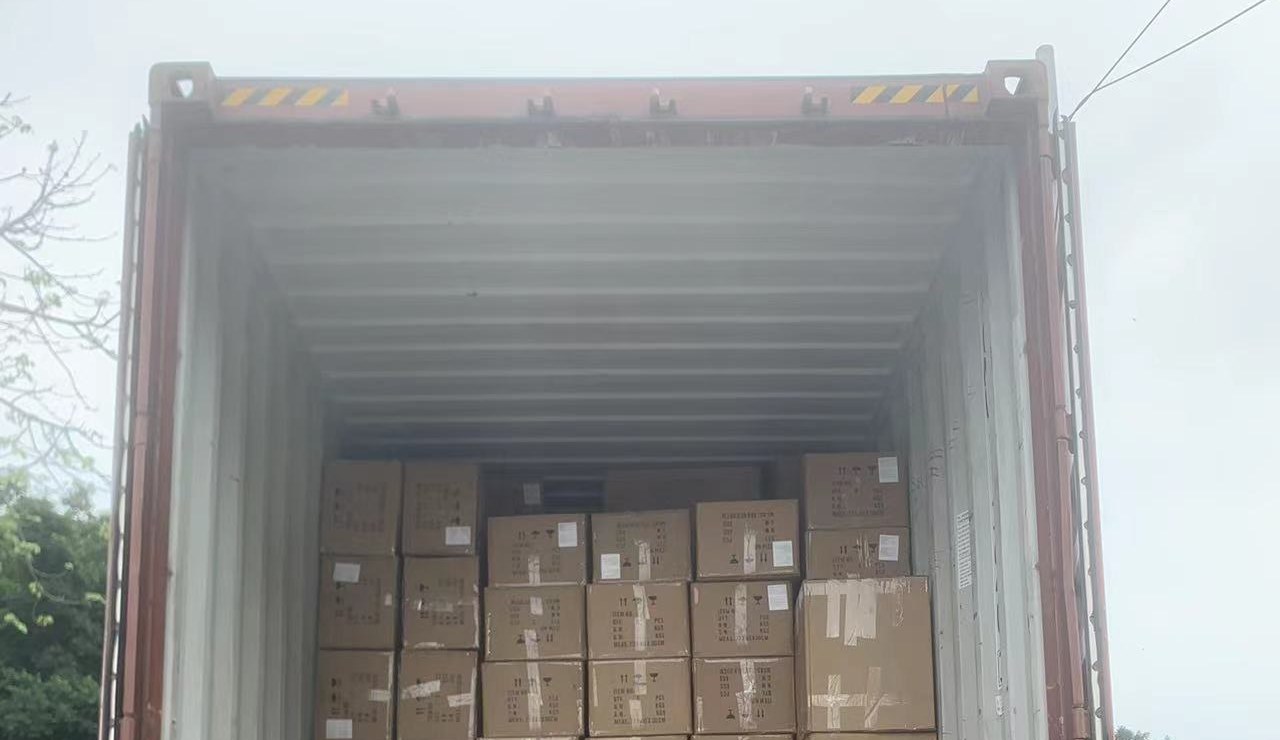
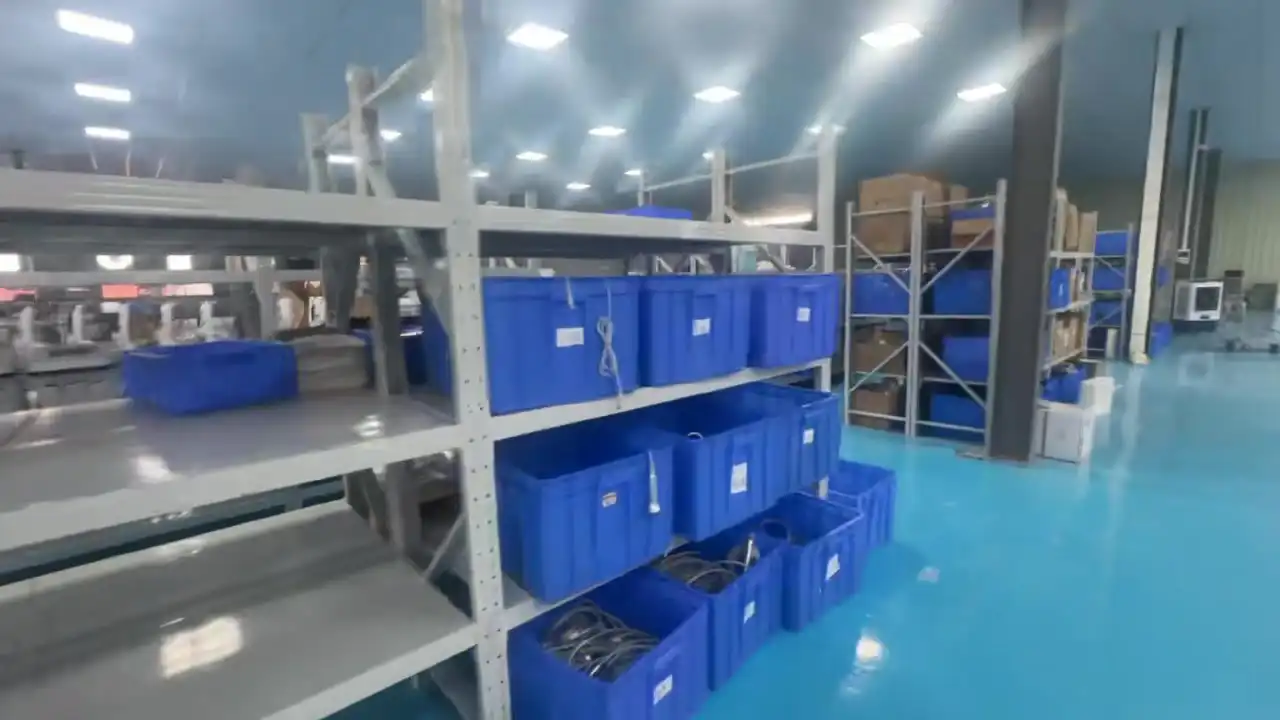
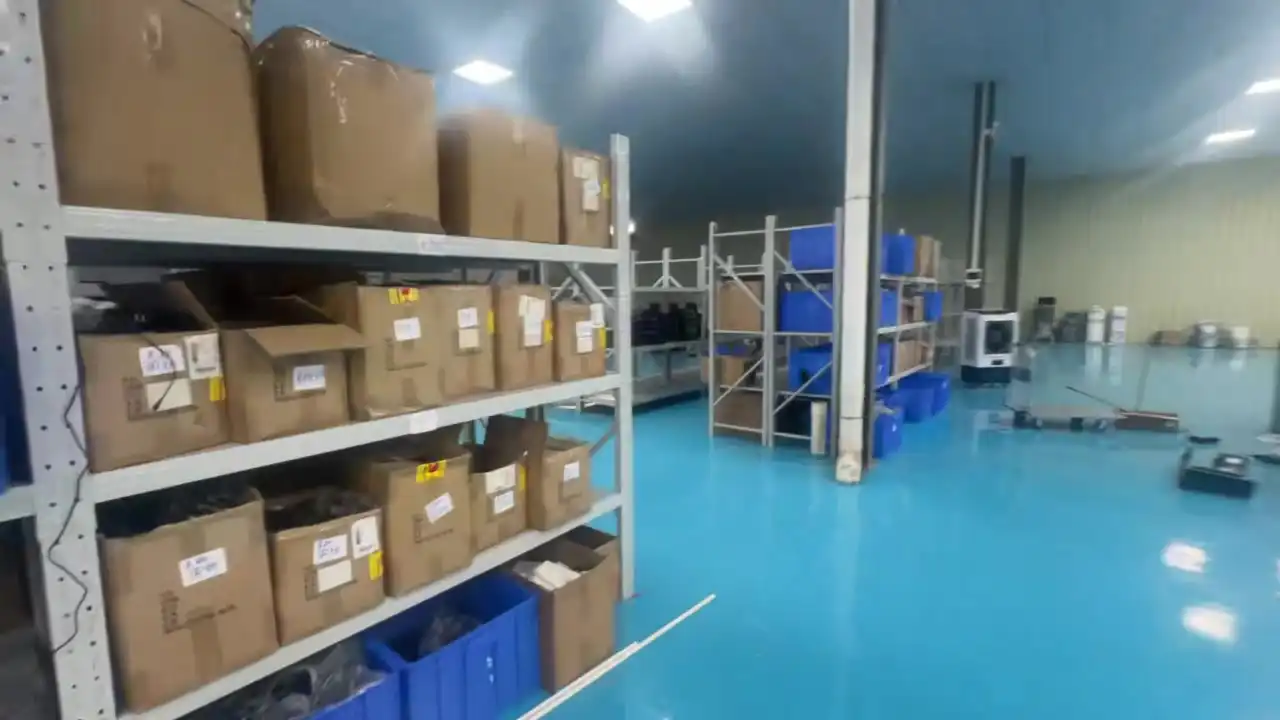
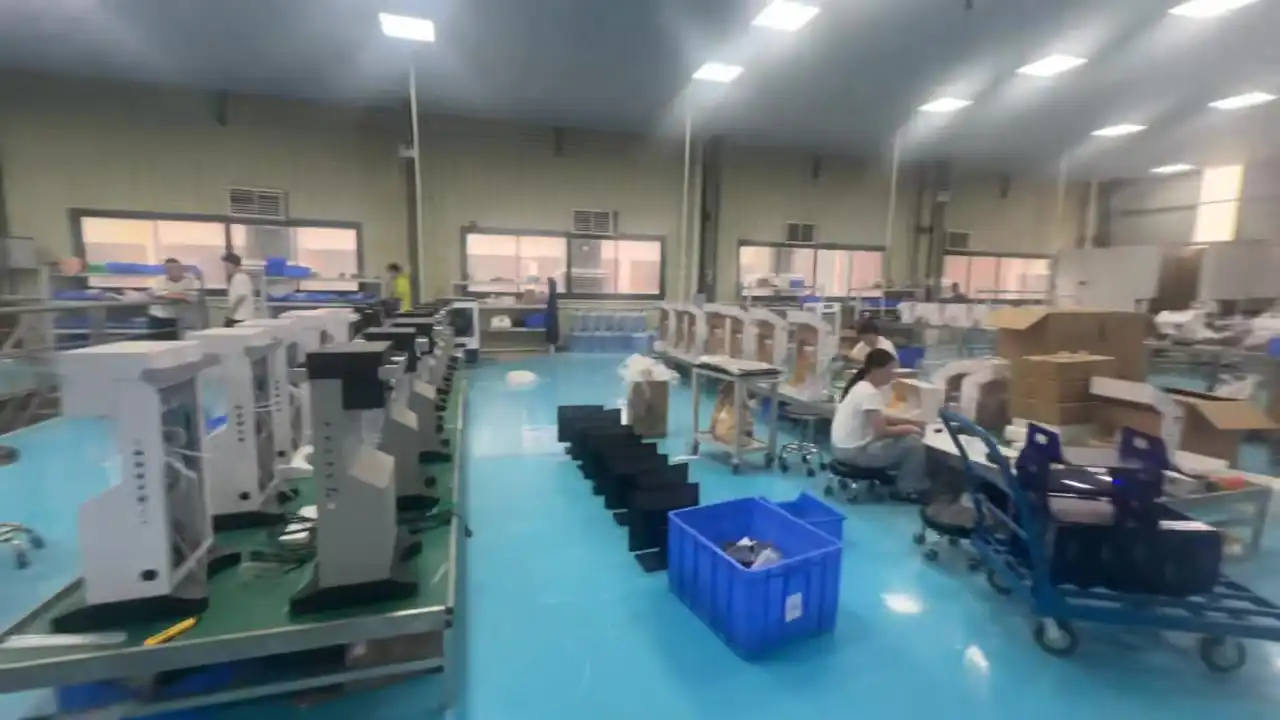
The warehouse floor where mixed loads come together: machines, parts and cartons.
Frequently Asked Questions
How many beauty machines fit in a 20ft container?
It depends entirely on packed carton size. Small tabletop units typically load 200–280 per 20ft, vertical laser platforms 55–90, and large body machines 45–60. Always calculate from carton dimensions and gross weight, never from machine count alone.
Is it cheaper per unit to order a full container?
Usually yes — you save on per-unit sea freight and handling, which is why container pricing is a normal negotiation point. See what actually drives wholesale prices.
Can I mix different machine models in one container?
Yes, and most distributors do. Mixed loading needs a carton-level loading plan from your supplier; a sourcing company with its own warehouse handles this as routine work.