Ask five suppliers for a quote on the same professional beauty machine and you will often see five numbers that differ by 200–300%. That spread is not a trick: it reflects real differences in configuration, certification, order terms and, sometimes, how badly the order is needed. The good news is that wholesale pricing in this industry is negotiable in a structured way. Buyers who understand the mechanics consistently land better total costs than buyers who only compare headline numbers.
This guide breaks down a beauty machine price negotiation the way a supplier sees it: what is actually inside a quote, realistic 2026 wholesale price ranges by machine category, how to structure payment terms that protect your money, which levers genuinely move a price, and the red flags that should stop a deal before any money moves. If you want to understand why the same machine can be quoted at very different prices first, start there — this article is the step that comes after: how a beauty machine price negotiation actually closes a good deal on the right machine.
What Is Actually Inside a Wholesale Quote (and What Is Missing)
A professional quote is more than a model number and a price. Before comparing offers, make sure every supplier has quoted the same package, because the gaps between quotes are usually hiding in these places: the trade term (who pays for what between the factory gate and your door), the configuration (how many handpieces, cartridges and accessories are included), the documentation (which certificates and test reports come with the machine), and the after-sales package (warranty scope, spare parts, training and support response time).
Two quotes are only comparable when all four lines match. Otherwise you are comparing a treatment-ready configuration with a bare console — a mistake that accounts for most “surprise costs” reported by first-time importers.
The Trade Terms That Change Your Final Cost
- EXW (Ex Works) — you pay the machine price and arrange everything from the factory gate onwards. Cheapest on paper, highest workload for you.
- FOB (Free On Board) — the supplier delivers the machine loaded on the vessel at a Chinese port; you handle freight, insurance and import clearance. This is the most common term for repeat B2B buyers.
- CIF (Cost, Insurance and Freight) — the supplier adds sea freight and insurance to your destination port; customs clearance and duties stay with you.
- DDP (Delivered Duty Paid) — door-to-door at an all-in price, typically 15–25% above FOB. For first-time importers, the DDP premium is often worth it: a shipment stuck in customs for three weeks costs more than the difference.
When you request quotes, always ask for the same term from every supplier — FOB is the cleanest baseline for any beauty machine price negotiation — and ask each supplier to state the validity period of the price. Raw material and exchange-rate movements make open-ended quotes unreliable beyond roughly 30 days.
Configuration Items That Get Quoted Separately
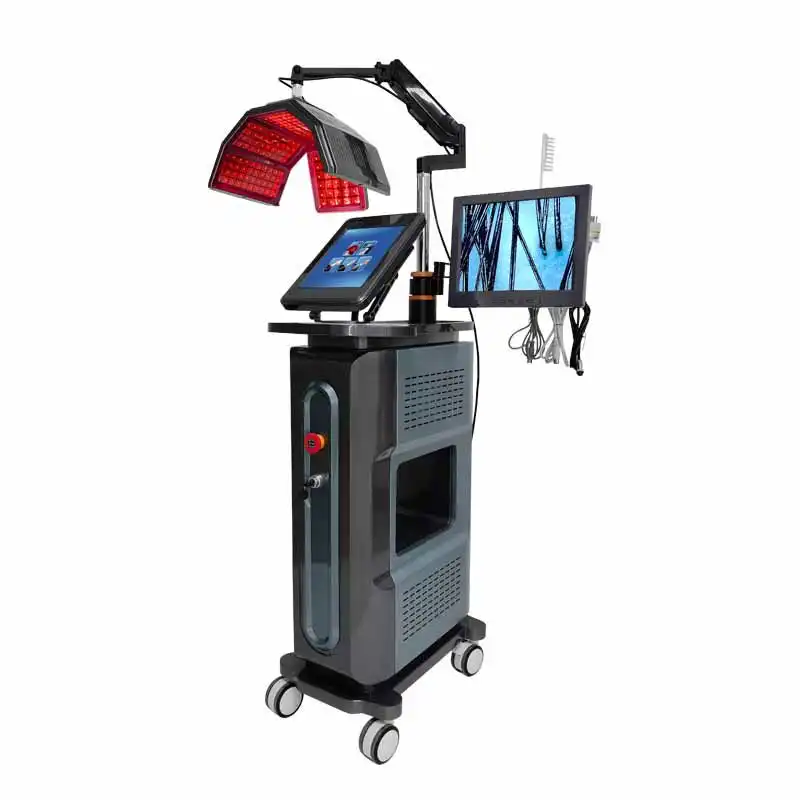
- Handpieces and treatment cartridges (the single biggest cost swing on multi-platform machines)
- Spare parts kit (fuses, seals, filters, a spare handpiece)
- Country-specific power plug, UI language and user manual
- Training (live video session vs recorded manual vs on-site)
- Export packaging (standard carton vs wooden crate for air/sea compliance)
A supplier quoting $500 less because the package excludes the spare parts kit and training is not cheaper. Ask every supplier for a line-item quote so the comparison is honest.
2026 Wholesale Price Ranges by Machine Category
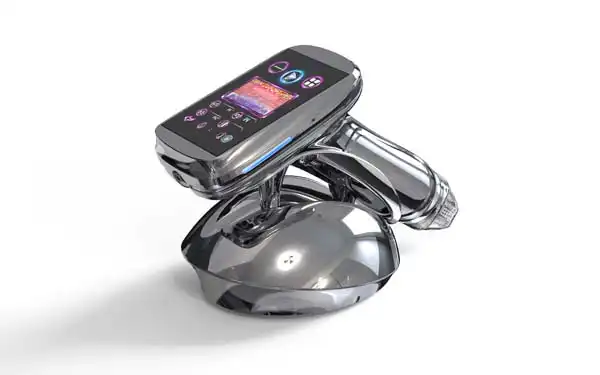
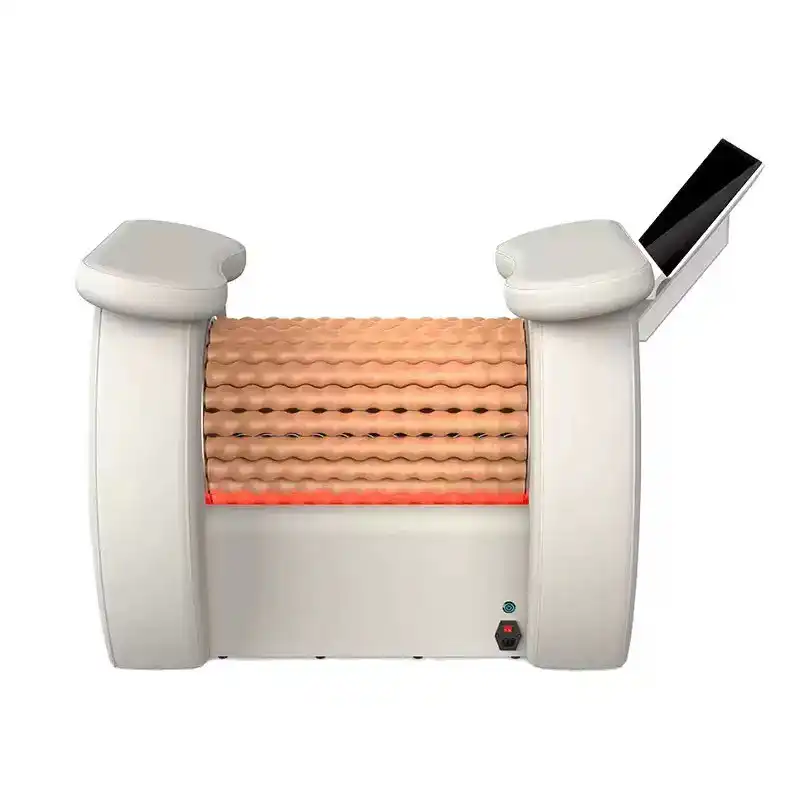
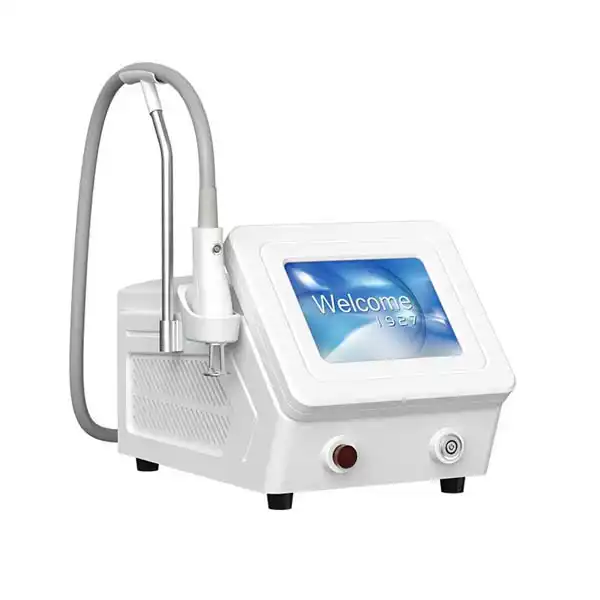
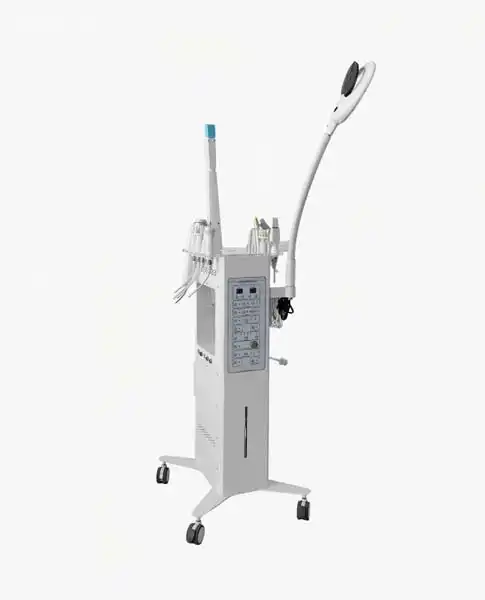
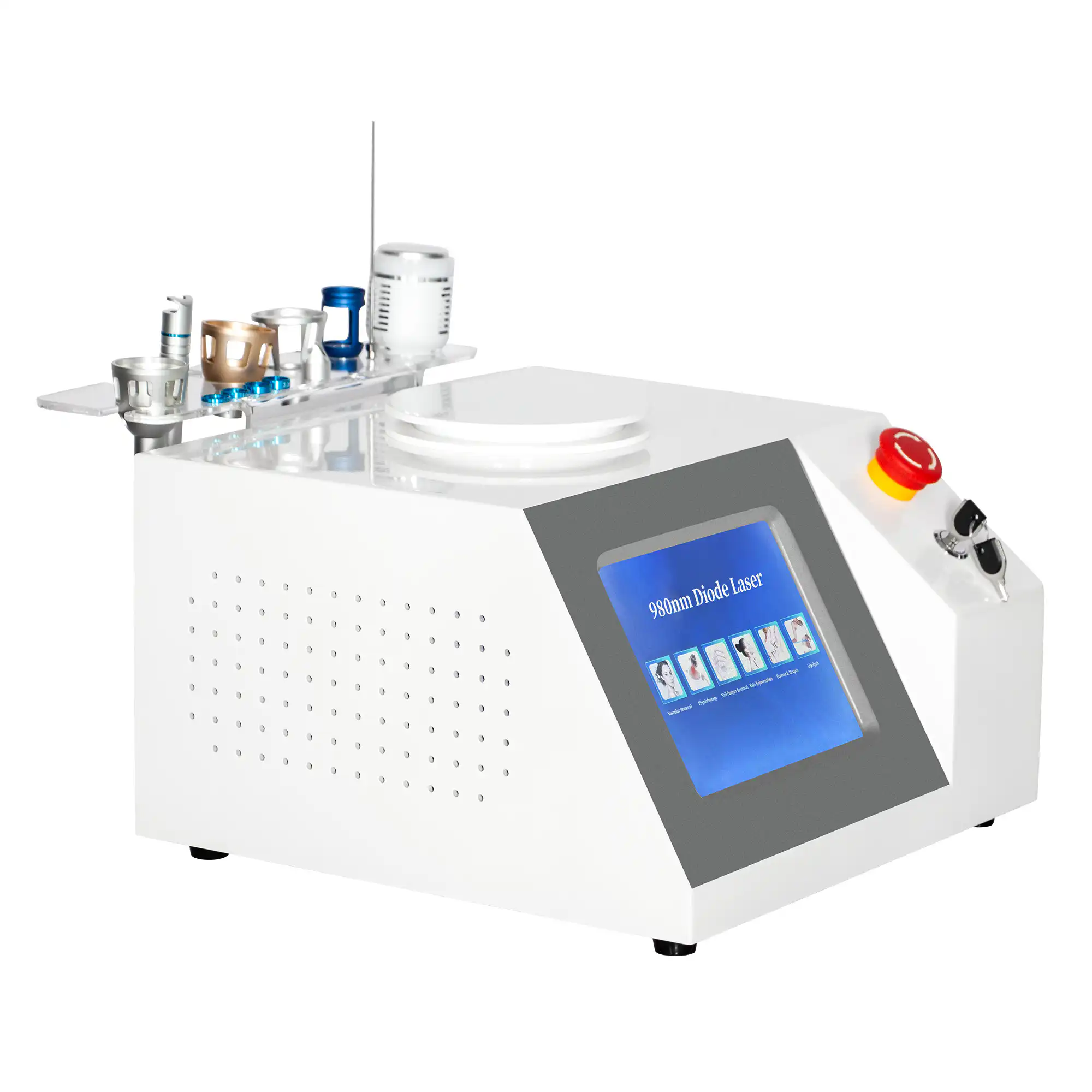
The table below gives market reference ranges for professional-grade equipment sourced from China, based on published supplier data and current market listings. Treat them as baselines, not price tags: in any beauty machine price negotiation, configuration, certification and order size move each number.
| Machine category | Entry / portable | Mid-range professional | High-end / multi-platform |
|---|---|---|---|
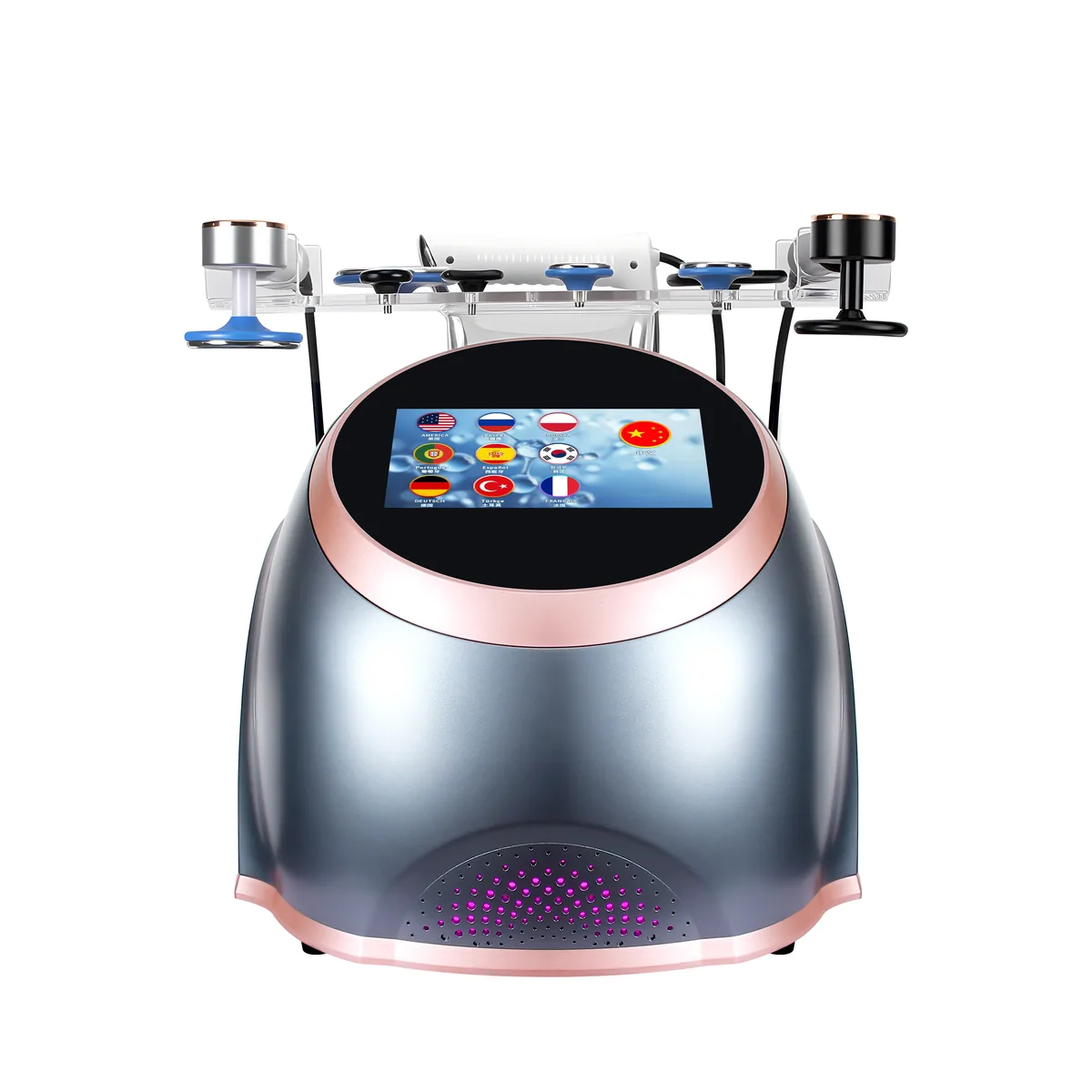
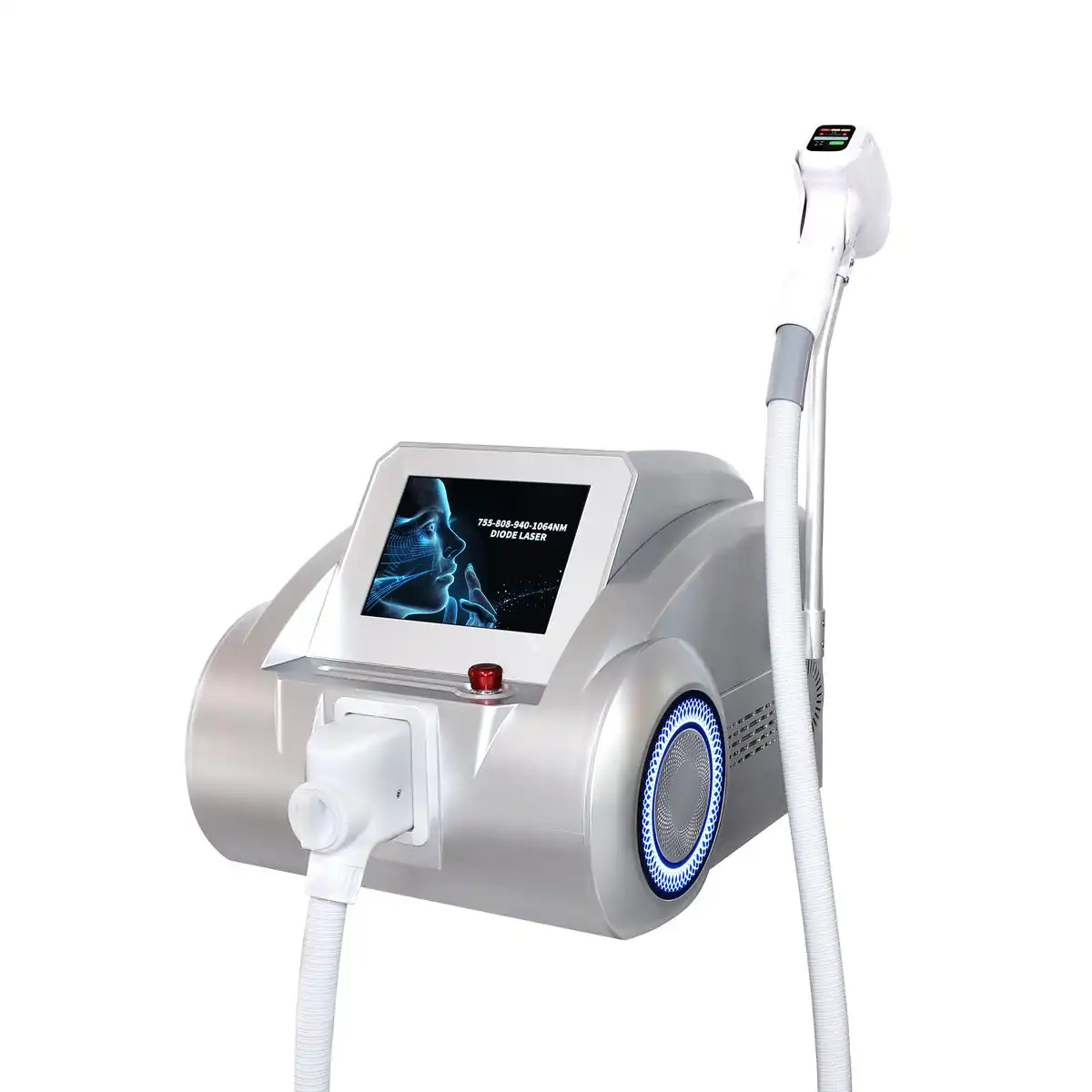
| Diode laser hair removal (755/808/1064nm) | $800–$2,500 | $2,500–$8,000 | $8,000–$20,000+ |
| HIFU lifting systems | $1,000–$3,000 | $3,000–$10,000 | $10,000–$25,000+ (original branded $20,000–$50,000) |
| RF microneedling | $1,000–$3,000 | $3,000–$12,000 | $12,000–$25,000+ |
| Cavitation / body contouring | $500–$1,500 | $1,500–$3,000 | $3,000–$6,000+ |
| CO2 fractional laser | $1,500–$2,500 | $2,500–$6,000 | $6,000–$15,000+ |
| IPL / E-Light | $800–$2,000 | $2,000–$5,000 | $5,000–$10,000+ |
| EMS body sculpting | $1,500–$3,000 | $3,000–$8,000 | $8,000+ |
For category-specific buying advice, see our deeper guides on ultrasonic cavitation machine wholesale and HIFU machine wholesale. A quote far below these bands is not automatically a bargain — it is usually a signal of reduced configuration, unverified components or no real after-sales support, which the red-flag section below covers in detail.
Payment Terms: How to Pay Without Getting Burned
The industry norm for wholesale beauty machines is a 30% deposit with the 70% balance paid before shipment, by bank transfer (T/T). The deposit covers materials and production scheduling; the balance is due once the machine is finished and — this is the part many buyers miss — after it has passed inspection.
- Tie the balance to inspection. Write into the order confirmation that the balance is payable after pre-shipment inspection (video or third-party) is passed. Serious suppliers accept this; resistance to it tells you something.
- Use TT for larger orders. Letters of credit through your bank add cost but protect both sides on container-scale deals,
- Never pay 100% upfront. A supplier demanding full payment before production is either desperate or hiding something. 30% deposit with the 70% balance paid before shipment.
- Keep the payment trail corporate. Pay to the company account matching the contract entity, not to a personal account — this matters for both legal protection and import documentation.
Beauty Machine Price Negotiation: Five Levers That Actually Move the Price
Asking for a flat discount usually fails, because the salesperson either refuses or quietly removes something you wanted. Professional buyers negotiate on structure instead. These five levers work in almost every beauty machine price negotiation:
1. Bundle models into one shipment
Instead of pushing for volume on a single model you have not yet sold, combine two or three models into one order — for example a diode laser, a cavitation unit and a HIFU machine in one mixed container. The order value rises, the supplier’s freight efficiency improves, and the combined discount is usually better than three separate small orders.
2. Adjust configuration, not quality
Reducing the number of handpieces, choosing a standard housing colour instead of a custom mold (a custom mold alone can add $2,000–$3,000), or accepting the standard user interface are honest cost reductions. Asking for “the same machine, 20% cheaper” is not — the only way to meet it is to cut corners you cannot see.
3. Trade lead time for price
Standard configurations typically ship in days; fully customised OEM units take weeks. If a standard model works for your first order, say so — suppliers price flexibility, and a fast-turning standard order is worth a better margin.
4. Ask for the parts package instead of a discount
A spare handpiece, a set of cartridges, fuses and seals cost the supplier far less than their value to you. If the price truly cannot move, converting the last round of negotiation into a free consumables and spare-parts package is often the better win — and it keeps the relationship warm for reorder negotiations.
5. Commit to a forecast, not just one order
If you are genuinely building a market, say so with numbers: “If the first order performs, we plan to reorder quarterly — can we agree on a price ladder that improves at each stage?” Suppliers discount for predictable demand far more readily than for a one-off bargain hunt.
Pre-Shipment Inspection: Protect Your Balance Payment
The balance payment is your only real leverage, and inspection is how a beauty machine price negotiation becomes enforceable rather than a promise. Before releasing the final 70%, run one of these two checks:
- Live video acceptance (free, 30 minutes). Ask the supplier to show the machine running live: the serial number matching the contract, a runtime test, an output/energy demonstration on a demo target, and a count of accessories against the packing list. Record the call.
- Third-party inspection (typically a few hundred US dollars per man-day). Companies such as SGS or Bureau Veritas check workmanship, function and packing against your acceptance criteria and issue a report you can act on before the goods leave the factory.
Put the acceptance criteria in writing before the deposit: what is tested, what counts as a failure, and what happens if it fails (repair and re-inspect, replace, or refund). A supplier who agrees to written acceptance criteria is a supplier who plans to still be in business when you reorder.
could make a vedio.
Red Flags in a Wholesale Quote
Most problems in a beauty machine price negotiation show up as signals inside the quote itself. Watch for these:
- Price far below the category band. A “professional 808nm diode laser” at $600 is not a deal; it is a different product with the same name.
- No verifiable certificate numbers. Certificates you cannot cross-check — for example in the FDA 510(k) database or against the issuing body — are decoration. Ask for the numbers; legitimate suppliers have them ready.
- Vague warranty wording. “One year warranty” without stating what is covered (parts, labour, shipping), what voids it, and how the RMA process works is not a warranty. Our own standard is 12 months on the main device with separate terms for accessories, stated in writing on every quote.
- Refusal of a video call or live factory tour. A supplier with real operations shows them.
- Specs that never name the laser source or key components. If the quote cannot say which laser source, handpiece type and cooling system are inside, you are buying a mystery.
Factory Direct or Trading Company: Which Quote Should You Trust?
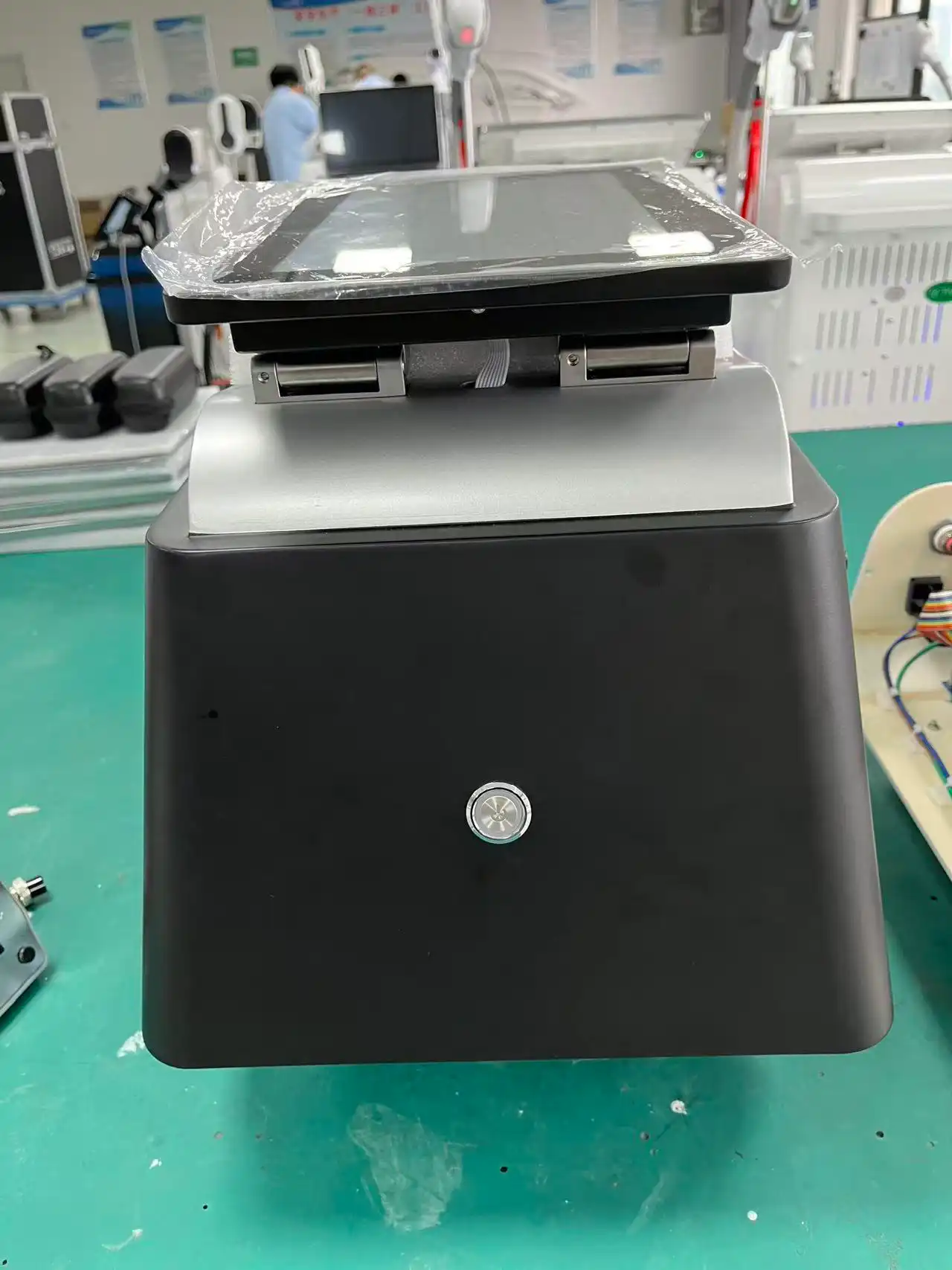
This question deserves an honest answer instead of marketing, because the answer changes how your beauty machine price negotiation should be run. A factory gives you the lowest FOB price on its own product line and the deepest engineering access — the right choice when you are ordering volume on one or two models you already know. A professional trading company or brand supplier adds a different set of values: it sources across multiple vetted factories, runs quality control before machines ship, consolidates mixed products into one shipment, handles export documentation, and gives you one point of contact who is accountable when something goes wrong — across the whole order, not just one factory’s product.
The validation process is identical for both: ask for business licence and factory photos or a live tour, ask which certifications the production partner holds (for example, working with factories certified under ISO 13485 — see the ISO 13485:2016 standard), ask for buyer references in your market, and check how quickly and specifically they answer technical questions. The best supplier is not whichever one calls itself a factory — it is the one whose answers survive checking. For the full sourcing framework, see our complete B2B beauty machine wholesale guide.
Frequently Asked Questions
A Simple Negotiation Timeline: From RFQ to Signed Order
Finally, sequence matters. A beauty machine price negotiation tends to go well when each step happens in order:
- Day 0 — RFQ with a specification sheet. Send the same spec sheet to three suppliers so every quote covers an identical package: model, configuration, trade term, certificate numbers, warranty wording and lead time.
- Days 1–3 — line-item comparison. Put every quote into a six-row sheet: configuration price, delivered cost, consumables, training, warranty and documentation. Cross out anyone who cannot state verifiable certificate numbers.
- Days 4–7 — technical questions. Ask each shortlisted supplier three specific technical questions and time the answers. Speed and specificity at this stage predict after-sales support later.
- Week 2 — negotiate on structure. Apply the levers above: bundling, configuration adjustments, parts packages and reorder forecasts — never a flat discount demand.
- Week 3 — written confirmation. Lock the agreed configuration, acceptance criteria, inspection rights and payment milestones into the order confirmation before paying the deposit.
- Before balance — inspection. Run video acceptance or third-party inspection, then release the balance.
Buyers who skip the sequence — negotiating price first and reading the warranty terms last — lose the two advantages that matter most: comparable quotes and leverage at the payment stage. A written record of every concession also keeps a beauty machine price negotiation from drifting back toward its starting price once production begins.
The Bottom Line: Negotiate the Deal, Not Just the Number
A good beauty machine price negotiation is not about squeezing the last dollar out of a salesperson. It is about comparing identical packages, paying in a structure that keeps your leverage until the machine is verified, and trading things the supplier values — bundled volume, standard configurations, predictable demand — for terms that lower your real cost and risk. Do that consistently and you will beat not only the cheapest quote on your desk, but most of your competitors who simply picked the lowest number.
Send your specification sheet to LANGWEN for a line-item quote — configuration, certificate numbers, warranty terms and lead time all stated in writing.