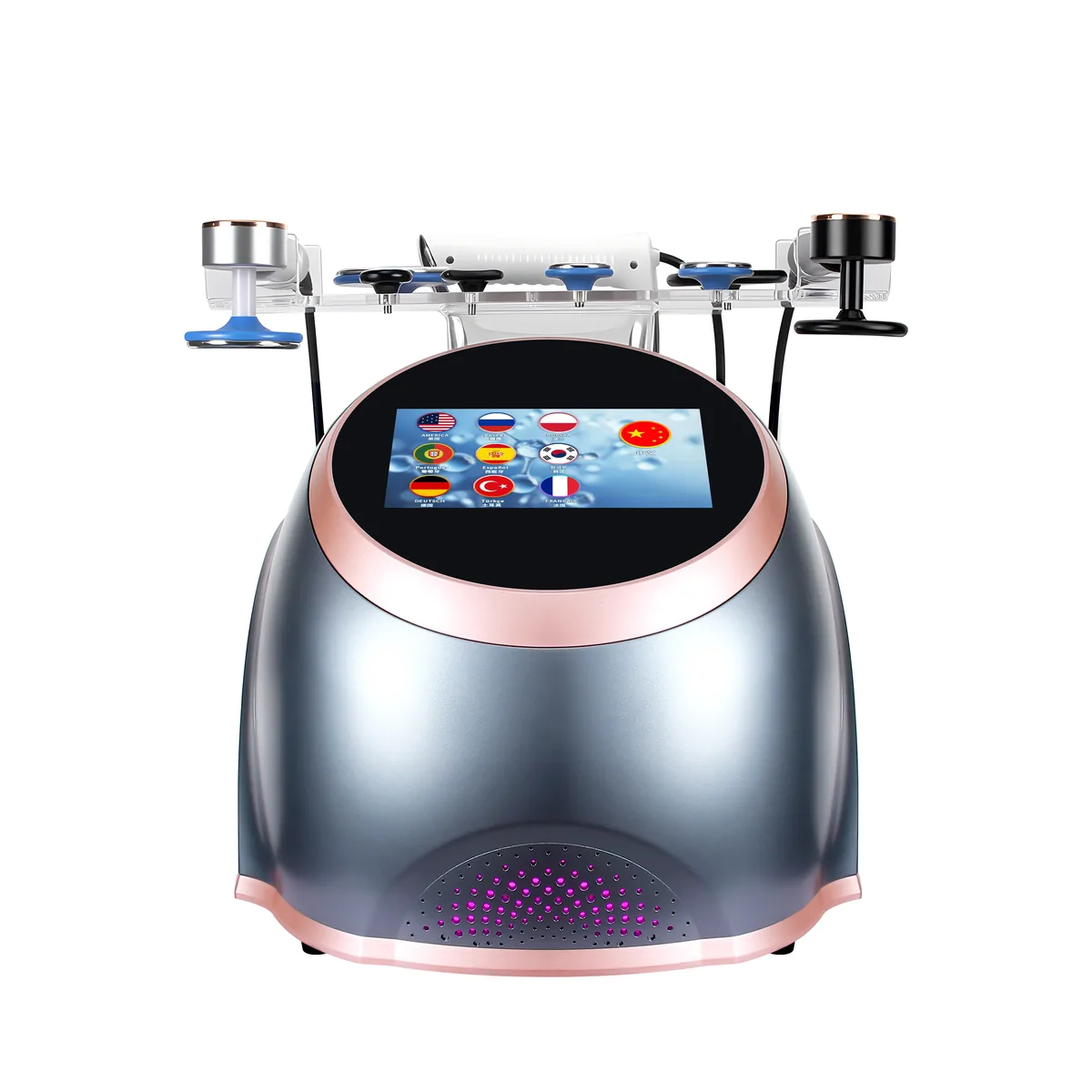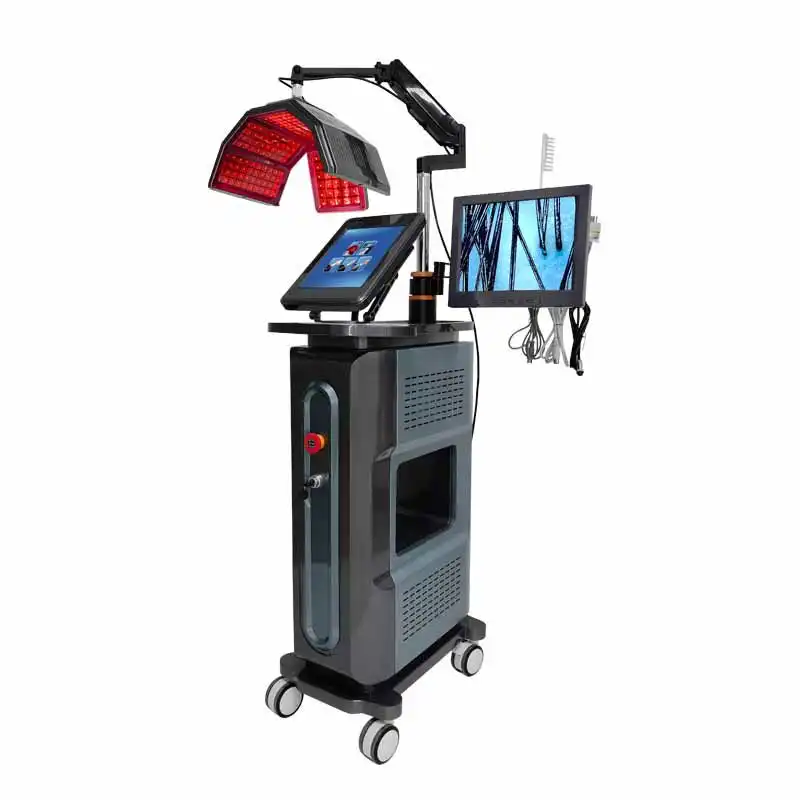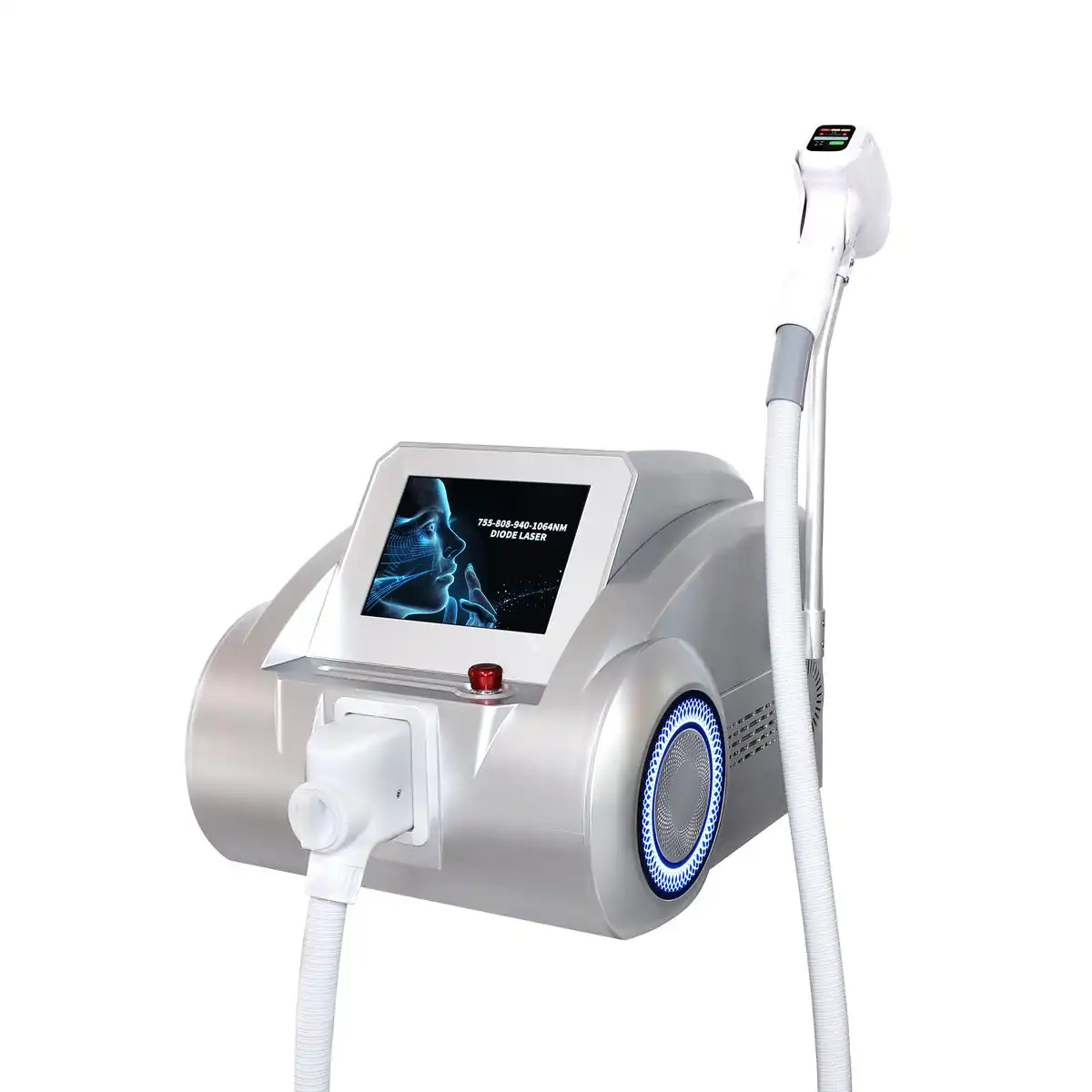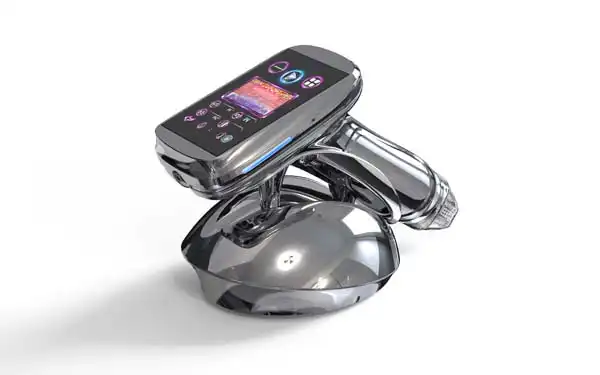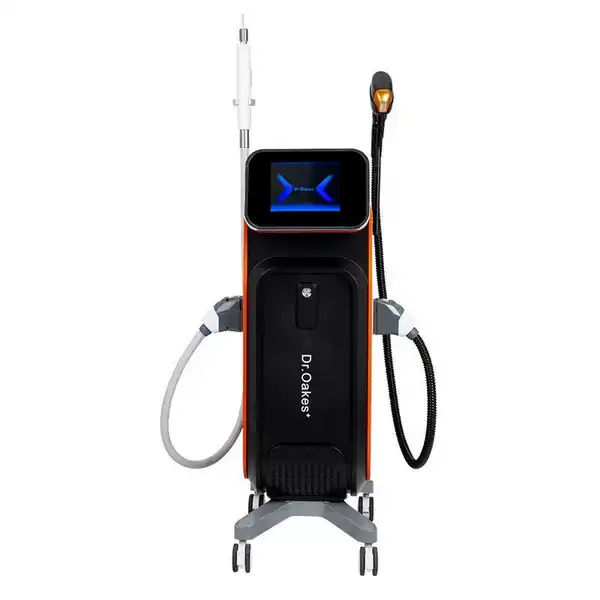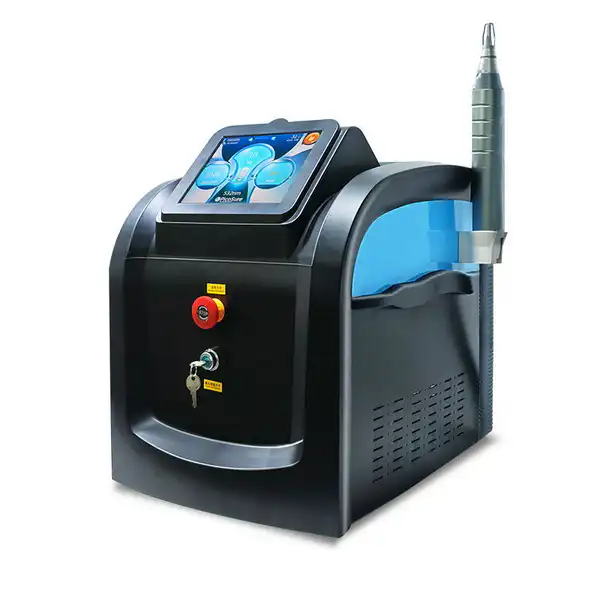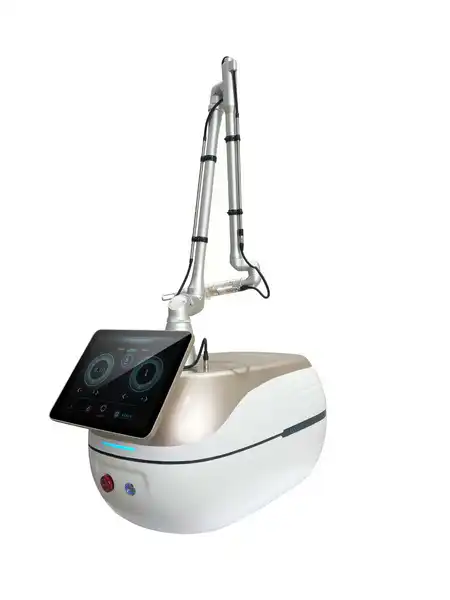
If you are researching the picosecond laser machine price for a clinic, aesthetic center, tattoo removal business, or distribution project, the cheapest machine is rarely the best choice.
The price of a picosecond laser depends on much more than the machine’s appearance. Buyers should compare laser wavelength, pulse duration, output energy, spot size, cooling system, handpiece configuration, certifications, manufacturer experience, and after-sales support.
Another important question is whether you should purchase a new picosecond laser, a used machine, or a lower-cost Q-switched laser.
This guide explains the major factors that influence picosecond laser machine prices and provides a practical checklist for clinics and B2B buyers.
Before locking in a budget, it helps to see how picosecond pricing fits into the bigger picture of sourcing from China — our beauty machine wholesale and OEM guide breaks down the full cost structure, negotiation points, and customization options.
Price bands on the hair removal side work differently from pico pricing. Our overview of hair removal machine and pico machine price bands puts both in one place for buyers planning a two-service menu.
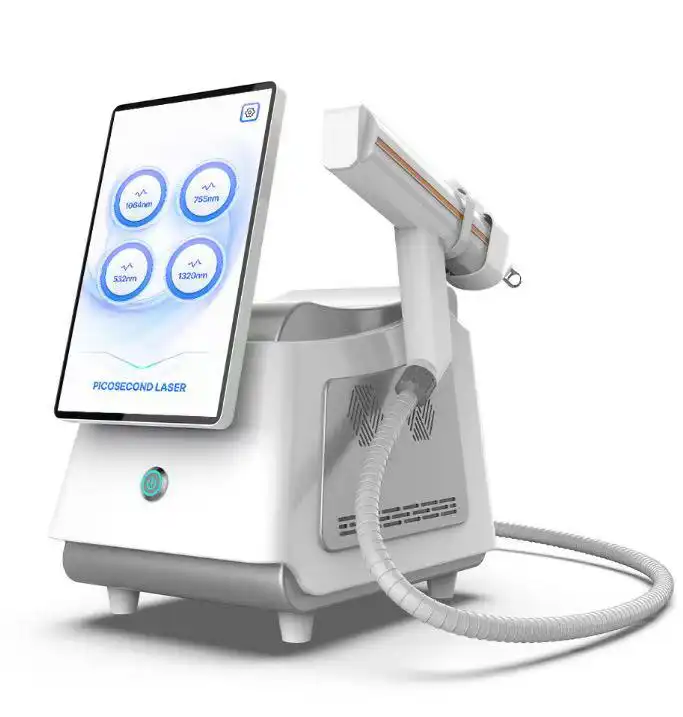 How Much Does a Picosecond Laser Machine Cost?
The wholesale price of a picosecond laser machine can vary significantly depending on the laser source, configuration, energy output, wavelengths, handpieces, cooling system, certifications, and customization requirements.
For buyers comparing quotations from Chinese manufacturers, do not compare prices based only on the product name.
Two machines may both be advertised as “picosecond laser machines” while having very different technical configurations.
A professional quotation should clearly specify:
- Laser wavelength
- Pulse duration
- Maximum energy
- Repetition rate
- Spot size
- Laser source
- Cooling system
- Handpiece configuration
- Display and control system
- Certifications
- Warranty and spare parts
- MOQ
- OEM/ODM options
The actual picosecond laser machine price should therefore be evaluated together with the complete specification.
Picosecond Laser vs. Q-Switched Laser: Why Pay More?
One of the most important purchasing decisions for clinics is whether to invest in a picosecond laser or a traditional Q-switched laser.
What Is the Main Difference?
Q-switched lasers typically deliver nanosecond-duration pulses, while picosecond lasers deliver much shorter pulses measured in picoseconds.
The shorter pulse duration can produce stronger photoacoustic effects with less thermal diffusion under appropriate treatment conditions.
For tattoo removal and pigmentation-related applications, this difference is one reason why clinics may be willing to pay more for a picosecond platform.
However, pulse duration alone does not guarantee better clinical performance.
The laser source, energy stability, wavelength, spot size, beam profile, cooling, operator settings, and overall engineering also matter.
Why Would a Clinic Spend More on Pico?
A clinic may consider paying more for a picosecond system when it wants:
- Shorter pulse duration
- More advanced laser technology
- Multiple wavelength options
- Flexible treatment parameters
- A premium positioning strategy
- A broader range of pigmentation and tattoo applications
- A newer technology platform for its service menu
For a clinic competing in a premium aesthetic market, the higher equipment investment may be justified if the machine provides a meaningful technical and commercial advantage.
However, buyers should always compare the actual specifications rather than the word “pico” on the product listing.
Key Picosecond Laser Parameters Buyers Should Understand
When comparing a quotation, there are several technical specifications that deserve particular attention.
Pulse Width
Pulse width is one of the most important differences between picosecond and Q-switched technology.
A shorter pulse duration generally means the laser delivers energy over a shorter period.
When evaluating a supplier, ask for the actual pulse duration and whether the stated value applies to the complete operating range or only a specific mode.
Do not accept vague descriptions such as “ultra-short pulse” without a technical specification.
Laser Energy
Energy is commonly expressed in millijoules (mJ) or joules (J), depending on the equipment and specification.
Higher energy does not automatically mean better treatment.
A professional buyer should evaluate energy together with:
- Spot size
- Pulse duration
- Repetition rate
- Wavelength
- Beam profile
- Energy stability
A machine with high advertised energy but poor energy consistency may be less attractive than a machine with lower but stable output.
Spot Size
Spot size affects treatment coverage and energy density.
A machine offering multiple spot sizes can provide greater flexibility for different treatment areas.
When comparing machines, ask:
- What spot sizes are available?
- Are different spot sizes included?
- Is the spot size adjustable?
- Which handpiece provides each spot size?
This information can help clinics determine whether a machine is suitable for both smaller detailed areas and larger treatment areas.
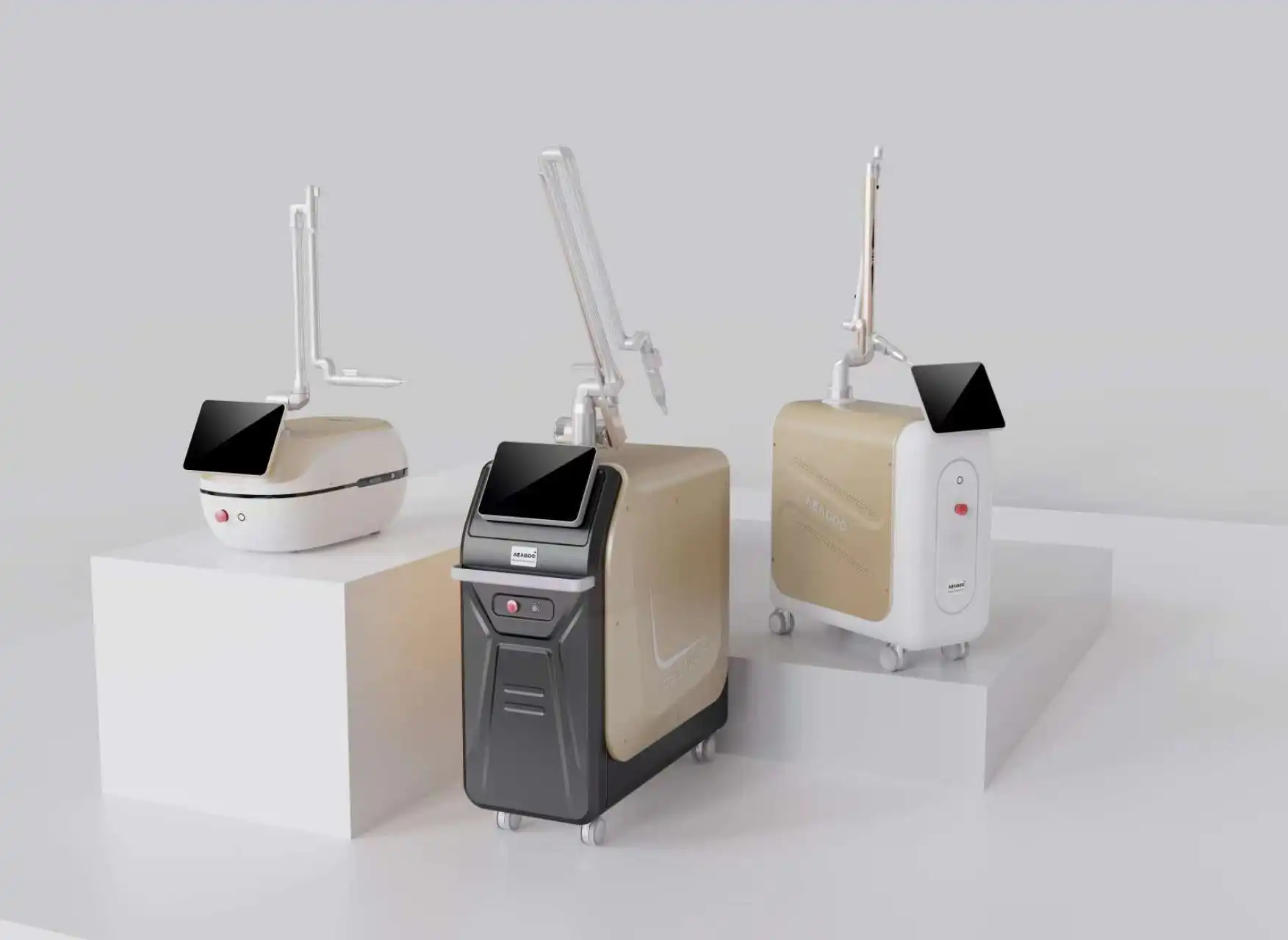
Picosecond Laser Parameter Comparison Table
| Parameter | What It Means | What Buyers Should Check |
|---|---|---|
| Pulse Width | Duration of each laser pulse | Actual picosecond specification |
| Wavelength | Determines laser-light interaction characteristics | Available wavelengths |
| Energy | Energy delivered per pulse | Maximum and adjustable energy |
| Spot Size | Treatment beam diameter | Available sizes and adjustment |
| Repetition Rate | Pulses delivered per second | Adjustable frequency |
| Laser Source | Core laser-generation component | Source type and manufacturer |
| Cooling | Helps manage heat during operation | Air/water/other cooling system |
| Handpieces | Deliver laser energy to treatment area | Number and specifications |
| Beam Profile | Distribution of energy across the spot | Stability and consistency |
| Display | Controls treatment parameters | Touchscreen and parameter adjustment |
This table should be used as a starting point for comparing different supplier quotations.
Wavelength Selection: 1064nm, 532nm and More
Wavelength is another critical factor when purchasing a picosecond laser.
1064nm
1064nm is widely used in professional laser systems and is commonly associated with applications involving darker tattoo pigments and certain pigmentation treatments.
532nm
532nm is commonly used for selected superficial pigmentation and tattoo colors.
For buyers considering a multifunction picosecond platform, having both 1064nm and 532nm can provide greater application flexibility than a single-wavelength configuration.
However, the appropriate wavelength depends on the specific treatment target, skin characteristics, and professional treatment protocol.
Other Wavelength Options
Some advanced systems may provide additional wavelengths or optional handpieces.
If a supplier offers multiple wavelengths, ask whether each wavelength is generated by the main laser system or provided through a separate module or handpiece.
This can make a significant difference when comparing the actual equipment configuration and price.
New vs. Used Picosecond Laser Machines
A used picosecond laser can appear attractive because the initial purchase price may be considerably lower than buying a new machine.
However, clinics need to understand the risks before choosing second-hand equipment.
Advantages of Buying Used
Used equipment may provide:
- Lower initial investment
- Access to premium equipment at a reduced price
- Faster deployment
- Potentially lower depreciation
For an experienced clinic with qualified technical support, a used machine can sometimes make commercial sense.
Risks of Used Pico Lasers
The main concern is the condition of the laser source.
A used machine may have:
- Unknown operating hours
- Reduced laser-source performance
- Worn optical components
- Cooling-system problems
- Damaged handpieces
- Calibration issues
- Missing accessories
- Outdated software
- Limited technical support
The seller may also have incomplete maintenance records.
What to Check Before Buying Used
If you are considering a second-hand picosecond laser, request:
- Original model and serial number
- Manufacturing date
- Operating hours
- Maintenance history
- Laser-source replacement history
- Current output test
- Handpiece condition
- Cooling-system condition
- Error records
- Available spare parts
- Original technical documentation
A used machine is only attractive when the lower purchase price compensates for the additional technical risk.
For many clinics, a new machine from a reliable manufacturer may provide a better balance between initial investment and long-term operating reliability.
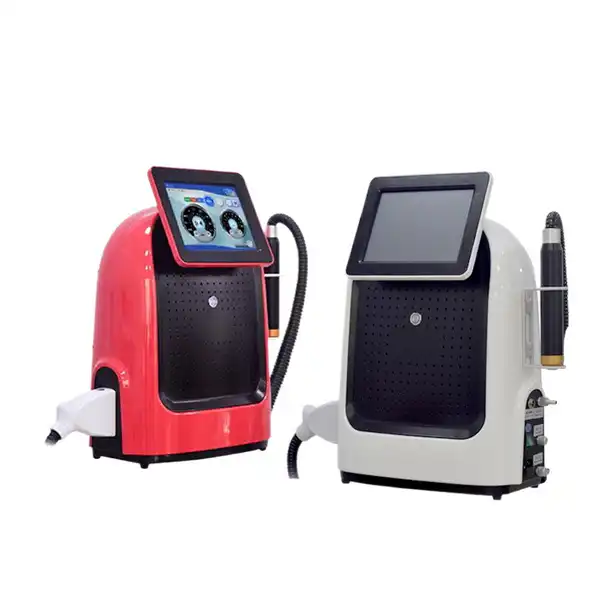 Picosecond Laser Machine Wholesale Options for Clinics and Distributors
For B2B buyers, the configuration should match the target market.
A distributor supplying professional clinics may need a higher-energy system with multiple wavelengths, while a smaller aesthetic business may prioritize compact design and a lower initial investment.
Our OEM Picosecond Laser Tattoo Removal Machine can be considered by buyers looking for an existing pico laser platform with OEM possibilities.
For distributors specifically looking for wholesale supply, the Wholesale Picosecond Laser Tattoo Removal Machine is another configuration to compare when evaluating different suppliers and price levels.
Compact Picosecond Laser Machines
Not every clinic needs a large floor-standing system.
Smaller clinics, beauty studios, and businesses with limited treatment-room space may prefer a compact system.
A model such as the Mini Light Velocity Picosecond Laser Machine for Tattoo Removal can be considered when size, portability, and investment level are important purchasing factors.
However, compact design should not be confused with lower technical requirements. Buyers should still request the full specifications for wavelength, energy, pulse duration, cooling, and handpiece configuration.
Advanced Picosecond Laser Features to Compare
For clinics positioning themselves in the professional or premium market, technical configuration becomes increasingly important.
The Advanced Picosecond Laser Tattoo Removal Machine is an example of a more advanced configuration buyers can use as a reference when comparing professional pico laser systems.
When comparing advanced machines, ask the manufacturer whether the quoted price includes:
- Complete handpiece set
- Multiple wavelengths
- Adjustable energy
- Different spot sizes
- Cooling system
- Foot pedal
- Protective accessories
- User manual
- Training materials
- Spare parts
Do not assume that all accessories shown in product photographs are included in the wholesale quotation.
High-Energy Picosecond Laser: Is More Energy Better?
Some clinics specifically search for high-energy laser systems because they want greater treatment flexibility.
However, “high energy” should never be used as the only purchasing criterion.
The High-Energy Laser Tattoo Removal Machine can be considered when comparing higher-output configurations.
Before purchasing, ask the manufacturer to provide the relationship between:
Energy + spot size + pulse duration + repetition rate.
This gives buyers a much clearer picture of the actual laser configuration than looking at the maximum energy number alone.
Cooling System: An Important Purchasing Factor
The cooling system is sometimes overlooked when buyers compare picosecond laser machine prices.
A professional laser system may generate substantial heat during operation, so effective thermal management is important for equipment stability and operator workflow.
What Should Buyers Ask?
Request information about:
- Cooling technology
- Cooling capacity
- Water circulation system, if applicable
- Air cooling
- Temperature monitoring
- Alarm system
- Maintenance requirements
- Recommended coolant
- Cooling-system lifespan
If the quotation contains a very low price, check whether the cooling system is simplified compared with higher-priced machines.
A lower equipment price can sometimes reflect differences in the cooling architecture, laser source, handpiece configuration, or control system.
What Determines Picosecond Laser Machine Price?
When comparing wholesale quotations, the main price factors usually include:
1. Laser Source
The laser source is one of the most important components affecting machine cost.
2. Number of Wavelengths
A multi-wavelength system generally provides greater flexibility but may cost more than a single-wavelength configuration.
3. Energy Output
Higher-output configurations may require more advanced power and thermal-management systems.
4. Pulse Duration
Advanced ultra-short pulse technology can increase the equipment cost compared with conventional nanosecond systems.
5. Handpiece Configuration
Additional handpieces and spot sizes increase the overall system cost.
6. Cooling System
A more sophisticated cooling system can increase both equipment cost and long-term maintenance requirements.
7. Certifications
The compliance documentation required for different destination markets can influence development, testing, and documentation costs.
8. OEM Customization
Private-label buyers may need customized logos, colors, packaging, labels, manuals, or software interfaces.
The more customization required, the higher the development and production cost may become.
Picosecond Laser OEM: What Should Private-Label Buyers Ask?
If you plan to purchase a pico laser under your own brand, discuss OEM requirements before confirming the order.
Ask the manufacturer about:
- Logo customization
- Product color
- Startup screen
- Software interface
- Packaging
- User manual
- Labels
- Accessories
- MOQ
- Sample availability
- Production lead time
A practical approach is to start with an existing mature model rather than immediately requesting a completely new laser platform.
This can reduce development time and make it easier to control the initial purchasing budget.
Picosecond Laser Purchasing Checklist for Clinics
Before choosing a machine, use the following checklist.
Laser Specifications
- 1064nm wavelength
- 532nm wavelength
- Other available wavelengths
- Actual pulse duration
- Maximum energy
- Adjustable energy
- Repetition rate
- Spot size options
- Laser-source information
Machine Configuration
- Handpieces
- Cooling system
- Display
- Foot pedal
- Emergency controls
- Accessories
- Spare parts
Compliance
- CE documentation where applicable
- FDA documentation where applicable
- Electrical safety documentation
- EMC documentation
- Relevant test reports
- User manual
Commercial Terms
- Sample price
- Wholesale price
- MOQ
- OEM MOQ
- Packaging MOQ
- Production lead time
- Shipping dimensions
- Payment terms
Questions to Ask a Picosecond Laser Manufacturer
Instead of simply asking a supplier, “What is your pico laser price?”, send a complete RFQ.
Ask:
- What laser source do you use?
- What wavelengths are available?
- What is the actual pulse duration?
- What is the maximum energy per pulse?
- What energy range is adjustable?
- What spot sizes are available?
- What cooling system is used?
- How many handpieces are included?
- What certifications are available for this exact model?
- What is the MOQ?
- What is the sample price?
- What is the lead time for 10, 20, or 50 units?
- What OEM options are available?
- What spare parts are available?
- Can you provide product test reports and technical documentation?
A detailed RFQ allows you to compare suppliers on actual specifications rather than marketing claims.
Final Buying Decision: Which Picosecond Laser Should You Choose?
There is no single best picosecond laser for every clinic.
A buyer with a limited budget may prioritize a compact system and essential wavelengths.
A professional aesthetic clinic may prefer a higher-specification system with multiple wavelengths, flexible energy settings, multiple spot sizes, and an effective cooling system.
A distributor may prioritize wholesale price, stable supply, OEM capability, certifications, and long-term product consistency.
The most important point is to compare the complete equipment configuration, not simply the advertised picosecond laser machine price.
Before placing an order, confirm the laser source, wavelengths, pulse duration, energy range, spot sizes, cooling system, certifications, MOQ, OEM options, and production lead time.
For clinics and distributors, a slightly higher initial investment can be worthwhile when it provides a more reliable and better-documented professional platform.
Conclusion
The picosecond laser machine price is determined by much more than the laser’s appearance or maximum energy rating.
When comparing machines, buyers should evaluate pulse duration, laser wavelength, energy, spot size, laser source, cooling system, handpieces, certifications, and supplier capabilities.
The difference between a picosecond and Q-switched laser can justify a higher investment when the clinic specifically needs the advantages of ultra-short pulse technology. At the same time, buyers should be careful with used machines because unknown operating history and laser-source condition can create significant risks.
For clinics, distributors, and private-label brands, the best purchasing strategy is to request a detailed technical quotation, compare several manufacturers, test a sample when possible, and verify the documentation before committing to a larger wholesale order.
A professional purchasing decision should ultimately be based on technology + specifications + compliance + supplier reliability + total cost, rather than the lowest quoted price.
Sourcing for your salon or distribution business?
Tell us the machine types and target quantity — we reply with factory-direct pricing, lead time and available export documents.