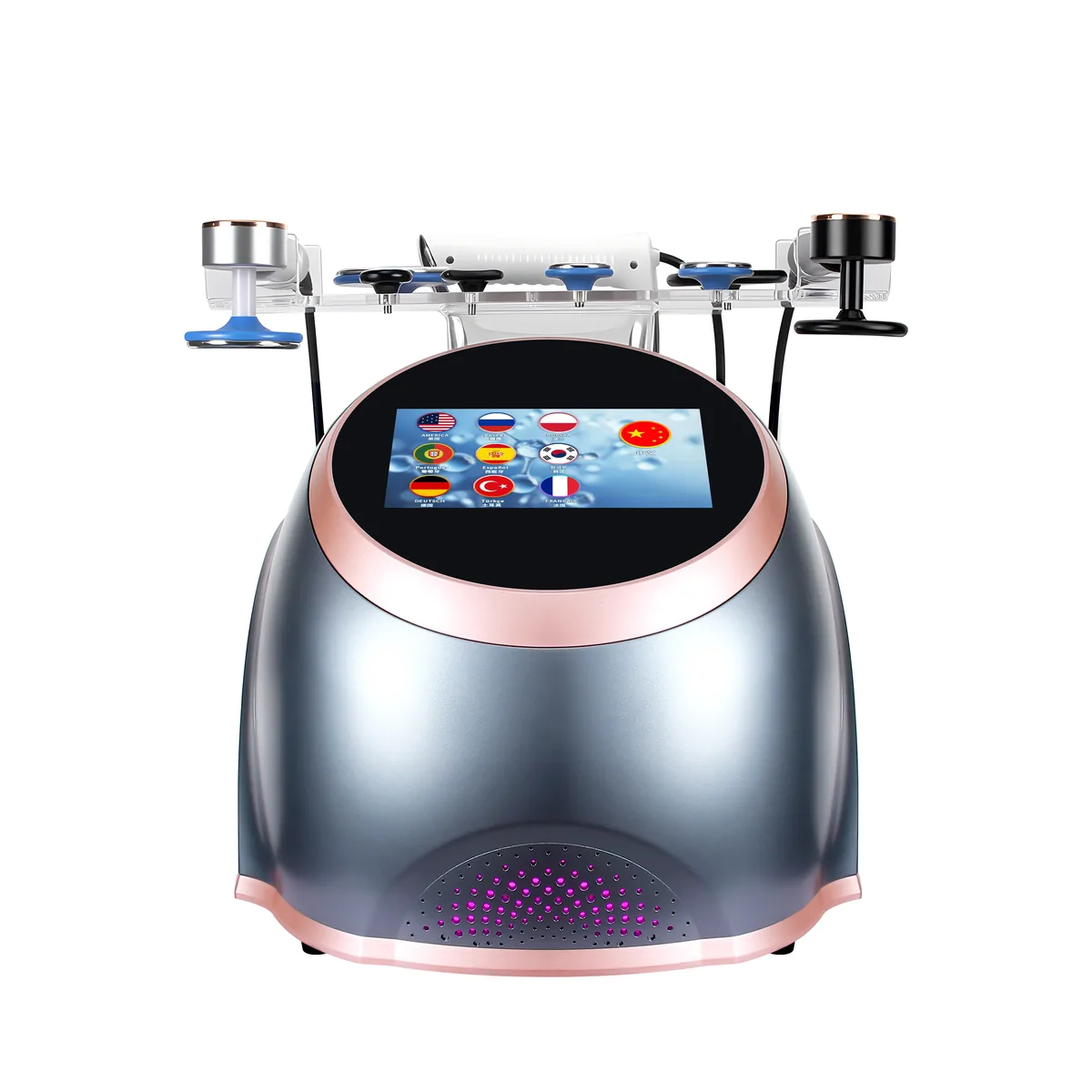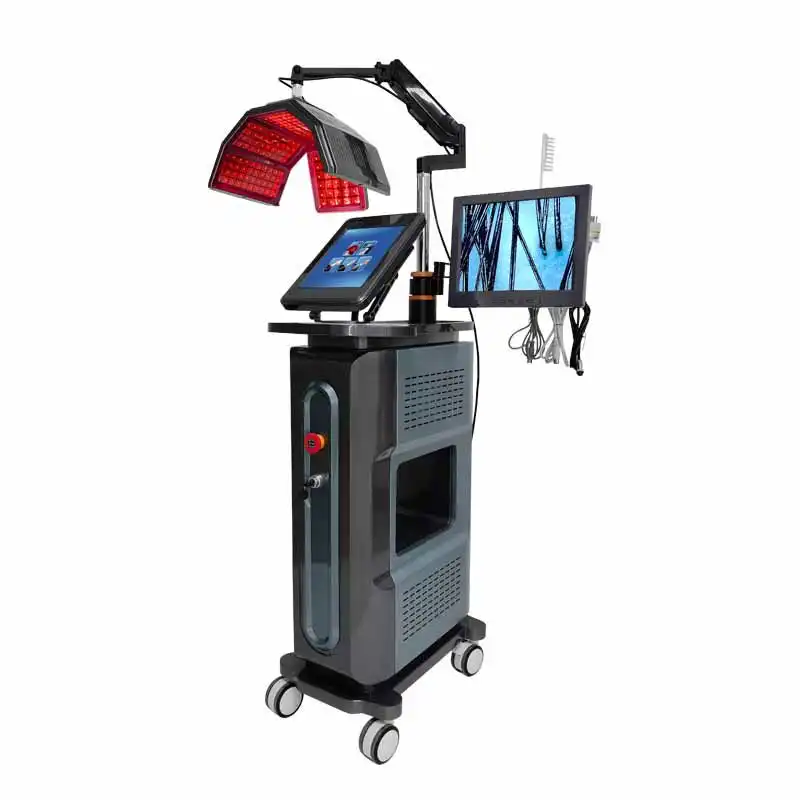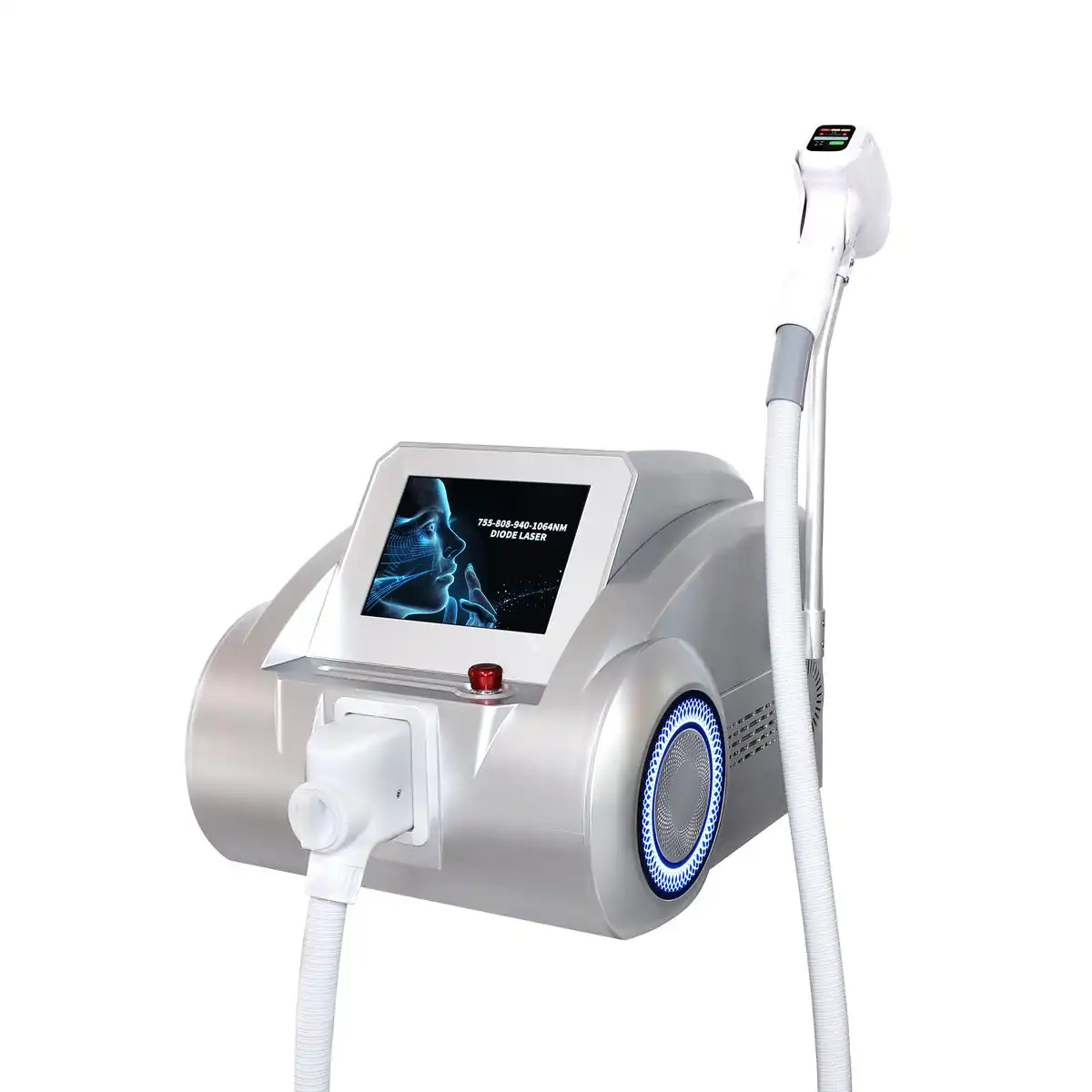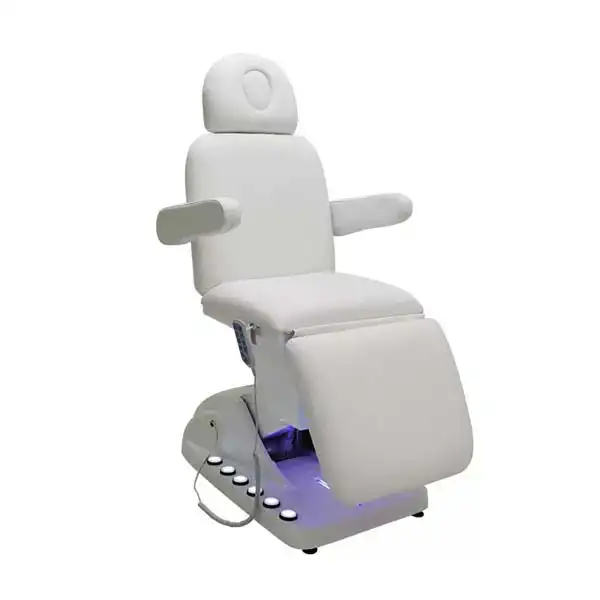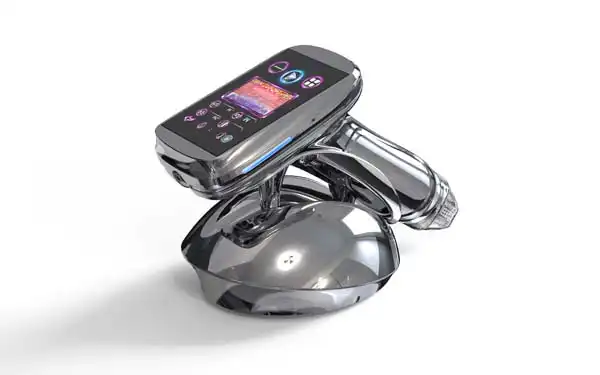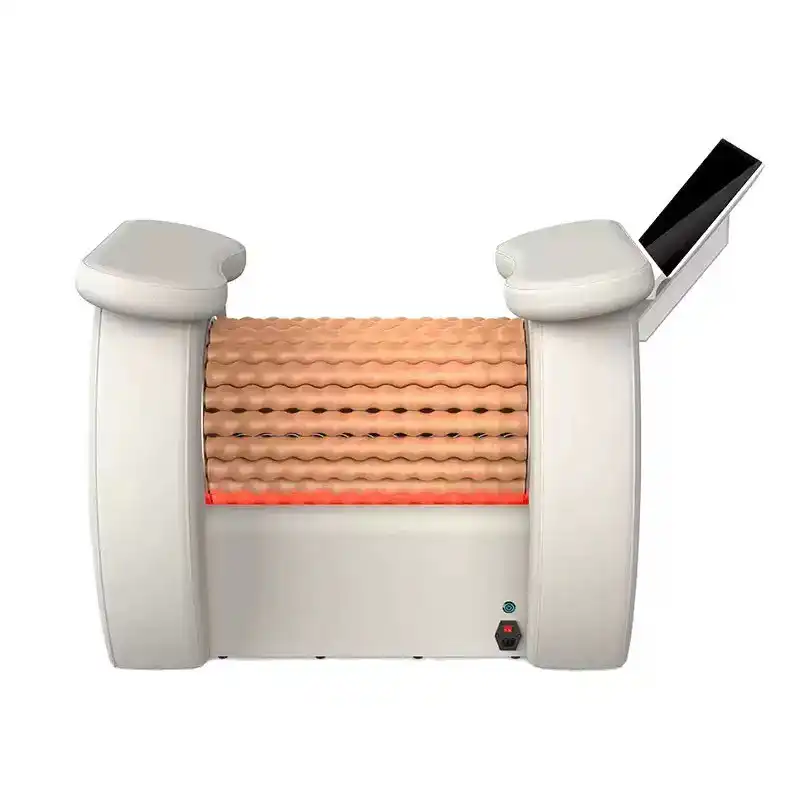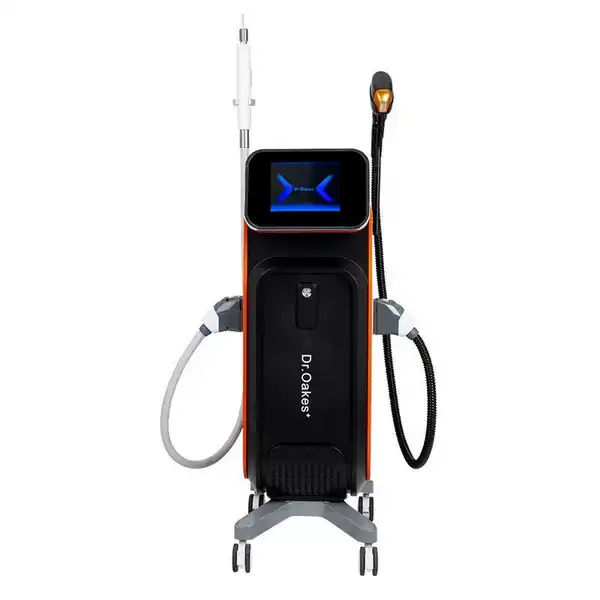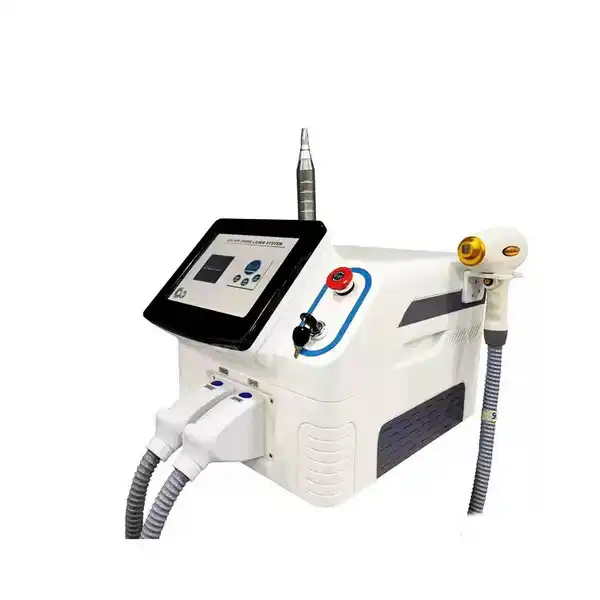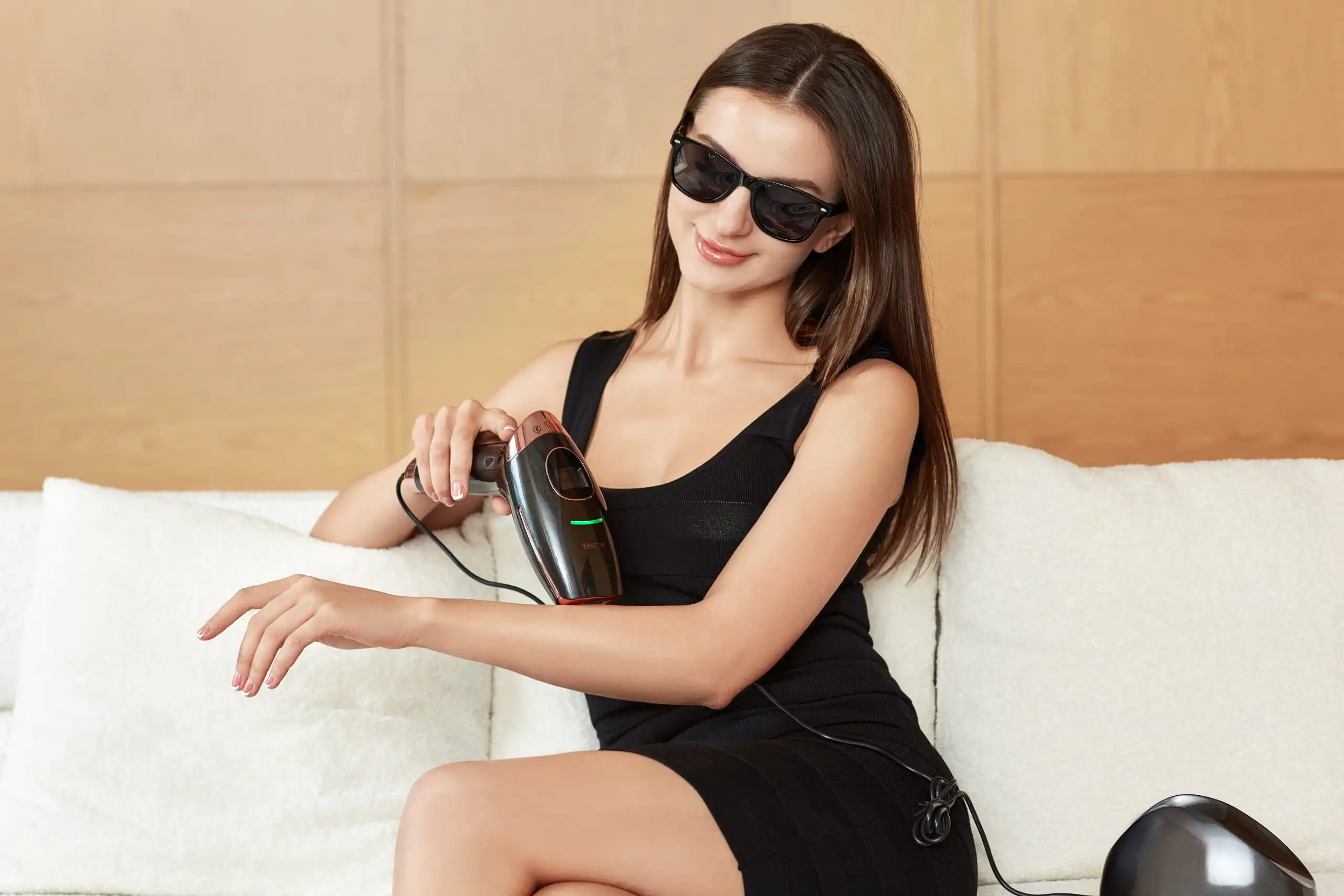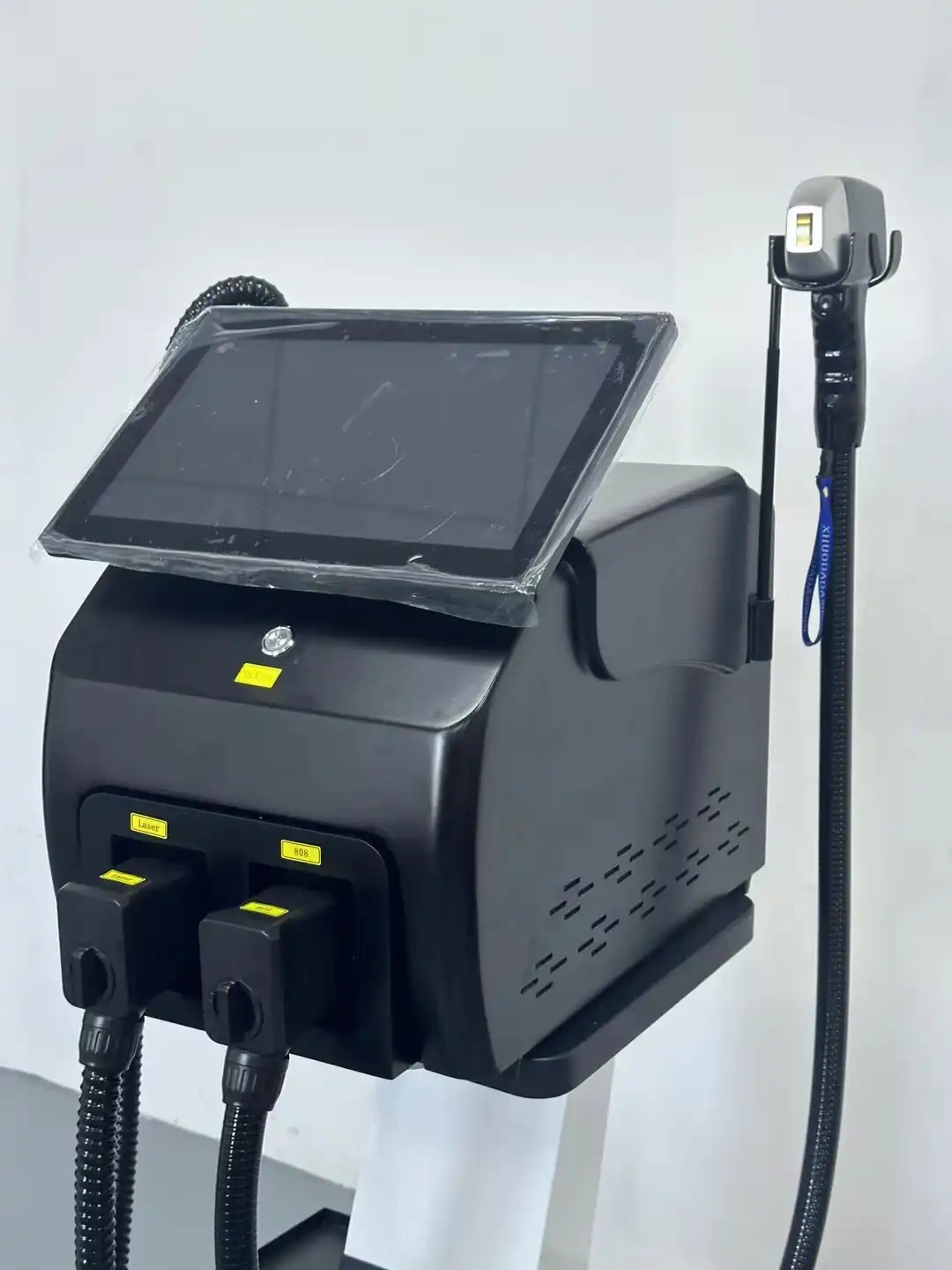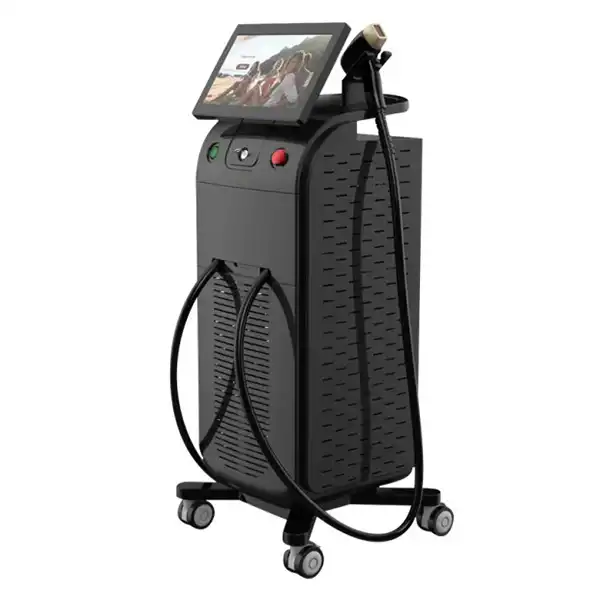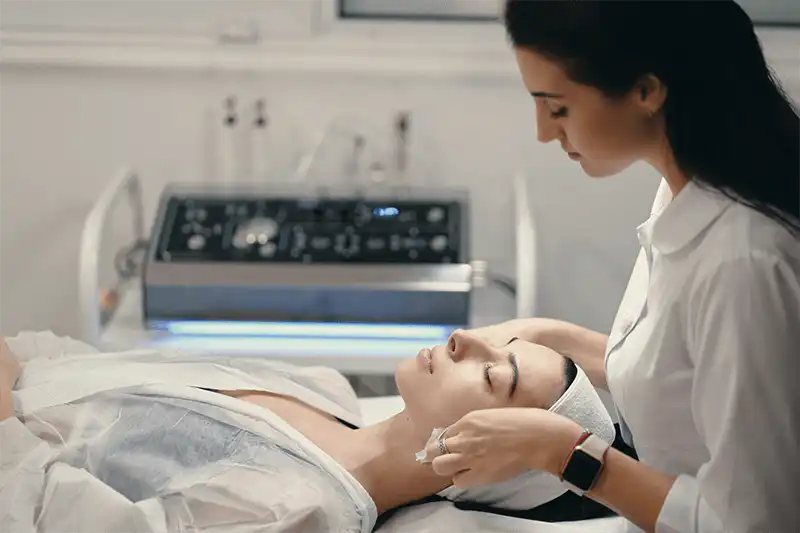
If you run a beauty salon, aesthetic clinic, spa, or beauty equipment distribution business and are planning to add professional hair removal services, one of the first purchasing decisions you will face is: IPL or diode laser — which technology is right for your business?
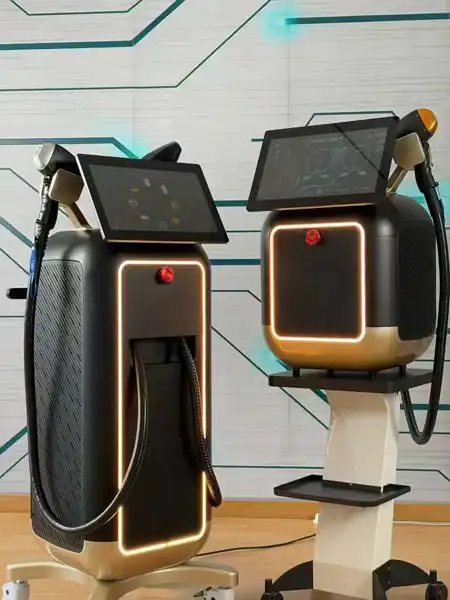 Both IPL and diode laser systems are widely used for professional hair reduction, but they work differently and offer different advantages in terms of technology, treatment performance, skin-type suitability, operating costs, maintenance, and business positioning.
For a salon or clinic owner, the cheapest machine is not necessarily the best investment. The right choice depends on your target clients, treatment volume, service pricing, machine specifications, cooling system, expected lifespan, and long-term return on investment.
This guide compares IPL vs diode laser hair removal machines from a practical B2B purchasing perspective, helping salon owners, clinic operators, distributors, and beauty equipment buyers choose the right system for their market.
Choosing between IPL and diode technology is only the first sourcing decision — our complete B2B beauty machine wholesale guide walks through factory verification, MOQ structure, and OEM customization from concept to shipment.
If diode wins that comparison for your client base, our diode laser machine sourcing guide covers how to buy one: build options, price tiers, OEM branding and after-sales terms.
IPL vs Diode Laser: Quick Comparison
| Factor | Professional IPL | Professional Diode Laser |
|---|---|---|
| Technology | Broad-spectrum pulsed light | Semiconductor laser |
| Typical wavelength | Broad spectrum, depending on filters | Commonly 808nm; other configurations are available |
| Hair reduction | Effective for suitable hair and skin combinations | Highly effective for suitable hair and skin combinations |
| Best suited for | Entry-level hair removal and multifunctional beauty services | Dedicated professional hair removal |
| Skin-type suitability | Depends on wavelength, filters, parameters, and client skin type | Generally suitable for a broader range of skin types when correctly configured |
| Treatment speed | Fast with larger spot sizes | Fast, depending on spot size, repetition rate, and power |
| Cooling | Air, water, or contact cooling depending on model | Often sapphire contact + water/air/TEC cooling |
| Consumables | Lamp or other components may require replacement | Solid-state diode system; generally low consumable requirements |
| Initial investment | Usually lower | Usually higher |
| Business positioning | Entry-level or multifunctional | Premium or dedicated hair removal |
| Best for | New salons, spas, multifunctional treatment businesses | Clinics, established salons, high-volume hair removal businesses |
The short answer
Choose IPL if you want a lower initial investment, multifunctional treatment capability, or an entry-level hair removal service.
Choose a professional diode laser if hair removal is an important part of your business, you want to offer a dedicated professional treatment, and you are willing to invest more in machine performance, cooling, durability, and long-term operating efficiency.
For distributors, the best choice also depends on your target market, price positioning, certification requirements, and OEM/ODM strategy.
How Do IPL and Diode Laser Hair Removal Work?
What Is IPL Hair Removal?
IPL stands for Intense Pulsed Light. Unlike a laser, IPL uses a flash lamp to produce a broad spectrum of light. Filters are used to select the appropriate wavelength range for the intended treatment.
IPL targets melanin in the hair shaft and follicle, allowing the absorbed light energy to be converted into heat. When appropriate treatment parameters are used, this thermal effect can damage the hair follicle and contribute to long-term hair reduction.
One advantage of IPL technology is its versatility. Depending on the machine configuration and available filters, professional IPL platforms may be used for multiple aesthetic applications in addition to hair removal.
However, because IPL uses a broad spectrum rather than a single laser wavelength, treatment performance depends heavily on the device’s optical configuration, filters, fluence, pulse duration, cooling system, and operator settings.
What Is Diode Laser Hair Removal?
A diode laser uses semiconductor technology to generate a specific wavelength of laser light. 808nm diode laser technology is widely used in professional hair removal because the wavelength provides a useful balance between penetration depth and melanin absorption.
Compared with broad-spectrum IPL, a diode laser concentrates energy within a specific wavelength range, allowing the system to deliver controlled energy to the hair follicle.
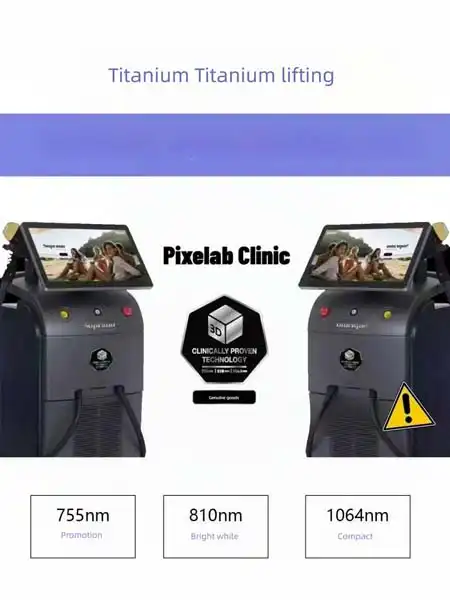
Professional diode laser machines may also use different wavelength configurations, such as 755nm, 808nm, and 1064nm, depending on the target market and machine design.
For a deeper look at diode technology, see our 808nm diode laser hair removal machine guide and ultimate diode laser hair removal guide.
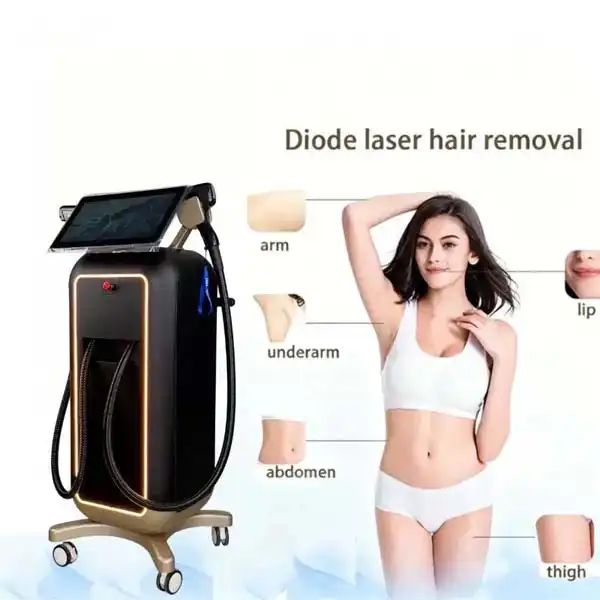 IPL vs Diode Laser: 7 Factors Buyers Should Compare
1. Treatment Results and Treatment Course
For professional buyers, it is better to think about long-term hair reduction rather than promising a specific number of sessions for every client.
Professional diode laser systems can provide highly effective hair reduction when the wavelength, fluence, pulse duration, spot size, and treatment protocol are properly matched to the client’s hair and skin characteristics.
Many professional treatment programs use a series of sessions, often around 6–8 treatments, but the actual treatment course varies depending on:
- Hair thickness and density
- Hair growth cycle
- Hair color
- Skin type
- Treatment area
- Hormonal factors
- Treatment parameters
- Treatment intervals
- Machine performance and operator technique
IPL can also provide effective hair reduction for suitable clients, but the treatment course and results can vary depending on the device’s optical configuration and client characteristics.
B2B takeaway
Do not choose a machine based only on claims such as “fewer sessions” or “permanent hair removal.”
Instead, compare:
Wavelength + fluence + pulse width + spot size + cooling + treatment speed + operator control.
2. Client Comfort and Cooling Performance
Both IPL and diode laser hair removal can produce a warm or snapping sensation during treatment.
For a professional salon or clinic, however, the cooling system is one of the most important machine specifications to evaluate.
Modern diode laser machines may use sapphire contact cooling, water cooling, air cooling, TEC cooling, or a combination of these technologies.
Effective cooling can help:
- Improve client comfort
- Protect the epidermis during treatment
- Support consistent treatment parameters
- Reduce heat accumulation during high-volume treatments
- Improve the overall client experience
When comparing two diode laser machines, do not simply ask whether the machine has “cooling.”
Ask:
- What type of cooling is used?
- What is the cooling temperature or range?
- Is cooling continuous?
- Does the handpiece provide contact cooling?
- Can the machine maintain cooling during high repetition rates?
- How is the cooling system maintained?
For a busy clinic, a well-designed cooling system can be just as important as laser power.
3. Skin Type and Hair Type Suitability
Skin and hair characteristics are critical when selecting a professional hair removal technology.
IPL uses a broad spectrum of light, and treatment suitability depends on the device’s filters, optical design, treatment parameters, and client skin type.
Diode laser systems can be designed for a broader range of skin types, but suitability still depends on the wavelength, machine configuration, treatment settings, skin tone, hair characteristics, and operator training.
No professional hair removal machine should be marketed as universally safe for every client without assessment.
For darker skin types, correct parameter selection and cooling become especially important. Some professional systems may use multiple wavelengths to provide greater flexibility for different hair and skin combinations.
B2B takeaway
If your salon or clinic serves a diverse client base, look beyond the name “808nm diode laser.”
Ask the manufacturer about:
- Available wavelengths
- Recommended Fitzpatrick skin types
- Fluence range
- Pulse duration
- Cooling technology
- Patch-testing recommendations
- Training and treatment protocols
4. Treatment Speed and Handpiece Design
Treatment speed directly affects the number of clients your business can serve each day.
Both IPL and diode laser machines can treat large areas such as:
- Legs
- Arms
- Back
- Chest
- Abdomen
However, actual treatment speed depends on more than the machine’s advertised wattage.
When comparing professional hair removal machines, evaluate:
- Spot size
- Repetition rate
- Pulse frequency
- Fluence
- Handpiece design
- Scanning mode
- Cooling performance
- Operator workflow
A larger spot size can help reduce treatment time on large body areas, while a high repetition rate can improve workflow when combined with appropriate energy delivery and cooling.
Important buying tip
Do not compare machines based only on claims such as “800W” or “1000W.”
Ask the manufacturer for the actual specifications, including:
fluence range, pulse width, repetition rate, spot size, cooling performance, and output configuration.
These specifications provide a more useful picture of real-world machine performance.
5. Machine Price and Business ROI
The purchase price is only one part of the investment.
A lower-cost IPL machine may be attractive to a new salon because it requires less initial capital. A professional diode laser may require a higher upfront investment but can be positioned as a dedicated hair removal service with stronger premium treatment potential.
Instead of asking: “Which machine is cheaper?”
A better B2B question is: “Which machine can generate the best return for my target market and treatment volume?”
Your ROI calculation should consider:
- Machine purchase price
- Shipping and import costs
- Installation
- Training
- Maintenance
- Consumables
- Warranty
- Treatment price
- Expected treatments per day
- Working days per month
- Expected machine lifespan
For example, if a clinic performs multiple hair removal treatments every day, a machine with better cooling, faster treatment speed, and low consumable costs may provide a stronger long-term return even if its purchase price is higher.
Simple ROI formula
You can estimate the basic payback period using:
Payback Period = Total Machine Investment ÷ Monthly Gross Treatment Revenue
For a more realistic calculation, subtract operating costs, marketing costs, staff costs, and other business expenses.
6. Maintenance and Total Cost of Ownership
Initial machine price can be misleading if maintenance and replacement costs are high.
IPL maintenance
Professional IPL systems use flash lamps and optical components that may eventually require replacement depending on the machine design and usage.
Before purchasing, ask the manufacturer:
- How many shots is the lamp rated for?
- What does a replacement lamp cost?
- How frequently does it typically need replacement?
- Are filters replaceable?
- What is included in the warranty?
Diode laser maintenance
Diode laser systems use solid-state semiconductor technology and generally do not require the same type of lamp replacement as IPL systems.
However, buyers should still evaluate:
- Diode module lifetime
- Cooling system maintenance
- Water circulation system
- Handpiece serviceability
- Replacement parts
- Warranty period
- Technical support
Manufacturers may advertise diode systems with 10 million or more shots, but buyers should confirm the rated lifetime for the specific model rather than comparing machines based only on a marketing number.
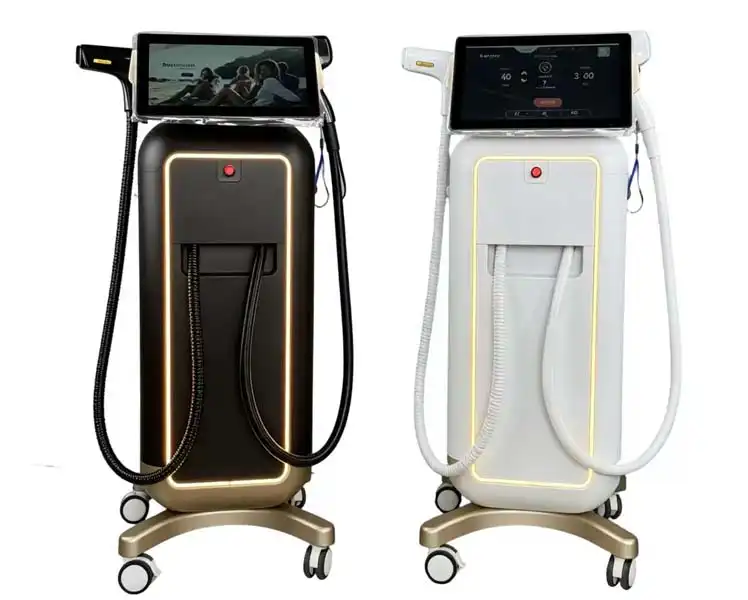 Total Cost of Ownership
For a professional buyer, compare:
Purchase price + shipping + maintenance + replacement parts + consumables + downtime
rather than machine price alone.
7. OEM, ODM, Certification and After-Sales Support
For distributors and wholesalers, the machine itself is only part of the purchasing decision.
If you plan to build your own brand, ask whether the manufacturer provides:
- Logo customization
- Housing customization
- User interface customization
- Software customization
- Packaging customization
- User manual customization
- Product photography and videos
- OEM/ODM production
- Spare parts
- Technical training
- Warranty support
You should also confirm which certifications and documents are available for your target market.
Depending on the destination country, requirements may include documentation relating to electrical safety, electromagnetic compatibility, product registration, labeling, or other local regulations.
B2B takeaway
A slightly more expensive machine from a reliable manufacturer can be a better investment than a cheaper machine with limited technical support, inconsistent quality, or difficult spare-parts supply.
What Should You Look for When Buying a Professional Hair Removal Machine?
If you are comparing IPL and diode laser machines, do not make your decision based on the machine’s appearance or advertised wattage alone.
Use this checklist.
1. Wavelength
For diode systems, ask whether the machine uses:
- 755nm
- 808nm
- 1064nm
- Multiple wavelengths
Each configuration has different characteristics, so select the system according to your target client base and market.
2. Fluence
Fluence refers to the energy delivered over a specific area.
Ask the manufacturer for the machine’s actual fluence range and how it relates to the recommended treatment protocols.
3. Pulse Duration
Pulse width affects how energy is delivered to the target.
A machine with adjustable pulse duration provides operators with greater flexibility when working with different hair and skin characteristics.
4. Spot Size
A larger spot size can improve treatment speed for large body areas.
For a clinic focusing on full-body hair removal, spot size should be an important purchasing consideration.
5. Repetition Rate
Higher repetition rates can support faster treatment, but they must be evaluated together with energy delivery and cooling performance.
6. Cooling System
Look for reliable cooling technology such as:
- Sapphire contact cooling
- Water cooling
- Air cooling
- TEC cooling
For high-volume clinics, cooling stability is especially important.
 7. Diode Module Lifetime
Ask for the manufacturer’s rated diode lifetime and warranty rather than relying only on generic “10M shots” claims.
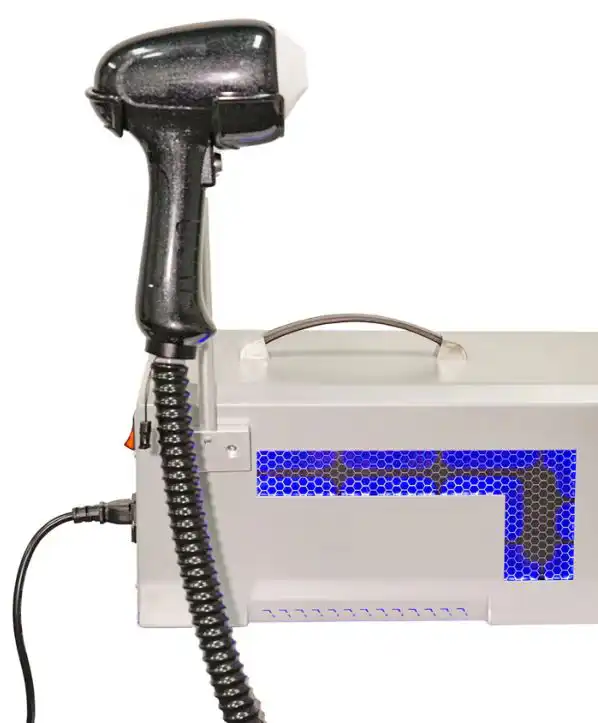
8. Handpiece Design
A professional handpiece should be comfortable for operators to use during long treatment sessions.
Ask about:
- Weight
- Cable design
- Spot size
- Cooling
- Trigger design
- Replaceability
- Serviceability
9. Warranty and Technical Support
Before placing a B2B order, clarify:
- Warranty period
- What components are covered
- Spare parts availability
- Remote technical support
- Training
- Repair process
- Expected response time
IPL vs Diode Laser: Which Is Better for Your Business?
Choose IPL if…
An IPL machine may be suitable if:
- You are opening a new salon or spa.
- Your initial equipment budget is limited.
- You want a multifunctional aesthetic platform.
- Hair removal is an additional service rather than your primary treatment.
- Your target market is suitable for IPL treatment.
- You want a lower entry cost.
For example, the Ice Cool IPL Hair Removal Device is suitable for businesses looking for an entry-level IPL platform.
For distributors or businesses looking for a portable configuration, the Professional Portable Ice-Cool IPL Hair Removal Machine can also be considered for B2B applications and OEM/ODM projects.
Choose Diode Laser If…
A professional diode laser may be a better choice if:
- Hair removal is a core service.
- You operate an established salon or aesthetic clinic.
- You expect high treatment volume.
- You want to position hair removal as a premium service.
- You need a professional system designed specifically for hair reduction.
- You serve clients with different skin and hair characteristics.
- Long-term operating efficiency is important to your business.
For compact professional setups, consider the 808 Hair Removal Laser Beauty Machine.
For clinics looking for a desktop configuration, the 808nm Desktop Laser Hair Removal Machine is another option.
Should a Salon Buy Both IPL and Diode Laser?
Some businesses choose to offer both technologies because they can serve different business purposes.
For example:
IPL
→ Entry-level hair removal
→ Multifunctional aesthetic services
→ Price-sensitive packages
Diode Laser
→ Dedicated hair removal
→ Premium treatment packages
→ High-volume professional use
However, buying two machines is not automatically better.
If your budget only allows one professional hair removal machine, evaluate your target market first.
Ask yourself:
- What skin types do my clients have?
- What type of hair removal service do I want to offer?
- How many treatments do I expect per day?
- What treatment price can my market support?
- Do I need multifunctional beauty functions?
- What is my expected machine lifetime?
- What level of after-sales support do I need?
IPL or Diode Laser for Distributors and Wholesalers?
For distributors, the purchasing decision is different from that of a salon owner.
You need to consider not only machine performance but also:
- Market demand
- Target retail price
- Product positioning
- MOQ
- Certification requirements
- Warranty
- Spare parts
- Packaging
- Brand customization
- OEM/ODM capability
- Manufacturer production capacity
IPL may be attractive for distributors who want:
- Lower entry-level pricing
- Multifunctional beauty equipment
- A wider product range
- Budget-oriented products
- New customer acquisition
Diode laser may be attractive for distributors who want:
- Premium positioning
- Dedicated hair removal equipment
- Higher-value professional products
- Clinic and medical-aesthetic customers
- Long-term brand development
If you plan to build a private-label beauty equipment brand, choosing a manufacturer with established OEM/ODM capabilities can simplify product customization, packaging, user interface, and after-sales support.
5-Step Checklist Before You Buy
Step 1: Analyze Your Client Base
Identify your primary skin types, hair characteristics, treatment areas, and customer demographics.
Your client profile should influence your technology and wavelength selection.
Step 2: Define Your Business Positioning
Are you offering:
- Entry-level hair removal?
- Premium laser hair removal?
- Multifunctional beauty treatments?
- High-volume full-body treatments?
Your positioning will determine which machine configuration makes the most sense.
Step 3: Compare Real Machine Specifications
Do not compare machines only by price or wattage.
Ask for:
- Wavelength
- Fluence
- Pulse duration
- Repetition rate
- Spot size
- Cooling system
- Diode module rating
- Handpiece specifications
Step 4: Calculate Total Cost of Ownership
Include:
Machine + shipping + maintenance + spare parts + consumables + downtime
This gives you a much more realistic picture of your investment.
Step 5: Check Manufacturer Support
Before ordering, confirm:
- Warranty
- Spare parts
- Training
- Technical support
- Certification documents
- OEM/ODM options
- Production capacity
- Lead time
 Common Myths About IPL and Diode Laser
Myth 1: “IPL Is a Laser.”
No. IPL stands for Intense Pulsed Light and uses a broad spectrum of light from a flash lamp. A diode laser generates laser light at a specific wavelength.
They are different technologies.
Myth 2: “More Sessions Always Mean Better Results.”
Not necessarily.
Treatment outcomes depend on energy delivery, hair growth cycle, client characteristics, treatment intervals, and treatment parameters.
The goal is not simply to perform more sessions, but to provide an appropriate treatment protocol.
Myth 3: “One Machine Works for Every Client.”
No professional hair removal system should be treated as universally suitable for every client.
Skin type, hair color, hair thickness, treatment area, wavelength, fluence, pulse duration, and cooling all matter.
Myth 4: “The Highest Wattage Machine Is Always the Best.”
Not necessarily.
A machine with a high advertised wattage may not provide better treatment performance if its optical output, fluence, pulse control, cooling system, or handpiece design is poorly matched.
Compare the complete technical configuration rather than one number.
Myth 5: “10 Million Shots Means Zero Maintenance.”
No.
A long-rated diode module can reduce the need for light-source replacement, but professional equipment still requires appropriate cooling-system maintenance, inspection, cleaning, and technical support.
FAQ
Is IPL or diode laser better for a salon?
It depends on the salon’s target market and business model. IPL may be attractive for new salons or multifunctional beauty businesses, while diode laser is often preferred when professional hair removal is a core service.
Is diode laser better than IPL for hair removal?
A professional diode laser can provide highly effective hair reduction for suitable clients and offers a concentrated wavelength specifically designed for hair removal. IPL can also be effective for suitable skin and hair combinations. The better option depends on your client profile, machine configuration, budget, and treatment strategy.
How many sessions are needed for diode laser hair removal?
Many professional treatment programs use a series of approximately 6–8 sessions, but the actual number varies according to skin type, hair characteristics, treatment area, treatment parameters, and individual hair-growth cycles.
Is 808nm diode laser suitable for all skin types?
808nm diode laser systems can be used across a broad range of skin types when the device is appropriately designed and treatment parameters are correctly selected. However, suitability is not determined by wavelength alone. Skin assessment, cooling, fluence, pulse duration, and operator training are also important.
What should I look for in a professional diode laser hair removal machine?
Key specifications include wavelength, fluence range, pulse duration, repetition rate, spot size, cooling system, handpiece design, diode module lifetime, warranty, and technical support.
How much does a professional diode laser hair removal machine cost?
Professional diode laser prices vary significantly depending on wavelength configuration, power, cooling system, handpiece design, certifications, warranty, manufacturer, and OEM requirements. For accurate B2B pricing, compare the complete machine configuration rather than the advertised base price.
What is the difference between IPL and diode laser maintenance?
IPL systems may require replacement of flash lamps or other optical components depending on the model. Diode laser systems use solid-state semiconductor technology and generally have lower light-source consumable requirements, although cooling and other components still require maintenance.
Can I get OEM/ODM for an IPL or diode laser hair removal machine?
Many professional manufacturers offer OEM/ODM services, including logo, housing, user interface, packaging, manuals, and other customization options. Buyers should confirm the manufacturer’s production capabilities, quality control, certifications, and after-sales support before placing a private-label order.
Should a distributor choose IPL or diode laser?
The answer depends on your target market and product positioning. IPL can work well for entry-level and multifunctional product lines, while diode laser can be a stronger option for premium professional hair removal products and clinic-focused distribution.
IPL vs Diode Laser: Final Verdict
There is no single machine that is best for every salon, clinic, spa, or distributor.
IPL is often a practical choice for businesses looking for a lower-entry-cost, multifunctional platform.
Professional diode laser is often a stronger choice when dedicated hair removal, treatment efficiency, cooling performance, and long-term operating costs are the priorities.
For distributors, the decision should also include OEM/ODM capability, certifications, warranty, spare parts, technical support, and manufacturer reliability.
The most important point is to compare the complete machine configuration rather than choosing based only on price, wattage, or marketing claims.
Looking for a Professional IPL or Diode Laser Hair Removal Machine?
Loveing Beauty is a professional beauty equipment manufacturer supplying IPL hair removal machines and 808nm diode laser systems for salons, aesthetic clinics, wholesalers, and distributors.
We support B2B customers with:
- Professional machine configurations
- OEM/ODM customization
- Logo and packaging customization
- Technical support
- Spare parts
- Product documentation
- Factory-direct pricing
- Global B2B supply
Tell us your target market, client profile, preferred technology, treatment volume, and budget. Our team can recommend a suitable machine configuration and provide specifications, pricing, OEM/ODM options, and factory support.
Contact our sales team to request a B2B quote, machine specifications, demo video, or OEM/ODM consultation.
Sourcing for your salon or distribution business?
Tell us the machine types and target quantity — we reply with factory-direct pricing, lead time and available export documents.