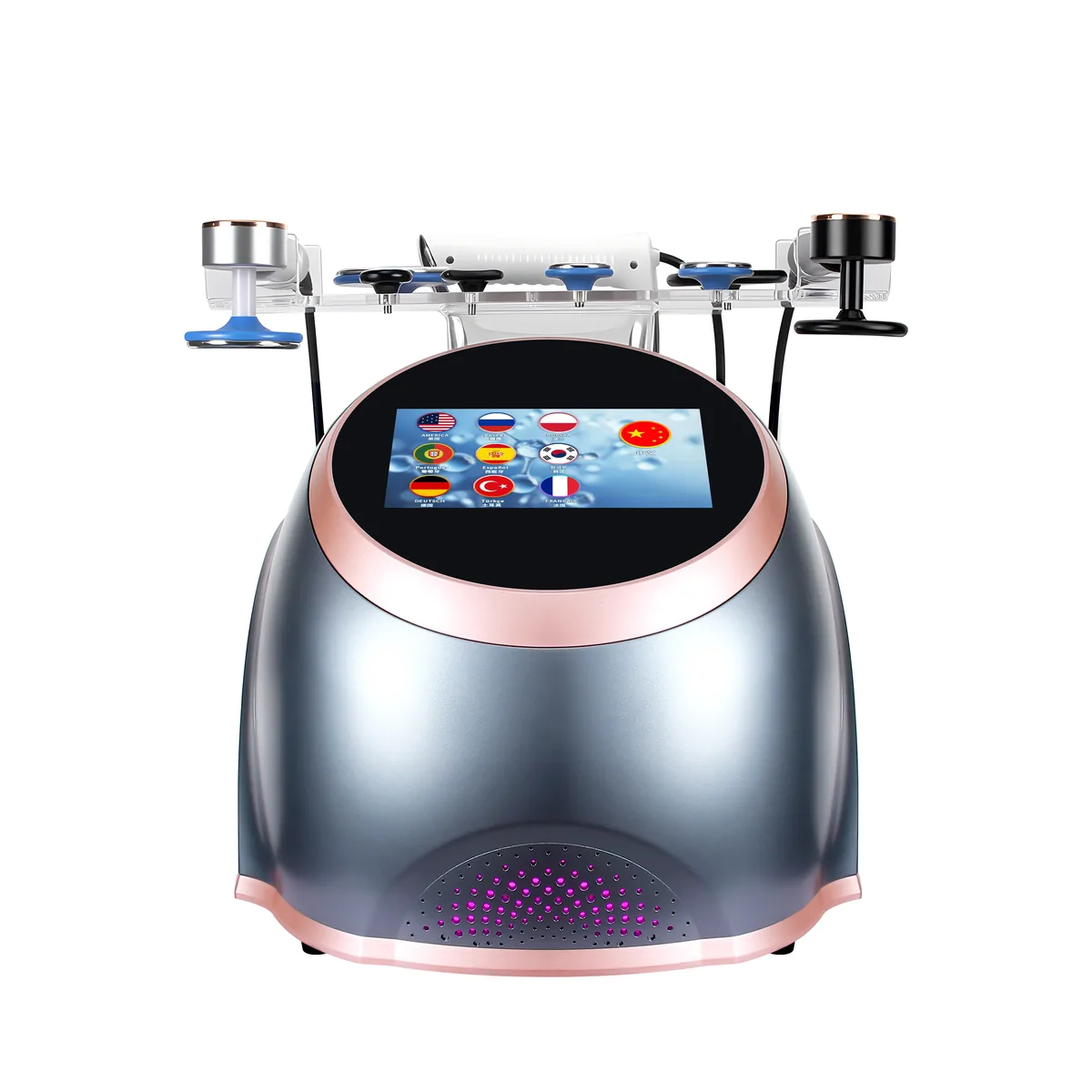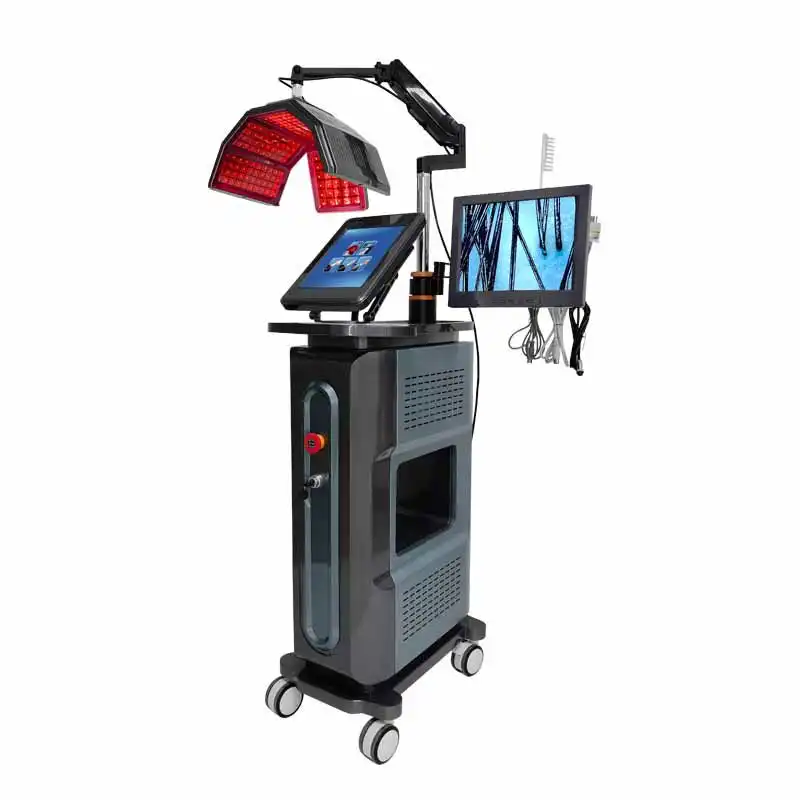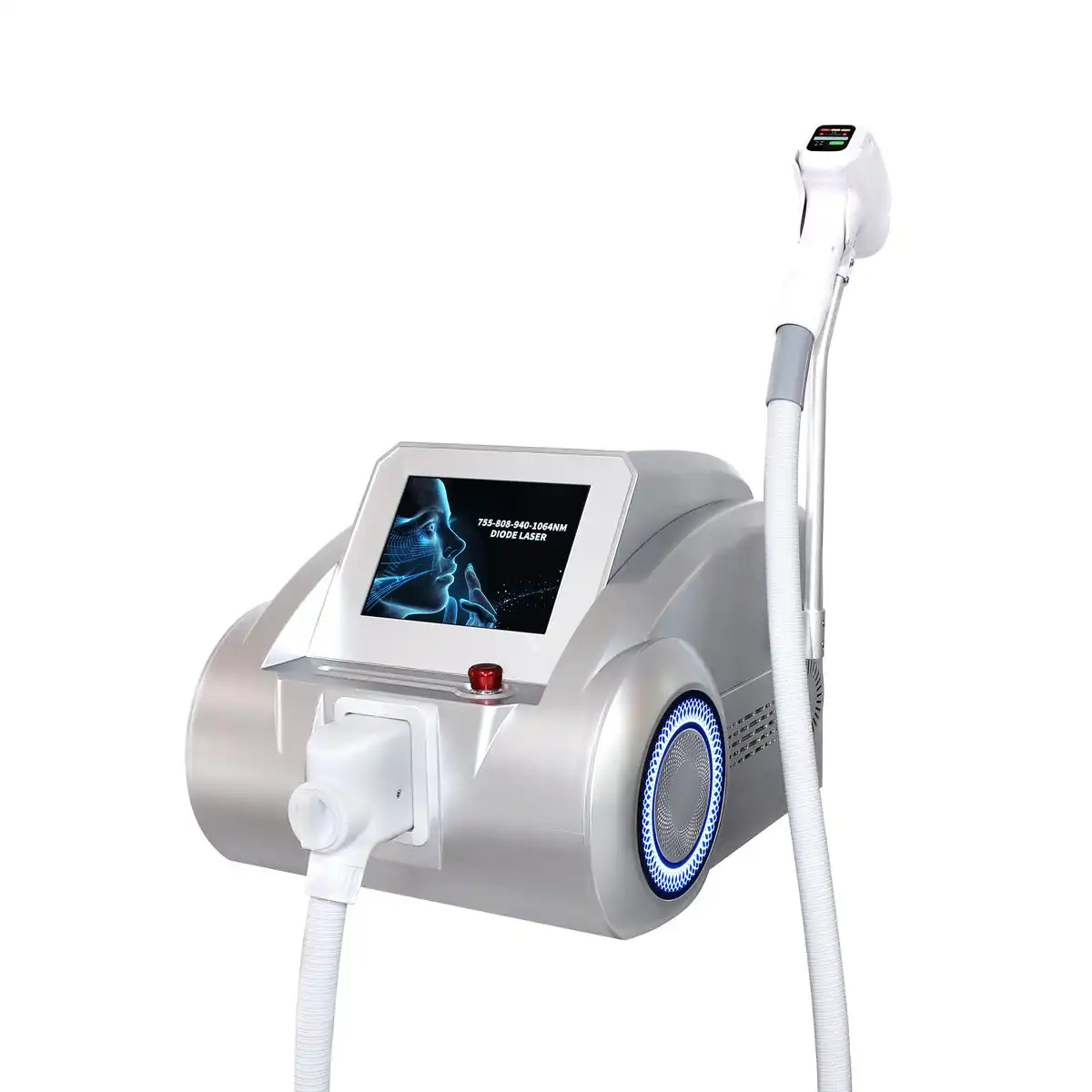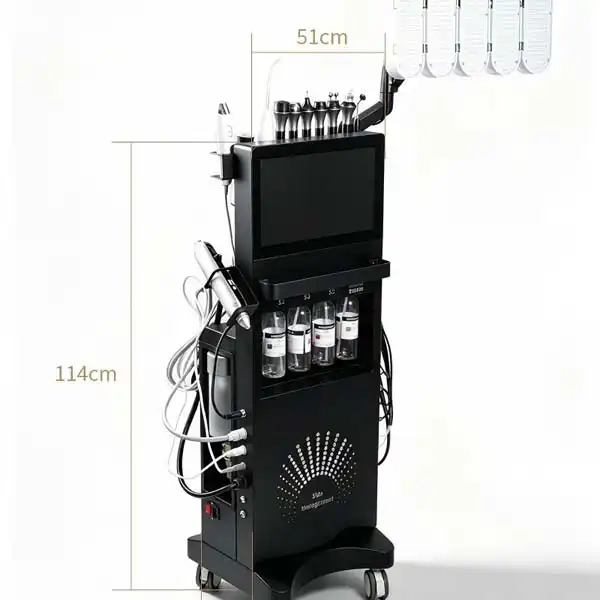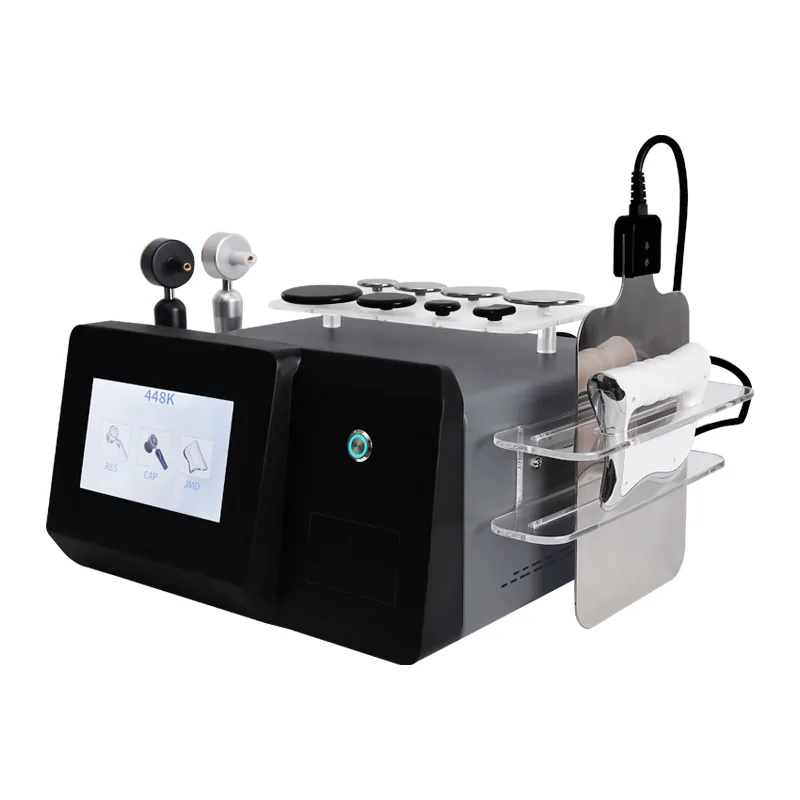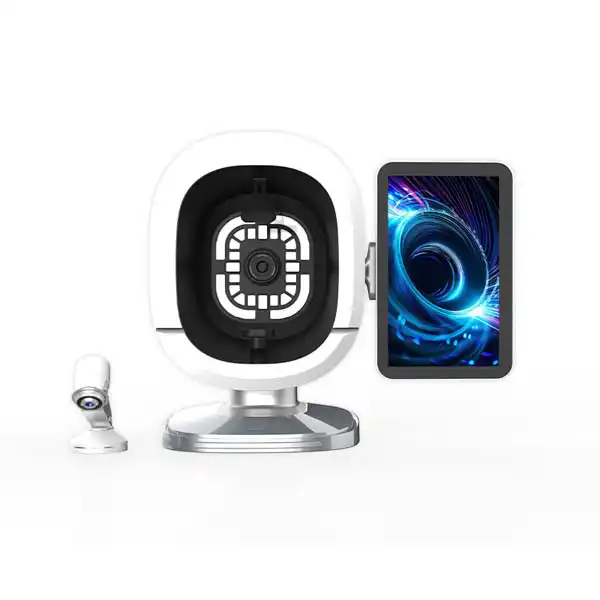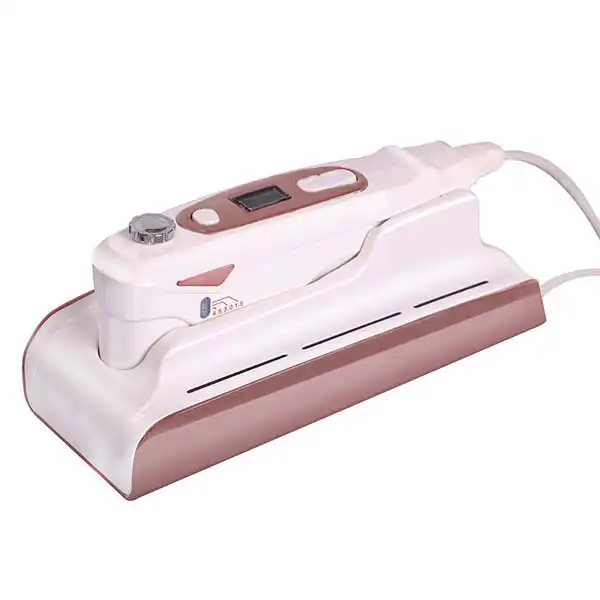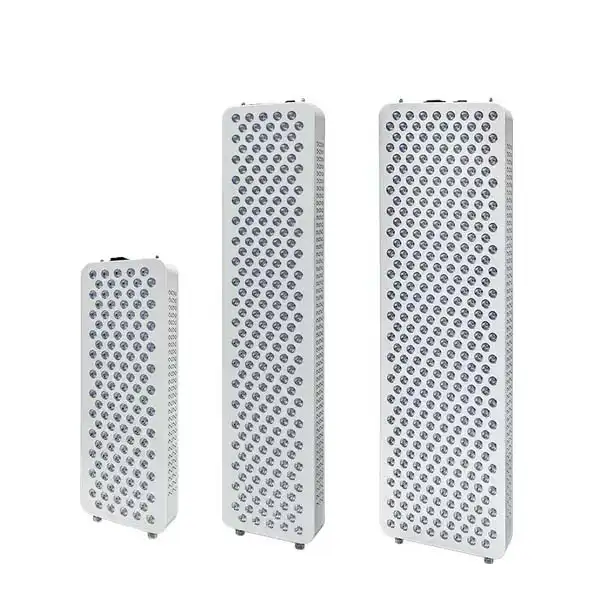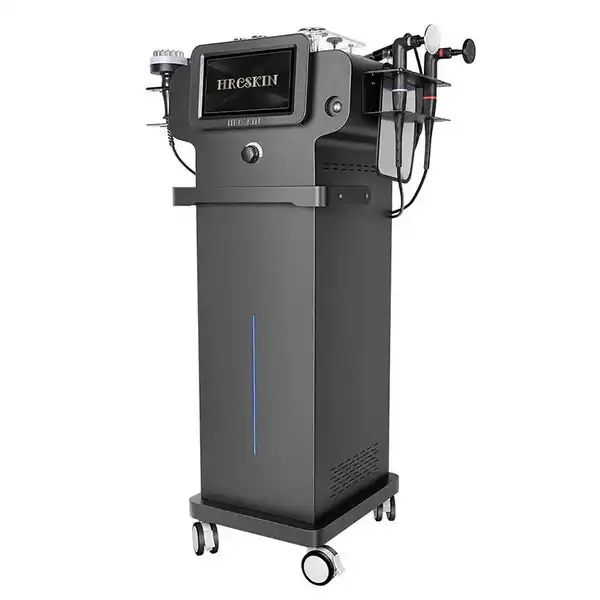
For aesthetic equipment distributors, medical spa chains, and salon wholesalers, client acquisition and retention are constant profit drivers. Integrating professional AI skin analysis systems into your product catalog or salon offerings is no longer just a high-tech gimmick—it is a proven revenue accelerator. By combining advanced digital imaging, precision multispectral scanning, and intelligent recommendation algorithms, B2B buyers are empowering clinics to boost skincare product attach rates by up to 45% and secure high-margin repeat treatments. Here is a complete guide for distributors and salon owners on how AI skin analyzers maximize commercial ROI.
Why B2B Distributors & Salon Chains Are Investing in AI Skin Analyzers
Aesthetic device importers and salon franchise owners are constantly seeking equipment that offers rapid payback periods. Modern AI skin diagnostic devices utilize advanced optical technology—integrating negative pressure, micro-current, and multi-spectrum imaging—to provide quantitative skin scores. For B2B clients, this translates into:
-
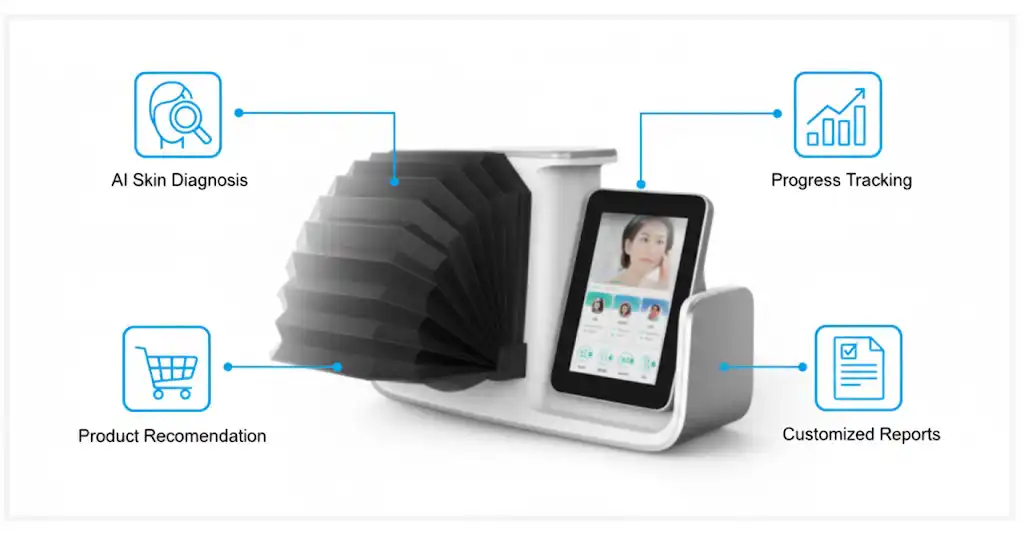
Instant Client Trust: Visualizing sub-surface dermal damage (pigmentation, hydration, pore congestion, UV damage) convinces clients to commit to high-ticket treatment packages immediately.
-
Automated Cross-Selling: The built-in recommendation engine links diagnostic results directly to professional skincare products and med-spa treatments, increasing average order value (AOV).
-
High Profit Margins for Resellers: Sourcing high-end AI skin analyzers directly from reliable manufacturers allows distributors to capture exceptional profit margins.
Key Features B2B Buyers Look for in OEM/Wholesale AI Skin Analyzers
If you are positioning your brand for wholesale and distribution, ensure your product pages and articles highlight these technical and commercial advantages:
-
Multi-Spectrum Imaging: Standard RGB, Polarized, and UV light modes for comprehensive dermal analysis.
-
Custom OEM/ODM Branding: Software startup logos, custom device casings, and multi-language support tailored for local international markets.
-
Robust Client CRM & Cloud Storage: Secure customer profile tracking for long-term treatment progress monitoring and automated follow-ups.
Calculating the ROI: How AI Diagnostics Drive Salon Revenue
When pitching salon owners or marketing wholesale equipment, concrete numbers drive conversions:
-
Increased Consultation Conversion: Salons using advanced AI skin scanners report a 35% to 50% increase in closing high-value facial packages.
-
Skincare Retail Attach Rate: Objective skin reports eliminate subjective guesswork, driving a dramatic increase in home-care product sales.
-
Fast Equipment Amortization: Most salon owners recover their equipment investment within 30 to 45 days through bundled diagnostic-led treatments.
The Technological Foundation of AI Skin Analysis Systems
The power of modern AI skin analysis systems lies in their multi-layered technological approach, combining advanced optics, specialized lighting, and complex machine learning algorithms.
Multi-Spectral Imaging: Seeing Beyond the Surface
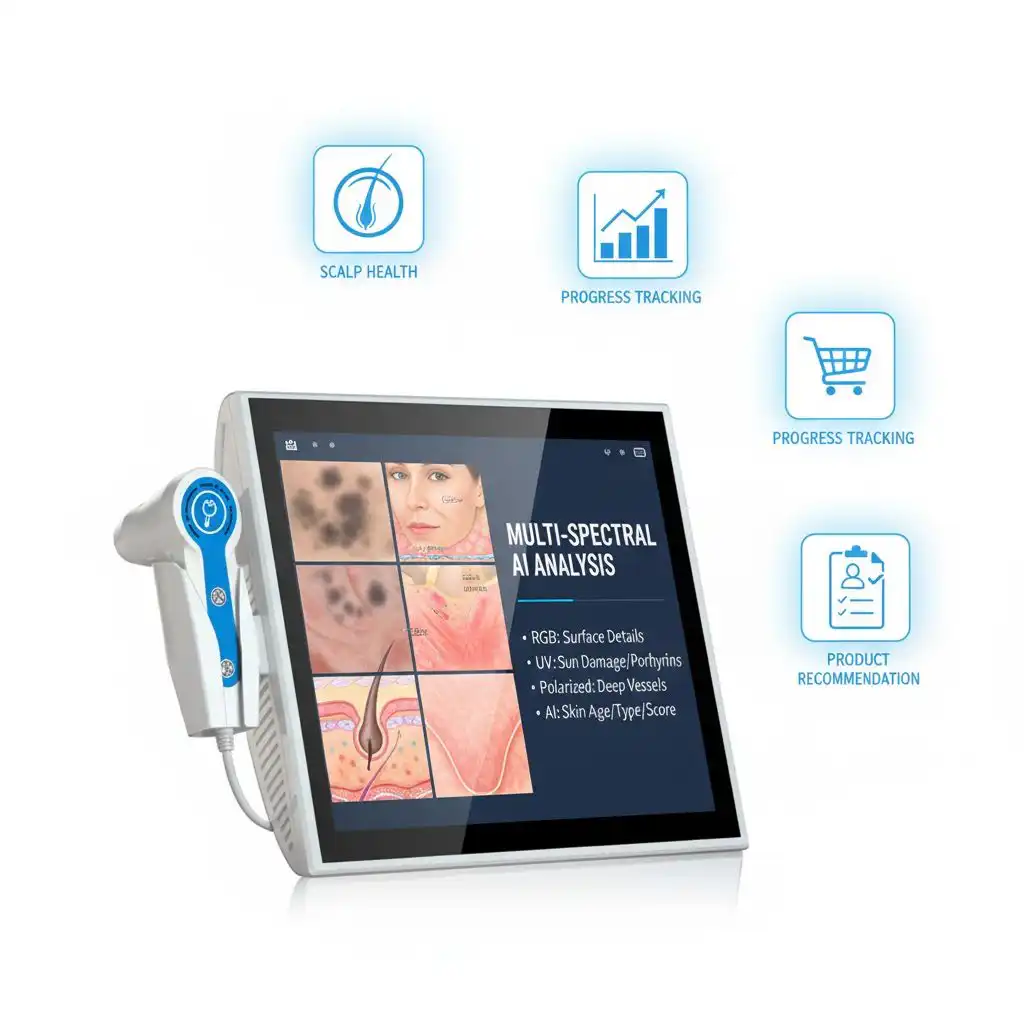
The core hardware component of most professional AI skin analysis systems is a multi-spectral imaging module. Unlike a standard camera that captures only visible light (RGB), these devices employ various light sources to reveal different aspects of skin health:
- RGB (Red, Green, Blue) Light: Captures surface features such as pores, wrinkles, texture, and acne scars, providing a high-definition visual reference.
- UV (Ultraviolet) Light: The UV spectrum is critical for detecting sub-epidermal conditions, primarily revealing hidden sun damage (UV spots) and the presence of Porphyrins—fluorescent metabolic byproducts of acne bacteria. This ability makes AI skin analysis systems indispensable for early detection of future issues.
- Polarized Light: This is used to suppress surface reflection (glare), offering clear visualization of deeper dermal structures, including vascular issues (red areas/capillaries) and deep-seated pigmentation (brown spots).
By synthesizing images captured under these different spectra, AI skin analysis systems create a comprehensive, multi-dimensional map of the client’s skin health that is impossible to achieve with the human eye or a standard magnifying lamp.
The Role of Deep Learning and Neural Networks in AI Skin Analysis Systems
The captured images are useless without intelligent interpretation, and this is where the AI component truly excels. AI skin analysis systems rely on Convolutional Neural Networks (CNNs) trained on massive, clinically validated datasets (often containing millions of images across diverse demographics).
This training allows the AI skin analysis systems to:
- Feature Segmentation: Accurately identify and isolate specific skin features (e.g., distinguishing a pore from a spot, or a fine line from a deep wrinkle).
- Quantitative Scoring: Measure the severity and prevalence of each feature, comparing the client’s results to a vast database of peers of the same age and skin type to produce a Percentile Score. This scoring system provides an objective, easy-to-understand metric for the client.
- Automated Diagnosis: Provide instantaneous, data-driven assessments of conditions like inflammation, hydration levels, skin elasticity, and Fitzpatrick skin type. The diagnostic speed of AI skin analysis systems significantly improves consultation efficiency.
Applications of AI Skin Analysis Systems Across the Industry
The versatility and precision of AI skin analysis systems have made them essential tools across nearly every segment of the beauty, wellness, and medical skincare market.
In Aesthetic Clinics and Medspas
For aesthetic practitioners, AI skin analysis systems are the cornerstone of the consultation process. They provide the objective evidence necessary to recommend high-value treatments.
- Evidence-Based Treatment Planning: The systems remove subjective bias. When a client sees their high UV damage score, they are far more likely to commit to laser treatments or professional-grade antioxidant serums recommended by the clinician.
- Pre- and Post-Treatment Documentation: Consistent, standardized image capture is essential for medico-legal documentation and for proving treatment efficacy. AI skin analysis systems precisely track the reduction in spot count, wrinkle depth, or redness over a course of therapy.
- Client Engagement and Upselling: The visual reports generated by AI skin analysis systems are powerful communication tools. They transform an abstract recommendation (“You need to hydrate more”) into a visual reality (“Your hydration score is in the 30th percentile; this product is proven to raise that score”). This direct link boosts client trust and increases the conversion rate for retail products and treatment packages.
In Skincare Retail and E-commerce
The retail sector leverages AI skin analysis systems to bridge the gap between in-store experience and online personalization.
- Personalized Product Recommendations: The most common retail application involves linking the diagnostic data from the AI skin analysis systems directly to a brand’s product inventory. If the system detects high oiliness and closed comedones, it instantly filters the brand’s catalogue to recommend salicylic acid cleansers and oil-free moisturizers, resulting in a perfectly customized shopping experience.
- Virtual Try-On (VTO) Integration: Sophisticated AI skin analysis systems can integrate with Augmented Reality (AR) VTO features, allowing customers to visualize the texture, finish, and potential benefits of a recommended product directly on a simulation of their analyzed skin.
- Scalable E-commerce Solutions: Cloud-based AI skin analysis systems APIs enable any online shopper to use their smartphone camera for a quick scan, bringing the power of the clinical consultation directly to the home environment, which drives global sales and reduces product returns.
In Dermatology and Research
In medical settings, AI skin analysis systems contribute to diagnostics, patient monitoring, and academic research.
- Standardized Clinical Assessment: Dermatologists use the consistent metrics provided by AI skin analysis systems for highly accurate lesion tracking, monitoring the size and color change of moles and other growths over time, which is crucial for early detection of serious conditions.
- Drug and Treatment Efficacy Studies: The quantitative scoring provided by AI skin analysis systems offers an objective measure of therapeutic response, making it an invaluable tool for clinical trials testing new pharmaceuticals or cosmetic ingredients.
- Teledermatology: Portable and virtual AI skin analysis systems facilitate remote consultations, allowing specialists to analyze high-quality images and patient data from afar, expanding access to expert care.
Driving Retail Sales and Average Transaction Value (ATV)
The visual nature of the diagnosis provided by AI skin analysis systems is the most effective sales tool available. When clients visually connect their skin problem (e.g., deep brown spots) to a clear solution (a recommended hydroquinone serum), the sales barrier drops significantly. Businesses frequently report a 20-40% increase in the attachment rate of retail products to services when using an AI skin analysis system. This rise in ATV rapidly covers the initial hardware investment.
Improving Client Retention and Loyalty
Client satisfaction is directly tied to visible results. AI skin analysis systems provide the evidence needed to reinforce a client’s commitment.
- Visual Proof of Progress: By showing a side-by-side comparison of the first scan and the latest scan, the system makes subtle improvements—which clients may otherwise overlook—undeniably clear. This motivates clients to rebook their next treatment and follow their home care regimen.
- Enhanced Trust: The scientific, third-party objectivity of the AI skin analysis systems elevates the practitioner’s status to that of an expert advisor, cementing client loyalty over time.
Operational Efficiency and Staff Empowerment
The speed of modern AI skin analysis systems significantly reduces consultation time while maintaining high quality. Automated reporting features free up staff time previously spent on manual data entry and subjective charting, allowing them to focus more on client care and revenue-generating activities. Furthermore, the standardized protocol ensures consistency across all staff members, guaranteeing that every client receives the same high level of professional diagnostic service, regardless of who performs the consultation.
Integration with Genomics and Lifestyle Data
Future AI skin analysis systems are expected to move beyond image analysis to incorporate even richer data. This includes integrating results from at-home DNA skin-risk tests, analyzing pollution and UV exposure data based on geolocation, and factoring in lifestyle inputs (diet, sleep, stress). This holistic approach will allow AI skin analysis systems to provide preventative recommendations with unprecedented accuracy.
Request Wholesale Catalog & Distributor Pricing
Conclusion: The Indispensable Role of AI Skin Analysis Systems
The era of subjective “mirror and touch” skin assessment is rapidly fading. Today’s market demands precision, transparency, and personalization, and AI skin analysis systems are the only tools capable of meeting these high expectations. From driving retail success in e-commerce to enabling early detection in dermatology, the core technology—the AI skin analysis system—is establishing itself as the indispensable foundation for any business serious about skin health. As AI continues to evolve, these systems will only grow more powerful, securing their permanent and essential place in the future of aesthetics and medicine.
Sourcing for your salon or distribution business?
Tell us the machine types and target quantity — we reply with factory-direct pricing, lead time and available export documents.