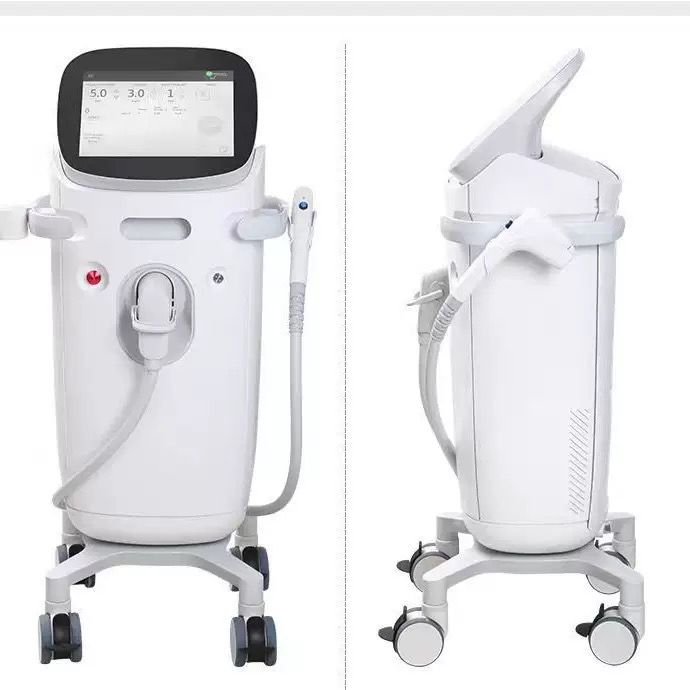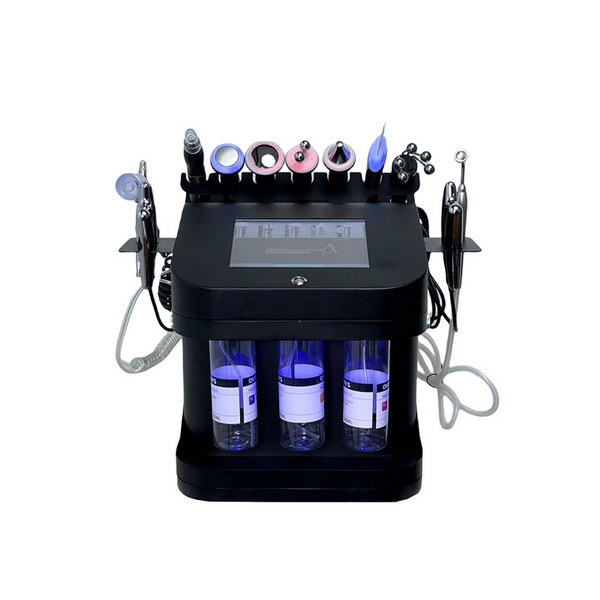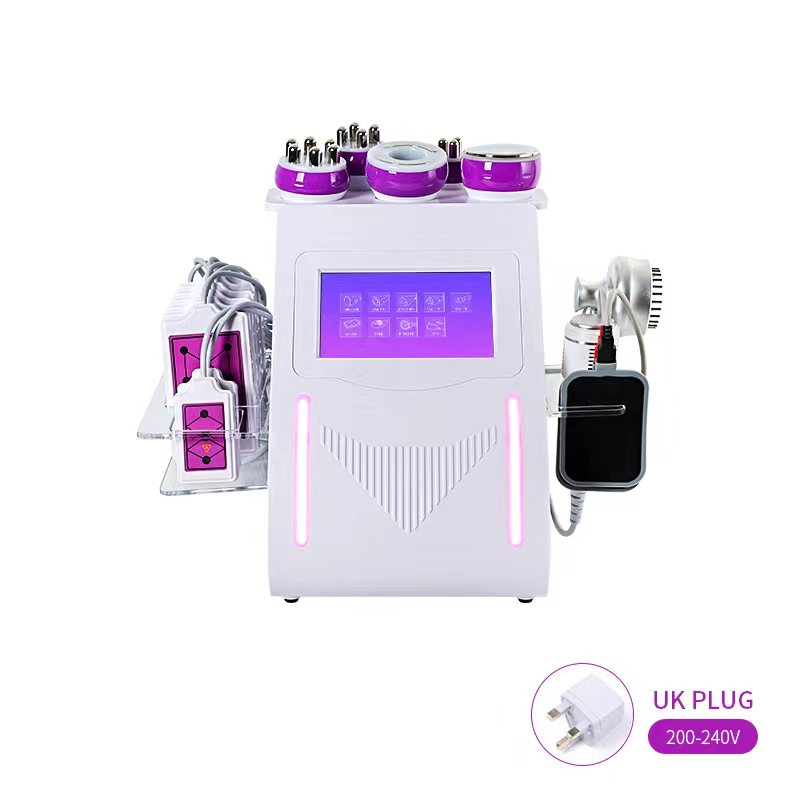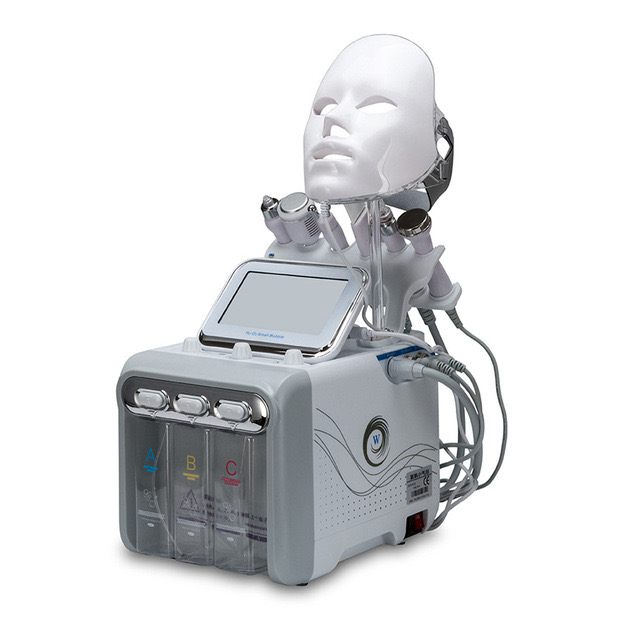
Professional Microdermabrasion Machine: A Comprehensive Guide

Table of Contents

If you are looking for an RF microneedling machine for a beauty salon, aesthetic clinic, med spa, distributor business, or private-label brand, choosing the right device requires more than comparing product appearance and price.

Professional RF microneedling systems combine controlled microneedling with radiofrequency energy to deliver RF energy into targeted skin layers. The actual performance of a machine depends on its needle depth, RF output, treatment mode, cartridge design, energy control, handpiece configuration, and overall manufacturing quality.

For B2B buyers, it is also important to compare the RF microneedling machine price, wholesale MOQ, certifications, OEM options, spare parts, and supplier experience before placing an order.

This guide explains the key technologies, specifications, applications, pricing factors, and purchasing considerations for professional RF microneedling equipment.

What Is an RF Microneedling Machine?

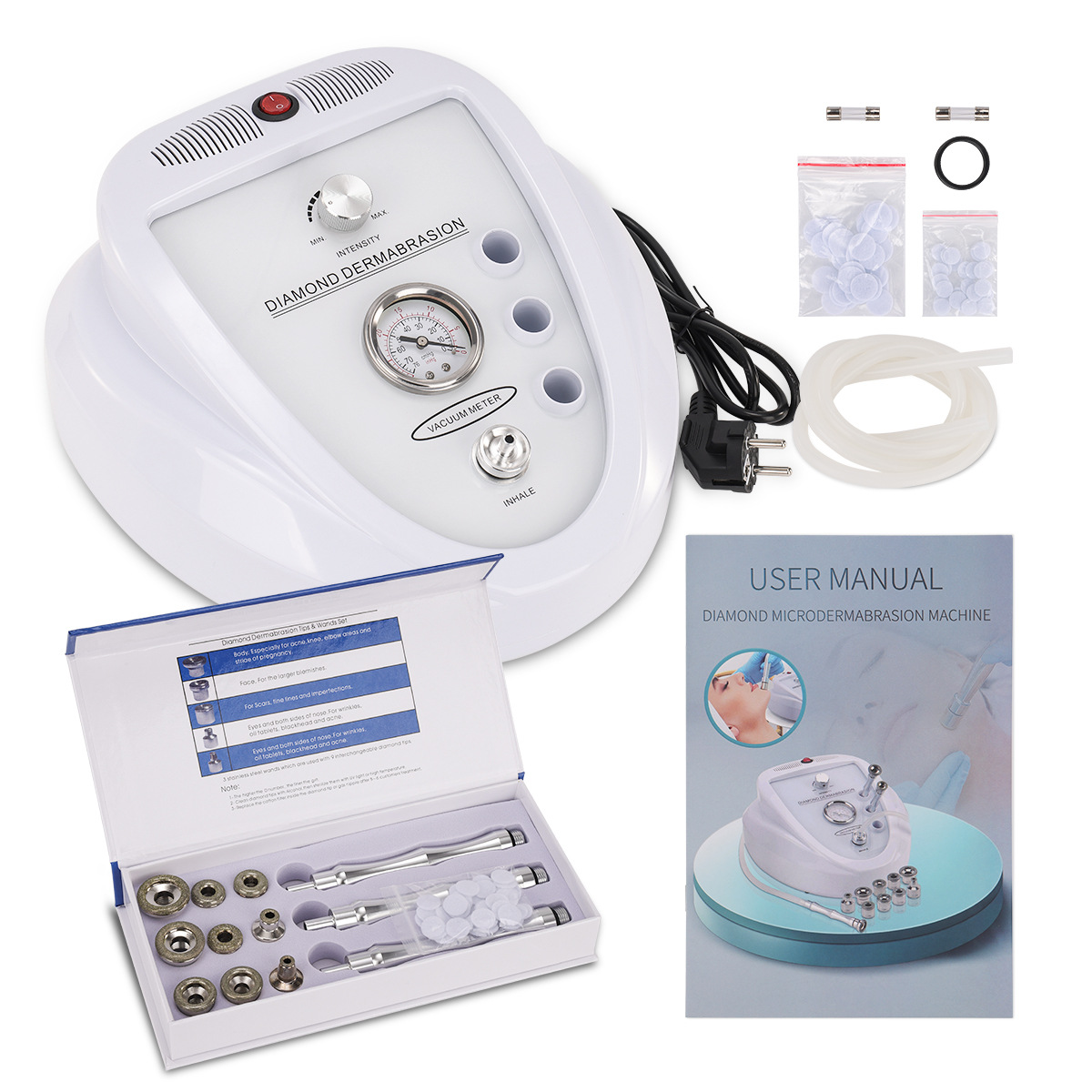
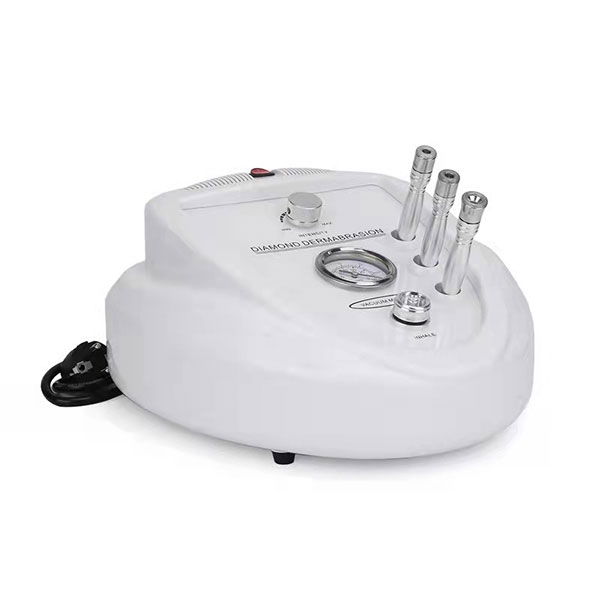
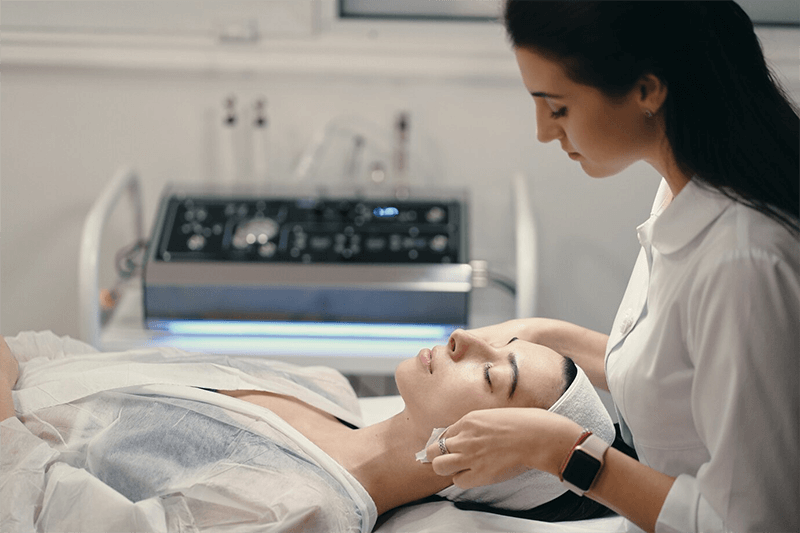
A microdermabrasion machine is a popular skincare tool that has revolutionized the way we approach facial treatments. This advanced device is designed to exfoliate the skin by removing dead cells from the outermost layer, revealing smoother, brighter, and more youthful-looking skin. Unlike traditional exfoliating methods, a microdermabrasion machine uses fine crystals or a diamond tip to gently abrade the skin’s surface, while suction is used to remove debris. This process not only enhances skin texture but also promotes the production of collagen and elastin, key proteins for maintaining youthful skin.

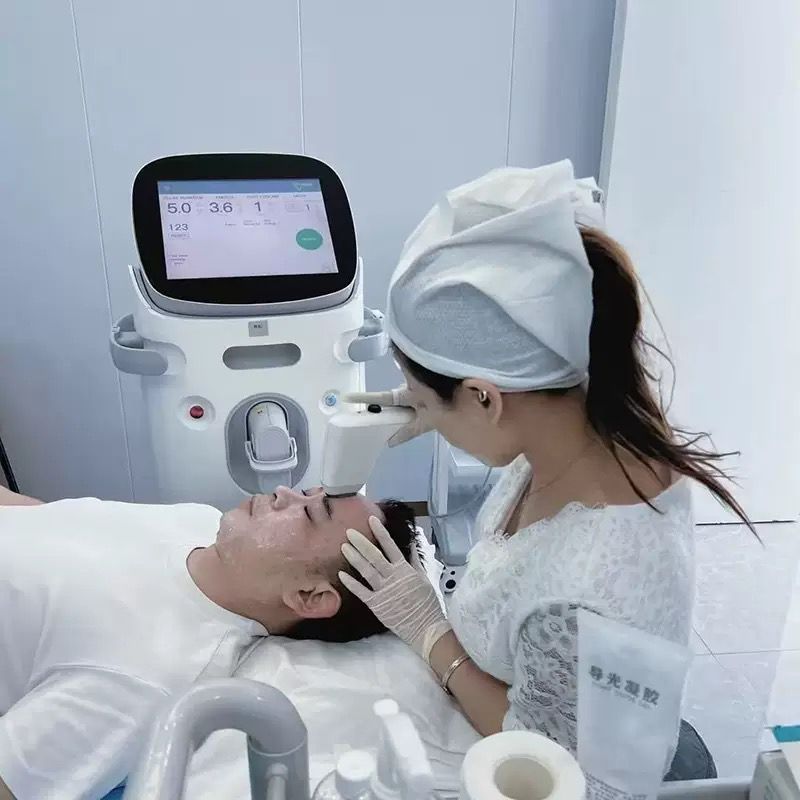
Fractional RF Microneedling System

How Does RF Microneedling Technology Work?

Step 1: Adjustable Microneedle Penetration

The handpiece uses a cartridge containing multiple fine needles.

Depending on the machine, the needle depth can be adjusted to match different treatment areas and protocols.

Professional systems may offer a wider depth range than portable microneedling pens.

Step 2: RF Energy Delivery

Radiofrequency energy is delivered during the microneedling process.

The RF energy generates controlled heat in the targeted tissue area according to the device’s operating parameters.

The combination of mechanical microneedling and RF energy is the key difference between a conventional microneedling pen and an RF microneedling system.

Step 3: Controlled Energy and Depth Adjustment

Professional equipment should allow operators to adjust relevant parameters according to the machine’s intended treatment protocols.

Important specifications may include:

  • Needle depth
  • RF energy level
  • Treatment mode
  • Pulse duration
  • Needle penetration speed
  • Cartridge type
  • Treatment area

This flexibility is particularly important for clinics that want to offer different treatment protocols.

RF Microneedling Machine vs. Traditional Microneedling

A traditional microneedling pen primarily relies on mechanical needle movement.

An RF microneedling machine combines mechanical microneedling with RF energy.

Feature Traditional Microneedling RF Microneedling
Microneedle penetration Yes Yes
RF energy No Yes
Adjustable needle depth Common Common
Thermal energy delivery No Yes
Skin tightening applications Limited Common
Equipment cost Lower Higher
Treatment customization Moderate Higher

For a salon with a limited budget, a standard microneedling pen may be sufficient.

For clinics and professional aesthetic centers that want a more advanced platform, RF microneedling can provide additional treatment capabilities.

Thermal microneedling treatmentProfessional RF Microneedling Machine: What Makes a Good System?

Professional buyers should evaluate the machine’s complete configuration instead of focusing on a single specification.

A professional system should ideally provide:

  • Stable RF energy delivery
  • Accurate needle-depth adjustment
  • Reliable handpiece performance
  • Suitable cartridge options
  • Clear parameter controls
  • Appropriate safety features
  • Consistent manufacturing quality
  • Technical documentation
  • Spare parts availability
  • Supplier technical support

For example, buyers looking for a fractional RF platform can review the Professional Fractional RF Microneedling Machine and use its configuration as a reference when comparing different professional RF microneedling systems.

Key RF Microneedling Machine Specifications

Before buying an RF microneedling machine, compare the technical specifications rather than relying on marketing descriptions.

Needle Depth

Needle depth is one of the most important parameters.

Professional machines can provide adjustable penetration depths for different treatment areas.

For example, the Professional Fractional RF Microneedling Machine offers an adjustable needle depth range of 0.5mm to 2.5mm.

When comparing suppliers, ask:

  • What is the minimum needle depth?
  • What is the maximum depth?
  • Is the depth mechanically or electronically controlled?
  • Can the depth be adjusted during treatment?
  • What cartridge types are available?

Do not compare machines based only on the maximum depth. Depth-control accuracy and consistency are also important.

RF Energy Control

A professional RF microneedling device should provide appropriate energy control for its intended applications.

Ask the manufacturer:

  • What RF frequency does the machine use?
  • What is the adjustable energy range?
  • Is the energy level adjustable?
  • What treatment modes are available?
  • Is RF delivered continuously or in controlled pulses?

These specifications allow buyers to make a more meaningful comparison between different machines.

Needle Cartridge Configuration

Different cartridge configurations can provide different treatment options.

Ask suppliers about:

  • Number of needles
  • Needle material
  • Cartridge sizes
  • Disposable cartridge design
  • Sterility documentation
  • Cartridge compatibility
  • Anti-backflow design

For professional clinics, cartridge quality is particularly important because it affects hygiene, consistency, and operating cost.

Handpiece Design

The handpiece should be comfortable for the operator and designed for repeated professional use.

Check:

  • Weight
  • Cable design
  • Trigger or foot-pedal operation
  • Cartridge replacement
  • Needle insertion consistency
  • Housing material
  • Cleaning requirements

A well-designed handpiece can make a significant difference during high-volume clinic operation.

Radio frequency microneedling tool

RF Microneedling Machine Price: What Determines the Cost?

The RF microneedling machine price can vary significantly between manufacturers and configurations.

The main cost factors include:

1. RF Technology

Different RF systems and energy-control architectures can affect the equipment cost.

2. Needle Depth Range

Machines with more precise and flexible depth control may cost more than basic systems.

3. Cartridge Configuration

The number and type of cartridges included can influence the final quotation.

4. Energy Control System

More advanced control systems can provide greater flexibility but may increase the manufacturing cost.

5. Cooling Technology

Some RF microneedling systems include cooling or additional thermal-management features.

6. Display and Software

Touchscreen interfaces, preset treatment modes, and parameter controls can also influence pricing.

7. Certifications

The documentation and compliance requirements for different destination markets can affect the overall cost.

8. OEM Customization

Logo, color, packaging, manuals, software interfaces, and other customization requirements may increase the final price and MOQ.

For wholesale buyers, always ask suppliers to provide the complete configuration together with the price.

A low quotation may simply represent a machine with fewer accessories, lower configuration, or less customization.

RF Microneedling Machine Applications

Professional RF microneedling systems are commonly positioned for aesthetic applications involving the appearance of:

Fine Lines and Wrinkles

RF microneedling is commonly used in professional aesthetic treatment protocols targeting visible signs of skin aging.

Acne Scars

The combination of microneedling and RF energy is often used in professional aesthetic protocols addressing the appearance of acne scars and uneven skin texture.

Enlarged Pores

Professional treatment protocols may use RF microneedling to improve the appearance of enlarged pores and uneven skin texture.

Skin Laxity

RF energy is commonly incorporated into aesthetic skin-tightening protocols.

Uneven Skin Texture

Microneedling combined with RF can be included in professional skincare programs targeting overall skin texture.

Actual treatment parameters, indications, contraindications, and treatment protocols should always be determined by qualified professionals according to local regulations.

Fractional RF Microneedling vs. Other RF Technologies

When comparing aesthetic equipment, buyers should understand that not every RF machine uses the same technology.

Fractional RF Microneedling

Fractional RF microneedling delivers RF energy in combination with controlled microneedle penetration.

It is generally positioned for professional skin rejuvenation and skin-tightening applications.

For distributors comparing professional product lines, a fractional RF microneedling system can be evaluated based on its needle-depth range, RF parameters, cartridge options, and overall configuration.

Conventional RF

Conventional RF systems deliver radiofrequency energy without microneedle penetration.

They are often designed for non-invasive aesthetic applications.

RF + Other Technologies

Some multifunction machines combine RF with technologies such as vacuum, EMS, LED, or other facial treatment functions.

For B2B buyers, multifunction systems may provide a broader treatment menu, but the buyer should verify the actual specifications of every technology rather than assuming all functions have the same performance level.

How to Choose an RF Microneedling Machine for Your Business

Before purchasing, consider your business model.

For Beauty Salons

A salon may prioritize:

  • Simple operation
  • Competitive price
  • Easy cartridge replacement
  • Compact design
  • Basic treatment modes
  • Reliable technical support

For Aesthetic Clinics

Clinics may require:

  • More precise parameter control
  • Multiple cartridge options
  • Stable RF output
  • Professional handpiece design
  • Detailed documentation
  • Strong supplier support

For Distributors and Wholesalers

Distributors should additionally evaluate:

  • Wholesale price
  • MOQ
  • Product consistency
  • Certifications
  • Packaging
  • Spare parts
  • Lead time
  • OEM/ODM capability
  • Manufacturer experience

The cheapest machine is not always the most profitable product for a distributor.

A reliable product with stable quality, attractive packaging, documentation, and repeat-order potential may provide better long-term value.

RF Microneedling Machine Wholesale: What Should Buyers Ask?

If you are purchasing RF microneedling machines wholesale, request a complete quotation rather than only asking for the unit price.

Your RFQ should include:

  1. Machine model
  2. RF frequency
  3. Energy range
  4. Needle depth range
  5. Cartridge types
  6. Number of cartridges included
  7. Handpiece configuration
  8. Certifications
  9. Sample price
  10. Wholesale price
  11. MOQ
  12. OEM MOQ
  13. Packaging options
  14. Production lead time
  15. Spare parts availability

For buyers who are comparing different RF microneedling products before requesting a quotation, reviewing the Professional Fractional RF Microneedling Machine can help establish a reference point for technical specifications and configuration.

RF Microneedling OEM & ODM Options

For beauty brands and distributors, OEM/ODM customization can include:

  • Logo printing
  • Product color
  • Packaging
  • User manual
  • Labels
  • Accessories
  • Screen interface
  • Product configuration

For an initial project, it is usually more practical to select an existing mature machine and customize the branding and packaging rather than immediately developing a completely new platform.

This can reduce development time and make the initial investment easier to control.

For B2B buyers interested in private-label beauty equipment, an existing professional RF microneedling platform can also be evaluated before moving into deeper customization.

RF Microneedling Machine Buying Checklist

Before placing your purchase order, confirm the following:

Technical Specifications

  • RF frequency
  • RF energy range
  • Needle depth
  • Needle cartridge types
  • Number of needles
  • Handpiece configuration
  • Treatment modes
  • Display and control system

Safety and Compliance

  • Applicable CE documentation
  • Electrical safety documentation
  • EMC documentation
  • Relevant test reports
  • User manual
  • Cartridge documentation

Commercial Terms

  • Sample price
  • Wholesale price
  • MOQ
  • OEM MOQ
  • Packaging MOQ
  • Production lead time
  • Shipping dimensions
  • Spare parts
  • Technical support

Questions to Ask an RF Microneedling Manufacturer

Instead of simply asking a supplier, “How much does your RF microneedling machine cost?”, send a complete RFQ.

Ask:

  1. What RF frequency does the machine use?
  2. What is the RF energy range?
  3. What is the needle depth range?
  4. What cartridge options are available?
  5. How many cartridges are included?
  6. What handpieces are included?
  7. What certifications are available for this exact model?
  8. Can you provide relevant test reports?
  9. What is the MOQ?
  10. What is the sample price?
  11. What is the lead time for 10, 20, or 50 units?
  12. What OEM options are available?
  13. What spare parts are available?
  14. What technical support is provided?

A detailed RFQ allows you to compare suppliers on actual specifications rather than marketing claims.

Frequently Asked Questions About RF Microneedling Machines

Is an RF microneedling machine better than a normal microneedling pen?

They are designed for different applications. RF microneedling combines microneedling with RF energy, while a conventional microneedling pen primarily uses mechanical needle movement.

How much does an RF microneedling machine cost?

The price depends on RF technology, needle depth, energy control, cartridges, handpieces, certifications, configuration, and OEM requirements. Buyers should compare complete specifications rather than unit price alone.

What needle depth should an RF microneedling machine have?

The appropriate depth depends on the machine’s design, intended application, treatment area, and professional protocol. Buyers should prioritize accurate and consistent depth adjustment rather than simply choosing the machine with the greatest maximum depth.

Is RF microneedling suitable for professional clinics?

Professional RF microneedling systems are designed for use in aesthetic settings, but operators should follow applicable local regulations, manufacturer instructions, training requirements, and professional treatment protocols.

What should I ask an RF microneedling manufacturer?

Ask about RF frequency, energy range, needle depth, cartridges, certifications, MOQ, sample availability, OEM options, lead time, spare parts, and technical support.

Conclusion

Choosing the right RF microneedling machine requires a combination of technical and commercial evaluation.

For clinics, important considerations include RF energy control, needle-depth accuracy, cartridge quality, handpiece design, safety features, and documentation.

For distributors and wholesalers, the decision should also include RF microneedling machine price, MOQ, OEM/ODM options, production lead time, certifications, spare parts, and supplier reliability.

Instead of choosing a machine simply because it has a low price or a large number of features, compare the complete configuration and determine whether it matches your target market.

A well-selected RF microneedling system can become a valuable addition to a professional aesthetic equipment portfolio, particularly when supported by consistent manufacturing quality and reliable B2B supply.

If you are sourcing RF microneedling equipment for a clinic, salon, distributor business, or private-label brand, request the full technical specification and wholesale quotation before making your final purchasing decision.

Eliza

With 16years experience product manager on beauty machine field, not only sell products, but also provide solve marketing problems with customers .Get in touch with us for free product plan and give your one-stop solution for your market.

Get In Touch
Welcome To Share This Page:
Product Categories
Popular Products
Latest News
Get A Free Quote Now !
Contact Form Demo (#3)

Related Products

Related News

Scroll to Top

Get A Free Quote Now !

Contact Form Demo (#3)
If you have any questions, please do not hesitate to contatct us.