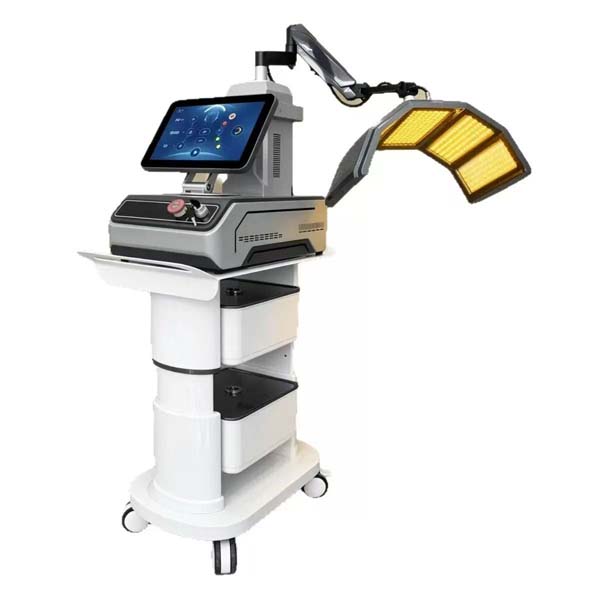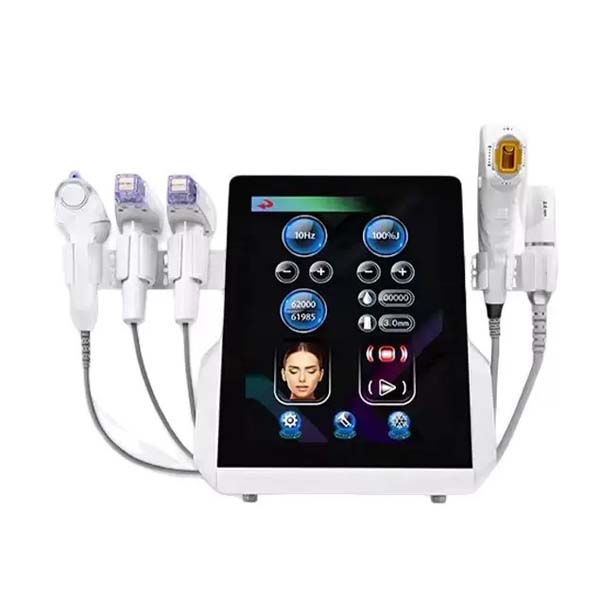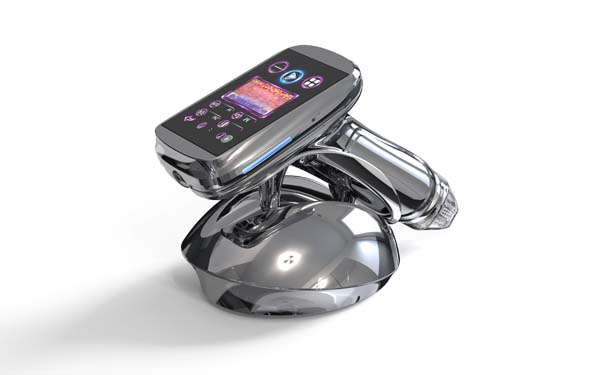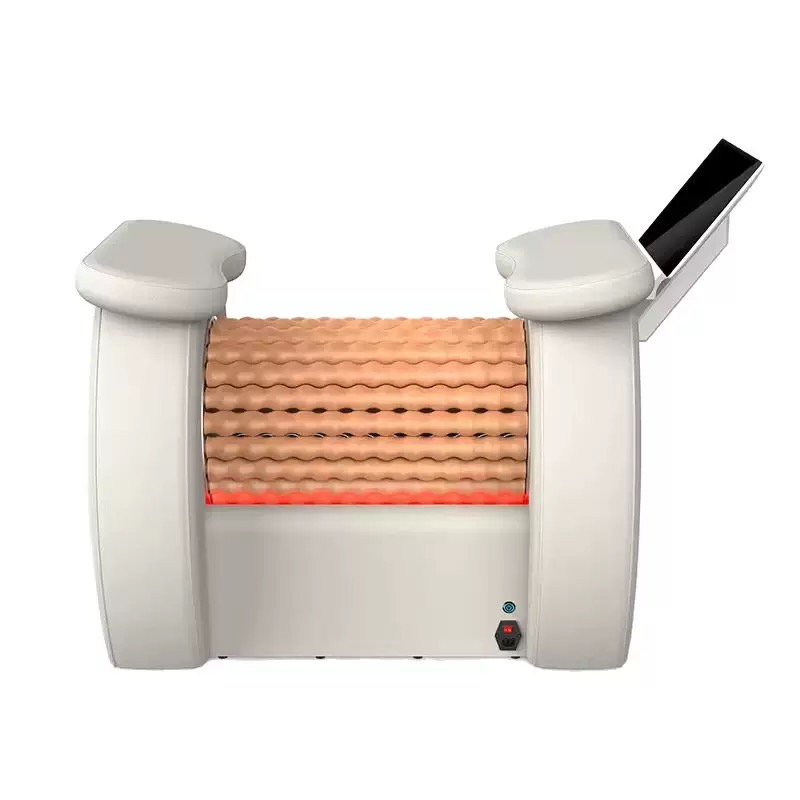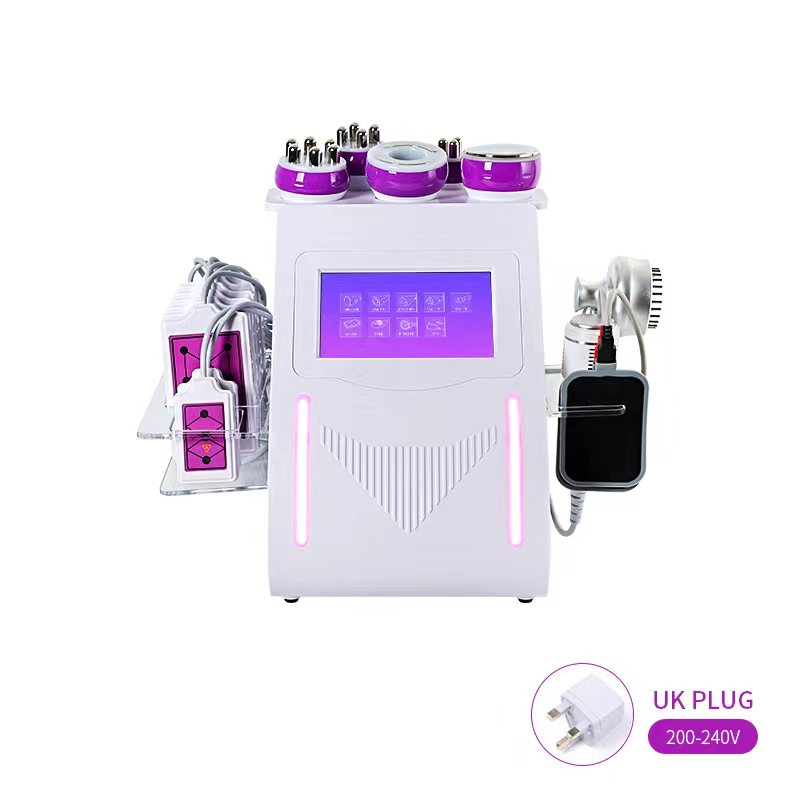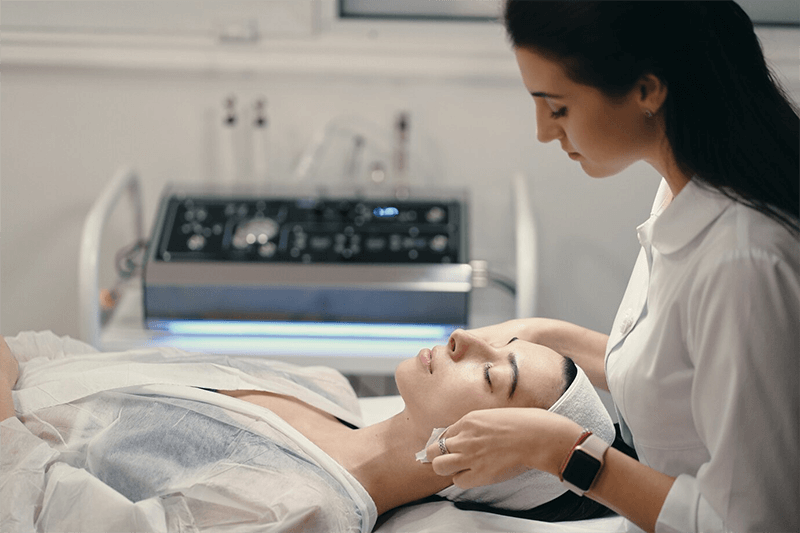
Ultrasonic cavitation machines are widely used in professional beauty salons, spas and aesthetic businesses for non-invasive body contouring treatments. These systems use low-frequency ultrasound energy and are designed to target localized areas as part of a professional body contouring protocol.
For salon owners, distributors and beauty equipment buyers, understanding how ultrasonic cavitation works, what features matter and how to choose the right machine is essential before purchasing equipment.
This guide explains the technology, applications, benefits, safety considerations, machine types and key factors to consider when sourcing a professional ultrasonic cavitation machine.
What Is an Ultrasonic Cavitation Machine?
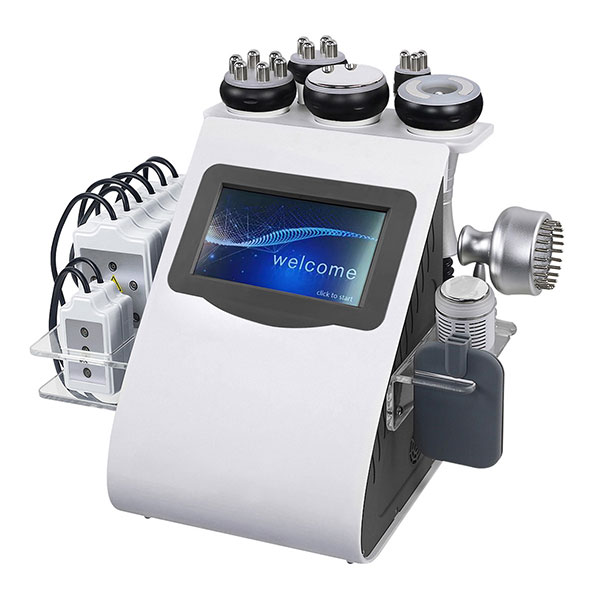
An ultrasonic cavitation machine is a professional body contouring device that uses low-frequency ultrasound energy. The handpiece delivers ultrasonic energy to the treatment area, where acoustic cavitation occurs within the targeted tissue.
Unlike surgical fat-removal procedures, ultrasonic cavitation is a non-invasive aesthetic treatment. It does not involve incisions or anesthesia.
Professional cavitation machines are commonly used for localized body contouring treatments on areas such as the abdomen, thighs, hips and arms.
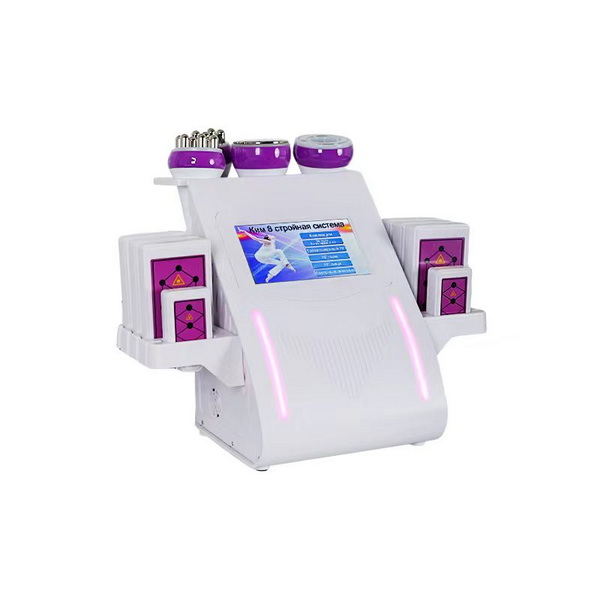
For beauty salons and aesthetic clinics, cavitation machines can also be combined with other technologies, such as radio frequency (RF), vacuum therapy or lipo laser, depending on the machine configuration and treatment protocol.
How Does an Ultrasonic Cavitation Machine Work?
The basic working principle involves low-frequency ultrasound energy.
Step 1: Ultrasound Energy
The cavitation handpiece generates low-frequency ultrasonic waves and delivers energy to the treatment area.
Step 2: Acoustic Cavitation
The ultrasound energy creates pressure changes within the targeted tissue. Under appropriate conditions, microscopic bubbles can form and collapse during the cavitation process.
Step 3: Treatment of Localized Areas
The treatment is applied systematically to selected body areas according to the machine’s operating parameters and the manufacturer’s recommended protocol.
Step 4: Post-Treatment Process
The body naturally processes the substances released during treatment through normal metabolic and physiological pathways.
The exact treatment response can vary depending on the device, operating parameters, treatment area and individual client factors.
What Are Ultrasonic Cavitation Machines Used For?
Professional ultrasonic cavitation machines are primarily used for aesthetic body contouring applications.
Common treatment areas include:
- Abdomen
- Waist
- Thighs
- Hips
- Arms
- Back
The goal is generally to improve the appearance and contour of localized areas rather than provide general weight loss.
This distinction is important for beauty professionals when communicating treatment expectations to clients.
Key Benefits of Professional Cavitation Machines
Non-Invasive Body Contouring
Ultrasonic cavitation treatments do not require surgical incisions and are commonly offered as non-invasive aesthetic services.
Targeted Treatment Areas
The operator can focus treatment on specific areas according to the client’s aesthetic goals and the machine’s recommended treatment protocol.
No Surgical Recovery
Because the treatment is non-surgical, clients generally do not require the type of recovery associated with invasive procedures.
Suitable for Professional Beauty Businesses
Cavitation machines can be used as part of body contouring services in beauty salons, spas and aesthetic businesses.
Flexible Machine Configurations
Many professional systems combine ultrasonic cavitation with additional technologies such as RF, vacuum or lipo laser.
For distributors and salon equipment suppliers, multifunctional systems can provide more treatment options within one platform.
Ultrasonic Cavitation Machine vs. RF vs. Vacuum
These technologies are often combined in professional body contouring equipment, but they have different operating principles.
| Technology | Main Function | Common Application |
|---|---|---|
| Ultrasonic Cavitation | Low-frequency ultrasound energy | Body contouring |
| RF | Radio-frequency energy | Skin warming and appearance of skin firmness |
| Vacuum | Controlled suction | Massage and body contouring protocols |
| Lipo Laser | Low-level laser technology | Body contouring applications |
A multifunctional machine can combine two or more technologies to create different treatment protocols.
When choosing equipment, buyers should evaluate the actual specifications and intended applications instead of selecting a machine simply because it has more functions.
What Should You Look for When Buying a Cavitation Machine?
For distributors, wholesalers and professional beauty businesses, the machine’s specifications and supplier support are often more important than the number of functions.
1. Cavitation Frequency
Check the ultrasonic frequency specified by the manufacturer and make sure it matches the intended application and treatment protocol.
2. Output and Operating Parameters
Review the available power levels, intensity settings and operating modes. Adjustable parameters allow operators to follow different treatment protocols.
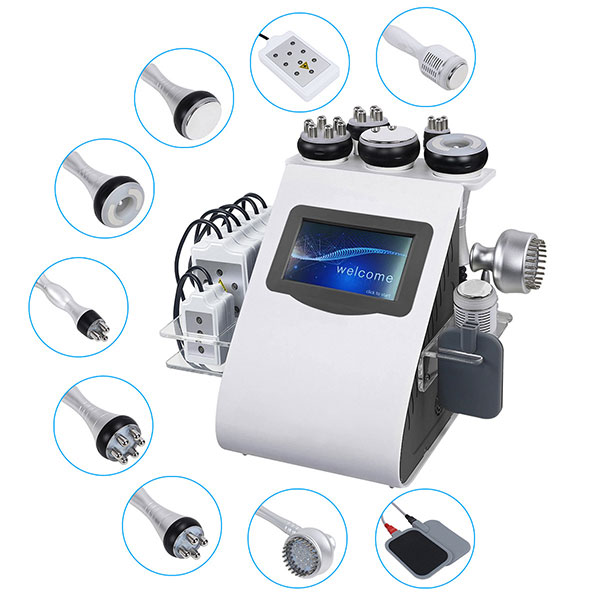
3. Handpiece Design
Consider the size, ergonomics and configuration of the cavitation handpiece.
If the machine includes multiple handpieces, check what each one is designed to do.
4. Additional Functions
Depending on your market, you may consider:
- RF
- Vacuum
- Lipo laser
- EMS
- LED
- Other body contouring technologies
However, more functions do not automatically mean better performance.
5. User Interface
A clear touchscreen interface and intuitive controls can make operator training easier, especially for distributors supplying equipment to multiple salons.
6. Certifications and Compliance
Before importing professional beauty equipment, check the regulatory and certification requirements of your target market.
Requirements may vary by country and by the intended use of the equipment.
7. After-Sales Support
For B2B buyers, after-sales support is a critical part of supplier selection.
Ask whether the manufacturer provides:
- Operation manuals
- Training videos
- Technical support
- Spare parts
- Troubleshooting assistance
- Warranty support
- OEM/ODM services
A reliable supplier should support your business after the machine is delivered.
Professional Cavitation Machine vs. Home-Use Device
Professional and home-use cavitation devices should not be treated as the same type of equipment.
Professional machines are generally designed for beauty salons, spas and aesthetic businesses, with more comprehensive controls, treatment protocols and professional operator requirements.
Home-use devices are usually designed around simpler operation and different performance specifications.
For commercial buyers, always evaluate the machine according to its intended professional application, technical specifications and local regulatory requirements.
How Often Can You Use an Ultrasonic Cavitation Machine?
Treatment frequency should follow the manufacturer’s instructions and the professional treatment protocol used by the provider.
There is no single schedule that is appropriate for every machine or every client.
Treatment frequency can depend on:
- Machine specifications
- Treatment parameters
- Treatment area
- Client condition
- Provider protocol
- Local regulations
Professional operators should avoid creating treatment schedules based only on generic online recommendations.
Safety and Contraindications
Professional beauty equipment should always be operated according to the manufacturer’s instructions and applicable local requirements.
Cavitation treatment may not be appropriate for everyone. People with certain medical conditions or specific health circumstances may require medical advice before receiving treatment.
Potential precautions and contraindications can vary depending on the device and treatment protocol.
Before treatment, qualified operators should review the manufacturer’s safety instructions, screen clients appropriately and follow the recommended operating parameters.
If a client has a medical condition, is pregnant, has an implanted electronic device or has other health concerns, professional medical advice may be appropriate before treatment.
How to Maintain a Cavitation Machine
Proper maintenance can help keep professional beauty equipment operating consistently.
Recommended practices include:
- Clean the handpiece after use according to the manufacturer’s instructions.
- Keep connectors and cables dry and properly stored.
- Inspect the handpiece and cables regularly.
- Do not operate the machine outside its specified parameters.
- Follow the manufacturer’s maintenance schedule.
- Replace damaged components with compatible spare parts.
For distributors, providing maintenance guidance to your customers can also reduce unnecessary after-sales issues.
Why Choose a Professional Cavitation Machine for Your Beauty Business?
For salons and aesthetic businesses, a professional cavitation machine can expand the range of non-invasive body contouring services offered to clients.
For distributors and wholesalers, the right machine can also become part of a broader professional beauty equipment portfolio.
When evaluating a supplier, consider the complete solution:
Machine + Specifications + Quality Control + Training + Spare Parts + After-Sales Support
This is often more important for long-term business development than simply comparing the lowest purchase price.
Cavitation Machine Wholesale and OEM/ODM Solutions
For distributors, wholesalers and private-label beauty brands, working directly with a manufacturer can provide additional options for customization and supply.
Depending on the supplier, OEM/ODM services may include:
- Custom logo
- Custom machine housing
- Customized colors
- Private-label packaging
- Software interface customization
- Multiple language options
- Customized handpiece configurations
Before placing a wholesale order, buyers should confirm MOQ, production lead time, certifications, warranty terms, spare parts availability and shipping requirements.
Frequently Asked Questions About Ultrasonic Cavitation Machines
What is an ultrasonic cavitation machine?
An ultrasonic cavitation machine is a non-invasive professional beauty device that uses low-frequency ultrasound energy for body contouring applications.
What is a cavitation machine used for?
It is commonly used for localized body contouring treatments on areas such as the abdomen, thighs, hips and arms.
Is ultrasonic cavitation the same as RF?
No. Ultrasonic cavitation uses ultrasound energy, while RF uses radio-frequency energy. Some professional beauty machines combine both technologies.
What frequency is used in cavitation machines?
The frequency depends on the specific machine. Professional systems may use different ultrasonic frequencies, so buyers should check the manufacturer’s technical specifications rather than assuming all cavitation machines use the same frequency.
How many sessions are needed?
The number of sessions depends on the machine, treatment protocol and individual client factors. Follow the manufacturer’s recommended protocol and professional treatment guidelines.
Can cavitation machines be customized?
Yes. Many professional beauty equipment manufacturers offer OEM/ODM services such as custom logos, colors, packaging and software interfaces. Availability depends on the manufacturer and model.
How do I choose a cavitation machine supplier?
Look beyond price. Compare technical specifications, quality control, certifications, MOQ, customization options, warranty, spare parts, training and after-sales support.
Final Thoughts
An ultrasonic cavitation machine can be a valuable addition to a professional body contouring equipment portfolio, but choosing the right system requires more than comparing prices or the number of functions.
For salons, spas, distributors and wholesalers, the key factors are reliable machine performance, appropriate specifications, operator support, spare parts and dependable after-sales service.
If you are looking for a professional ultrasonic cavitation machine for wholesale, distribution or OEM/ODM projects, work with a manufacturer that can support your business from product selection to after-sales service.