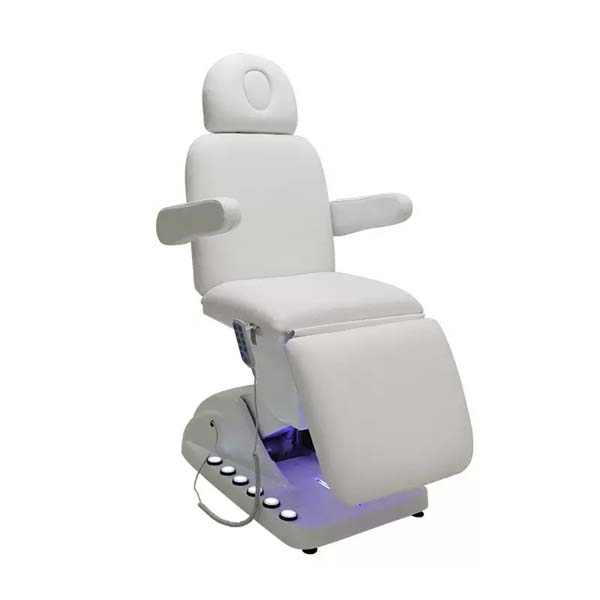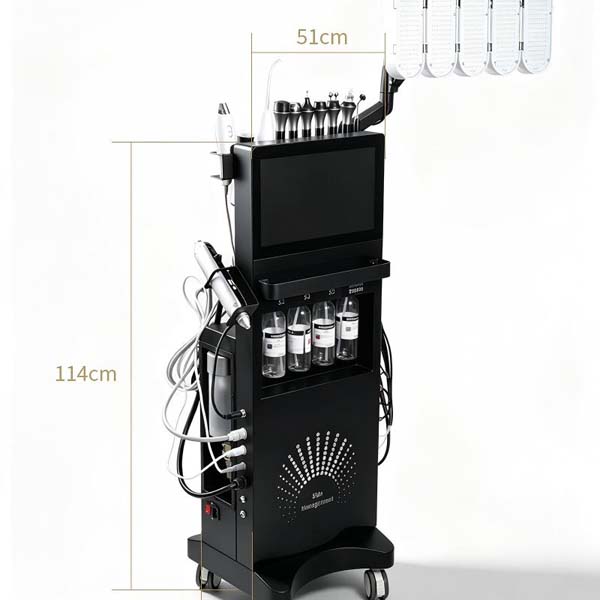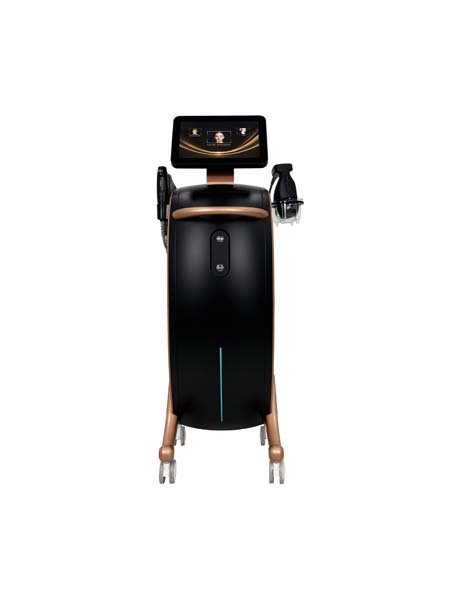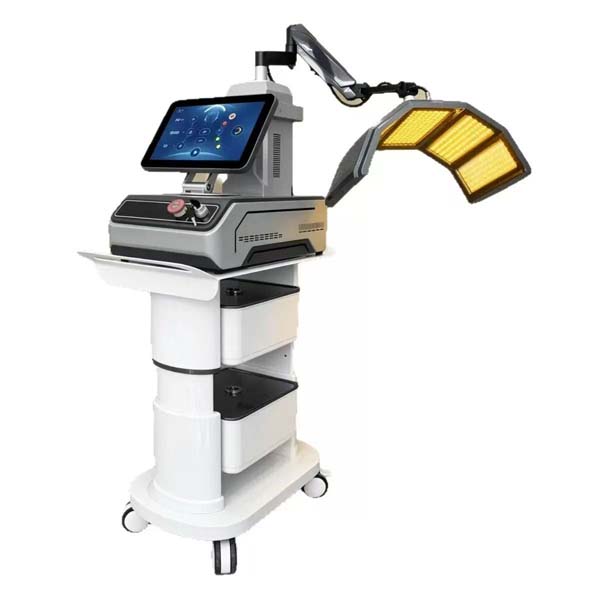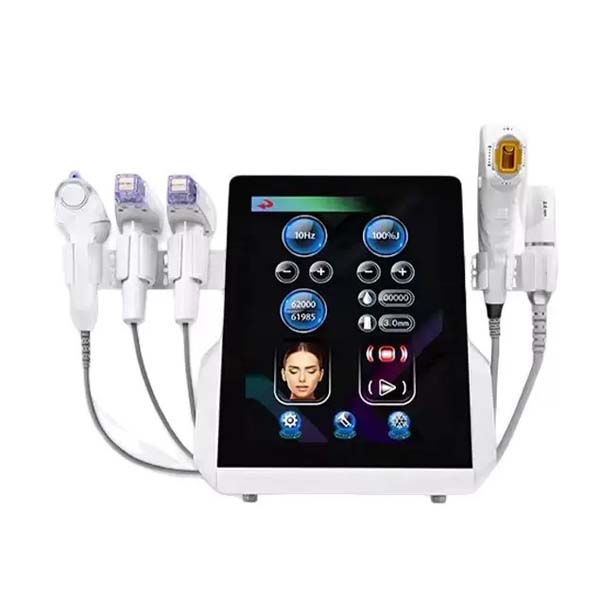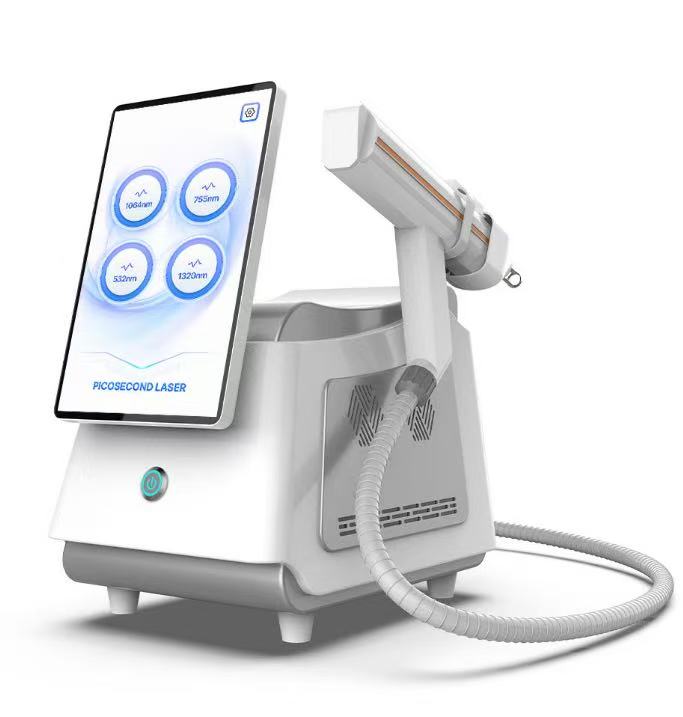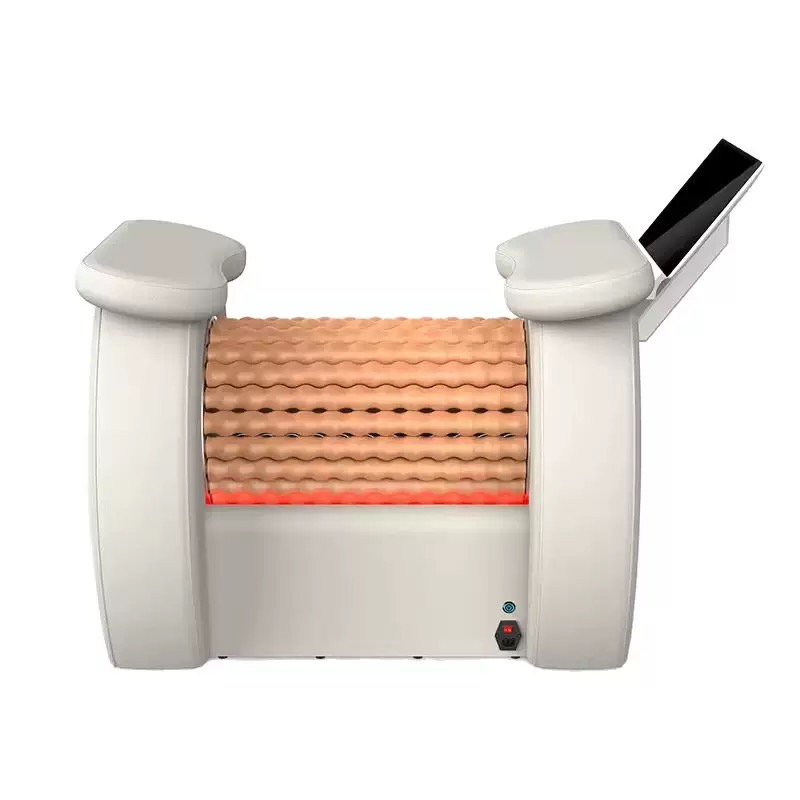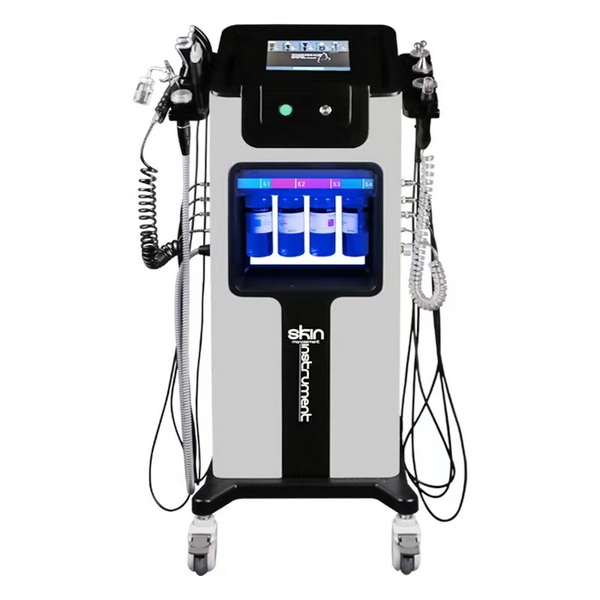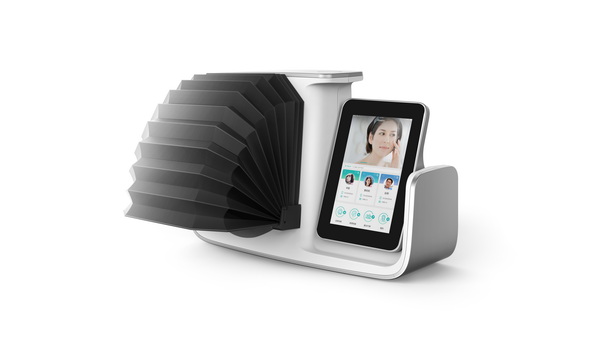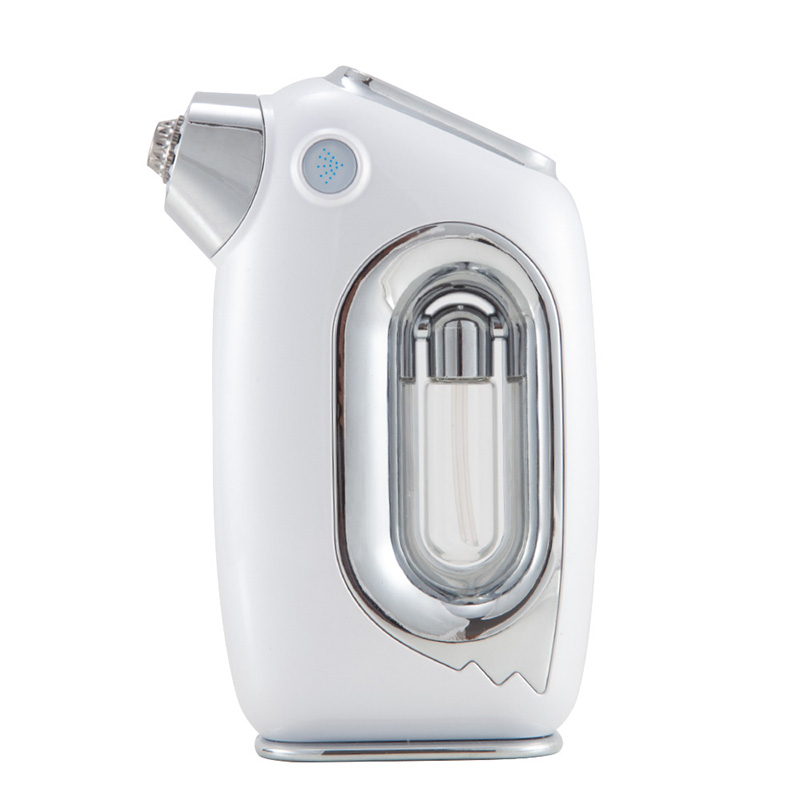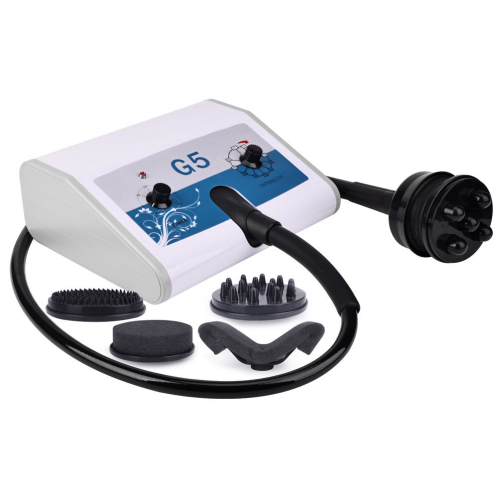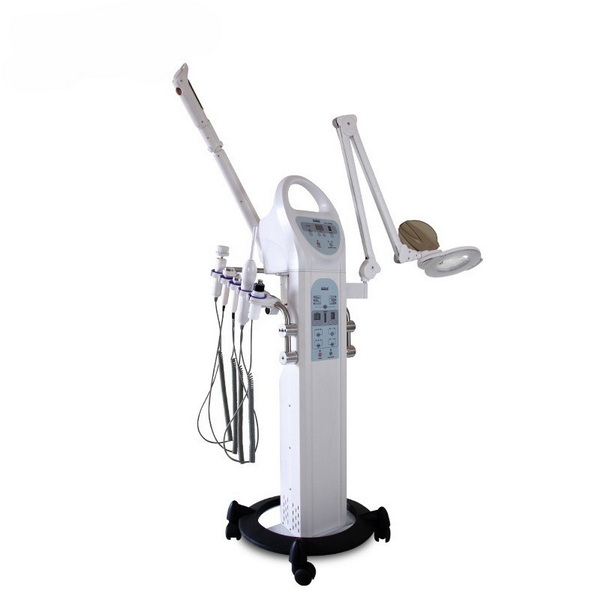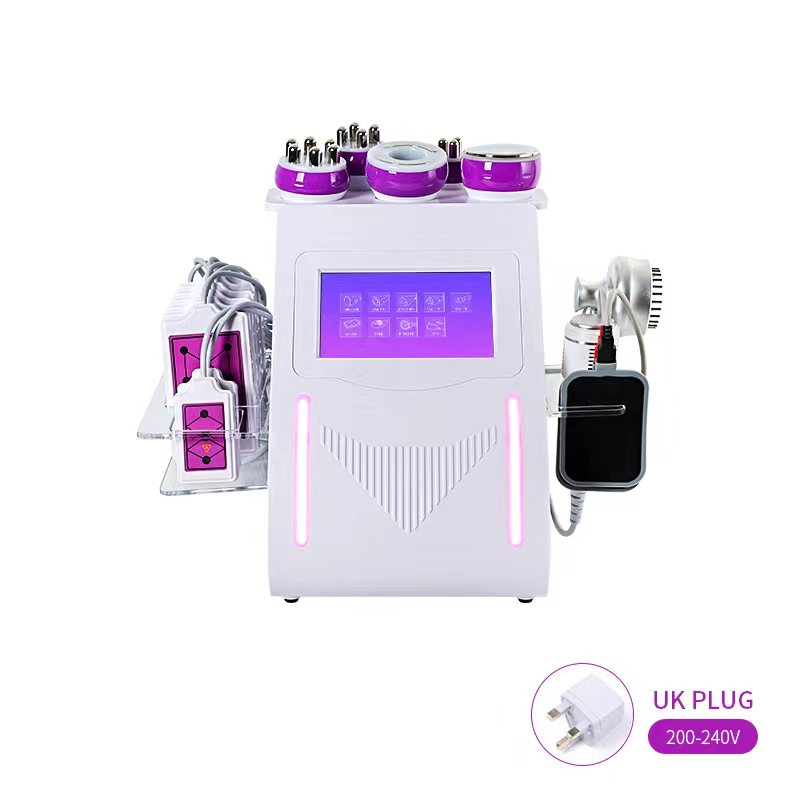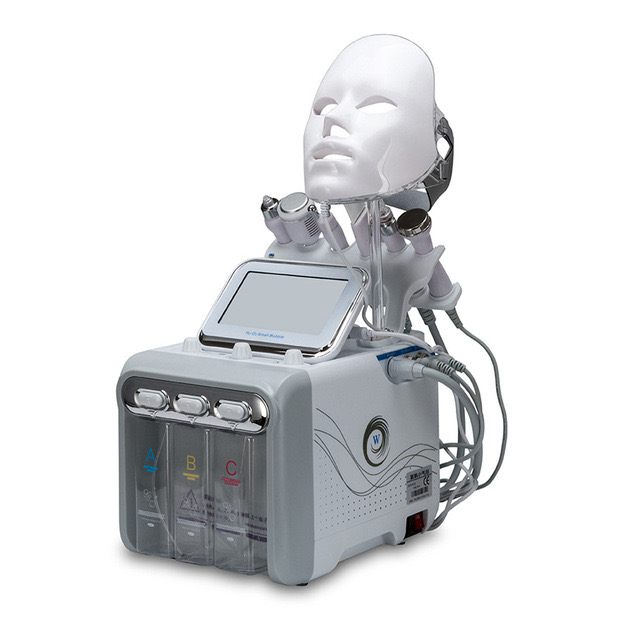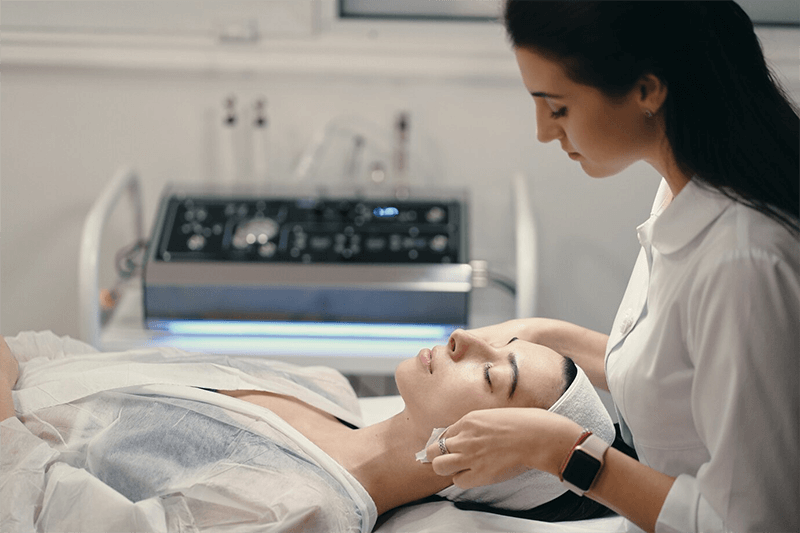
Beauty devices have revolutionized the personal care and beauty industry. From skincare tools to body sculpting machines, these devices promise convenience, effectiveness, and professional-grade results at home. However, a question that arises frequently is: Are beauty devices safe for everyone? Let’s dive deep into what you need to know about the safety of these devices, potential risks, and how to use them properly for the best results.
Understanding Beauty Devices
Beauty devices are technological tools designed to enhance various aspects of skin care, body contouring, hair removal, and anti-aging treatments. These devices utilize different methods like LED light therapy, radiofrequency, ultrasound, lasers, and electric currents to achieve their desired results. The promise of clear skin, reduced wrinkles, hair-free bodies, or sculpted figures has made them increasingly popular among consumers.
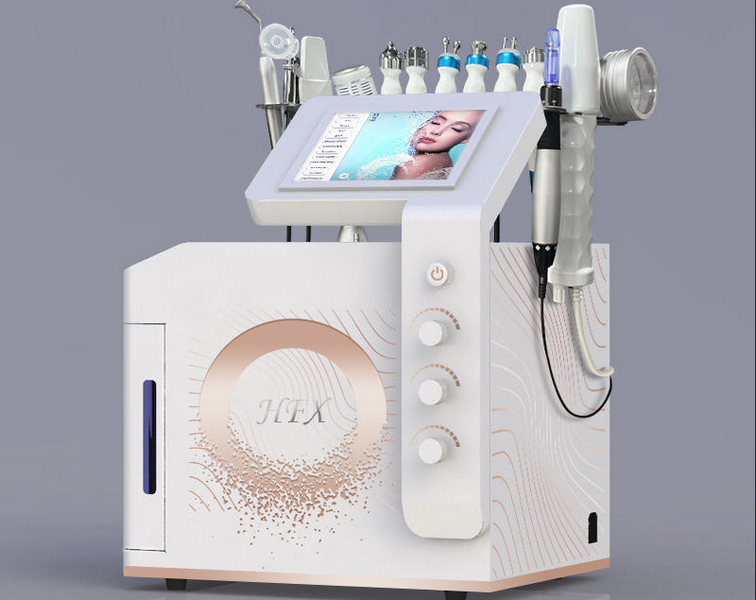
Types of Beauty Devices
Before discussing safety, it’s essential to understand the different categories of beauty devices. Here are some common types:
LED Light Therapy Devices
LED light therapy devices use different wavelengths of light to target various skin concerns. Blue light is commonly used to treat acne, while red light is often used for anti-aging purposes. These devices are relatively safe for most skin types, and they offer non-invasive treatments.
Laser Hair Removal Devices
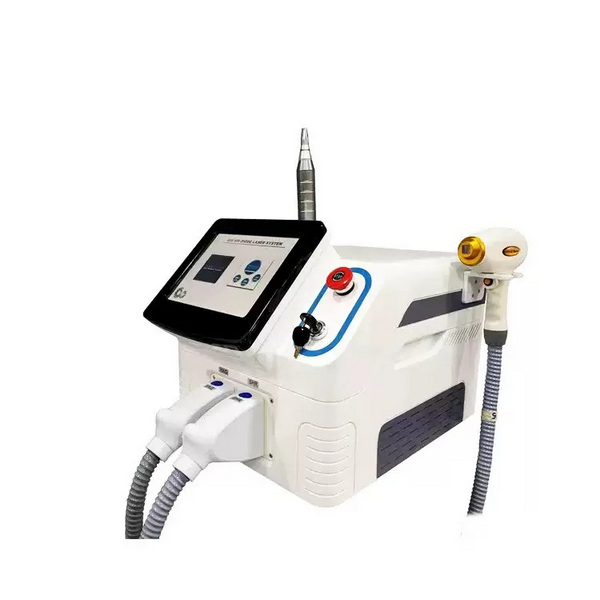
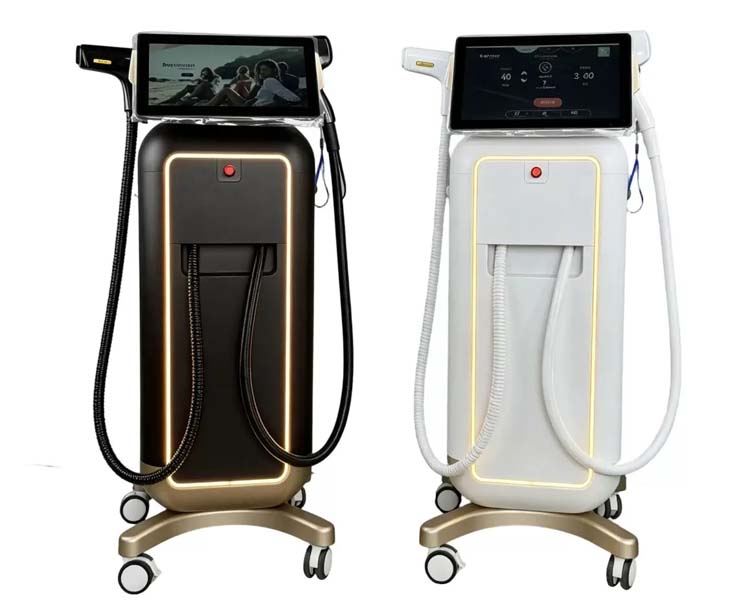
Laser hair removal devices work by targeting the pigment in hair follicles, which reduces hair growth over time. While effective, these devices can pose risks if not used properly, especially on darker skin tones or sensitive skin areas.
Radiofrequency (RF) Beauty Devices
RF beauty devices use radiofrequency waves to stimulate collagen production, tighten the skin, and reduce fine lines and wrinkles. These devices can be effective for many skin types, but incorrect use could lead to burns or irritation.
Ultrasonic Cavitation Machines
These devices are designed to reduce fat by using sound waves to break down fat cells, which the body then naturally eliminates. While largely considered safe, they should be used cautiously to avoid damage to underlying tissues.
Microcurrent Devices
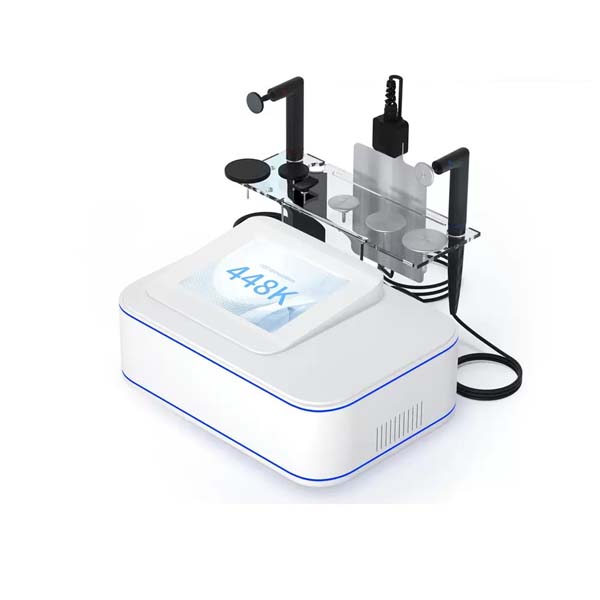
Microcurrent devices deliver low-level electrical currents to stimulate facial muscles and boost skin firmness. Though often used for anti-aging treatments, individuals with certain health conditions like pacemakers should avoid them.
Are Beauty Devices Safe for Everyone?
The safety of beauty devices largely depends on the user’s skin type, pre-existing health conditions, and proper usage of the devices. Let’s explore the factors that impact safety.
Skin Type and Sensitivity
Skin type plays a significant role in determining whether a beauty device is safe for you. For instance, LED light therapy devices are generally safe for all skin types but could cause irritation in people with extremely sensitive skin. Likewise, laser hair removal devices are more effective on lighter skin with dark hair and may cause hyperpigmentation or burns on darker skin tones.
People with sensitive skin should be cautious when using devices like radiofrequency or microcurrent machines, as these could cause irritation or discomfort. Always perform a patch test before using any beauty device on your face or body to ensure there are no adverse reactions.
Existing Skin Conditions
If you have skin conditions like eczema, rosacea, or psoriasis, certain beauty devices could exacerbate these issues. For example, ultrasonic cavitation may not be suitable for individuals with sensitive skin as it can cause irritation, especially if the skin barrier is already compromised.
People with acne should be cautious with microdermabrasion devices or peeling machines, as these can sometimes aggravate breakouts if not used correctly. On the other hand, LED light therapy devices can be particularly beneficial for those with acne-prone skin as they help reduce inflammation and kill acne-causing bacteria.
Health Conditions
Certain beauty devices are not recommended for individuals with underlying health conditions. For example, people with pacemakers or heart conditions should avoid microcurrent devices as the electrical currents could interfere with their medical devices.
Pregnant or breastfeeding individuals should consult their healthcare provider before using beauty devices like laser hair removal or radiofrequency machines, as the long-term effects on pregnancy are not thoroughly studied.
How to Use Beauty Devices Safely
To ensure that beauty devices are safe for you, it’s essential to follow the instructions provided by the manufacturer and take proper precautions. Here are some tips for safe usage:
Always Read the Instruction Manual
Before using any beauty device, thoroughly read the instruction manual. This will provide you with valuable information on how to use the device correctly, the recommended duration of use, and safety precautions. Not all devices are suitable for daily use, and overuse could cause skin damage.
Perform a Patch Test
If you’re using a device for the first time, it’s crucial to perform a patch test. Apply the device to a small area of your skin and wait for 24 hours to see if there’s any adverse reaction like redness, swelling, or irritation. This is especially important for those with sensitive skin.
Start with Lower Intensity Levels
Many beauty devices come with adjustable intensity levels. It’s always a good idea to start with the lowest setting, especially if you’re a beginner. Gradually increase the intensity as your skin gets used to the treatment. For example, laser hair removal devices often have multiple intensity levels, and starting too high could lead to burns.
Limit Treatment Duration
Each device comes with a recommended treatment time, typically ranging from a few minutes to an hour. Be mindful of this duration and avoid extending it, as overuse can lead to skin damage. For instance, radiofrequency devices should only be used for short bursts to prevent overheating and burns.
Keep Your Device Clean
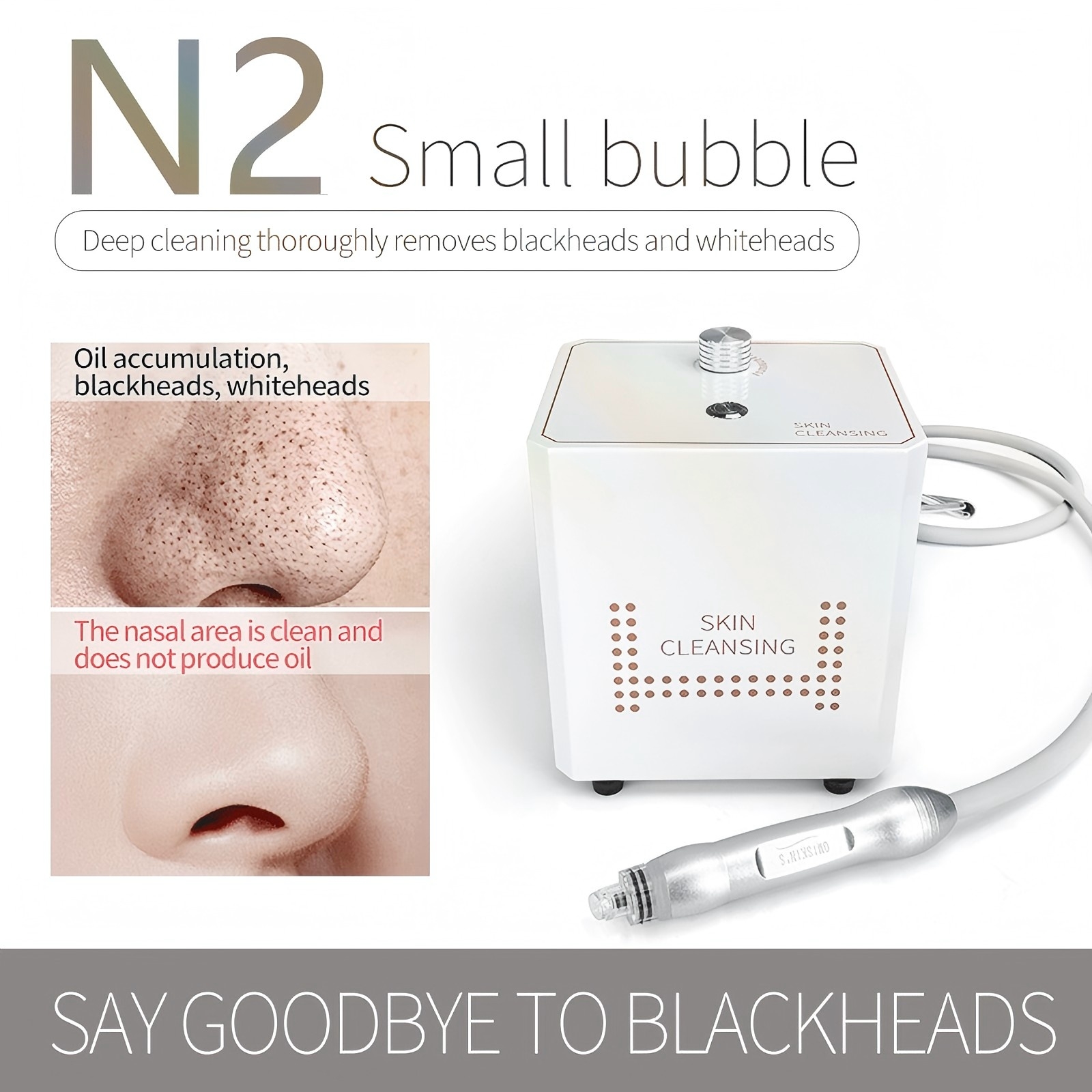
Hygiene is crucial when using beauty devices. Dirty devices can harbor bacteria, which could lead to infections or breakouts. After each use, clean your device as per the manufacturer’s instructions. For example, microdermabrasion and facial cleansing devices should be cleaned after each session to ensure they remain sanitary.
Potential Risks of Beauty Devices
While beauty devices offer numerous benefits, it’s essential to be aware of potential risks:
Skin Burns
Using devices like lasers or radiofrequency machines incorrectly can result in burns. Always ensure that you’re following the instructions closely and not using higher settings than recommended, especially if you have sensitive or darker skin.
Hyperpigmentation or Hypopigmentation
Laser devices, particularly those used for hair removal, can cause changes in skin pigmentation. This is more likely to occur in individuals with darker skin tones, so it’s important to choose devices suitable for your skin type.
Infection
If you don’t properly clean your beauty devices, there’s a risk of infection. Bacteria can accumulate on the device, leading to breakouts, rashes, or other skin infections.
Eye Damage
Devices like LED light therapy and laser hair removal emit light that can be harmful to your eyes. Always use protective eyewear if recommended and avoid shining the light directly into your eyes.
Who Should Avoid Using Beauty Devices?
While most people can safely use beauty devices, certain individuals should avoid them or seek medical advice before use. These include:
- Individuals with pacemakers or other implanted medical devices.
- People with active skin infections or conditions like eczema.
- Pregnant or breastfeeding women, unless approved by a healthcare provider.
- Individuals with sensitive skin or known allergies to certain materials used in beauty devices.
Conclusion
So, are beauty devices safe for everyone? The answer depends on various factors like skin type, health conditions, and proper usage. While these devices can offer fantastic results when used correctly, they also carry certain risks if misused. Always consult with a dermatologist or healthcare professional if you have concerns about using a beauty device, especially if you have pre-existing skin conditions or health issues.
Beauty Device Safety Standards Key Specifications at a Glance
Compare the core parameters before requesting a wholesale quotation. Exact configurations vary by model and can be customized for OEM orders.
| Certifications to check | CE (EU), FDA registration (US), ISO 13485 (manufacturer) |
| Electrical safety | IEC 60601-1 medical electrical standard |
| EMC | IEC 60601-1-2 electromagnetic compatibility |
| Labeling | Serial number, manufacture date, rated voltage on nameplate |
| User documentation | Bilingual manual + contraindication list + warranty card |
Wholesale & OEM Terms for Business Buyers
Every commercial order ships with full documentation and flexible customization options:
- Single-unit trial orders welcome; distributor tiers from 5 units
- Custom logo, boot screen and multilingual interface for your market
- On-site or live-online training packages for staff certification
- Worldwide door-to-door logistics with insurance options
Frequently Asked Questions
How can I verify a beauty device is legally safe to use commercially?
Check the nameplate for serial and model, request the Declaration of Conformity behind the CE mark, verify FDA facility registration numbers in the public database, and confirm ISO 13485 from the manufacturer. Legitimate suppliers provide all four without hesitation.
What insurance requirements apply to spa equipment purchases?
Most liability insurers ask for CE/FDA documentation, installation certificates and staff training records. Keeping these on file per machine speeds up claims and is required by many commercial property policies.
Do you supply safety documentation with wholesale orders?
Yes. Every unit ships with CE Declaration of Conformity, test reports, user manuals and warranty certificates. Distributors receive batch test documentation suitable for customs clearance and insurance filing.
For a current wholesale price list or an OEM quotation on Beauty Device Safety Standards, contact our sales team with your target quantity and destination market.