Last updated: October 2026
“Cryolipolysis cost” means three different numbers depending on who is asking. A client wants to know what one session costs. A clinic owner wants to know what the machine costs and how fast it pays for itself. A distributor wants to know what a container of machines costs. This guide covers all three, because the number you quote a client is built on the number you paid for the machine — and the machine price is built on parts most buyers never look at.
The Three Cost Views of Fat Freezing
1. Cost per session (what clients pay)
In most markets a single cryolipolysis session for one area sits between a mid-range facial and a laser treatment. Pricing depends far more on the local market and your rent than on the machine: two clinics with the same equipment can price 2–3× apart. What matters for you is the number of sessions per machine per week you can realistically fill, not the price of one session in isolation.
2. Machine cost (what you pay)
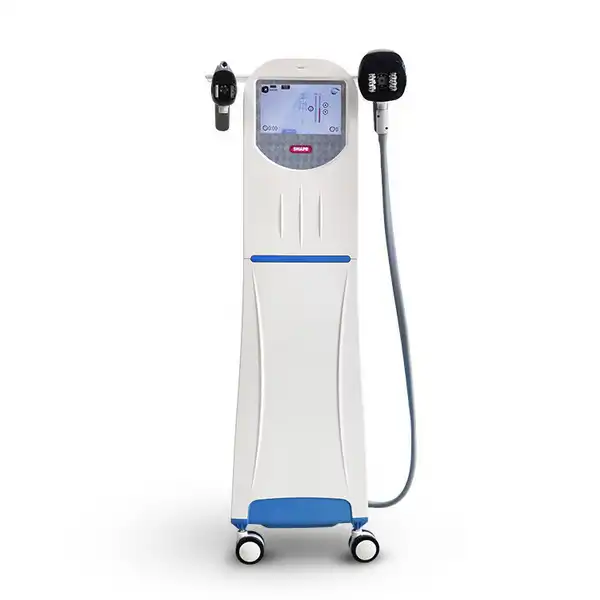
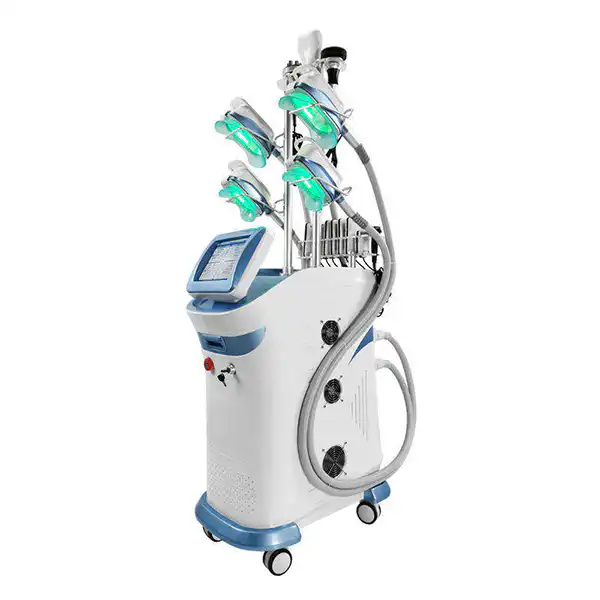
Fat freezing machines split into three practical bands. Entry machines are single-applicator units built for occasional use. Mid-range machines add vacuum, a second applicator and better temperature control. Premium platforms run four applicators simultaneously with preset programs and a treatment record. The jump between bands is mostly cooling system capacity and applicator quality — not branded screens.
3. Landed cost (what actually leaves your account)
Landed cost = machine + applicators + spare cups + freight + duties + local delivery. Buyers who compare only the machine price regularly discover the cheapest machine was not the cheapest purchase, because the applicators that fit their treatment menu were sold separately.
Why Two Suppliers Quote the Same Machine Differently
When three quotations for “the same” fat freezing machine arrive at different prices, the difference is almost never the supplier’s margin alone. It is configuration. Four questions expose it in one email:
- How many applicators, and which cup sizes? A four-handle machine with two usable sizes is not the same product as one with four.
- Which cooling technology and how long can it hold temperature? Continuous-use capacity is the single most expensive part of the build.
- What is included in the box? Gel, membranes, spare cups, fuses, foot pedal, training material — the small items add up.
- What happens after month 13? Spare parts availability and response time decide your cost over five years, not the invoice today.
Our supplier’s standard configuration and why it is set that way: it depends on the machine. Cups are matched to the model and to the areas you plan to treat, so a two-handle clinic unit and a four-handle body platform ship with different cup sizes — and at different prices. If a handpiece wears out, it can be replaced, and our technical team walks your staff through the swap online so the machine is not idle waiting for a part.
Inside the Machine: Where the Money Goes
Four components decide both price and reliability:
- Cooling system (compressor + thermoelectric stack). Determines how many handles can run at once and how stable the temperature stays. This is where cheap machines fail.
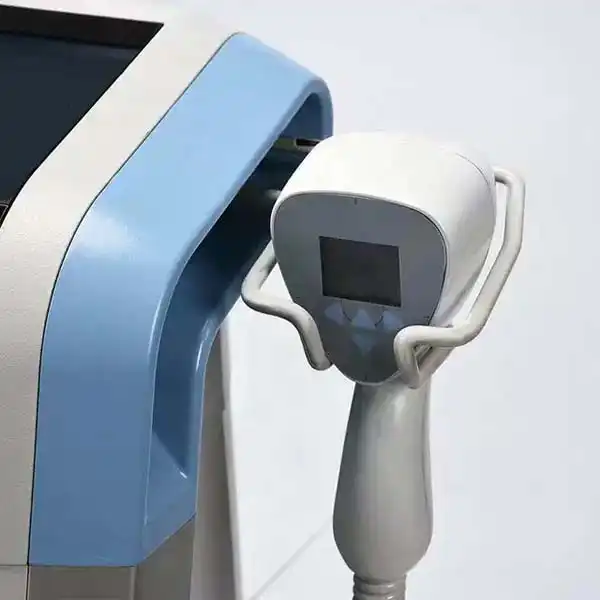
- Applicators. The vacuum seal and the internal membrane are consumable in practice. Thin membranes leak; the vacuum then never reaches the target pressure.
- Vacuum pump. A weak pump produces a poor seal, which means uneven cooling and inconsistent results — the complaint that ends a treatment menu.
- Control board and software. Presets, safety cut-offs, and the treatment log. Valuable for staff who are not the person who bought the machine.
Cost Per Treatment: How Clinics Actually Price It
A workable rule is to price a session at roughly 8–12% of what a client would pay for the surgical alternative in your market — high enough to signal a professional treatment, low enough that it does not invite comparison with surgery. Then decide the package: single session, three-session course per area, or a yearly maintenance plan. Packages stabilise income; single sessions fill gaps.
Payback: A Simple Model You Can Run Tonight
- Write down your landed cost per machine.
- Write down your session price and your realistic sessions per week (be honest — half of your existing body-treatment bookings is a fair starting point).
- Multiply to get monthly revenue; subtract consumables and staff time.
- The result is your payback window. Most owners we work with plan for the machine to be paid back inside one season, not one month.
A machine you can fill is worth more than a cheaper machine you cannot. If two quotes are close, buy the one whose applicator set matches the treatments you already sell.
What Is Not in the Price: Post-Purchase Costs
- Applicator membranes and spare cups — order a set with the machine, not after the first leak.
- Voltage, plug and language — specify your market’s requirements before production, not after arrival.
- Freight and clearance — ask for the shipping term in writing, and who handles the customs documents.
- Training — insist on protocol material; the difference between a good and a bad result on the same machine is technique.
- Warranty scope — read what is excluded as carefully as what is covered.
Warranty and spare-part terms on our machines: The main unit carries a 12-month warranty. Handpieces and accessories are generally not covered by the warranty, and damage caused by improper use is not covered. A worn handpiece can be replaced at any time — the price depends on the model, and the replacement is supported online by our technical team.
Typical lead time for a stocked unit and for a customised order: Stocked units leave for your forwarder within 2–3 days. Customised orders take about 15–20 days, and some models can be ready in 7 days — the exact date is confirmed for your model when you order.
Payment Terms, Deposits and Currency: What Is Negotiable
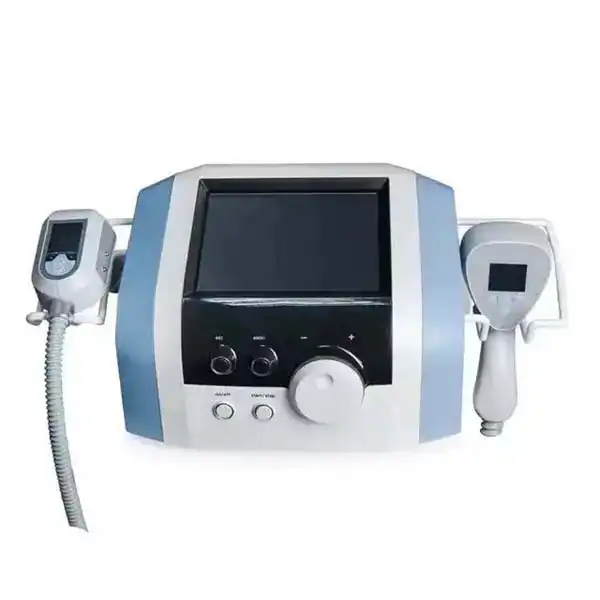
When a quotation arrives, the number buyers look at first is the machine price. The number that decides whether the order runs smoothly usually sits three lines further down.
Payment structure. Standard factory terms for a first order are a deposit with the balance before dispatch; larger or repeat orders move to a smaller deposit, and some suppliers accept a balance against the bill of lading. Whatever the split, put it in the proforma invoice, not in chat.
Currency. Quotes in USD are convenient, but they expose both sides to exchange-rate movement between deposit and balance. If the build takes six weeks, ask whether the price is fixed in USD or converted on the day of payment.
Banking details. Confirm that the account name matches the company on the contract, and verify any change of bank details by phone — invoice fraud on machinery orders is common.
Deposit protection. Ask what happens to the deposit if the production date slips. A written delivery date with a stated remedy is worth more than a discount.
How to Compare Three Cryolipolysis Quotes in One Table
Build the table before you read the quotes — supplier name, machine price, landed cost, applicator set, cooling capacity, warranty, spare-part availability, lead time, payment terms. A quote that looks 15% cheaper usually loses on two of those rows. That comparison method is the same one we describe in our beauty machine quotation guide.
Five Failure Modes That Turn a Cheap Machine Expensive
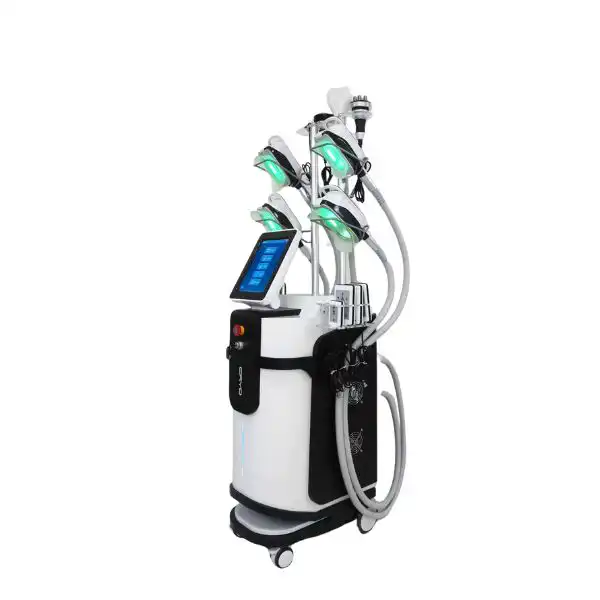
You do not see the difference on the quotation; you see it in month four. These are the parts that separate a machine that runs for years from one that becomes a parts order:
- Compressor and cooling stack. Cheaper units cycle harder and lose temperature stability, which shows up as inconsistent results and longer sessions.
- Applicator seals and membranes. The vacuum seal is a wear part. If replacements are hard to source, every worn cup takes a handle out of service.
- Vacuum pump. Look for a serviceable pump with a documented spare, not a sealed unit nobody can repair locally.
- Control board and software. Ask whether the board is a standard part the factory still stocks, and whether settings survive a power cut.
- Tubing and connectors. Small, cheap, and the most common cause of a mid-treatment stop.
None of this is exotic. The test is simply whether the supplier can name the part, price it and ship it.
New or Used?
Used machines make sense when the technology has not changed much and the applicators are genuine. Ask for a cooling test under load, applicator hours, and a written statement that spare parts are still produced. If any of the three is missing, treat the discount as compensation for risk.
Your First-Year Budget in Five Lines
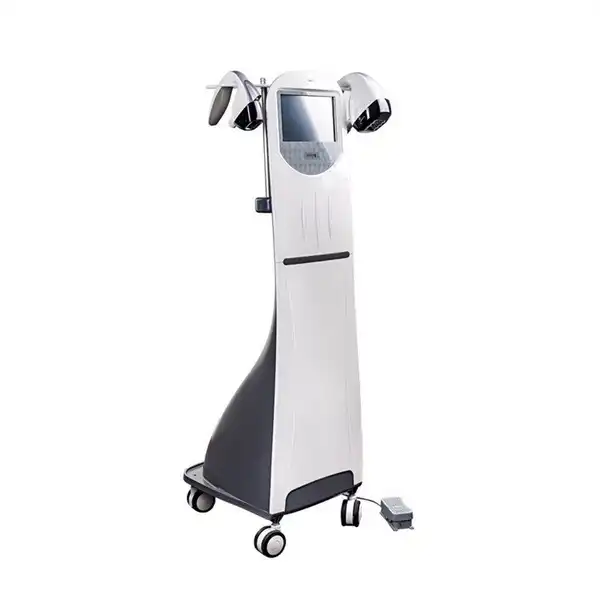
Before you compare quotes, build a one-page budget. It does not need exact numbers to be useful — it needs the same five lines for every candidate:
- Landed cost — machine, applicator set, freight, insurance, duty and clearance.
- Commissioning — installation support, first protocol training, staff time lost during setup.
- Consumables for twelve months — gel, membranes, spare cups, fuses, filters.
- Service reserve — an amount set aside for one handpiece or one pump replacement in year one.
- Revenue assumption — treatments per week × your session price, at a realistic fill rate for the first three months.
The fifth line is where most plans fail: clinics assume a full diary from week one. Use a conservative fill rate, then check whether the machine still pays back. If it only works at 80% utilisation, it does not work.
Working with a Factory Directly vs a Local Distributor
Buying direct means better configuration control, direct spare-part supply and access to customisation — branding, voltage, language, packaging. A local distributor means faster service in your language and no customs work. Many of our customers run both: a distributor for their first machine, then direct once they know exactly what they need.
On references: most of our partners are distributors and clinic owners running their own local model, so we do not publish named client cases. What we do share is the configuration logic — which cup set, which cooling capacity and which spare parts suit the treatment menu you plan to sell — and we go through it with you before the order.
What to Ask on the Demo Video Before You Pay a Deposit
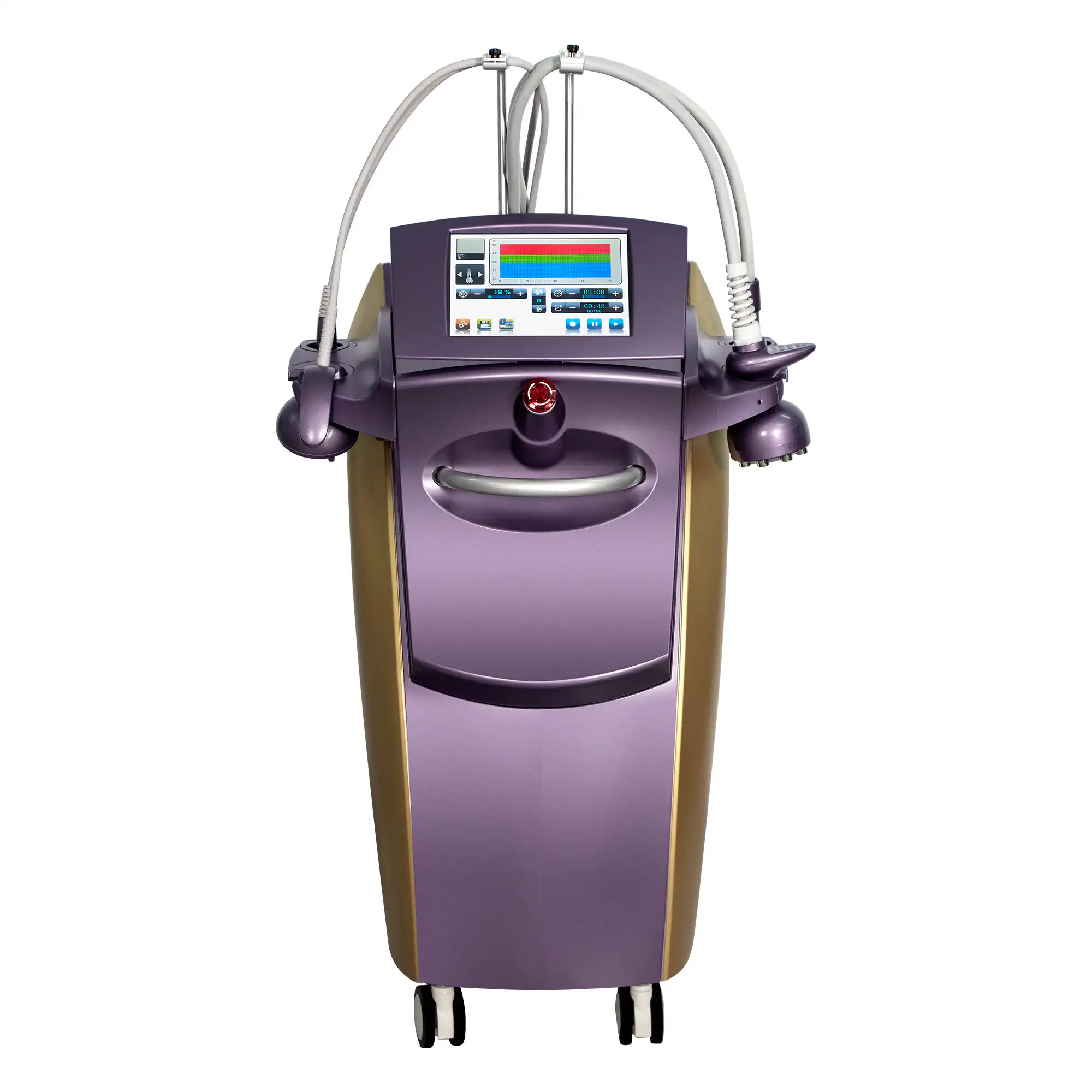
A video call is the cheapest due diligence you can do. Ask for it live, not pre-recorded, and ask for these five things in this order:
- The exact unit you are buying — serial plate, model number, and the applicator set on the table.
- A full treatment cycle — cooling down, vacuum seal, treatment timer, alarm behaviour.
- A wear-part check — open the applicator, show the membrane, show the spare-parts box.
- Noise and stability — run it long enough to hear the compressor under load.
- The packing stage — how the machine is braced inside the crate.
Record the call. If a supplier cannot show the machine running, that is information too.
Buyers also ask about results: can we show before-and-after photos? Here is how we handle it. For selected models we keep PDF treatment documentation — case photos from demo sessions or sent back by partners — and we share the PDF on request. Not every model has a complete set: where documented photos do not exist for a model, we say so rather than fill the gap with stock pictures. Ask for the PDF for your exact model when you request a quotation, and check whether the photos state the parameters used — handpiece, energy level, number of sessions. Parameters are what make a before-and-after comparable; a photo without them is decoration.
What a Complete Cryolipolysis Quotation Should Contain
Machine and applicator list with sizes, spare parts, trade term, lead time, warranty scope with exclusions, payment terms, packing details, and the documents that ship with the unit. If a supplier cannot put warranty scope and spare-part terms in writing, that is the answer to your question.
Documents available with our shipments: Every shipment includes the operation manual, an operation video, the CE documentation for the model and the customs clearance documents your forwarder needs. We describe what travels in the box rather than making approval claims for your market.
Frequently Asked Questions
How much does a cryolipolysis machine cost?
Professional fat freezing machines generally sit in three bands: entry single-handle units, mid-range two-to-four handle machines with vacuum, and premium multi-handle platforms with a screen and preset programs. The machine itself is only part of the budget — shipping, duties, and the applicators you actually need for your treatment menu decide the real number. Ask each supplier for a full landed-cost quotation rather than a machine price.
How many treatments do clients need?
A typical course is one session per area every three to four weeks, with two to four sessions before most clients judge the result. Fat cells leave the body gradually over the following weeks, so the visible change continues after the last session.
Can one machine treat all body areas?
Not with a single applicator. Abdomen, flanks, thighs and arms need different cup sizes and shapes. When you compare quotes, compare the applicator set, not just the handle count — a four-handle machine with two usable sizes is not the same product as one with four.
Is a used fat freezing machine a good idea?
It can be, if the cooling system is verified, the applicators are genuine and the unit has service history. Ask for a cooling test log, the applicator hour count and confirmation that spare parts are still available before you pay.
What affects the price the most?
Cooling capacity and applicator count. A machine that holds temperature under continuous use on four handles costs more to build than one that pauses between cycles — and that difference shows up in the price, and later in your treatment schedule.
Related Reading
- How Much Is Cryolipolysis: A Comprehensive Guide
- Cryolipolysis Slimming Machines: A Guide for Wholesale Buyers
- How to Choose the Best Professional Body Slimming Machine
- Beauty Machine Cost Breakdown
- Beauty Machine Wholesale: The Complete B2B Guide
Sourcing for your salon or distribution business?
Tell us the machine types and target quantity — we reply with factory-direct pricing, lead time and available export documents.