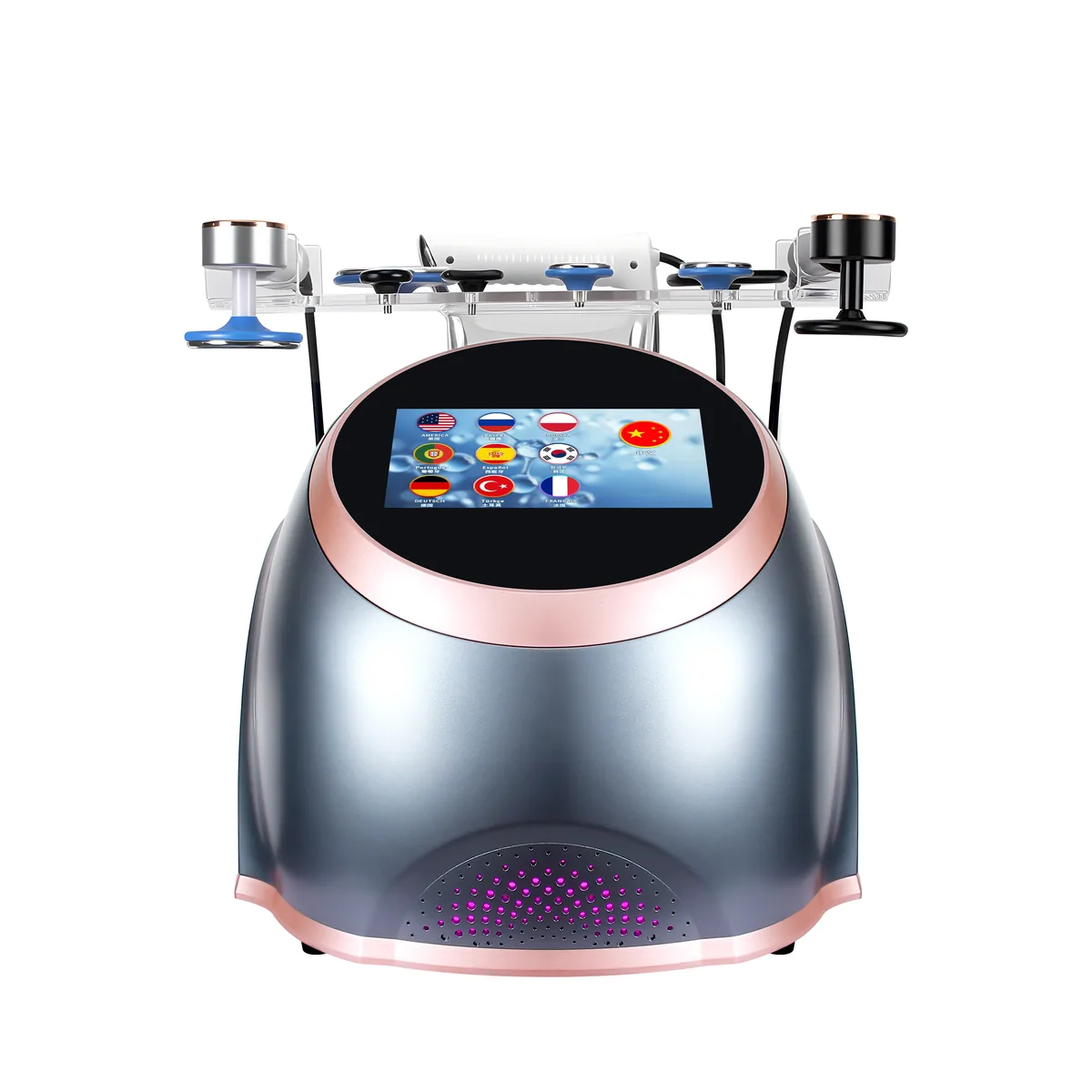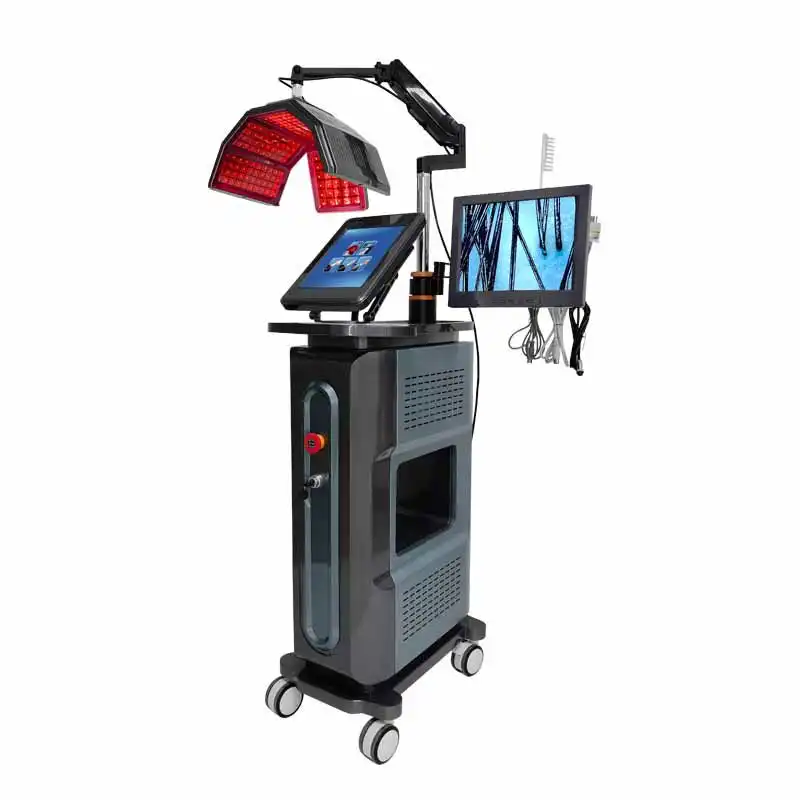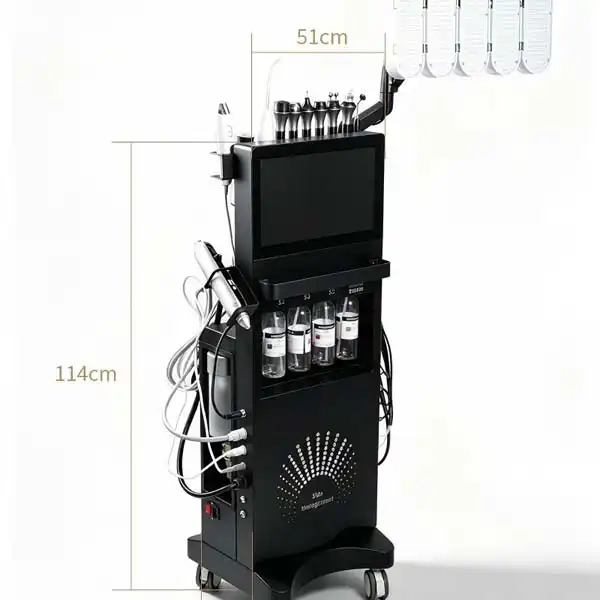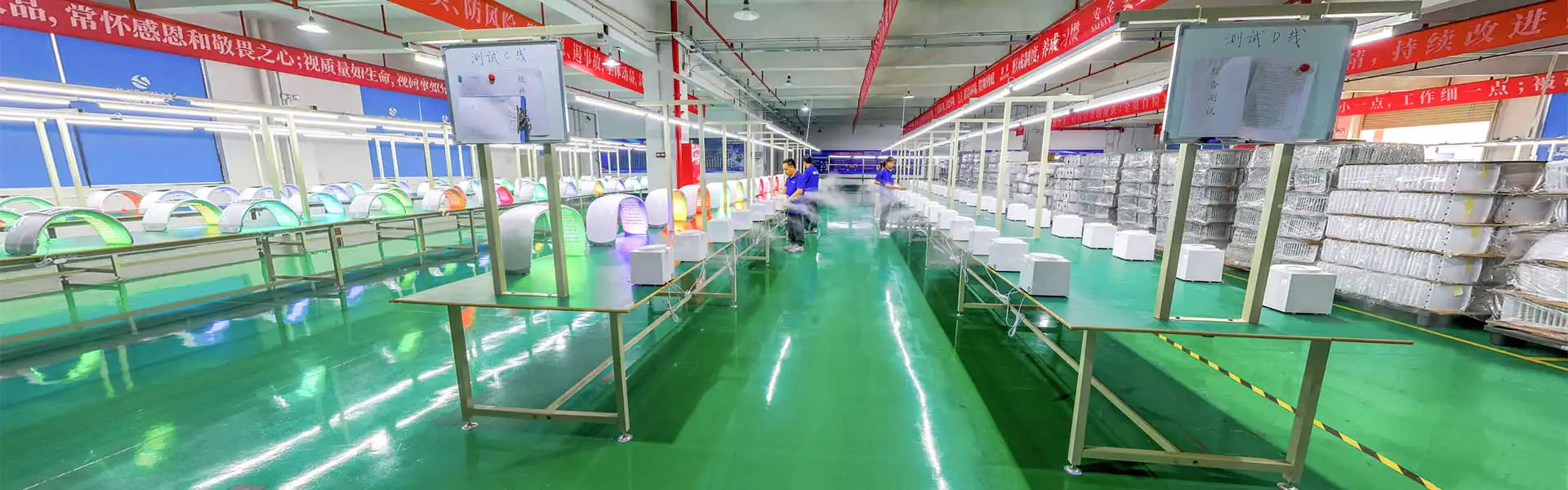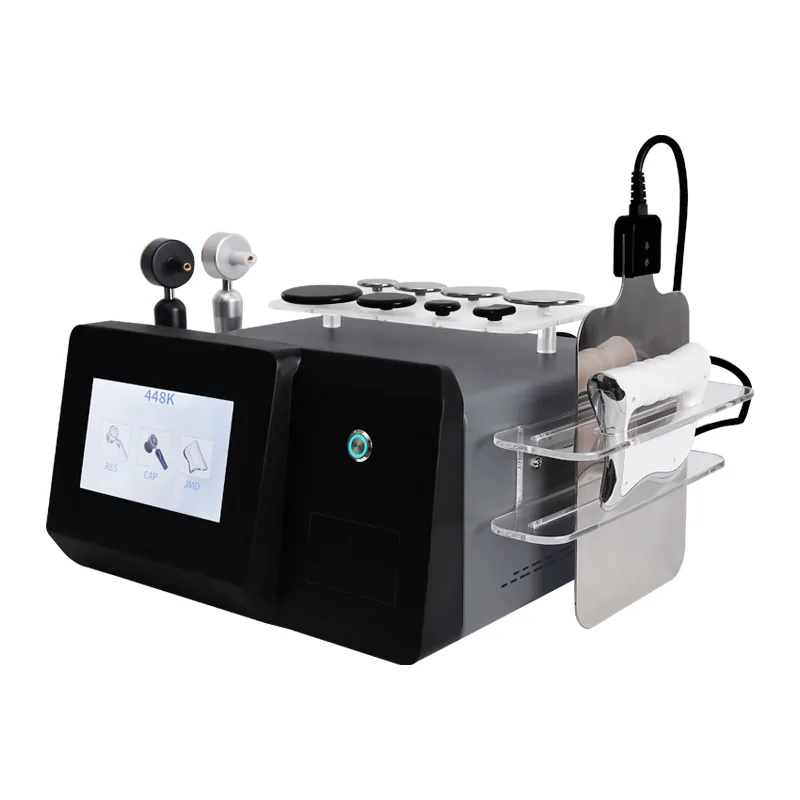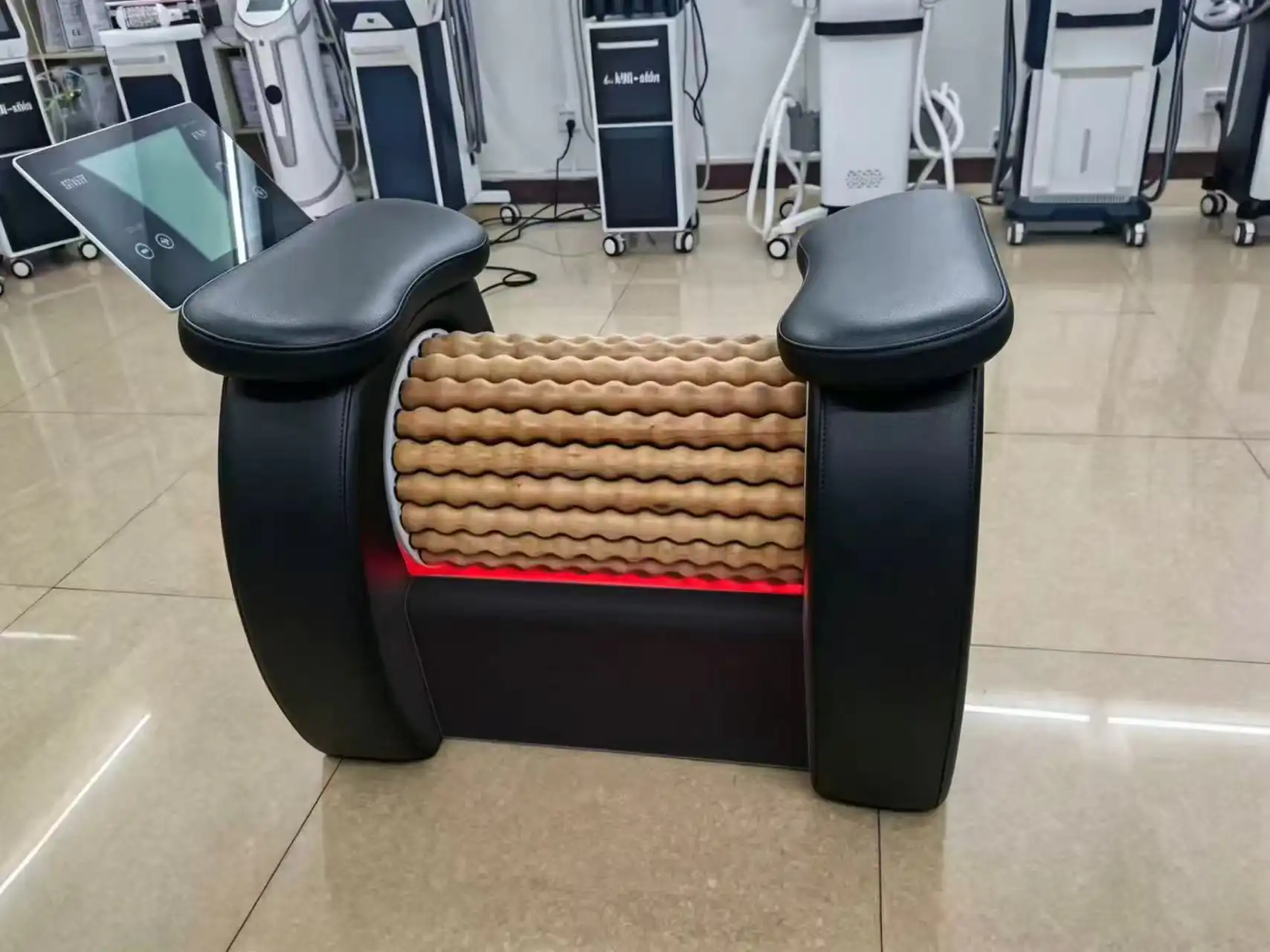
Ask a supplier what happens between the final screw going in and the machine going into the carton, and the answer tells you who you are dealing with. Companies that have never stood on a production line describe shipping in vague terms. Companies that inspect machines every week — whether their own factory or a partner line they audit — describe it step by step: burn-in hours, calibration targets, leakage current limits, drop-test heights. This guide walks through the entire pre-shipment stage of beauty machine quality control in that level of detail, so you can hold any supplier to it.
This is the third article in our buying-process series. The first explains what drives wholesale prices, and the second covers how to negotiate payment terms and protect your balance payment. This one covers the stage where quality is actually decided: testing before shipment.
Why Pre-Shipment Testing Is Where Cheap Machines Fail
Most defects that a proper beauty machine quality control process would catch do not come from design — they come from the last mile of assembly and handling: a loose connector inside the handpiece, a cooling pump running dry during a power-on test that never happened, a power supply set to the wrong voltage for the destination country. None of these are visible in photos. All of them surface in the first two weeks of use, which is exactly when your clients form their opinion of your business.
This is why a professional supplier treats pre-shipment testing as a fixed process, not a favor. The five tests below are the industry baseline. If a supplier cannot confirm each one, that is not a pricing problem — it is a quality-system problem.
Inside a Working QC Process: From Incoming Parts to Final Audit
To judge a supplier’s beauty machine quality control, it helps to know how a mature process is organized on the floor. Professional lines follow three inspection stages, each with a different purpose:
- IQC — Incoming Quality Control. Before assembly starts, components are checked against specification: power supplies and laser diodes are the two components where fakes and downgrades are most common, so serious lines verify supplier lots, measure key parameters on samples, and quarantine lots that fail. A machine is only as good as the diode inside it, and the diode is cheapest to reject before it is installed.
- IPQC — In-Process Quality Control. During assembly, checkpoints verify torque on critical fasteners, wiring routing inside the housing, grounding continuity, and correct firmware version. In-process checks exist because a defect found at hour three of assembly costs minutes to fix; the same defect found after packing costs a shipped carton.
- OQC — Outgoing Quality Control. The final gate before packing: the five tests described below run here, on the finished machine, against the specification sheet for that model. OQC is the stage buyers see when they ask for pre-shipment testing videos — and it is the stage a careless supplier skips entirely.
When you evaluate any supplier — factory or trading company — ask which of these three stages they can describe in detail. A production manager answers with specifics; a salesperson answers with adjectives. The difference takes one phone call to hear.
The Five Tests Every Machine Should Pass Before Shipment
1. Power-On Burn-In (Aging Test)
Every unit should run continuously for a defined period — typically 2 to 8 hours depending on the machine type — at working intensity. Burn-in catches what a five-minute power-on cannot: unstable power supplies, overheating handpieces, firmware crashes, fans that fail after ten minutes. For laser and IPL machines, the burn-in should run with real emission on, not standby. Ask the supplier a specific question: how many hours is your burn-in, and does it run at full output? A supplier with a real process answers with a number.
2. Output Parameter Calibration and Measurement
Energy-based machines must be measured against their specification, not just switched on. That means checking the stated values with instruments: energy per shot (in joules) for IPL and laser systems, RF power output, ultrasonic cavitation frequency, and vacuum suction levels. The measured numbers should land within the tolerance printed in the specification sheet — commonly ±10–15% on energy output. Machines that skip this step can be perfectly functional and still deliver half the advertised result, which quietly destroys client retention.
3. Electrical Safety and Leakage Current
Professional machines should comply with the IEC 60601-1 safety standard for electrical equipment — the same family of standards used for medical devices. On the production floor this translates into earth-bonding and leakage-current tests on a sample or full basis, plus verification that the machine ships with the correct plug type, voltage (110V vs 220V), and a power supply rated for the destination market. You can verify whether a given machine family has FDA 510(k) clearance records through the FDA public database for models that claim it.
4. Handpiece, Accessory and Interface Function Test
Handpieces are where most returns originate. Each one should be tested on the actual unit: triggering, cooling contact, connector seating, and — for interchangeable systems — that spare handpieces are matched and tested on the same machine they ship with. Screens, foot switches, buttons and emergency stops all get cycled. Consumables that ship with the machine (filters, tips, glasses, gels) are counted against the packing list, because “one missing box of tips” is the most common packing complaint in this industry.
5. Packaging and Drop-Test Standard
International freight is rough. Professional packing means: foam brackets cut to the machine shape, the handpiece case packed separately from the main unit, screen protection, desiccant, and a carton rated for the actual weight. Many factories follow a simple drop-test standard — dropping the packed carton from a defined height (typically 60–90 cm depending on weight) on its corners and edges on a sample basis. If a supplier says the machine is “well packed” but cannot describe the internal protection, expect freight damage disputes.
A Printable Beauty Machine Quality Control Checklist
Use this table as your pre-shipment beauty machine quality control checklist — with any supplier, not only with us. A serious supplier will confirm every row without hesitation:
| # | Check | Pass Standard | Evidence to Ask For |
|---|---|---|---|
| 1 | Burn-in (aging) test | 2–8 h continuous run at working intensity, no faults | Burn-in log with serial number and duration |
| 2 | Output calibration | Measured energy/power within spec tolerance (±10–15%) | Calibration record with measured values |
| 3 | Electrical safety | IEC 60601-1 aligned checks; correct voltage and plug for destination | Test bench record; photos of plug and rating label |
| 4 | Handpiece and accessories | Every handpiece tested on its own machine; packing list complete | Photo/video of each handpiece firing; packed-carton photo |
| 5 | Packaging | Foam-cut interior, separated handpiece case, freight-rated carton | Photos before sealing; carton dimensions and gross weight |
| 6 | Documentation | Manual, warranty card, packing list, certificates as agreed | Digital copies sent before dispatch |
How Testing Should Be Documented
Testing that is not documented is a promise; testing that is documented is evidence. Before the balance payment stage of any order, you should receive: photos of the packed machine from several angles, a short video of the machine running with real output, the serial number(s) of the unit(s) you are receiving, and a completed copy of the checklist above. Serial numbers matter more than buyers realize — they tie the test evidence to the exact machine, support warranty claims months later, and discourage the supplier-side bait-and-switch of shipping a different unit than the one demonstrated. This is also where the payment structure in a well-designed wholesale negotiation does its job: the balance is released against documented, passing tests.
To ensure that every piece of equipment delivered to customers is safe and fully functional, the following items must undergo a 100% full inspection on each machine:
Appearance and Structural Inspection
The housing must be free of scratches, burrs, and color discrepancies; painted or screen-printed text must be clear and not peeling.
Structural components must fit tightly together; screws must be securely fastened without stripped threads; and all connectors (power ports, handle plugs) must be secure.
Verify that all included accessories (power cord, probe, user manual, fuse, etc.) are present and accounted for.
Electrical Safety Performance (Safety Compliance Testing—Critical for Overseas Compliance and Personal Safety)
Dielectric Withstand Test (Hi-Pot Test): Verifies high-voltage insulation performance to ensure no breakdown or leakage.
Ground Resistance Test: Ensures the metal housing or grounding terminal meets safety standards.
Leakage Current Test: Ensures there are no safety hazards to the human body during operation.
Core Functionality and Energy Output Testing
Energy and Wavelength Calibration: Use professional test instruments (such as RF energy meters and power meters) to verify that the output energy of radio frequency (RF), ultrasound, cavitation, or laser is within the standard tolerance range.
Temperature Control and Cooling Systems: Test the cooling rate of thermoelectric cooling (TEC) probes and verify that fan cooling operates normally to prevent burns caused by overheating.
Software and Touchscreen System: Verify the touchscreen sensitivity of the LCD display, system UI navigation, response times for mode/setting adjustments, and the correct display of language versions (e.g., Spanish, English, etc.).
Burn-in Test
Power on the core circuit board or the entire unit and run it under load (typically for 2 to 4 hours) to screen for potential early failures of electronic components.
Third-Party Inspection: When It Is Worth It
For first orders above a few units, third-party inspection is inexpensive insurance. An inspector spends one working day at the warehouse, runs the checklist above on your units, and issues a same-day report typically costing USD 150–300. Use it when: it is your first order with a supplier, the order mixes models, the machines are high-value (picosecond and multi-wavelength platforms), or the supplier resists providing test documentation. A supplier who welcomes third-party inspection is telling you something important — welcome it too. Coordinate with the client to arrange for a third-party inspection. Full customs and logistics planning, from trade terms to import duties, is covered separately in the complete wholesale buying guide.
Factory Direct or Trading Company: Who Actually Controls Quality?
This question deserves an honest answer instead of marketing. A factory controls its own production line and answers fastest on engineering defects; a trading company that inspects every machine before dispatch — with its own checklist, its own QC staff at the warehouse, and its own standard for what gets rejected — adds a layer of control a single factory cannot: it rejects machines on behalf of the buyer across multiple factories, because its reputation depends on repeat orders, not on moving any single production batch. The practical takeaway for a buyer is not “always buy from a factory” or “always buy from a trading company” — it is: buy from whoever demonstrates a documented inspection process, and verify it with a documented beauty machine quality control checklist. The same logic applies to OEM projects described in the OEM/ODM customization guide: the party that controls inspection controls the outcome.
What Pre-Shipment Testing Costs — and Who Pays
Budgeting for beauty machine quality control is simpler than most buyers expect, because each layer has a known cost:
- The supplier’s own testing is free to you. Burn-in, calibration and function tests are part of a professional supplier’s cost of doing business — a supplier who tries to charge separately for ‘testing fees’ on standard models is telling you their process is not built into the line.
- Live video sessions cost nothing but time. A one-hour video call during which your units run the five tests is reasonable to request on any order, and should never be treated as a special favor.
- Third-party inspection runs USD 150–300 per day. Most buyers absorb it on first orders and renegotiate who pays on repeat orders — many suppliers agree to share the cost from the second order onward, which is itself a small but real signal of confidence.
- Rejected units cost the supplier, not you. This is the clause worth writing into the order confirmation: if any checkpoint fails, the supplier re-tests or replaces the unit before shipment at their cost, and the inspection clock restarts. A beauty machine quality control clause with real consequences is what turns a checklist from paper into protection.
Compared with the price of one warranty return — a machine returned by freight, a client refund, and a reputation cost that never appears on any invoice — the entire inspection budget for a year of orders is rounding error. This is also why the price spread explained in what the price is actually made of matters: part of what you pay a professional supplier for is the QC infrastructure you never have to build yourself.
Red Flags During Pre-Shipment Testing
Most quality problems announce themselves before shipment if you know the signals:
- “Testing photos” without serial numbers — the machine in the photo may not be yours. Always tie evidence to serials.
- Stock photos or videos reused across orders — request a short live video with a handwritten note showing today’s date and your order number.
- Refusal of third-party inspection — a passing process is not afraid of an inspector.
- Vague burn-in answers — “we test everything” without hours and intensity is not a process.
- Packing that changes between quote and shipment — if the carton spec downgrades after deposit, escalate before the balance.
How to Run the Inspection Remotely: A One-Day Script
Most wholesale buyers cannot fly in for every order, so the inspection has to run remotely — and it can, in one structured day: Is each machine will be checked before delivery? The answer is yes.
- Morning — written confirmation. Send the supplier the checklist from this article with your order number and the serial numbers to be tested. Agree on the video format: continuous shots, no cuts, each machine showing its serial label on camera.
- Midday — live or recorded test session. Each unit runs through the five tests on camera: burn-in state, a measured output demo (timer and measurement screen visible where possible), handpiece firing on test medium, and the packed carton sealed on camera.
- Afternoon — documentation package. You receive the completed checklist with measured values, packed-carton photos, gross weights and dimensions, and the serial-to-order mapping. Only then is the balance payment triggered, exactly as structured in the payment-terms playbook.
Buyers who follow this script report the same experience again and again: suppliers with real beauty machine quality control processes return the package the same day, because the evidence already exists in their routine. Suppliers who improvise quality need a week to produce photos — and the photos arrive suspiciously similar to their catalog images. The speed of the documentation is itself a quality signal.
The Bottom Line: Quality Is Proven Before Shipment, Not After a Complaint
Everything in this guide reduces to one habit: make the inspection stage explicit, in writing, before the order is confirmed — which tests run, what passes, what evidence you receive, and what happens if a check fails. Suppliers with real processes will match your level of detail; suppliers without one will go quiet. Either way, you learned what you needed for the cost of one email. Every machine that reaches a client should already have passed a beauty machine quality control process both sides agreed on in writing.
Frequently Asked Questions
What is beauty machine quality control?
Beauty machine quality control is the set of pre-shipment checks a machine must pass before delivery: a burn-in (aging) run at working intensity, calibration of energy or power output against specification, electrical safety checks aligned with IEC 60601-1, function tests of every handpiece and accessory, and freight-rated packaging with a documented packing list.
How long should a beauty machine be tested before shipping?
A typical burn-in runs 2 to 8 hours continuously at working intensity depending on the machine type. For laser and IPL systems the test should run with real emission on, not in standby. A supplier with a real QC process can state the exact hours and intensity for each model.
Should I hire third-party inspection for beauty machines?
Third-party inspection is worth ordering for first orders with a new supplier, mixed-model orders, or high-value machines. An inspector typically spends one day at the warehouse, runs your checklist on the actual units and issues a same-day report, commonly costing USD 150-300. Suppliers who welcome inspection are generally the ones with documented processes.
What documents should I receive before a machine ships?
Before dispatch you should receive: photos of the packed machine from several angles, a short running video tied to your serial number, the completed pre-shipment checklist with measured values, the packing list, and digital copies of the manual, warranty card and any agreed certificates.
Can a trading company guarantee quality like a factory?
What guarantees quality is not the business type but the inspection process. A trading company with its own QC staff and checklist inspects machines across multiple factories on the buyer’s behalf, while a factory controls its own line. Choose the supplier who demonstrates a documented, verifiable inspection process – and verify it with a written checklist.
Related reading: the step-by-step import guide for beauty machines shows where inspection sits in the full buying journey, the manufacturer verification checklist covers what to confirm before any deposit, and the quotation line-by-line breakdown explains which quality commitments belong in writing.
Sourcing for your salon or distribution business?
Tell us the machine types and target quantity — we reply with factory-direct pricing, lead time and available export documents.