Why a supplier’s website tells you almost nothing
Every beauty equipment supplier online looks like a manufacturer. The same stock photos of a clean workshop, the same claims about “15 years of experience”, the same promise of “competitive price”. None of it distinguishes a factory that will still answer your messages in year three from a trading office that will disappear after the deposit clears.
Verification is not about distrust. It is about asking questions that are expensive to fake, and doing it in a fixed order so you are not negotiating price with someone whose identity you have not confirmed. The the full wholesale buying playbook covers what to buy and how the commercial side works; this article is the verification layer that sits underneath it.
Step 0 — Decide what you are actually buying
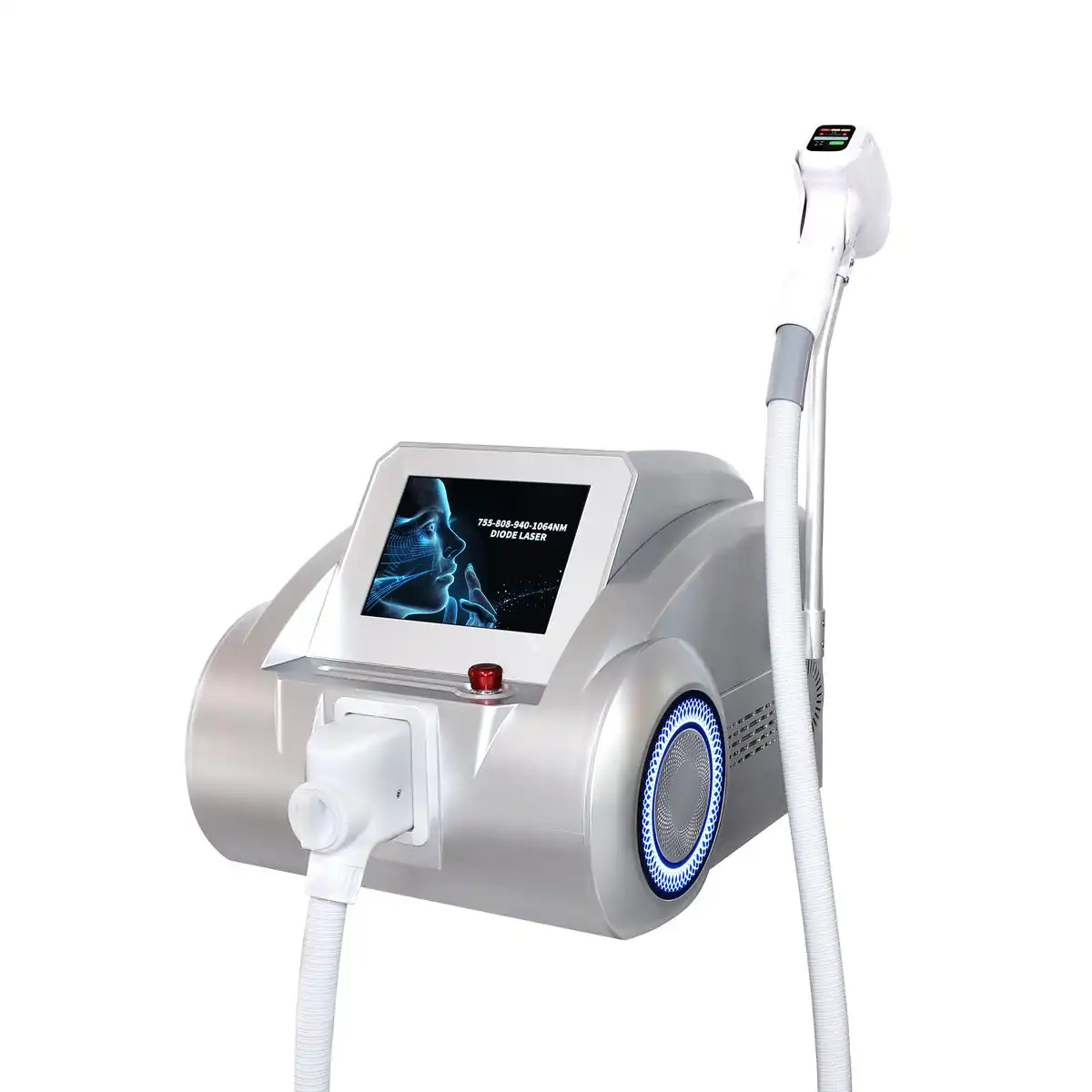
You cannot verify a supplier until you know what class of machine you need, because the questions change with it. A 755/808/1064nm diode platform is verified differently from a HIFU system or a body-contouring device — different handpieces, different consumables, different failure modes.
- The technology: hair removal, lifting, body contouring, skin resurfacing or facial treatment. Each has its own buying guide on this site.
- Your end user: a two-room clinic cares about reliability and training; a distributor cares about margin, spares and documentation.
- Your regulatory route: whether your market requires a local registration holder before the machine can be sold. Check this before you shortlist anything.
Write those three lines down. They become the first section of the brief you send to every supplier, and they make vague answers obvious immediately.
The 30-minute desk check, before you contact anyone
You can eliminate a large share of unsuitable suppliers without a single email:
- Match the name on the website to the name on the business licence. If you are shown a licence with a different company name, you are talking to a trading company — which is not automatically bad, but you should know which one you are dealing with and who signs the invoice.
- Check the address. Search the stated street address. A “factory” whose address resolves to an office tower or a residential block is worth a direct question.
- Check how long the domain and the storefront have existed. A company that claims a decade of export history but has a two-year-old domain deserves a follow-up question, not an accusation.
- Look at who they seem to already sell to. References, exhibition photos and case material tell you more about a supplier’s real market than any self-description.
- Read one product page for factual precision. If the specifications contradict themselves, the quotation will too.
The verification call: what to ask and what to watch
Once a supplier passes the desk check, move to a live video call. Not a recording, not an edited factory tour — a live call where you can ask them to walk somewhere specific.
-
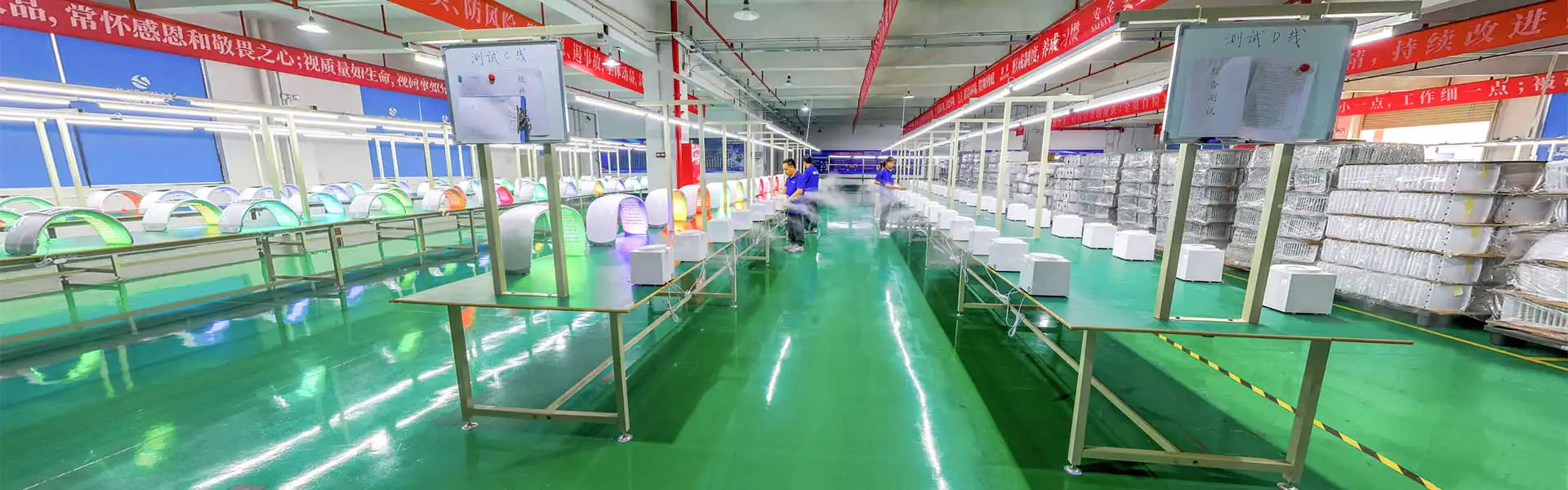
- Ask them to show the production floor and the line your machine is built on. Ask them to switch a unit on, not just stand next to it.
- Ask how many units of your model they build per month. A vague answer is more informative than a big number.
- Ask who does the after-sales technical support — the factory engineer or a separate sales team. Ask for that person’s contact route.
- Ask what happens when a handpiece fails in your market, and how long a replacement realistically takes to reach you.
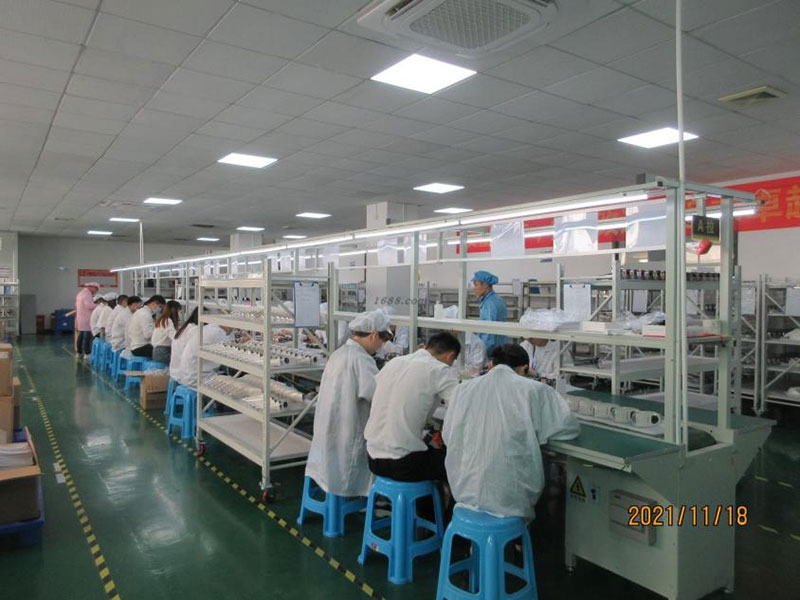
Our own verification details for buyers: 2008year establised, 2000 square meters of owned facilities, 5 production lines.
If you are still comparing technologies, the diode laser wholesale models 755/808/1064, the HIFU wholesale types and price ranges and the RF machine professional types and prices each break down what a credible specification looks like for their category — useful ammunition for the call.
Documents to request by model number
Never ask “are you certified?” Ask for the documents, named by model, and read them:
- CE / RoHS documentation for the exact model you are ordering. A certificate for a different model proves nothing about yours.
- Test reports with checkable report numbers, so your own consultant can confirm them independently.
- Whatever your market’s regulator expects for this device class, asked as “what have other importers submitted?” rather than as a demand.
- The user manual, label artwork and training material in your language — requested before production, not after.
A supplier who hands over model-specific documents and can explain them calmly is a different risk profile from one who replies with marketing language. Whichever answer you get, it is the documents — not the brochure — that your customs broker and your regulator will actually read. For a wider view of what safe operation looks like at the clinic end, see whether beauty devices are safe for everyone.
Factory audits: when to fly out, when to pay a third party
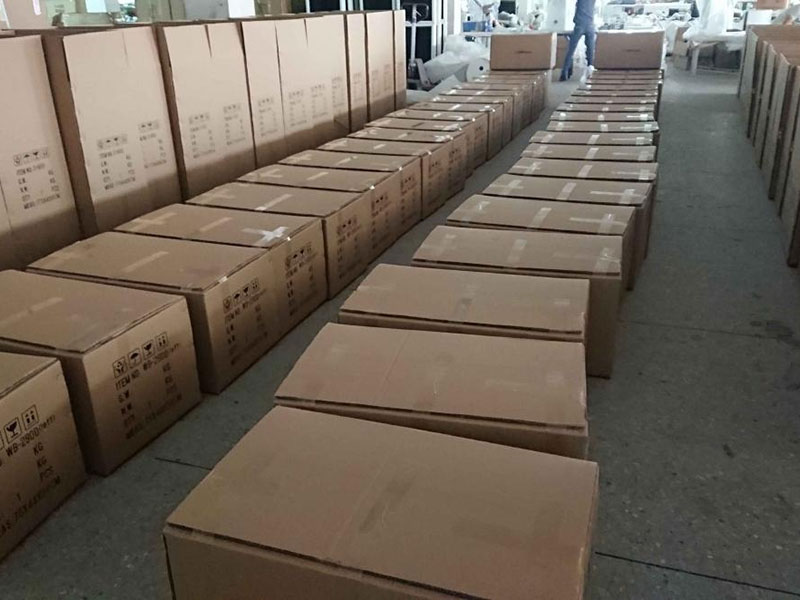
For a first order, a paid third-party inspection is usually better value than a flight. An inspector who visits on your behalf will photograph the line, count the finished units, check the nameplate on the machine against your specification and confirm the packing before the container is sealed.
Fly out yourself when the order is large enough that a full day on site pays for the trip, or when you are signing an exclusive distribution agreement and want to meet the people you will depend on.
For a supplier-side view of the same process, the step-by-step guide to importing beauty machines from China walks through the same sequence from the buyer’s side of the table.
Commercial red flags
- A price far below every other quotation. The cheapest quotation usually has the most expensive spare parts, or a specification that quietly changed between the quote and the crate.
- Bank details that do not match the invoice. The account name must match the company you are contracting with. A mid-order “our bank changed” email is the single most common fraud pattern in this trade — always confirm by calling a number you already had.
- Pressure to pay before anything is in writing. Urgency about a deposit usually means time is short for a reason that is not yours.
- Specifications that shift when you ask twice. Wavelengths, cartridge counts and voltage should not change between messages.
- No spare-parts list. A supplier who cannot price the consumable cannot support you after the sale.
- Refusal of a live video call. There is no legitimate reason for it.
The scorecard: how to rank your shortlist
Score each shortlisted supplier from 1 to 5 on these, and let the total decide rather than the impression from the last nice email:
- Identity confirmed (licence, address, invoice name all match)
- Live factory verification completed
- Model-specific documentation received and readable
- Specification stability across conversations
- Spare parts and consumables priced in writing
- Named technical contact provided
- References in or near your region
- Quotation completeness (Incoterm, packing, lead time all stated)
- Clarity of the warranty scope
- Responsiveness of the person who will actually handle your order
The professional aesthetic equipment wholesale page shows how a factory-direct programme is structured, which is useful as a reference point when you compare the shape of each offer, not just the number at the bottom.
After you sign: keeping the supplier honest
Verification does not end at the deposit. Three habits keep an order on track:
- Freeze the specification in writing — attach it to the purchase order and to the payment record, with wavelengths, handpieces, cartridge count, voltage and packaging all named.
- Ask for dated production photos and a loading video showing your serial numbers and carton count.
- Confirm the after-sales route before delivery, not after the first fault — a named contact, a spare-parts price list and a support channel.
Our warranty scope and spare-parts policy: 1year for the main case, handles depends on differ items. as usual for 3months.
Local reference customers you may contact: same country market recommend popular items.
Technical support and staff training we provide: online Technical Support, operate vedio. user manuals.
If OEM branding is part of your plan, the what OEM/ODM customisation actually covers sets out exactly what the factory needs from you before production starts, and the the OEM/ODM service details summarises the options.
Frequently asked questions
How do I know if a beauty machine supplier is a real factory?
Ask for a live video call from the production floor and have them switch a machine on while you watch. Then match the business licence name, the factory address and the name on the invoice. If all three agree and the call was live, you have done most of the verification that matters.
What documents should a supplier provide before I pay a deposit?
At minimum: the model-specific CE and RoHS documentation with checkable report numbers, a written quotation with the Incoterm and packing details, a spare-parts price list, and the warranty scope. Anything you cannot read or verify is not yet a document, it is a claim.
Is a cheap sample unit a good way to test a supplier?
Yes, provided you fix the specification first and test the sample under real booking pressure for at least a month. Write down what you are testing (energy output, comfort, treatment time, noise, error messages) before it arrives, so the decision is not based on a first impression.
Should I pay for a third-party factory inspection?
For a first bulk order, it is usually the cheapest insurance available. An inspector confirms the line, counts the finished units, checks the nameplate against your specification and signs off the packing before the container is sealed.
What are the biggest red flags when vetting a supplier?
Bank details that do not match the invoice, a price far below every other quotation, refusal of a live video call, specifications that change between messages, and the absence of any spare-parts pricing.
Can I visit the factory myself?
Yes, and for a large first order or an exclusivity agreement it is worth the trip. Ask for a full day on site, and ask to see the units currently in production for other buyers — not only the showroom.
Next step
If you already know which machine class you need, send your configuration and target market and ask for written answers to the checklist above. Browse the full LANGWEN equipment catalogue, read why buyers source from China, look at our factory and team, or ask for a wholesale quotation.
Sourcing for your salon or distribution business?
Tell us the machine types and target quantity — we reply with factory-direct pricing, lead time and available export documents.