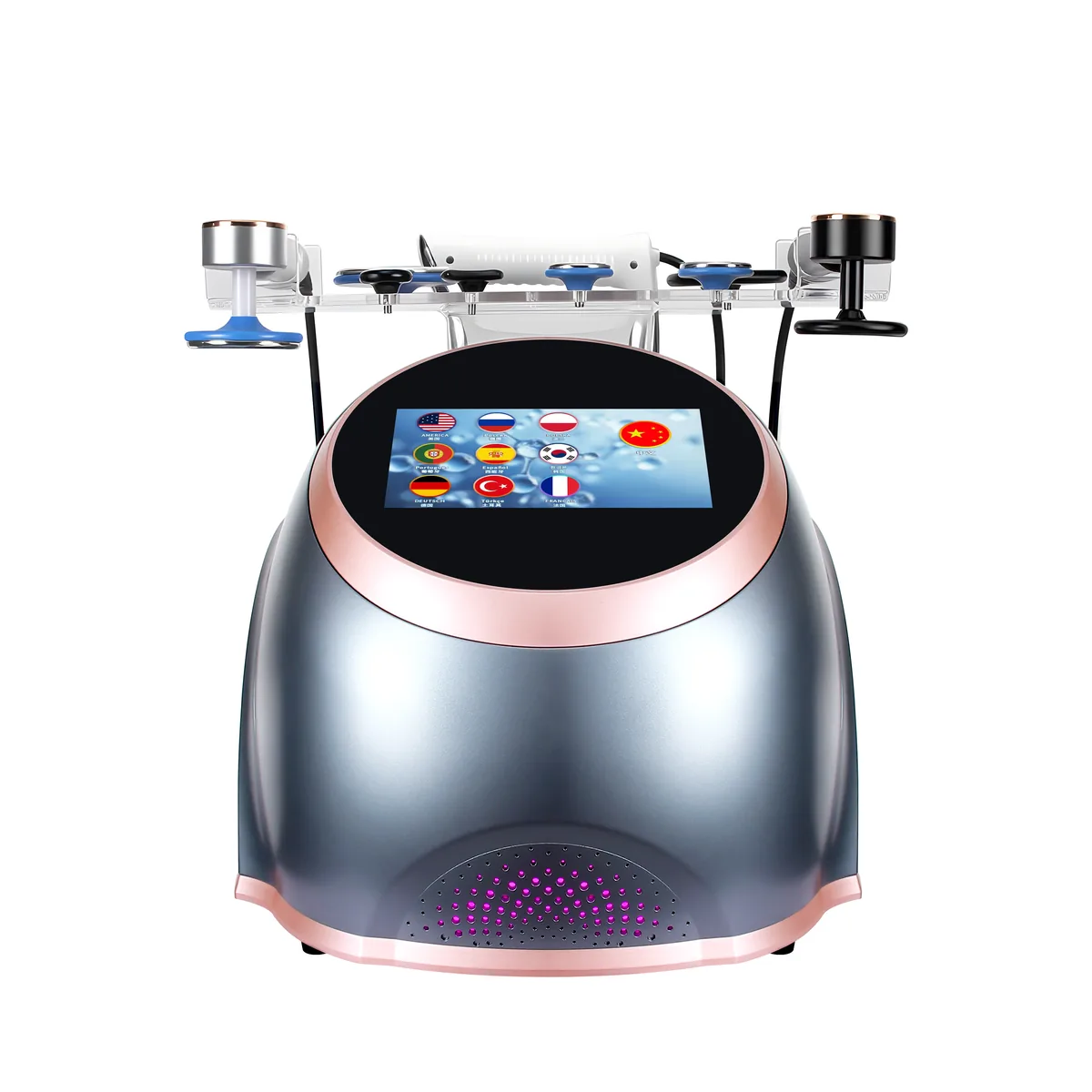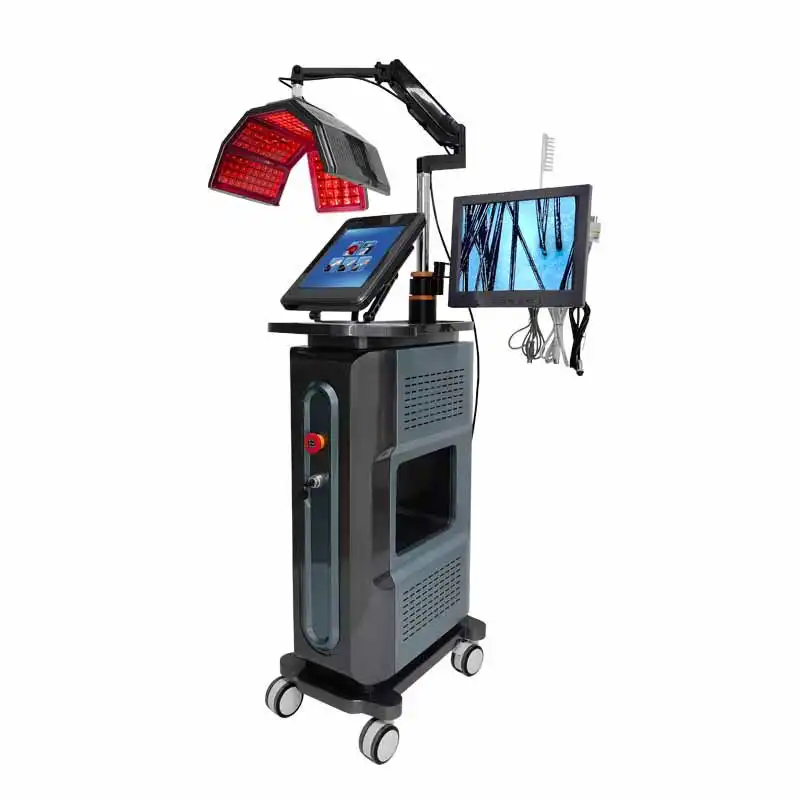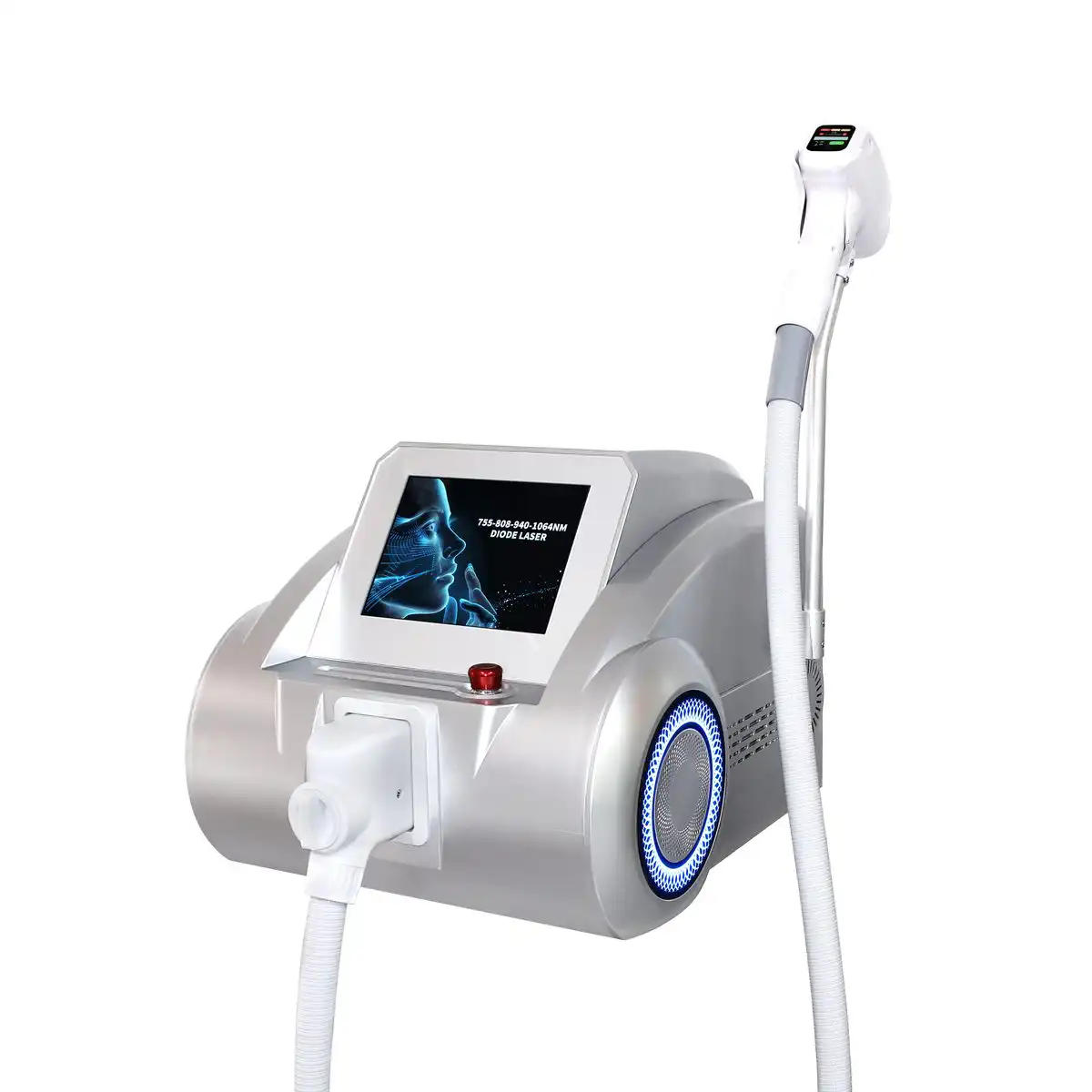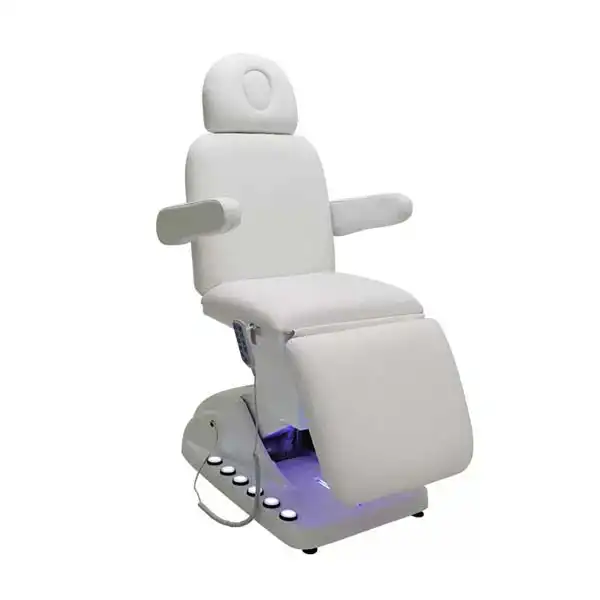
Why most professional beauty equipment is built in China
If you are sourcing equipment for a clinic, a salon chain or a distribution business, the question is rarely whether your machine will come from China — it is whether you can import one without losing money, time or your clients’ trust. China builds the large majority of the world’s professional aesthetic equipment, and factory-direct purchasing is where a distributor’s margin lives. The beauty machine wholesale & OEM guide covers the product side in detail; this article covers the process itself, from verifying a supplier to clearing your first container.
Importing is not complicated because of customs paperwork. It is complicated because most first-time buyers ask the wrong questions in the wrong order — price first, verification last. Below is the sequence that experienced importers actually follow.
Before you contact anyone: define the machine class and your market
Suppliers quote very differently depending on what you say you want. “I want to buy beauty machines” gets you a catalogue PDF. “I need a 755/808/1064nm diode platform for a 2-room clinic in Colombia, with CE and RoHS documentation and an OEM logo” gets you a real quotation.
So decide three things first:
- The technology — hair removal, body contouring, lifting, skin resurfacing or facial treatment. Each has its own pillar on this site.
- The buyer you are selling to — a two-room clinic needs reliability and training; a distributor needs margin, spare parts and documentation.
- Your regulatory route — some markets release equipment on arrival documents, others require a local registration holder. That single difference can change which machine you should buy, so check it before you fall in love with a model.
Step 1 — Verify the manufacturer, not the website
Every supplier looks identical online. The differences appear when you ask for things that are expensive to fake.
- Ask for a live video call from the production floor — not a pre-recorded factory tour. Ask them to walk to a specific machine and switch it on.
- Ask for the business licence and the factory address — a trading company and a manufacturer quote differently, and you should know which one you are talking to.
- Ask for two customers in your region you may contact.
- Ask who signs the invoice — the name on the invoice must match the name on the bank account.
A supplier who invites a factory visit or a live video audit is a different risk profile from one who answers with a brochure. Factory verification: Guangzhou City, China
Step 2 — Certifications and documentation to request in writing
Do not ask “are you certified?” Ask for the documents, by model number:
- CE / RoHS documentation for the exact model you are ordering — a certificate for a different model proves nothing about yours.
- Test reports with checkable report numbers, so your own regulatory consultant can confirm them.
- The technical file your market requires. If you sell into a market with a medical-device regulator, ask what other importers have submitted for this class of device.
- The user manual, training material and label artwork in your language, before production starts — not after.
A supplier who can hand you model-specific documentation and explain it calmly is a different risk profile from one who answers with marketing language. Whatever you are told, the documents — not the brochure — are what your customs broker and your regulator will look at.
Step 3 — Order a sample unit before volume
This is the step first-time importers skip, and it is the most expensive one to skip. A sample unit lets you test the machine on real clients, time a treatment, listen to the handpiece, check the screen software and confirm that the delivered unit matches the specification you agreed.
Two practical rules: test the sample for at least a month under real booking pressure, and write down what you are testing before it arrives (energy output, comfort, treatment time, noise, error messages). Opinion after a month of use is worth more than any specification sheet.
Sample lead time to plan for: 3days.
Before you commit to volume, it is worth understanding how the technology you chose actually earns money — the diode laser hair removal machine wholesale guide and the HIFU machine wholesale guide both break down price tiers and treatment economics for their category.
Step 4 — Pricing, payment terms and what to fix in writing
Machine price is only one line in the total cost. The others are shipping, import duty, spare parts, and the cost of a machine that stops earning. Ask for a quotation that separates:
- unit price for your exact configuration (wavelengths, cartridge set, handpieces, voltage)
- packaging and loading cost, and the Incoterm you are quoted — FOB and CIF are not comparable numbers
- spare parts and consumables, priced separately and in writing
- warranty scope: which parts are covered, for how long, and who pays return freight
- OEM / branding cost per unit, if you are selling under your own label
Payment terms that most buyers negotiate: 30% deposit, 70% banlance before delivery .
Whatever the terms, protect yourself with three habits: pay the deposit to the account named on the invoice, insist the specification you agreed is written into the contract or the PI, and keep the balance tied to something you can verify (a loading video, a bill of lading, an inspection report).
Step 5 — Shipping, container loading and lead times
For a first order, LCL is normal; from roughly half a container onward, ocean freight is cheaper and better protected. Ask your supplier for the packed dimensions and gross weight of each unit before you calculate freight — volumetric weight decides the price, not the machine size on a brochure photo.

Request a loading video showing your serial numbers and carton count. It costs the supplier nothing and removes the most common argument in international trade.
Bulk lead time and loading capacity for your configuration: 20ft/40HQ about 25-30days mass production.
Step 6 — Customs clearance and import duties in your market
Your supplier controls the export side; your customs broker controls the import side. Get a customs classification code for the machine before you order, and confirm with your broker what duty and tax applies, whether any licence is needed, and whether the equipment falls under a regulator in your country.
Three documents to have ready before the container arrives: the commercial invoice matching the agreed specification, the packing list, and the certificate documentation for the model. Missing paperwork is what turns a two-day clearance into a three-week one — and storage fees are charged by the day.
Step 7 — After-sales, spare parts and training
The real cost of a cheap machine is the month it spends waiting for a part. Before you pay, agree in writing:
- which spare parts you will hold locally (at minimum one handpiece or cable per machine type)
- the fixed price of the most common consumable, so you can price your own service correctly
- response time and the route for technical support — a named contact, not a general inbox
- staff training: operation video, manual in your language, and a live call for first setup

After-sales commitments for our own orders: 1year for the main case, parts not included. lifetime technology support.
If you are comparing technologies before ordering, the RF machine wholesale guide and the hydrodermabrasion machine wholesale guide cover the tightening and facial categories at the same level of detail.
Common mistakes first-time importers make
- Buying on price alone. The cheapest quotation usually has the most expensive spare parts.
- Comparing FOB with CIF. The two numbers are not the same thing; convert both to landed cost before deciding.
- Accepting a certificate for a different model. Ask for the model you are buying, by name.
- Skipping the sample. One month of testing is cheaper than one container of the wrong machine.
- No written specification. Verbal agreement about handpieces, cartridges and voltage is how disputes start.
- Forgetting the local regulatory route. A machine that cannot be registered in your market cannot be sold in your market.
Frequently asked questions
How long does it take to import beauty machines from China?
Production usually runs from a few days for a sample unit to two to three weeks for a bulk order, depending on configuration and whether OEM branding is included. Ocean freight then adds roughly three to six weeks depending on destination and routing, plus customs clearance. Ask for a written delivery date rather than a range on a website.
Do I need to pay the full amount before shipping?
Normally no. A deposit to start production and the balance against a document you can verify (a loading video, a bill of lading or an inspection report) is the usual structure. The exact split depends on order size and the relationship — agree it in writing before you pay anything.
What documents should come with the machine?
Ask for the commercial invoice, packing list, model-specific CE and RoHS documentation with checkable report numbers, the user manual in your language, and the loading video. If your market has a medical-device regulator, ask what other importers have submitted for this device class.
Can I put my own brand on an imported beauty machine?
Yes. Logo printing, housing colour, startup screen, software language, packaging and manuals can all be customised, and most manufacturers price it per unit. See our OEM/ODM customisation guide and the OEM/ODM service page for what the factory needs from you before production starts.
How do I pay safely?
Pay to the account named on the invoice, keep a written specification attached to the payment, and never wire money to an account belonging to a third party. If the bank details change mid-order, call a number you already had — not the one in the new email.
What happens if the machine arrives damaged or faulty?
Photograph the packaging before opening and unbox on video. Repair or replacement terms, and who pays return freight, should already be in your written agreement — which is why warranty scope is negotiated before deposit, not after arrival.
Next step
If you already know which machine class you need, the fastest route is to send your configuration and target market for a written quotation with specifications, documentation list and delivery date. Browse our full equipment range, check the diode laser hair removal category, or request a wholesale quotation. You can also read more about our factory and team.
Sourcing for your salon or distribution business?
Tell us the machine types and target quantity — we reply with factory-direct pricing, lead time and available export documents.