At Home Laser Lipo Machine: Technology, Price & Buying Guide
If you are sourcing an at home laser lipo machine for a beauty brand, distributor business, salon, spa, or private-label project, choosing the right equipment requires more than comparing the lowest price.
Laser lipo machines are designed for non-invasive body contouring applications using low-level laser technology. For B2B buyers, important factors include laser wavelength, number of treatment pads, output configuration, treatment modes, certifications, OEM options, MOQ, and supplier experience.
This guide explains how at home laser lipo machines work, what specifications to compare, how pricing is determined, and what distributors should ask a manufacturer before placing an order.
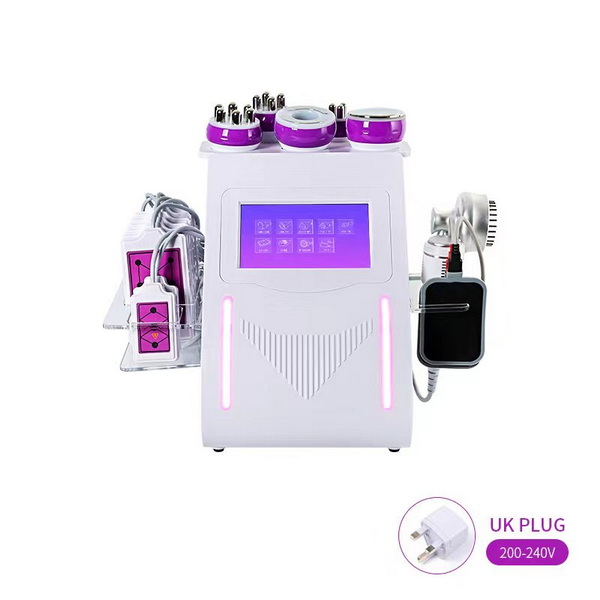
What Is an At Home Laser Lipo Machine?
An at home laser lipo machine is a compact body-contouring device designed for convenient use outside traditional clinical environments.
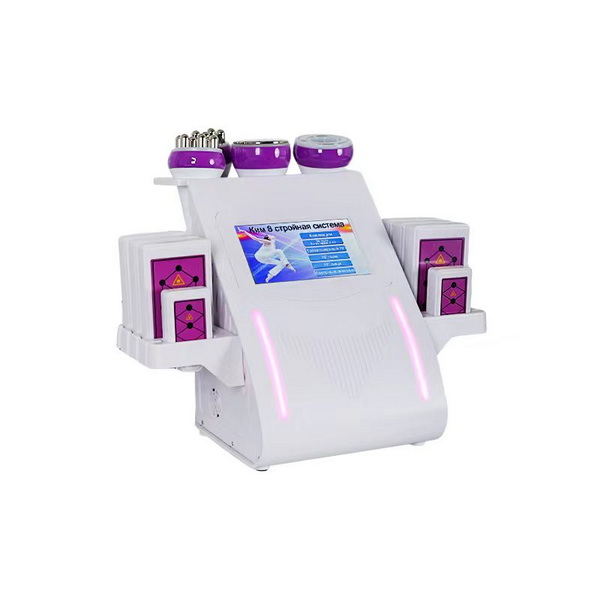
These systems typically use low-level laser technology and flexible treatment pads to deliver light energy to targeted body areas.
Compared with larger professional body-contouring equipment, home-use models generally focus on compact design, simple operation, and easy positioning.
For distributors and private-label brands, the key consideration is not only whether a machine is marketed for home use, but also whether its technical configuration, documentation, and intended market comply with the regulations of the destination country.
How Does At Home Laser Lipo Technology Work?
Low-level laser technology uses specific wavelengths of light for aesthetic body-contouring applications.
The laser energy is delivered through treatment pads positioned on selected areas of the body.
The exact wavelength, output, treatment duration, and operating parameters depend on the specific machine configuration.
For B2B buyers, these technical specifications should always be confirmed with the manufacturer rather than relying only on general marketing descriptions.
At Home Laser Lipo vs. Traditional Liposuction
At-home laser lipo equipment is fundamentally different from surgical liposuction.
| Feature | At Home Laser Lipo | Traditional Liposuction |
|---|---|---|
| Procedure type | Non-invasive | Surgical |
| Incisions | No | Yes |
| Anesthesia | Generally not required for the device itself | Required depending on procedure |
| Equipment | Laser-based device | Surgical equipment |
| Intended setting | Home or aesthetic applications depending on device | Medical setting |
| Recovery | Generally minimal | Requires recovery |
| Equipment investment | Lower | Not applicable to equipment purchase |
At-home laser lipo machines should not be marketed as equivalent to surgical liposuction. They are designed for different applications and should be positioned according to their actual specifications and regulatory status.
How Does an At Home Laser Lipo Machine Work?
The basic operating process depends on the machine design, but most systems follow a similar workflow.
Step 1: Select the Treatment Area
Treatment pads are positioned on the intended body area according to the manufacturer’s instructions.
Common areas may include the abdomen, waist, thighs, arms, or other areas intended for body-contouring applications.
Step 2: Position the Laser Pads
The treatment pads are placed securely against the body.
The number and configuration of pads can vary significantly between different laser lipo machines.
Step 3: Set the Treatment Parameters
The operator selects the appropriate treatment time and energy settings according to the device’s operating instructions.
Professional buyers should verify whether the machine offers adjustable parameters or preset treatment programs.
Step 4: Complete the Treatment
The device delivers laser energy through the treatment pads for the selected duration.
Treatment protocols should always follow the manufacturer’s instructions and applicable local regulations.
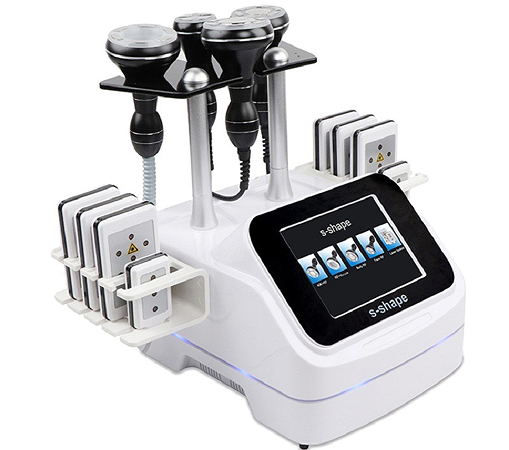 Key Features of an At Home Laser Lipo Machine
When comparing different laser lipo machines for home use, buyers should evaluate the complete technical configuration rather than focusing on one specification.
Laser Wavelength
Laser wavelength is one of the most important technical specifications.
Ask the manufacturer:
- What wavelength does the machine use?
- Is the wavelength fixed or configurable?
- What is the output power?
- How many laser diodes are used?
- Is wavelength documentation available?
Do not compare machines only by the number of wavelengths. The actual output configuration and product documentation are equally important.
Number of Laser Pads
The number of treatment pads affects the treatment coverage and overall product configuration.
Possible configurations may include:
- 4 laser pads
- 6 laser pads
- 8 laser pads
- Multiple flexible treatment pads
For distributors, machines with different pad configurations can be positioned for different market segments.
Laser Output and Energy
Laser output should be clearly specified by the manufacturer.
Ask suppliers to provide:
- Laser wavelength
- Output power
- Number of laser diodes
- Energy parameters
- Treatment duration
- Control method
This information allows buyers to make a more accurate comparison between suppliers.
Treatment Modes and Timer Settings
A user-friendly control system can make the machine easier to operate.
Depending on the model, features may include:
- Adjustable treatment time
- Preset programs
- Digital display
- Independent pad control
- Energy adjustment
- Automatic timer
For private-label products, the control interface may also be customized depending on the manufacturer’s capabilities.
Machine Design and Portability
For home-use equipment, compact design is an important selling point.
Buyers should consider:
- Machine dimensions
- Machine weight
- Treatment pad flexibility
- Cable length
- Storage requirements
- Display design
- Packaging dimensions
For distributors selling through e-commerce or retail channels, shipping size and packaging design can also directly affect logistics costs.
At Home Laser Lipo Machine vs. Professional Lipo Laser Machine
Home-use and professional laser lipo systems can share similar technology concepts, but their intended applications and configurations may be different.
| Feature | Home-Use Model | Professional Model |
|---|---|---|
| Design | Compact | Professional equipment design |
| Operation | Simplified | More parameter control |
| Treatment area | Smaller | Larger |
| Treatment pads | Limited configuration | Multiple configurations |
| User | Home user depending on product classification | Trained professional |
| Customization | Usually limited | OEM/ODM options |
| Price | Generally lower | Generally higher |
For B2B buyers, the correct choice depends on the target market.
A distributor selling directly to consumers may prioritize compact design and simple operation, while a professional beauty-equipment distributor may prefer a larger system with more treatment options.
At Home Laser Lipo Machine Price: What Affects the Cost?
The at home laser lipo machine price can vary considerably depending on the machine configuration.
The main factors include:
Laser Configuration
The number of laser diodes, wavelength configuration, output, and treatment-pad design can affect the manufacturing cost.
Number of Treatment Pads
A machine with more treatment pads generally requires a more complex configuration and may have a higher price.
Control System
Touchscreen displays, independent pad controls, preset programs, and adjustable parameters can affect the final quotation.
Machine Housing and Materials
Housing design, materials, buttons, displays, cables, and other components also influence production costs.
Accessories
The final price may include different accessories depending on the supplier’s standard package.
Always ask whether the quotation includes:
- Treatment pads
- Cables
- Power supply
- User manual
- Protective accessories
- Spare parts
- Packaging
OEM Customization
Private-label projects can include:
- Logo printing
- Product color
- Packaging
- User manual
- Labels
- Accessories
- Customized interface
The final OEM price and MOQ depend on the level of customization.
How to Choose an At Home Laser Lipo Machine
Choosing the right machine requires both technical and commercial evaluation.
Check the Laser Specifications
Before purchasing, request the complete laser specification.
At minimum, confirm:
- Wavelength
- Output power
- Number of laser diodes
- Number of treatment pads
- Treatment time
- Energy settings
Compare Treatment Pad Configuration
Do not assume that more pads automatically mean better performance.
Compare the actual pad design, flexibility, coverage, cable configuration, and replacement cost.
Verify Product Documentation
Ask the manufacturer for applicable product documentation for your target market.
Depending on the market and product classification, documentation may include:
- CE-related documentation
- EMC documentation
- Electrical safety documentation
- Test reports
- User manual
- Product specifications
Certification claims should always be verified for the specific model being purchased.
Evaluate Manufacturer Experience
For distributors and private-label brands, supplier experience can be as important as the machine specification.
Ask:
- How long has the manufacturer been producing beauty equipment?
- Which countries does the company export to?
- Can the supplier provide OEM/ODM services?
- Are spare parts available?
- Can the supplier provide product videos and technical documents?
- What is the production lead time?
For buyers looking for a broader selection of professional aesthetic equipment, you can also explore the Professional Microneedling Systems category to compare different equipment configurations.
Ask About Spare Parts and After-Sales Support
Before placing a wholesale order, confirm the availability of replacement parts.
Useful spare parts may include:
- Treatment pads
- Cables
- Power supplies
- Handheld controllers
- Fuses
- Control boards
A reliable spare-parts supply can reduce downtime and make long-term distribution easier.
At Home Laser Lipo Machine Wholesale & OEM
For distributors, wholesalers, and private-label brands, purchasing directly from a manufacturer can provide more control over product configuration and branding.
Wholesale Pricing
Wholesale pricing usually depends on:
- Order quantity
- Machine configuration
- Packaging
- Accessories
- Destination market
- OEM requirements
Request a complete quotation instead of comparing unit prices alone.
MOQ
MOQ can vary according to the product model and customization requirements.
For standard products, the MOQ may be lower than for fully customized OEM projects.
Always confirm the MOQ for both the standard machine and the customized version.
Private Label and Logo Customization
OEM projects may include:
- Brand logo
- Product color
- Packaging
- Product labels
- User manual
- Marketing materials
For a first order, using an existing mature platform with customized branding can often be more efficient than developing a completely new machine.
OEM/ODM Development
ODM customization may involve changes to the product configuration, appearance, accessories, or user interface.
For larger projects, buyers should discuss:
- Product requirements
- Target market
- Certification requirements
- Prototype or sample
- Packaging
- Production schedule
- Quality-control standards
Who Can Buy At Home Laser Lipo Machines?
Although the product is designed for home-use positioning, B2B buyers can include several types of businesses.
Beauty Equipment Distributors
Distributors can add laser lipo equipment to an existing body-contouring product portfolio.
Beauty Salons and Spas
Depending on the product classification and local regulations, salons and spas may use suitable laser-based body-contouring equipment as part of their service portfolio.
Private Label Brands
Beauty brands can use OEM services to launch their own branded body-contouring equipment.
Online Beauty Equipment Retailers
Compact laser lipo machines may also be suitable for online retail channels, depending on the target market and regulatory requirements.
Laser Lipo vs. Other Body Contouring Technologies
Laser lipo is only one option within the professional body-contouring equipment market.
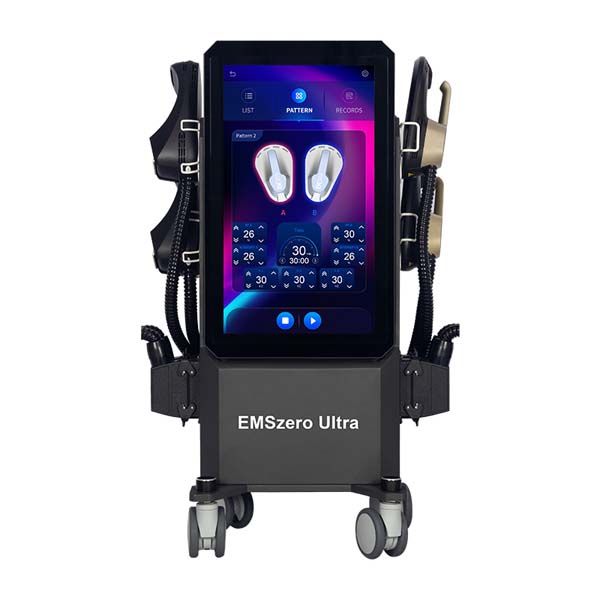
Distributors may also compare it with technologies such as ultrasonic cavitation, RF, and EMS.
For example, an Ultrasonic Cavitation Beauty Machine combines cavitation with additional body and facial treatment functions and may be suitable for distributors looking for multifunction equipment.
When comparing technologies, buyers should evaluate the actual technical specifications, intended applications, target market, and local regulatory requirements rather than comparing marketing claims alone.
What Should You Ask a Laser Lipo Machine Manufacturer?
Before requesting a quotation, prepare a detailed RFQ.
Ask the manufacturer:
- What laser wavelength does the machine use?
- What is the laser output power?
- How many laser pads are included?
- How many laser diodes are used?
- What treatment modes are available?
- What is the standard package?
- What certifications and test reports are available?
- What is the sample price?
- What is the wholesale MOQ?
- What is the OEM MOQ?
- Can the logo and packaging be customized?
- What is the production lead time?
- Are spare parts available?
- What technical support is provided?
Providing this information in your initial RFQ can help manufacturers give you a more accurate quotation.
At Home Laser Lipo Machine Buying Checklist
Technical Specifications
- Laser wavelength
- Laser output
- Number of laser diodes
- Number of treatment pads
- Treatment area
- Treatment time
- Energy adjustment
- Control system
Safety and Compliance
- Applicable CE documentation
- EMC documentation
- Electrical safety documentation
- Test reports
- User manual
- Product labeling
Commercial Terms
- Sample price
- Wholesale price
- MOQ
- OEM MOQ
- Packaging options
- Production lead time
- Spare parts
- Technical support
Frequently Asked Questions About At Home Laser Lipo Machines
Do At Home Laser Lipo Machines Work?
At-home laser lipo machines are designed for non-invasive body-contouring applications using low-level laser technology. Actual performance and results depend on the specific device, operating parameters, treatment protocol, and individual factors.
How Much Does an At Home Laser Lipo Machine Cost?
The price depends on the laser configuration, number of treatment pads, output, control system, accessories, packaging, certifications, and OEM requirements.
For wholesale buyers, it is important to compare the complete machine configuration rather than the unit price alone.
What Wavelength Does a Lipo Laser Machine Use?
Different machines may use different laser wavelengths and configurations. Buyers should request the exact wavelength and output specifications from the manufacturer before purchasing.
Can I Buy At Home Laser Lipo Machines Wholesale?
Yes. Beauty equipment distributors, wholesalers, private-label brands, and online retailers can source suitable laser lipo machines from manufacturers.
Wholesale terms depend on the product model, order quantity, customization requirements, and target market.
What Should I Ask an At Home Laser Lipo Machine Manufacturer?
Ask about laser wavelength, output, treatment-pad configuration, certifications, MOQ, OEM options, packaging, production lead time, spare parts, and technical support.
Why Choose a Professional Beauty Equipment Manufacturer?
When sourcing laser lipo equipment, working directly with an experienced manufacturer can provide advantages in product consistency, customization, technical documentation, and long-term supply.
For buyers looking to build a broader body-contouring equipment portfolio, it can also be useful to compare laser lipo with other technologies such as cavitation, RF, and EMS body-shaping systems.
A supplier with multiple body-contouring technologies can provide more flexibility when developing a complete product line.
Conclusion
Choosing the right at home laser lipo machine requires more than comparing prices.
Distributors, wholesalers, salons, spas, and private-label brands should evaluate the laser wavelength, output configuration, treatment pads, control system, documentation, certifications, OEM options, MOQ, and supplier support.
The best machine is not necessarily the cheapest model. A reliable configuration, consistent manufacturing quality, suitable documentation, attractive packaging, and dependable technical support can be more important for long-term B2B sales.
The right supplier should be able to provide complete technical specifications, product documentation, OEM/ODM support, and stable long-term supply.
If you are sourcing an at home laser lipo machine for wholesale, OEM, or private-label distribution, request the complete technical specification, MOQ, certification documents, and quotation before placing an order.
Related reading: Why a Beauty Slimming Machine is Best for Non-Invasive Fat Loss.