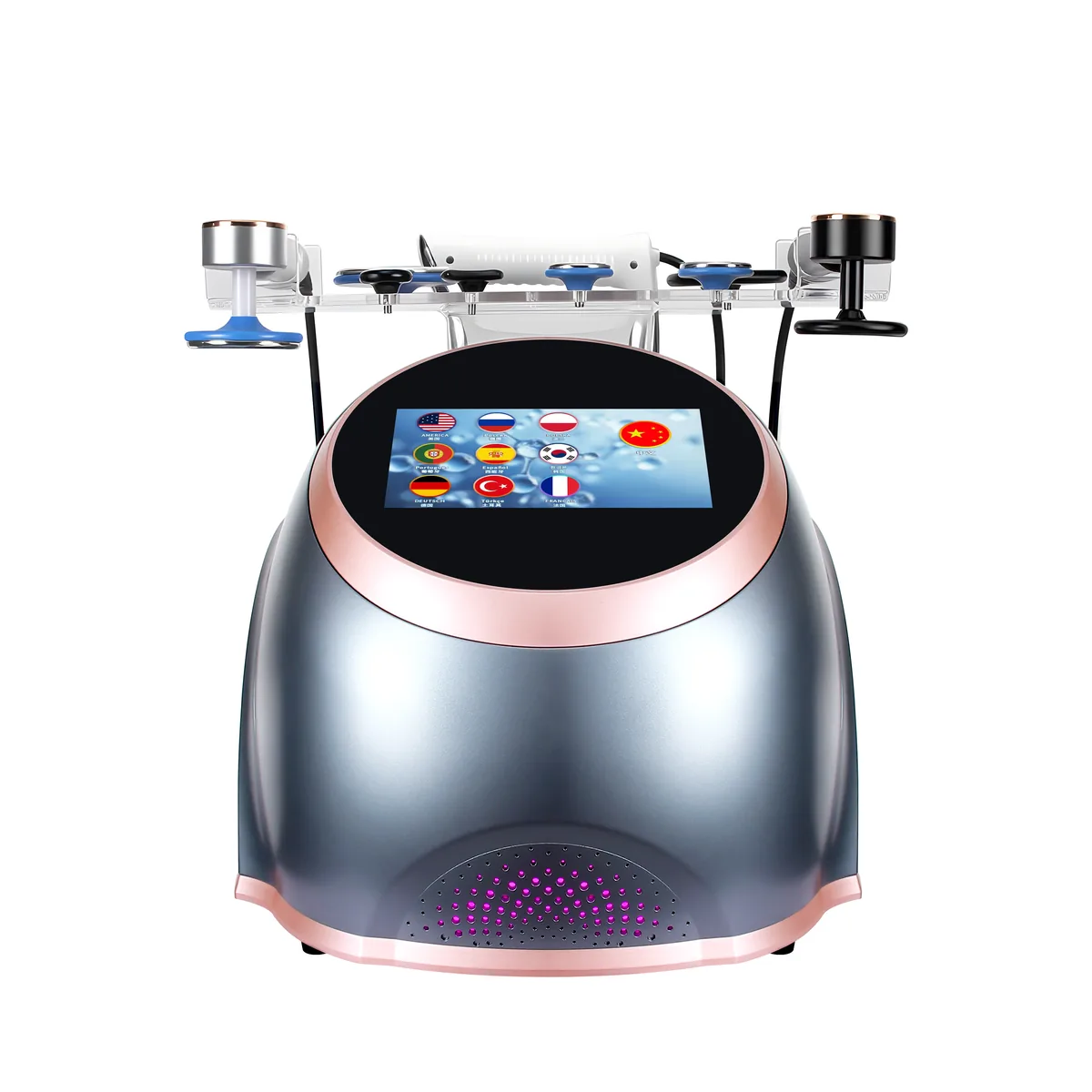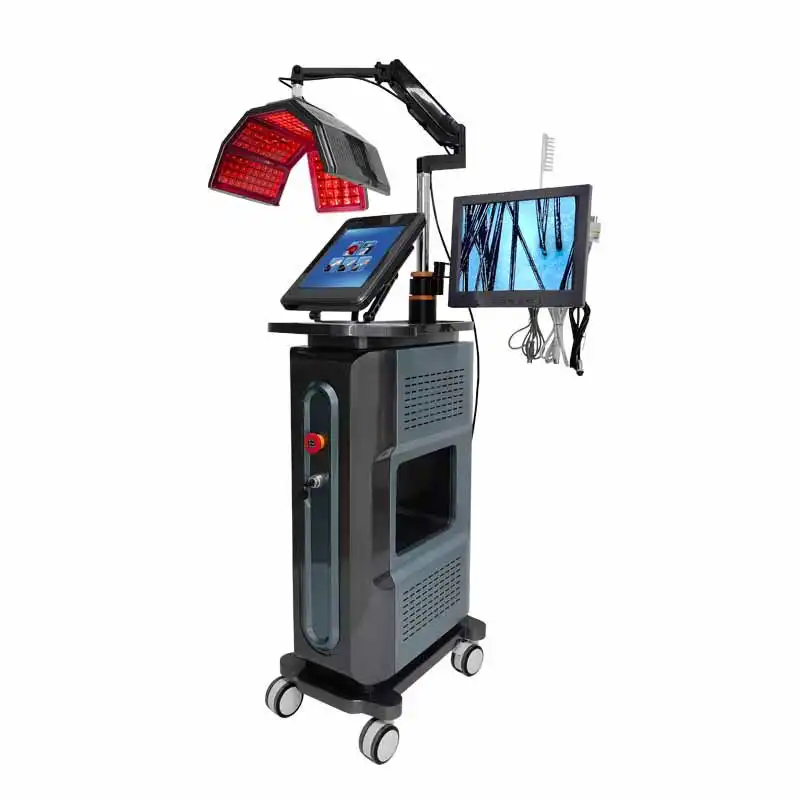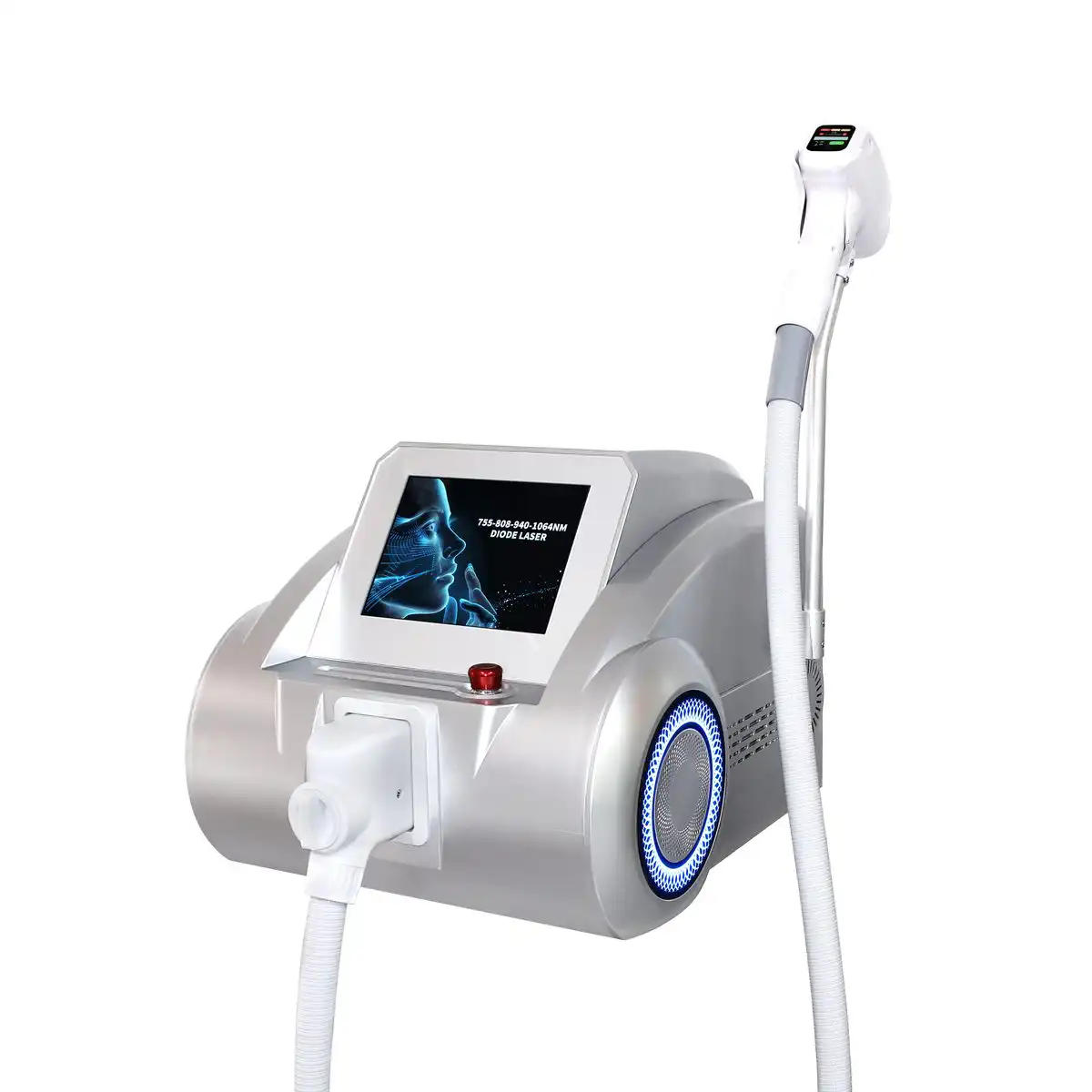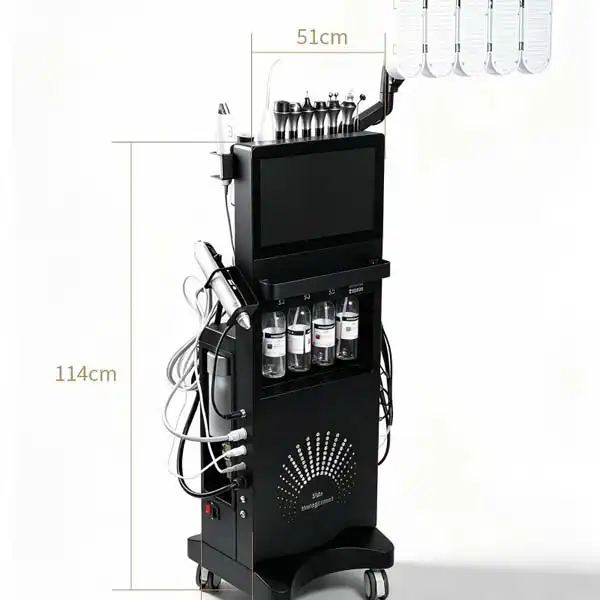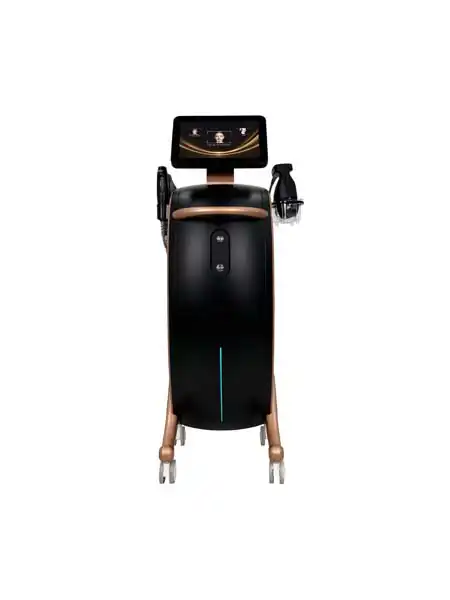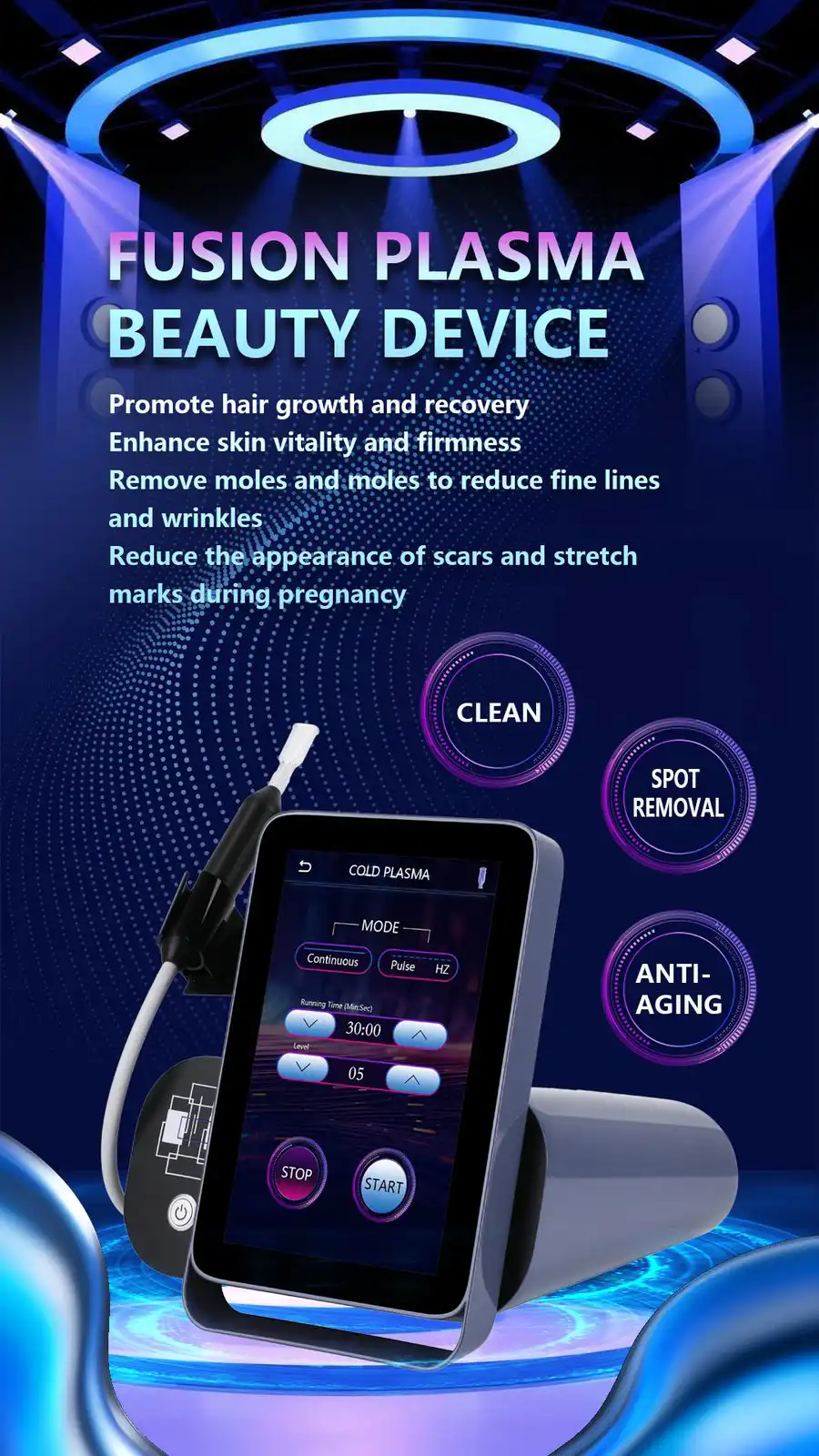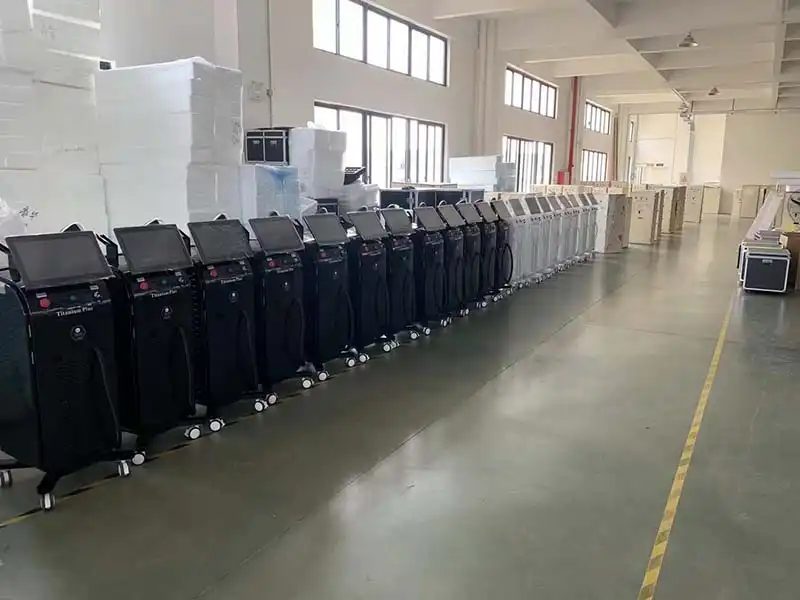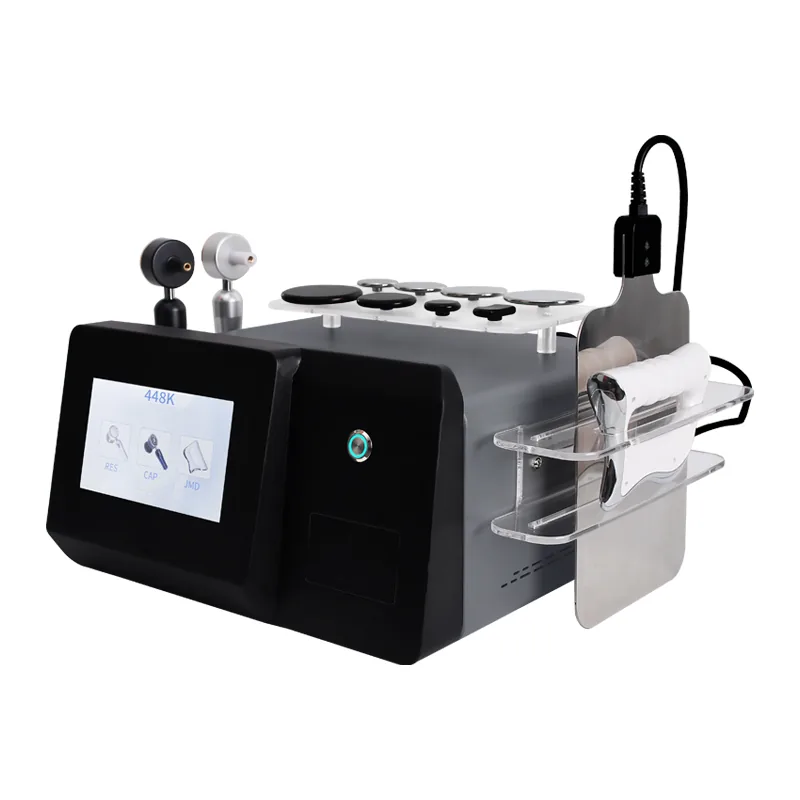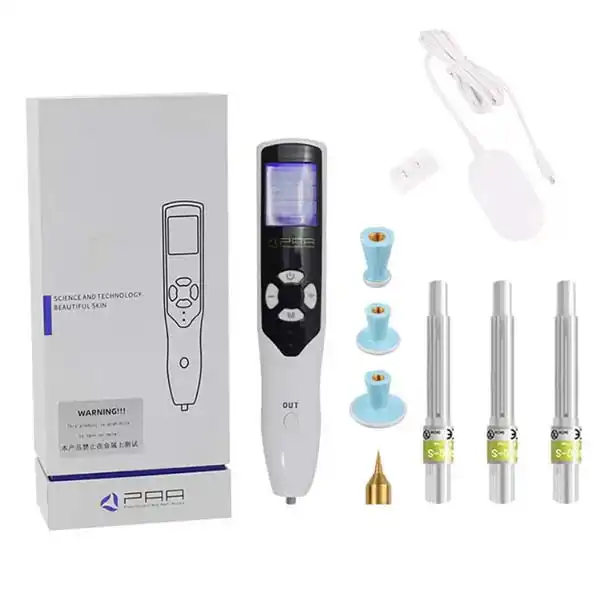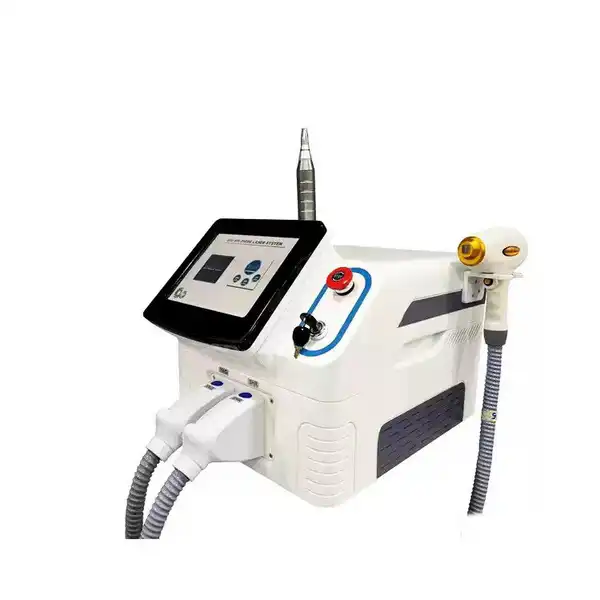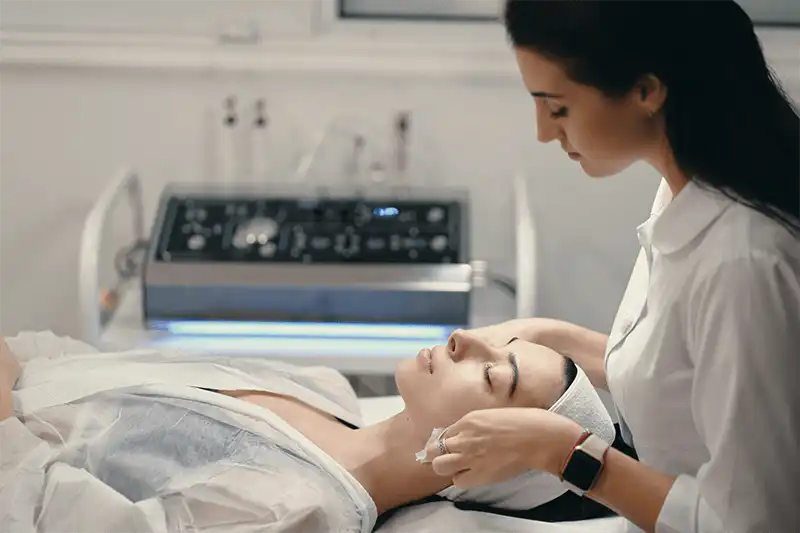
Both machines are called “plasma”, both come in a pen-sized handpiece, and both are sold into the same treatment rooms. The difference is not a setting — it is two different mechanisms of action, two different treatment menus, and two very different conversations with your client about healing.
One Difference Explains Everything
Plasma is ionised gas. What changes between the two devices is how much energy is pushed into the skin surface and how long it stays there. Cold plasma keeps surface temperature near body temperature and works with the electrical and reactive properties of the plasma itself. Hot plasma concentrates energy into a tiny point, deliberately damaging the surface so the skin remodels as it heals.
Everything else — the equipment, the client, the price, the aftercare — follows from that one sentence.
How Cold Plasma Works
Cold plasma kills surface bacteria, reduces inflammation and temporarily increases how much of a product the skin takes in. It does not wound the skin, so there is no scabbing and no downtime worth mentioning. Common treatment menus:
- Acne and acne-prone skin: sessions combined with extractions and a calming mask.
- Product penetration: a plasma step before a serum or mask, which is an easy upgrade to sell on top of an existing facial.
- Sensitive, reactive or post-treatment skin: often chosen when clients cannot tolerate stronger devices.
- Scalp care: a growing use case in the same category.
Relative to most aesthetic devices, the consumable cost is low: main spend is the handpiece tip, used over many sessions.
How Hot Plasma (Plasma Pen / Arc) Works
The handpiece creates controlled micro-points of surface damage. As they heal, the skin contracts, which is why hot plasma is used for eyelid tightening, upper lip lines, fine lines, and small skin tags or fibrous areas. There is a visible healing period — small dots that scab and drop off over days. That outcome is exactly why the treatment sells, and exactly why it demands a straight conversation with the client and proper training for whoever holds the pen.
Side-by-Side Comparison
| Factor | Cold plasma | Hot plasma (plasma pen) |
|---|---|---|
| Skin surface | Not damaged | Controlled micro-points |
| Typical goal | Cleanse, calm, absorb | Tighten, resurface |
| Downtime | Minimal | Days of visible healing |
| Session length | Short, easy to add to a facial | Longer; precise work |
| Client conversation | “No downtime” | “This is the healing, here is the aftercare” |
| Staff training | Low barrier | Must be trained properly |
| Best for | Salons expanding facials | Clinics with lift expectations |
Which One Your Clients Are Actually Asking For
Look at your existing bookings. If most of your revenue is facials, facials with add-ons, and skincare, cold plasma fits the menu you already run and needs no new conversation. If clients arrive asking for “something that lifts” and compare you with clinics offering thread lifts or HIFU, then hot plasma answers a demand you are currently turning away.
Can One Machine Do Both?
Some units offer both modes with different tips. Verify three things before assuming you are buying two treatments: which tips are included, whether the two modes use genuinely different output, and what you will be reordering every few months. A cheaper “dual mode” machine that shares the same tipped output is not two products.
What our dual-mode configuration includes and how the tips are supplied: Tip and handpiece sets are matched to the model, so the included tips differ between a hot-plasma pen and a dual-mode station. We confirm the exact tip set, the reorder price list and the replacement interval for the model you choose before you order. Tips are changed as they wear; if a handpiece fails it can be replaced, with our technical team guiding the swap online.
What to Check Before You Buy
- Tip and consumable supply. Ask for the reorder price list on day one, not after your first busy month.
- Power stability and safety cut-offs. Plasma output should be consistent session to session; ask how the device regulates it.
- Where the handpiece is made and serviceable. Heat and repeated use wear out handpieces first.
- Aftercare documentation. For hot plasma, written aftercare instructions protect both you and your client.
- Training material in your language. Protocol sheets and a video are worth more than a certificate.
Warranty and spare parts: The main unit carries a 12-month warranty. Handpieces, tips and other consumables are generally not covered by the warranty, and damage from improper use is not covered. Replacement handpieces and tips are supplied for the models we ship — the parts list and its lead time are confirmed in your quotation.
Consumables Over Twelve Months: The Line Nobody Quotes
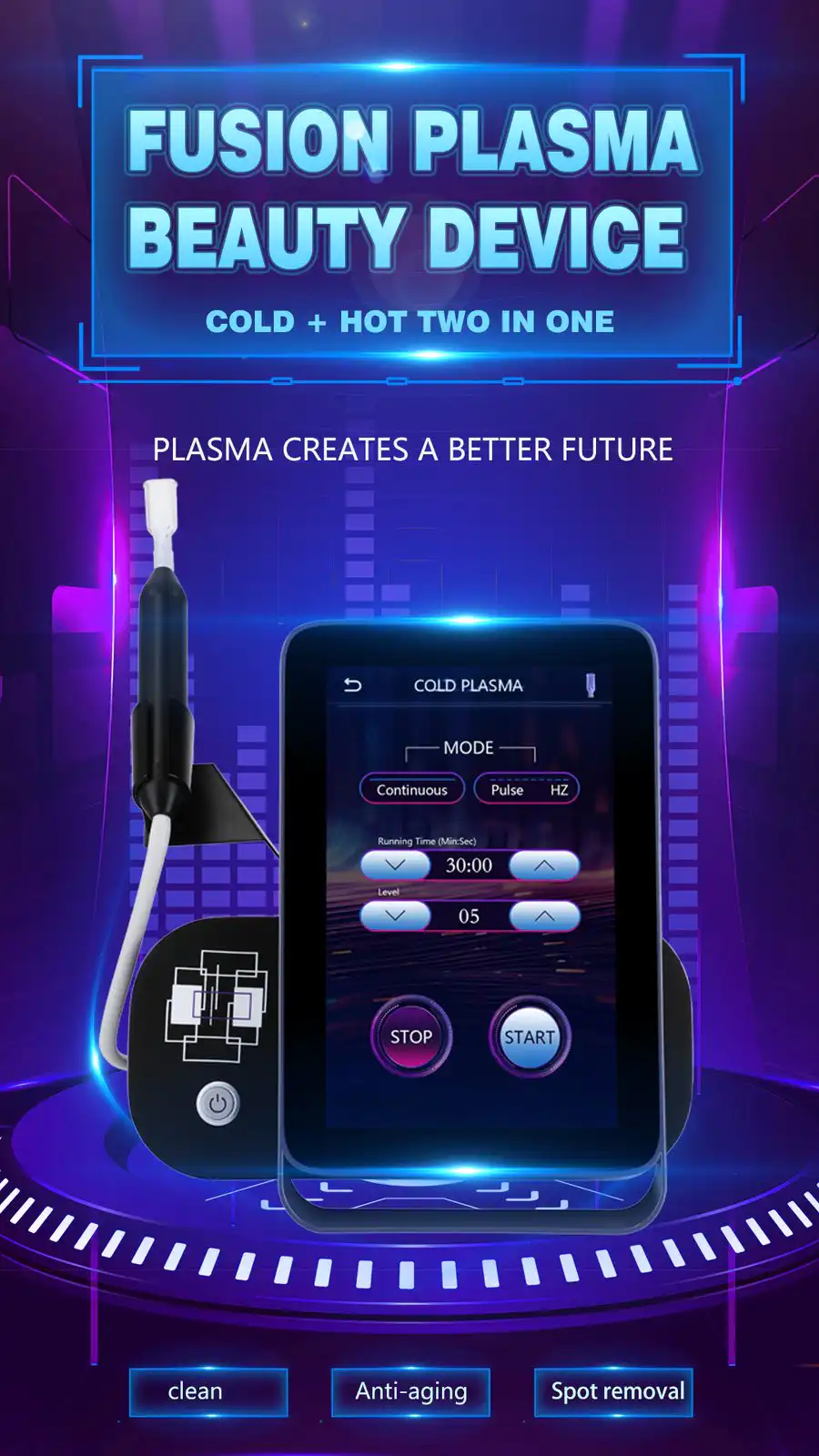
Plasma machines look cheap to run because there is no gel, no membrane and no cartridge. The cost sits in the tips and in handpiece wear instead, and both are easy to underestimate.
Tip life. Every tip has a working life measured in treatments or in fired seconds, not in months. Ask for the rating, then multiply it by your weekly volume.
Tip cost per treatment. This is the number that belongs in your session price. A tip that costs little but lasts a short time can be more expensive per client than a premium tip.
Handpiece wear. Cables, connectors and the tip seat take the load. A replaceable handpiece is worth more than a slightly cheaper sealed one.
Reorder lead time. If tips ship from stock in days, your diary is safe. If they are made to order, keep a buffer on the shelf.
Write the twelve-month consumable line before you compare machine prices — it is the only way to compare two quotes honestly.
Our best-selling plasma units are the desktop styles: compact, easier to ship and install, and priced for a first order. The buyers behind those orders are mixed — distributors stocking for resale, beauty salons adding a signature treatment, and skin clinics using plasma for precise spot work. Tell us which of the three you are and we will match the style and configuration to how you plan to sell.
Regulatory and Safety Notes for Buyers
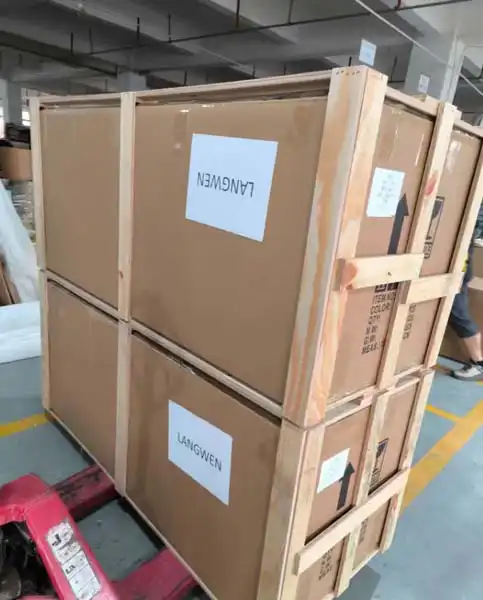
Plasma devices are treated differently in different markets. Before you import, check the local classification for the type of treatment you intend to offer, and ask your supplier which documents ship with the unit. We describe what the shipment includes rather than making claims about approvals: Each unit ships with the operation manual, an operation video, the CE documentation for the model, the packing list and the customs clearance documents for export. If your market requires testing by a named laboratory or agent, tell us before production and we will confirm what we can support.
Packaging the Treatment: How Clinics Price Hot vs Cold
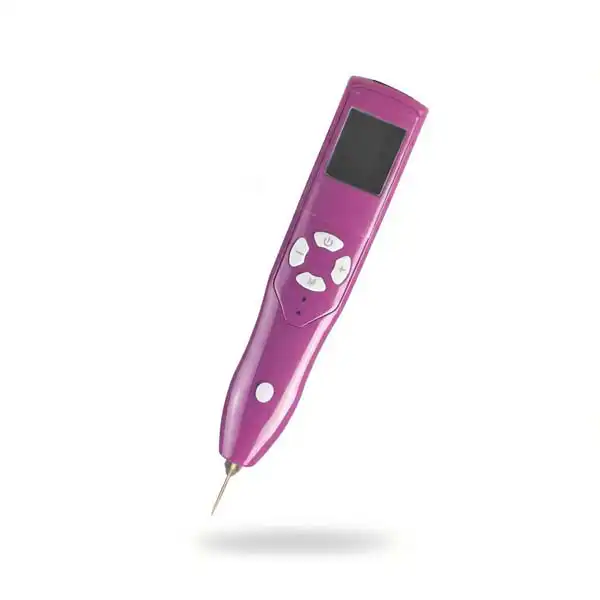
The same machine earns differently depending on how the treatment is packaged.
Cold plasma sits naturally inside a facial: it is a step in a longer service, so it lifts the average ticket rather than replacing a treatment. Clinics usually price it as an add-on, or as a short series.
Hot plasma is a standalone service with downtime and aftercare. It is priced per area and usually sold as a course of two to three sessions with a review at six to eight weeks. Because the result is visible and the healing window is defined, it sells well as a package with a written aftercare sheet.
The practical difference for a buyer: cold plasma needs volume to pay back, hot plasma needs precision and consent paperwork. A clinic that already sells facials will fill cold plasma capacity quickly; a clinic selling skin correction will find hot plasma easier to price.
A note from our order book that changes this framing: many buyers no longer choose between hot and cold, because current plasma machines integrate both modes in one unit — the same machine covers skin renewal work and finer spot treatment. Ask the supplier to confirm in writing which modes the quoted model actually includes, because “plasma machine” on its own does not tell you.
Practical Buying Plan
- List the treatments you already sell and the ones clients ask for that you cannot offer.
- Choose the mode that answers the second list — that is where the new revenue is.
- Ask every candidate supplier for the consumable reorder list and the training material before the price.
- Buy the model whose handpiece you can get serviced or replaced fastest.
Training and support we provide with plasma machines: An operation video and the manual ship with every unit and double as staff training material. If something is unclear — settings, tip choice, aftercare — send the question, or better a short video, by email or WhatsApp and our technical team will answer; a video of the actual issue gets a faster, more accurate reply than a written description.
Staff, Consent and Aftercare: The Operating Side
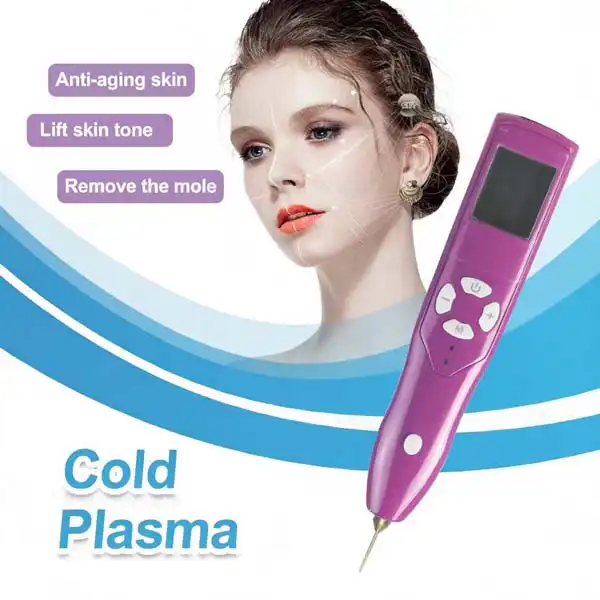
Two machines with the same output produce different results because of who operates them and what the client signs.
Who operates. Decide before you buy whether the device is for trained aestheticians or for a clinician. That decides how much of the training material you need in your own language.
Consent and records. Hot plasma in particular needs a written consent, a patch test where appropriate, and a record of settings per session. Ask the supplier for a template; the good ones have one.
Aftercare. Written aftercare protects the result and the business. If the supplier ships an aftercare sheet, check that it matches your market’s rules rather than translating a generic document.
Complications protocol. Agree in advance who the client contacts, and keep the supplier’s technical channel in the same document.
None of this appears in the machine price, and all of it decides whether the device earns or sits.
Mistakes That Show Up in the First Month
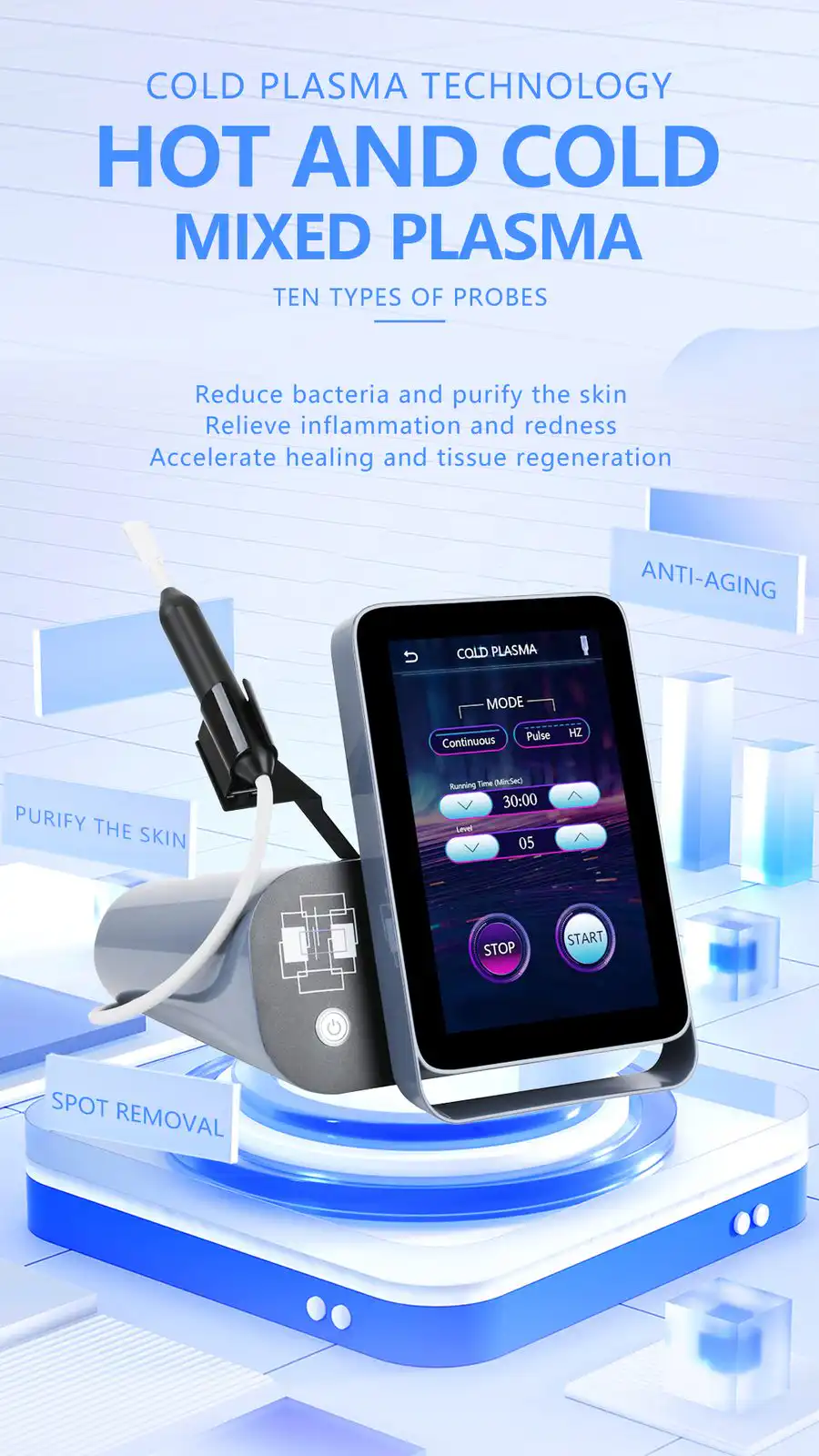
- Buying both modes on one handpiece to save money, then finding the output is shared.
- No reorder list for tips, so the first busy week runs the machine dry.
- Training treated as a video to watch later, not as a protocol to practise.
- Consent forms borrowed from another device.
- No baseline photos, so nobody can prove the result at week six.
Each of these is cheap to prevent before the order and expensive to fix afterwards.
How to Run a Side-by-Side Trial in One Afternoon
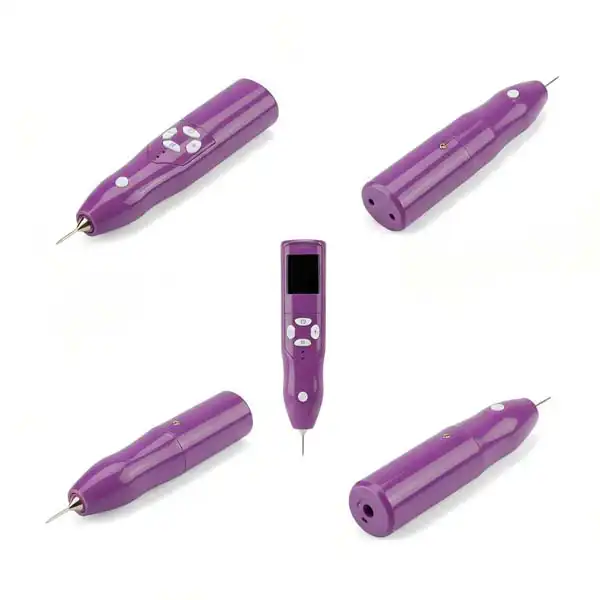
If two plasma machines are close on price, compare them the same afternoon, on the same skin type, with the same operator.
- Fix the protocol. Same area, same energy setting, same number of passes. Write the settings down before you start.
- Time each pass. Session speed is staff cost, and it is the difference between four and six clients in an evening.
- Watch the tip after the pass. Discolouration, carbon build-up and wobble in the tip seat tell you how the unit will behave in month three.
- Photograph immediately and at day seven. The visible result at day seven is what the client will judge you on.
- Ask each operator which unit they would rather use again. The answer is usually about the handpiece, not the output.
A trial like this costs one afternoon and removes most of the guesswork from the decision.
Frequently Asked Questions
What is the main difference between hot and cold plasma?
Cold plasma delivers energy without significantly heating the skin surface, so it is used for surface-level concerns — bacteria, inflammation, product absorption and mild rejuvenation. Hot plasma (also called plasma arc or plasma pen) deliberately chars the surface at micro-points to create controlled scabbing that tightens skin as it heals. One treats the surface; the other remodels it.
Which one should a salon buy first?
If your clients are already booking facials, facials with a cold plasma step are the easiest upgrade — no downtime conversation, no scabbing questions. If your market expects visible lifting results from a single appointment, hot plasma is the stronger service, but you must be able to explain healing time honestly and train staff properly.
Does a plasma treatment hurt?
Cold plasma feels like a warm tingle for most clients. Hot plasma is described as brief pinpoint heat, and topical numbing is common. Comfort also depends on the tip selection and how the operator moves — training matters more than the device.
How long do results last?
Cold plasma results are typically judged over a short course and are cumulative. Hot plasma tightening usually appears as the micro-points heal, over weeks, and can last several months to over a year depending on the area and aftercare.
Can I offer both treatments with one machine?
Some units support both modes with separate tips, but do not assume it. Verify which tips are included, whether the mode is a real different technology or the same output at a different setting, and what consumables you will be reordering.
Related Reading
- Cold and Hot Plasma in Skincare: Salon Equipment Guide
- Unlocking the Power of Cold Plasma Machine in Modern Skincare
- A Comprehensive Guide to Plasma Pen Treatment
- Professional Aesthetic Equipment Wholesale
- Beauty Machine Wholesale: The Complete B2B Guide
Sourcing for your salon or distribution business?
Tell us the machine types and target quantity — we reply with factory-direct pricing, lead time and available export documents.