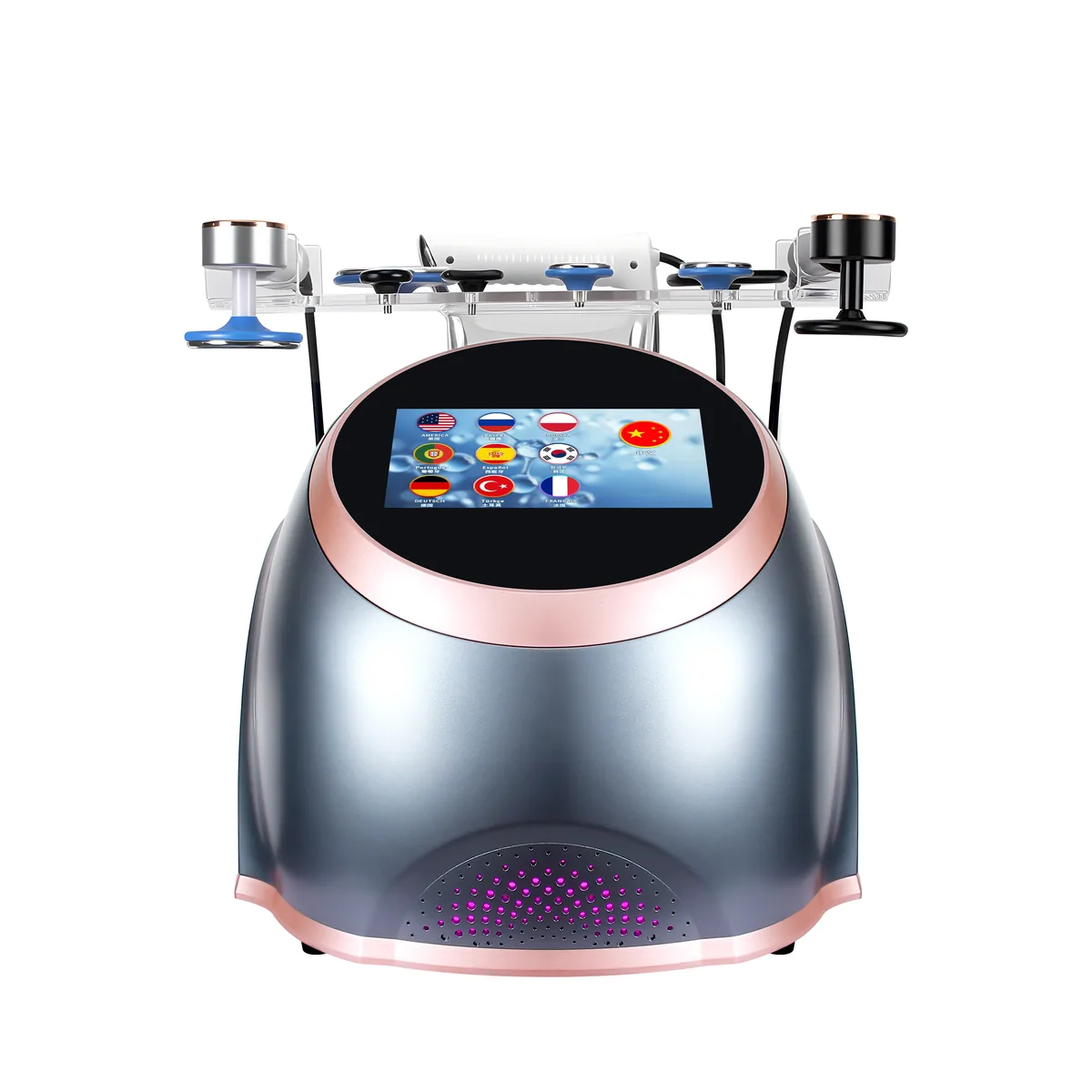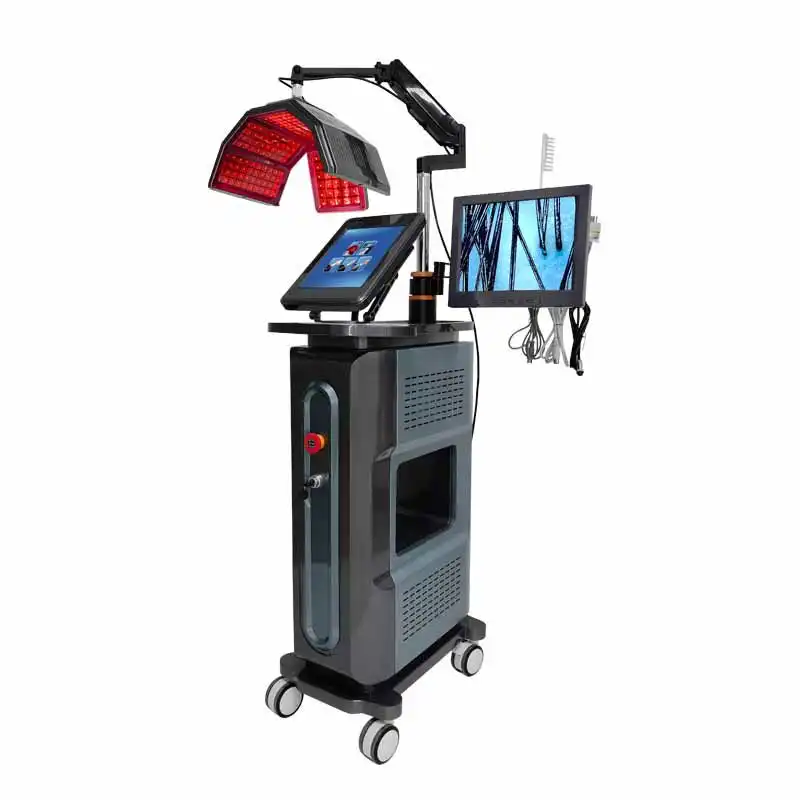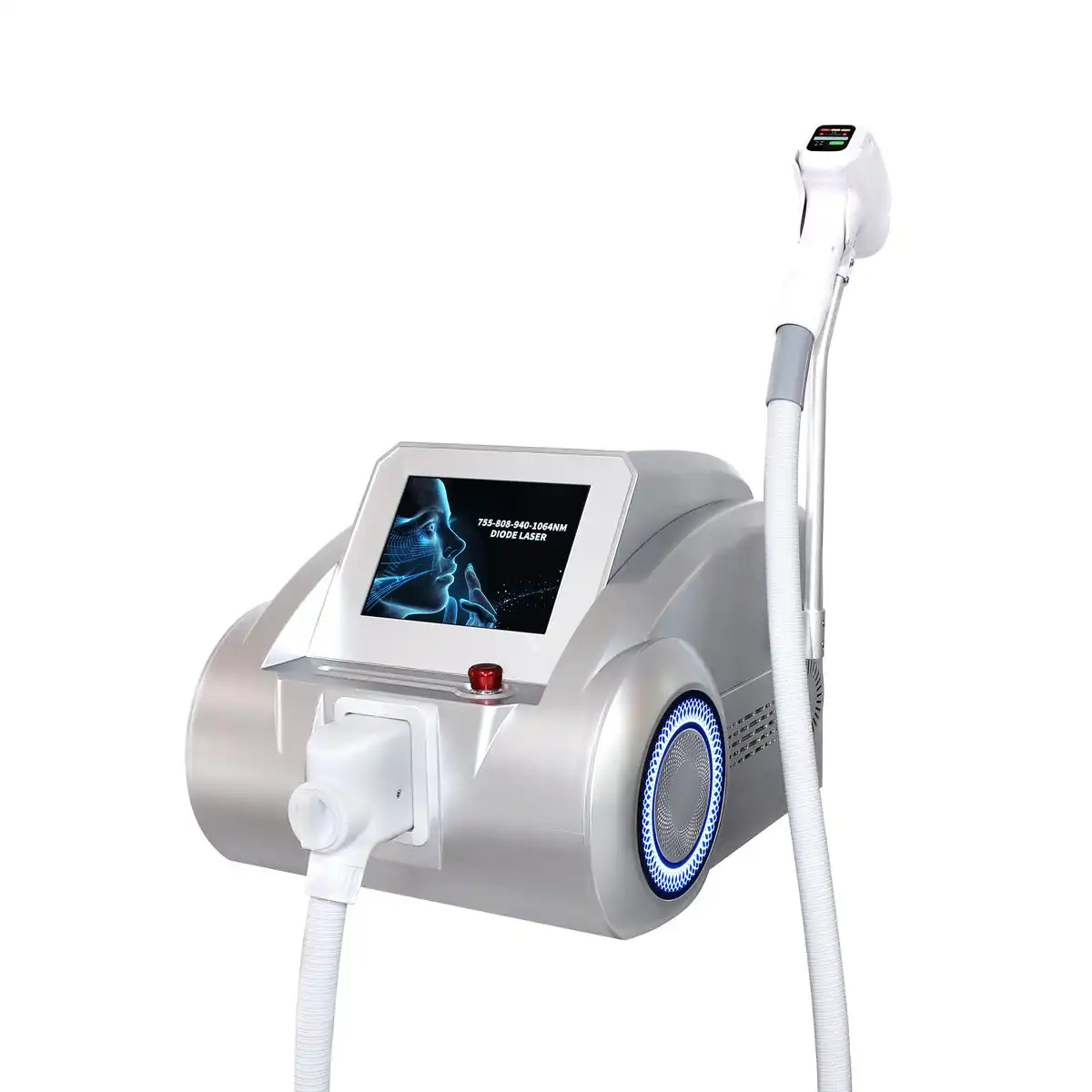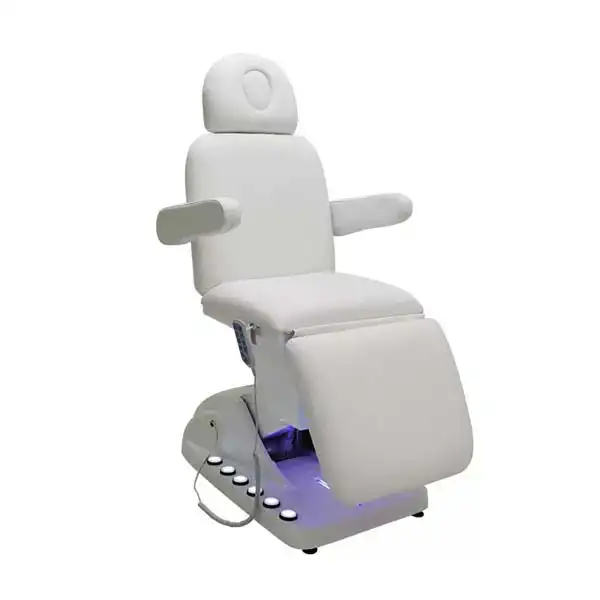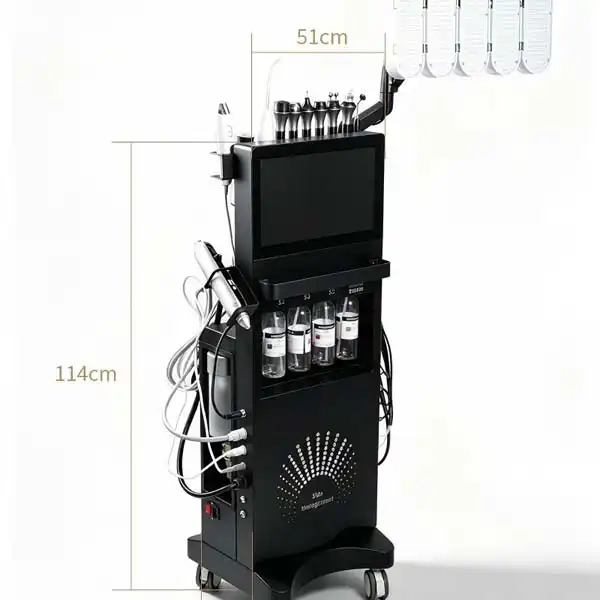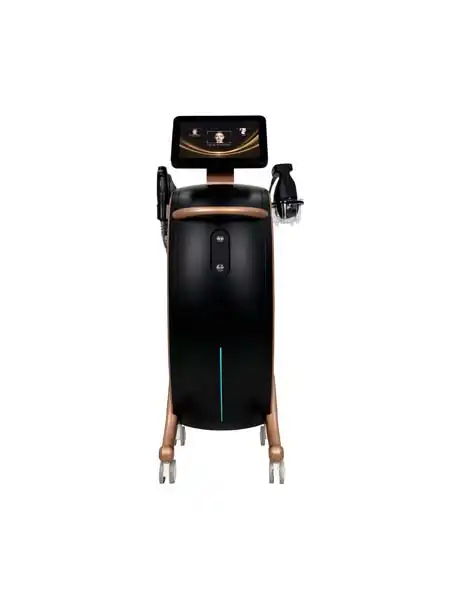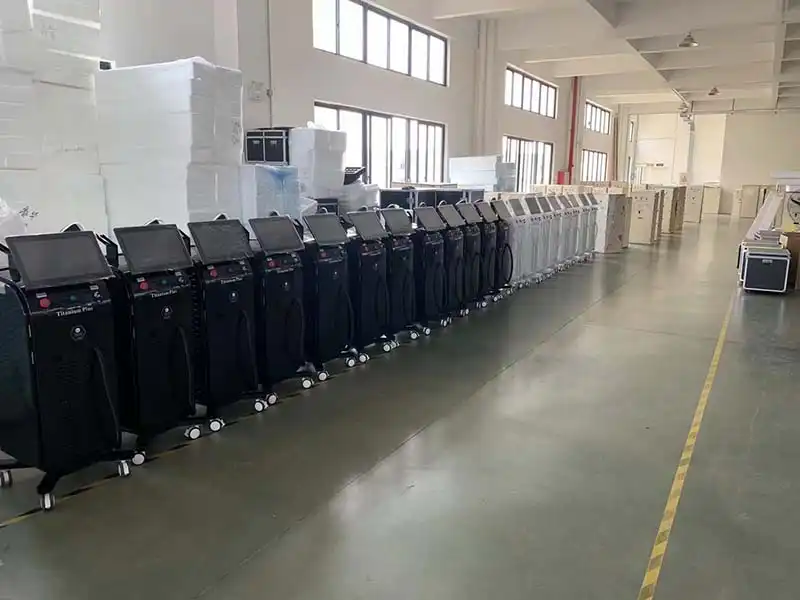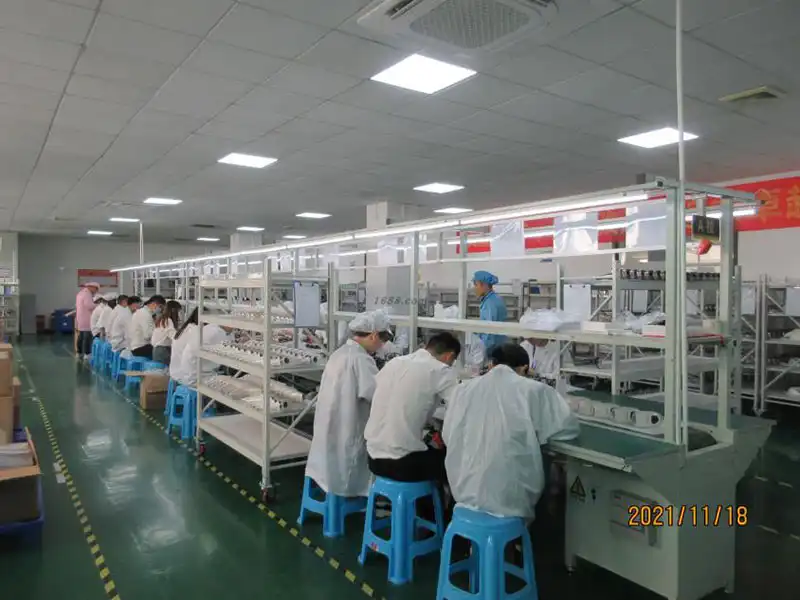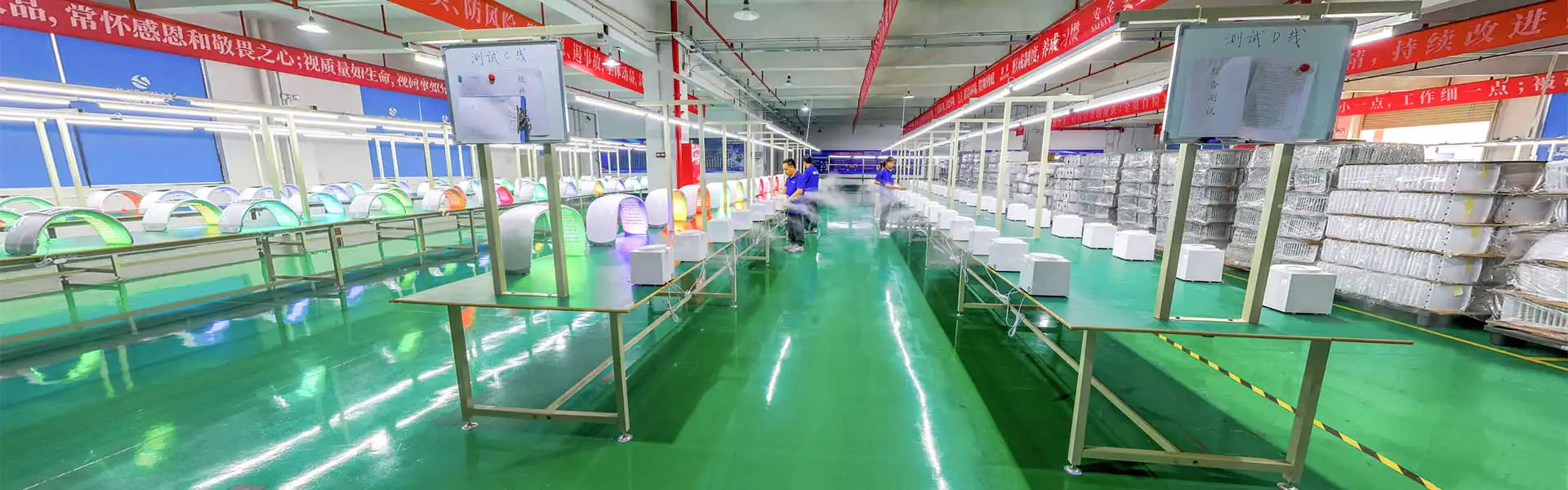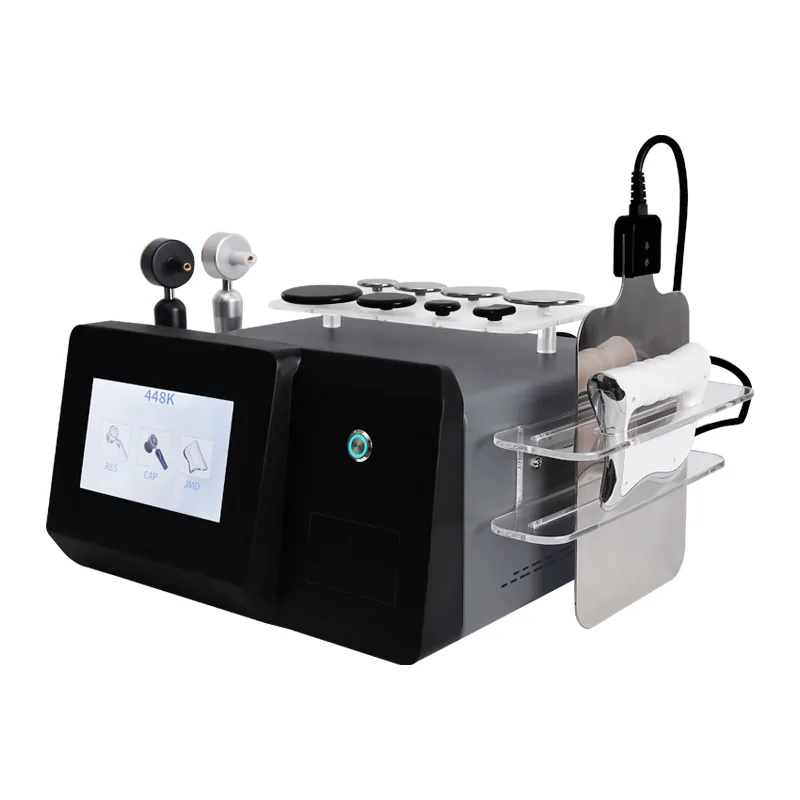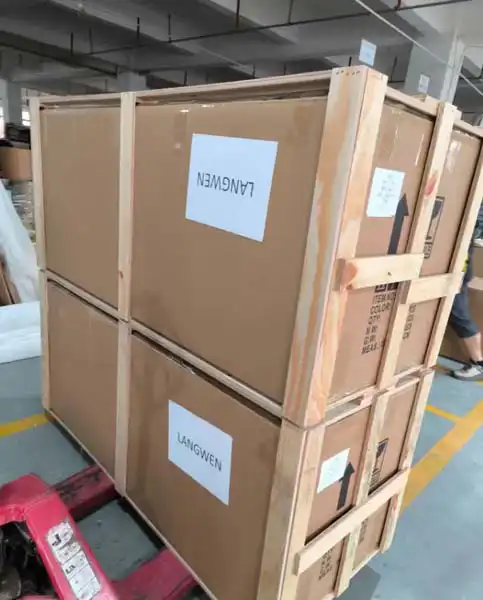
Most buyers treat beauty machine shipping as the boring last step of an order. In practice, beauty machine shipping is where a good purchase quietly becomes a good experience — or a bad one. A machine that tested perfectly at the factory (see how every machine should be tested before shipment) can still arrive dead on arrival because it was packed for a pallet, not for a container. A buyer who negotiated brilliantly (see how to negotiate wholesale prices) can still lose the margin to a customs desk that charged duties nobody forecast. This guide walks through the four decisions that control the outcome: the trade term, the transport lane, the packing standard, and the documents.
What Your Trade Term Decides Before the Machine Ever Moves
The Incoterms rule printed on your quotation is not paperwork decoration — it allocates cost, risk and responsibility between you and the supplier at every step of the journey. Three rules cover most beauty machine orders:
- EXW (Ex Works). You collect the goods at the factory gate. Cheapest on paper, and the most deceptive: you arrange pickup, export clearance, everything. Unless you have a freight partner in China, avoid EXW on your first orders.
- FOB (Free on Board). The supplier delivers the machine cleared for export onto the vessel at the named port; from that point, the freight and the risk are yours. This is the standard choice for buyers with a freight forwarder, and the term that makes quotes from different suppliers comparable.
- CIF (Cost, Insurance and Freight). The supplier books and pays the main carriage and insurance to your port. Convenient — but you still clear customs and pay duties at destination, and the insurance is the minimum legal cover, not full value.
A fourth rule, DDP (Delivered Duty Paid), where the supplier delivers to your door with duties included, is occasionally offered and almost always worth questioning: a supplier promising DDP to a country they rarely ship to is either subcontracting to a risky consolidator or quietly building a large buffer into the price. The ICC maintains the official definitions of all these terms — read the Harmonized System and trade facilitation overview from the World Customs Organization as well before your first big order. Whatever you choose, the same principle applies as in every beauty machine quotation: name the term explicitly, so every offer you compare is priced on the same basis.
Sea, Air or Express: Choosing the Lane
The right transport mode depends on the machine’s size, value and how urgently your client needs it. A decision table for typical orders:
| Lane | Typical use | Transit time (China to EU/US) | Watch out for |
|---|---|---|---|
| Express (DHL/FedEx/UPS) | Samples, spare handpieces, small desktop devices under ~30 kg | 5–8 days | Lithium batteries and some laser sources need special handling; get the supplier to confirm the device is express-shippable before promising a client a date |
| Air freight | Urgent mid-size orders, high-value compact machines | 8–15 days door to door | Cost scales with volume weight; a bulky packed machine can be charged by size, not weight |
| Sea freight LCL | 1–5 machines, mixed with other cargo | 25–40 days | Extra handling at consolidation — packing quality matters double; ask about desiccant packs for humid routes |
| Sea freight FCL | Full orders, 10+ machines or mixed container with other equipment | 25–40 days | Plan the unload: a 250 kg body machine on a dock needs more than two willing people |
A practical habit: ship the first order by sea even if the client is impatient, and fly one spare handpiece kit by express alongside it. The client starts treatments sooner with the spares, the main units arrive safely and cheaply, and the freight budget stays sane. This is also the moment to re-check the price spread from what a machine really costs — a CIF quote that looked expensive may simply have honest freight inside it, and an EXW quote that looked cheap will grow once your forwarder prices the inland legs.
How Professional Suppliers Pack a Machine for Export
Packing is where beauty machine shipping either succeeds or fails, and it is worth knowing what “good” looks like so you can demand it:
- PE foam wrap and corner protection around the shell and screen, then an anti-static bag over the control unit.
- Double carton — an inner carton and an outer 5-layer corrugated box — for anything under 60 kg.
- Plywood crate or strong wooden case with foam-in-place for machines above roughly 80 kg or with glass/precision optical components. Handpiece tips and goggles should travel in their own boxes, taped inside the crate, never loose.
- Desiccant and a poly bag liner for any sea journey longer than three weeks, especially to humid destinations.
- Shrink-wrapped and strapped to a pallet for LCL shipments, so the crate survives consolidation warehouses.
Ask the supplier to photograph the packed machine before the container closes. This costs nothing, takes two minutes, and is the single cheapest insurance in the whole process — it also lets your client confirm the serial number and configuration matches the order confirmation before the box is even sealed. Suppliers with real export experience will already do this; a supplier who resists the request has told you something about their standards.
Customs Clearance in Beauty Machine Shipping: The Six Documents
Whatever the lane, every beauty machine shipping order ends at the same desk: your customs broker, asking for the same core set of documents. Get them from the supplier at dispatch, not after the goods arrive: Commercial Invoice, Packing List, User Manual, Warranty Card and so on.
- Commercial invoice — with the real transaction value. Under-invoicing to save duty is common and risky; it voids insurance claims and invites penalties.
- Packing list — weights, dimensions, and carton numbers matching the marked boxes.
- Bill of lading (sea) or air waybill — the document of title; confirm the consignee details match your importer record exactly.
- Certificate of origin — often reduces duty under trade agreements; ask even if the supplier does not offer.
- CE / certificate copies for the machine configuration you bought — customs in many markets can ask for them, and your client’s insurer may too.
- Insurance certificate when you are not the one who booked the freight.
Six documents, one email at dispatch. A supplier who sends them unprompted runs a professional operation; a supplier who needs chasing has shown you how the after-sales will feel.
HS Codes and Import Duties: What to Ask Before You Pay
Every machine in a beauty machine shipping plan crosses the border under a Harmonized System (HS) code, and the code decides the duty rate in your country. Beauty and aesthetic machines most commonly land under codes for electrical machines with individual functions or for medical/electrotherapy apparatus, depending on the device’s stated purpose and certification — which is exactly why the code should come from a professional, not from a guess. Two questions to send the supplier with the order: first, “which HS code and description will appear on the commercial invoice?” and second, “do you have prior shipments to my country, and what duty rate did they clear at?” Then hand both answers to your own customs broker to verify — five minutes of checking that protects the margin you negotiated so carefully. Remember that duties are calculated on the CIF value, so the trade term you chose in the first section directly changes the tax base, and a “cheap” EXW price with a high declared freight can cost more in total than a straight CIF quote.
Freight Forwarder or Supplier-Arranged Shipping: Who Should Book
For a first beauty machine shipping order, the honest answer is usually: your own forwarder books the main carriage (FOB), and the supplier handles export clearance and delivery to port. Working with your own forwarder gives you three things a supplier-arranged shipment rarely will — a freight quote you can compare against other quotes, a person who answers the phone when the container is delayed, and a commercial invoice that reflects the real value of the goods. Over time, many buyers let a trusted supplier consolidate the whole flow to save coordination; that is a decision to make after the first two or three orders have gone smoothly, not before.
Insurance: What the Policy Actually Protects
Freight insurance is the part of beauty machine shipping that most buyers sign without reading, so it deserves three honest sentences. First, the standard cover included in a CIF quotation is Institute Cargo Clauses (C) — the weakest tier, which covers the vessel sinking and the container falling off the ship, but not rough handling, water damage or theft. Second, real protection for an order of machines costs a fraction of the invoice value — typically a few tenths of a percent — and comes from asking your forwarder to add All Risks (ICC A) cover for the declared value. Third, claims are only paid against documents: the packing photos from the factory, a damage note signed at delivery, and the surveyor’s report within the claim window. A buyer who has all three gets paid; a buyer who has none gets a lesson. So the packing photo request from earlier in this guide is not just about quality control — it is the first exhibit of your insurance claim, taken while everyone’s memory was still honest. Will insure basic marine insurance.
A Shipping Timeline from Deposit to Delivery
Understanding beauty machine shipping as a timeline makes delays legible instead of alarming. A typical sea-freight order moves through seven checkpoints: the delivery will depend on by air or by sea.
- Day 0 — deposit received. Production or assembly scheduling starts; the freight conversation should start the same week, not after testing.
- Days 1–15 — assembly and testing. Burn-in and calibration per the factory checklist; confirm the packing standard and request the packing-photo protocol now.
- Days 15–20 — booking. The forwarder books the vessel; the supplier prepares export clearance and drafts the commercial invoice — check the HS description at this moment, not later.
- Days 20–22 — packed and photographed. Photos of each crate, serial numbers recorded, documents drafted.
- Day 23 — gate-in and sailing. The container enters the port; the bill of lading is issued within a few days of sailing.
- Days 23–60 — transit. Your forwarder tracks the vessel; you assemble the import file with your broker.
- Arrival — clearance and delivery. Duties paid against the pre-checked documents, delivery booked, and the machine that tested at the factory now gets powered up in your client’s clinic.
Two habits keep this timeline honest: ask for a weekly status update from dispatch to arrival, and treat the first broken promise — not the delay itself, the silence about it — as the real signal about the supplier.
Red Flags in a Shipping Arrangement
- “We ship as gifts, no invoice.” Under-declaration, voided insurance, customs penalties — refuse politely and firmly.
- No photos of packing offered at any stage of the conversation.
- A DDP price far below every competitor — the buffer is hiding somewhere, usually in a risky consolidation channel.
- Refusal to put the trade term, dispatch time and document list in the order confirmation. Everything in this guide is only real once it is written down next to the signature.
Before You Wire the Balance: A Ten-Question Checklist
Print this list and run it against every order before the balance payment leaves your account. It compresses everything in this guide into ten yes-or-no questions, and any single no is worth pausing the transfer for one more email round:
- Is the trade term (EXW / FOB / CIF) written in the order confirmation, identical to the quotation?
- Do I know the transport lane, the booked vessel or flight, and the estimated arrival date?
- Have I received packing photos of my serial-numbered machines, with the crates closed?
- Did the packing meet the standard — double carton or crate, foam, desiccant for sea?
- Has the machine passed the pre-shipment tests in the factory checklist, with evidence?
- Is the commercial invoice value the real transaction value, with the agreed HS description?
- Do I have the packing list, bill of lading or air waybill, certificate of origin and CE copies?
- Is the insurance adequate — All Risks at declared value, not just the CIF minimum?
- Has my own broker confirmed the duty rate and total landed cost in writing?
- Do I know exactly who to call — by name — when something is late?
Ten questions, one page, five minutes. Buyers who run this checklist rarely meet surprises at the port, because the surprises were removed from the order while they were still cheap to fix.
Frequently Asked Questions
- How long does beauty machine shipping take from China? Express samples arrive in 5–8 days; air freight in 8–15 days door to door; sea freight typically 25–40 days to Europe or North America, plus 3–7 days of customs clearance at destination.
- Which Incoterm should a first-time buyer choose? FOB with your own freight forwarder. It keeps supplier quotes comparable, puts you in control of the main carriage, and leaves export clearance with the supplier where it belongs.
- Do I pay customs duty on machines shipped as samples? In most countries yes — commercial samples are rarely duty-free above a small value threshold. Ask the supplier for the correct invoice value rather than accepting “gift” declarations.
- Who is responsible if the machine arrives damaged? It depends on the trade term and the insurance: under FOB the risk transfers at the port of loading, which is why the packing photos and a proper insurance certificate matter. With them, a damage claim is paperwork; without them, it is a fight.
- Can the supplier ship directly to my client’s clinic? Yes — drop-shipping with neutral packaging is common. Make sure the invoice and documents still show your company as importer so you keep control of the customs process.
Plan the whole purchase, not just the freight: start with the step-by-step import guide, pressure-test the factory with the supplier verification checklist, and if you are weighing factory-direct against a local partner, see how to choose a beauty machine distributor.
The Last Step of a Good Purchase
Handled this way, freight stops being a gamble and becomes a checklist: a named trade term, a lane chosen for the machine rather than for the mood, packing photographed before the container closes, six documents in one email, and a duty forecast confirmed by your own broker before the deposit moves. Do that consistently and your clients will notice the difference long before they can name it — orders that arrive when promised, intact, and with no surprise bills at the port. That reliability is worth more than the last 2% of discount in the quotation comparison, because it is what turns a first order into a re-order.
Sourcing for your salon or distribution business?
Tell us the machine types and target quantity — we reply with factory-direct pricing, lead time and available export documents.