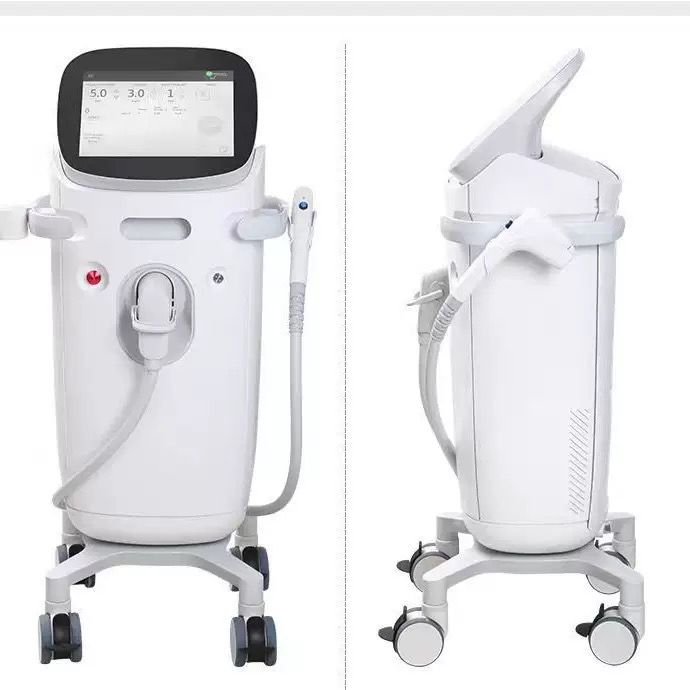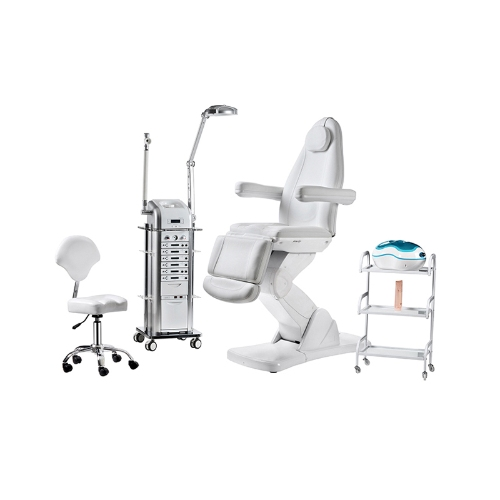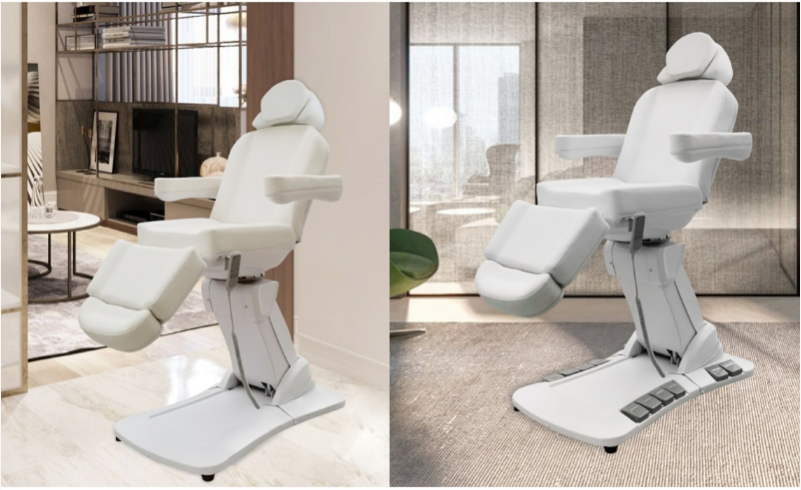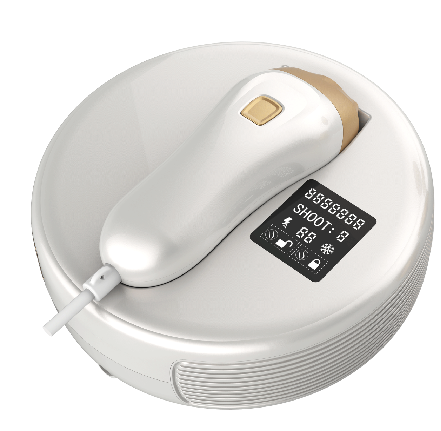
For decades, the decision to get a tattoo was often seen as a permanent commitment. However, as lifestyles change and aesthetic preferences evolve, the demand for effective tattoo removal has skyrocketed. Among the various technologies available, picosecond laser tattoo removal has emerged as the gold standard. This revolutionary approach offers faster results, less pain, and higher clearance rates compared to traditional methods.
In this comprehensive guide, we will explore everything you need to know about picosecond laser tattoo removal, from the underlying physics to the recovery process.
Understanding the Science of Picosecond Laser Tattoo Removal
To appreciate why picosecond laser tattoo removal is so effective, we first need to understand how laser tattoo removal works in general. Traditional lasers, such as Q-switched lasers, operate in nanoseconds (one-billionth of a second). While effective, they rely heavily on photothermal action, which uses heat to break down ink particles.
How Picosecond Technology Differs
Picosecond laser tattoo removal utilizes a much faster pulse width—measured in picoseconds (one-trillionth of a second). This ultra-short pulse duration creates a “photomechanical” or “photoacoustic” effect. Instead of simply heating the ink, picosecond laser tattoo removal delivers energy so rapidly that the ink particles shatter into tiny, dust-like fragments.
The Role of the Immune System
Once the picosecond laser tattoo removal process has pulverized the ink into microscopic debris, the body’s lymphatic system takes over. Because the particles are significantly smaller than those created by older lasers, the white blood cells (macrophages) can more easily transport and eliminate them from the body. This is why picosecond laser tattoo removal typically requires fewer sessions than traditional methods.
The Benefits of Choosing Picosecond Laser Tattoo Removal
If you are considering clearing your skin of unwanted ink, you might wonder why picosecond laser tattoo removal is worth the investment. Here are the primary advantages:
Fewer Treatment Sessions
One of the most significant draws of picosecond laser tattoo removal is the speed of the overall process. While older technology might require 10 to 15 sessions to fully fade a tattoo, picosecond laser tattoo removal can often achieve the same results in 4 to 8 sessions, depending on the ink’s depth and color.
Effectiveness on Stubborn Colors
Traditional lasers often struggle with specific ink colors like “sunset orange,” “vivid green,” or “sky blue.” However, picosecond laser tattoo removal platforms often utilize multiple wavelengths (such as 532nm, 755nm, and 1064nm) that target these difficult pigments with high precision. This makes picosecond laser tattoo removal the go-to choice for multicolored or professional-grade tattoos.
Reduced Risk of Skin Damage
Because picosecond laser tattoo removal relies on pressure rather than heat, there is less thermal damage to the surrounding skin tissue. This significantly reduces the risk of scarring, hyperpigmentation, or “ghosting” (where a white outline of the tattoo remains). For individuals with darker skin tones, picosecond laser tattoo removal is generally considered a safer and more effective alternative.
What to Expect During a Picosecond Laser Tattoo Removal Session
Preparation and knowledge are key to a successful experience. If you have booked your first picosecond laser tattoo removal appointment, here is a step-by-step look at what happens.
The Initial Consultation
Before the picosecond laser tattoo removal begins, a specialist will evaluate your tattoo. They will look at the age of the tattoo, the depth of the ink, and your skin type (often using the Fitzpatrick Scale). This allows them to calibrate the picosecond laser tattoo removal device to the optimal settings for your specific needs.
The Treatment Process
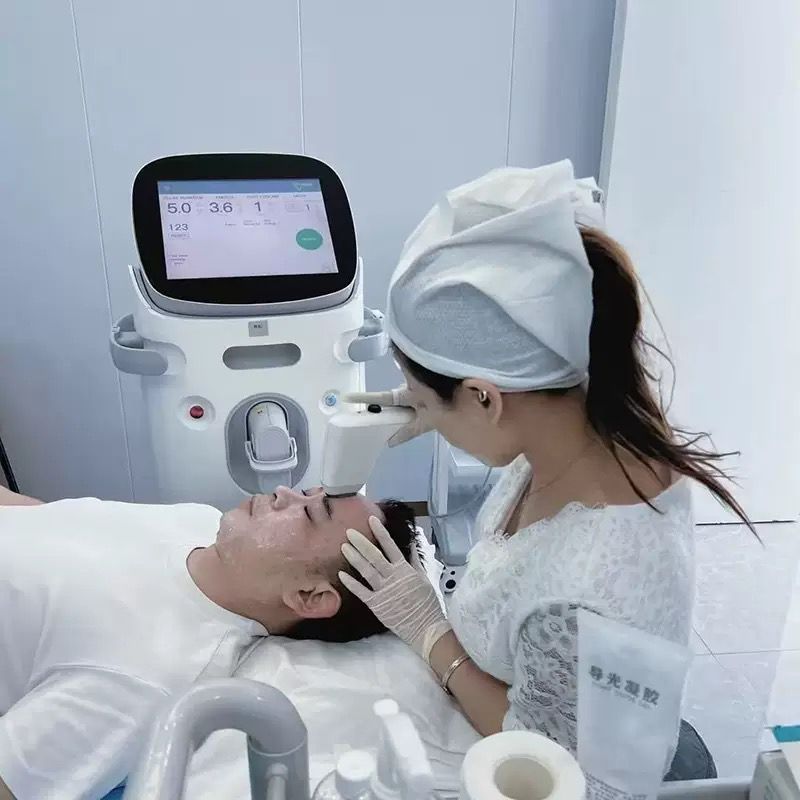
During the actual picosecond laser tattoo removal procedure, you will be provided with protective eyewear. The technician will glide the laser handpiece over the tattoo. You may hear a rapid “snapping” sound and see a temporary whitening of the skin, known as “frosting.” While some discomfort is expected, many patients describe the sensation of picosecond laser tattoo removal as similar to a rubber band snapping against the skin.
Duration of the Procedure
A major benefit of picosecond laser tattoo removal is its efficiency. A small tattoo might take less than five minutes to treat, while a larger piece might take 20 to 30 minutes. The speed of picosecond laser tattoo removal makes it easy to fit into a busy schedule.
Aftercare and Recovery for Picosecond Laser Tattoo Removal
The success of your picosecond laser tattoo removal depends largely on how well you care for your skin between sessions. Proper aftercare ensures that your body can efficiently process the shattered ink.
Immediate Post-Treatment Care
Immediately after a picosecond laser tattoo removal session, the area may be red, swollen, or slightly tender. Most practitioners will apply a soothing ointment and a sterile bandage. It is crucial to keep the area clean and dry for the first 24 to 48 hours following picosecond laser tattoo removal.
The Importance of Sun Protection
Sun exposure is the enemy of successful picosecond laser tattoo removal. UV rays can increase the risk of pigmentation changes and slow down the healing process. If the treated area is exposed to the sun, it is vital to use a high-SPF mineral sunscreen or keep the area covered with clothing during the entire picosecond laser tattoo removal journey.
Healing Time Between Sessions
Your skin needs time to recover, and your lymphatic system needs time to flush out the ink fragments. Typically, picosecond laser tattoo removal sessions are spaced 6 to 8 weeks apart. Rushing the process does not lead to faster results; in fact, it can increase the risk of skin irritation.
Common Myths About Picosecond Laser Tattoo Removal
Despite its popularity, several misconceptions surround picosecond laser tattoo removal. Let’s debunk a few of them.
Myth 1: It’s Completely Painless
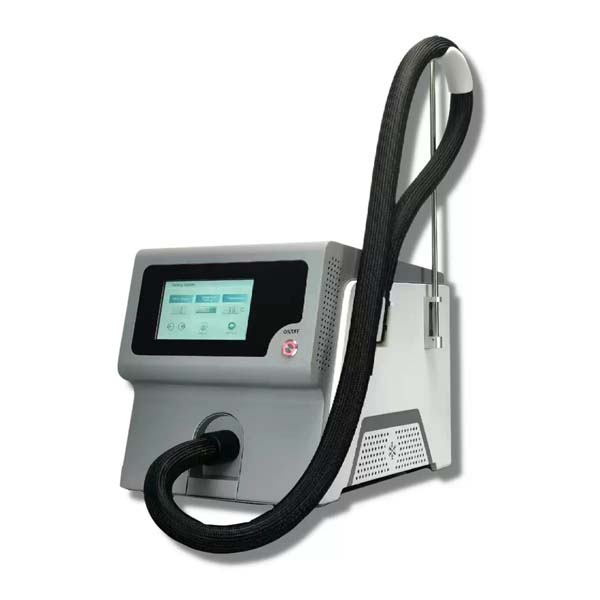
While picosecond laser tattoo removal is generally more comfortable than older methods because it generates less heat, it is not entirely painless. However, most clinics offer numbing creams or cooling devices (like the Zimmer Chiller) to make the picosecond laser tattoo removal experience very tolerable.
Myth 2: It Works Instantly
While picosecond laser tattoo removal is faster than other methods, it still requires multiple treatments. You will notice the tattoo fading gradually over several months. Patience is essential for achieving the best results with picosecond laser tattoo removal.
Myth 3: It Only Works on Black Ink
While black ink is the easiest to remove, picosecond laser tattoo removal is specifically designed to handle a wide spectrum of colors. Modern picosecond laser tattoo removal machines are incredibly versatile and can tackle even the most stubborn greens and blues.
Factors Affecting the Success of Picosecond Laser Tattoo Removal
Not all tattoos disappear at the same rate. Several variables influence how many picosecond laser tattoo removal sessions you will need.
-
Tattoo Age: Older tattoos are usually easier to remove because the body has already begun to break down some of the ink naturally over time.
-
Ink Quality: Professional tattoos use high-quality, dense ink that may require more picosecond laser tattoo removal passes than amateur “stick-and-poke” tattoos.
-
Location on the Body: Tattoos located closer to the heart (where blood circulation is strongest) typically fade faster during picosecond laser tattoo removal than tattoos on the hands or ankles.
-
Smoking: Non-smokers often see faster results with picosecond laser tattoo removal because their immune systems and circulation are more efficient at clearing the ink.
Choosing the Right Clinic for Picosecond Laser Tattoo Removal
The technology is only as good as the person operating it. When searching for a provider for picosecond laser tattoo removal, consider the following:
Certification and Experience
Ensure the technician is certified in laser safety and has extensive experience specifically with picosecond laser tattoo removal devices. Ask to see “before and after” photos of their previous work.
Conclusion
Picosecond laser tattoo removal has transformed the way we approach skin aesthetics. By leveraging the power of ultra-short pulses, this technology provides a safer, faster, and more effective solution for those wishing to erase their past ink. Whether you want to completely clear a tattoo or just fade it enough for a “cover-up” piece, picosecond laser tattoo removal offers the precision and power needed to achieve your goals.
As with any cosmetic procedure, the key to success with picosecond laser tattoo removal lies in choosing a qualified provider and following a strict aftercare regimen. With a bit of patience and the advanced science of picosecond laser tattoo removal, you can enjoy a clean slate and skin you feel confident in once again.