For decades, people have sought a permanent solution to unwanted body hair. From the painful sting of waxing to the daily chore of shaving, the quest for smooth skin has been a long one. Enter laser hair removal, a revolutionary cosmetic procedure that has transformed the beauty industry. In this comprehensive guide, we will dive deep into the world of laser hair removal, exploring how it works, its benefits, the different types of technology used, and what you can expect during the process.
What is Laser Hair Removal?
Laser hair removal is a medical procedure that uses a concentrated beam of light (a laser) to remove unwanted hair. During laser hair removal, a laser emits a light that is absorbed by the pigment (melanin) in the hair. The light energy is converted to heat, which damages the tube-shaped sacs within the skin (hair follicles) that produce hairs. This damage inhibits or delays future hair growth.
While laser hair removal effectively delays hair growth for long periods, it usually doesn’t result in permanent hair removal. Multiple laser hair removal treatments are needed for initial hair removal, and maintenance treatments might be needed as well. Laser hair removal is most effective for people who have light skin and dark hair, but it can be successfully used on all skin types.

Why People Choose Laser Hair Removal
The popularity of laser hair removal stems from its precision and long-term results. Unlike shaving, which only cuts the hair at the surface, or waxing, which pulls hair from the root but requires regrowth before the next session, laser hair removal targets the follicle itself.
Common areas for laser hair removal include:
-
Back and shoulders
-
Chest
-
Legs
-
Bikini area
-
Underarms
-
Upper lip and chin
How Laser Hair Removal Works
To understand laser hair removal, one must understand the biology of hair growth. Hair grows in cycles: anagen (growth), catagen (transition), and telogen (resting). Laser hair removal is most effective during the anagen phase, which is why multiple sessions are required to catch every hair in its active growth stage.
The Science of Photothermolysis
The principle behind laser hair removal is “selective photothermolysis.” This involves matching a specific wavelength of light and pulse duration to obtain an optimal effect on a targeted tissue with minimal effect on surrounding tissue. In the case of laser hair removal, the target is the melanin in the hair bulb.
Different Types of Lasers Used
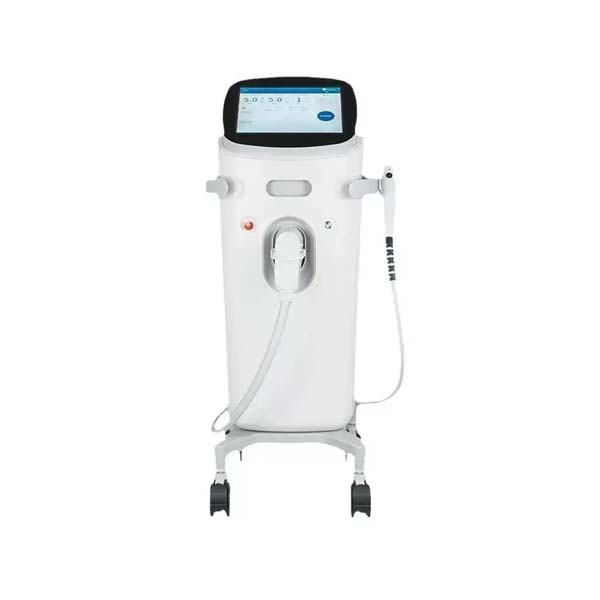
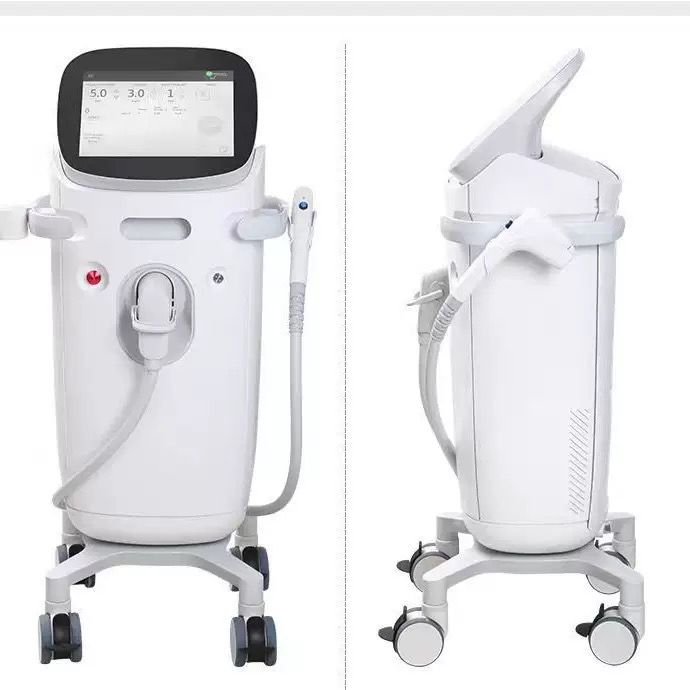
Not all laser hair removal machines are the same. Depending on your skin tone and hair color, a technician might use different technologies:
-
Ruby Laser: The oldest type of laser hair removal system, best suited for fine, light hair and light skin.
-
Alexandrite Laser: One of the fastest lasers, excellent for covering large body areas in patients with light-to-olive skin tones.
-
Diode Laser: Highly effective for both light and dark skin types.
-
Nd:YAG Laser: A long-pulse laser that is safe for all skin types, including tanned and dark skin. It is often the preferred choice for laser hair removal on darker complexions.
Benefits of Laser Hair Removal
Why has laser hair removal become the gold standard for hair reduction? The benefits go far beyond just “not having to shave.”
Precision and Speed
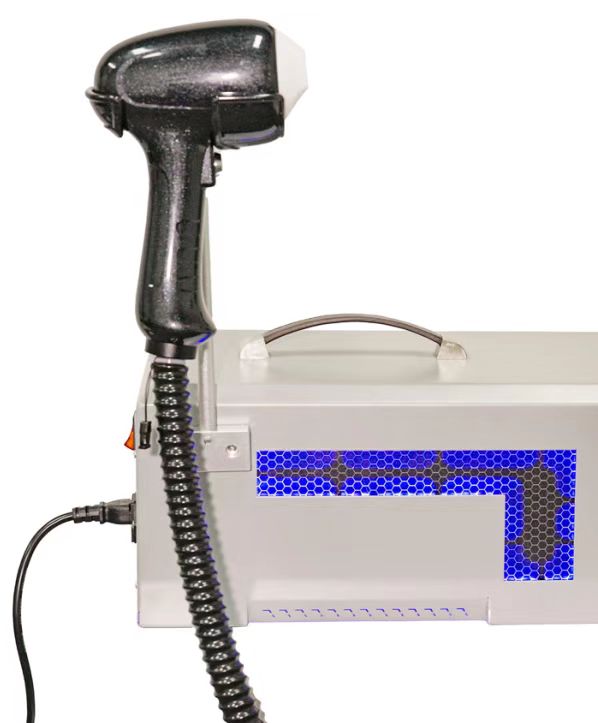
The lasers used in laser hair removal can selectively target dark, coarse hairs while leaving the surrounding skin undamaged. Each pulse of the laser takes a fraction of a second and can treat many hairs at once. Small areas such as the upper lip can be treated in less than a minute, and large areas, such as the back or legs, may take up to an hour.
Long-Term Cost Savings
While the upfront cost of laser hair removal may seem high compared to a pack of razors, the long-term savings are significant. When you calculate the lifetime cost of razors, shaving creams, and monthly waxing appointments, laser hair removal often pays for itself within a few years.
Reduction of Ingrown Hairs
One of the biggest advantages of laser hair removal is the virtual elimination of ingrown hairs. Shaving and waxing are notorious for causing painful, unsightly bumps. Because laser hair removal destroys the hair at the root, the hair doesn’t have a chance to curl back and grow under the skin.
Preparing for Your Laser Hair Removal Appointment
To ensure the best results and minimize side effects, proper preparation for laser hair removal is essential.
Consultation is Key
Before your first laser hair removal session, you will have a consultation with a specialist. They will review your medical history, discuss your expectations, and perform a patch test to see how your skin reacts to the laser.
Avoid Sun Exposure
You should stay out of the sun for at least six weeks before and after your laser hair removal treatment. Sun exposure makes laser hair removal less effective and makes complications after treatment more likely.
Shave, Don’t Wax
Interestingly, you should shave the area to be treated 24 to 48 hours before your laser hair removal session. This allows the laser to focus on the follicle under the skin. However, you must avoid waxing, plucking, or electrolysis for at least six weeks before laser hair removal, as these methods temporarily remove the hair follicle that the laser needs to target.
What to Expect During the Procedure
Many people are nervous about their first laser hair removal session, but the process is generally straightforward.
The Sensation
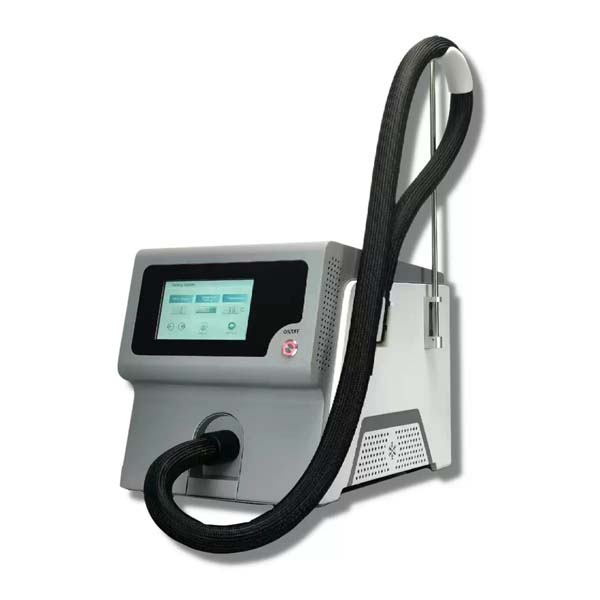
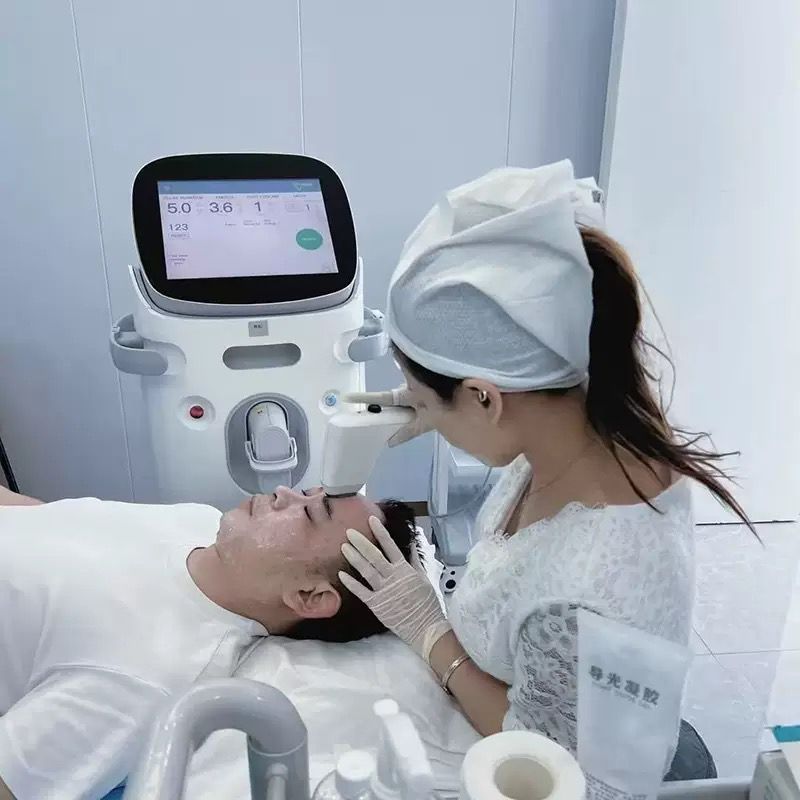
The sensation of laser hair removal is often described as a warm pinprick or the snap of a rubber band against the skin. Most modern laser hair removal devices include a cooling mechanism to soothe the skin and reduce discomfort.
Post-Treatment Care
After laser hair removal, you may experience redness and swelling for a few hours. This is perfectly normal. Applying a cool compress or aloe vera gel can help. It is vital to apply sunscreen to the treated area to prevent pigment changes, as your skin will be extra sensitive to UV rays following laser hair removal.
Safety and Side Effects of Laser Hair Removal
While laser hair removal is considered safe when performed by a qualified professional, there are potential risks.
Common Side Effects
-
Skin Irritation: Temporary discomfort, redness, and swelling are possible after laser hair removal.
-
Pigment Changes: Laser hair removal might darken or lighten the affected skin. These changes might be temporary or permanent.
Rare Risks
In rare cases, laser hair removal can cause blistering, scarring, or changes in skin texture. This is why choosing a reputable clinic with experienced technicians is the most important step in your laser hair removal journey.
Laser Hair Removal for Different Skin Tones
Historically, laser hair removal was only recommended for those with fair skin and dark hair. However, advancements in technology have made laser hair removal accessible to almost everyone.
Laser Hair Removal for Darker Skin
With the advent of the Nd:YAG laser, laser hair removal is now safe and effective for individuals with deeper skin tones. This laser has a longer wavelength that bypasses the melanin in the skin and goes directly to the melanin in the hair, preventing burns or discoloration.
Laser Hair Removal for Light Hair
While laser hair removal is still most effective on dark hair, some newer technologies are improving results for those with blonde, red, or grey hair. However, the results for very light hair are generally less dramatic than for dark hair.
Frequently Asked Questions About Laser Hair Removal
Is Laser Hair Removal Permanent?
While laser hair removal significantly reduces hair growth, it is technically defined by the FDA as “permanent hair reduction” rather than “permanent hair removal.” Most people enjoy years of hair-free skin, but some hormonal changes might trigger new hair growth over time, requiring a touch-up laser hair removal session.
How Many Sessions are Needed?
Most people require between 6 and 8 laser hair removal sessions to achieve optimal results. These sessions are usually spaced 4 to 6 weeks apart to align with the hair growth cycle.
Can I Get Laser Hair Removal While Pregnant?
Most doctors recommend waiting until after pregnancy to start or continue laser hair removal treatments. There is no evidence that the laser harms the fetus, but hormonal changes during pregnancy can affect hair growth patterns, making the laser hair removal treatment less effective.
The Future of Laser Hair Removal
The world of laser hair removal is constantly evolving. From at-home laser hair removal devices to faster, more painless in-office machines, the technology continues to improve. While at-home laser hair removal kits are available, they are generally much less powerful and less effective than professional-grade laser hair removal equipment.
Investing in Yourself
Choosing laser hair removal is an investment in your confidence and your time. Imagine the freedom of waking up and not having to worry about stubble or missed spots. With the right provider and a bit of patience through the initial sessions, laser hair removal can truly be a life-changing procedure.
Final Thoughts on Laser Hair Removal
In summary, laser hair removal offers a safe, effective, and long-lasting solution for unwanted hair. By understanding the technology, preparing correctly, and following post-care instructions, you can achieve the smooth skin you’ve always wanted. If you’re tired of the endless cycle of temporary hair removal methods, it might be time to book your first laser hair removal consultation.