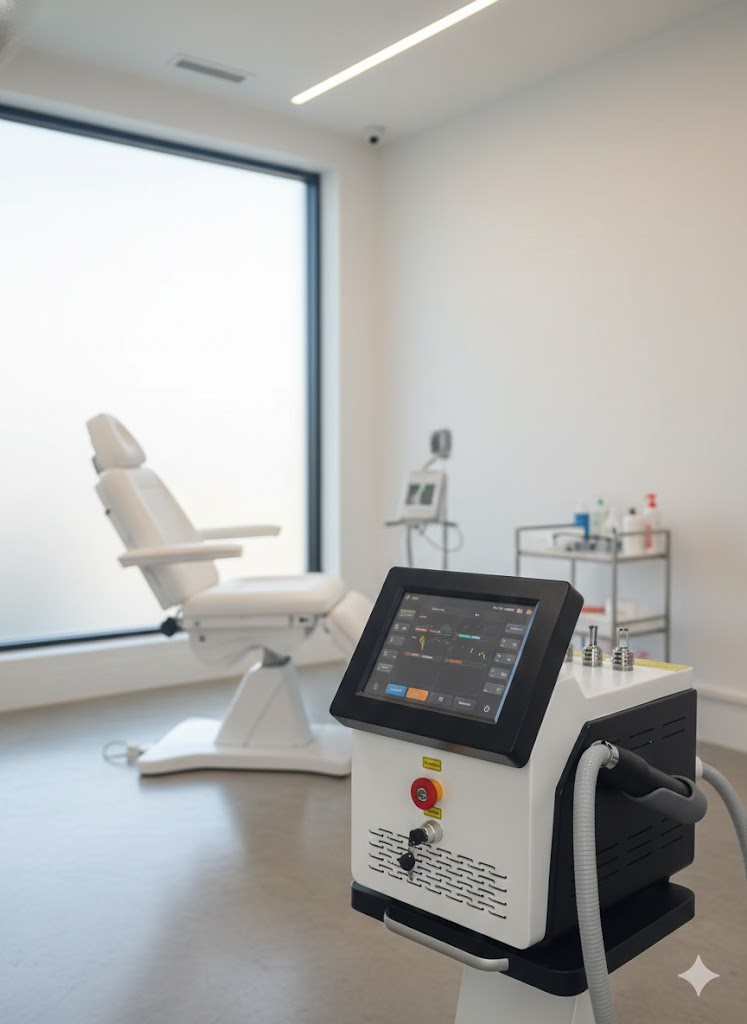
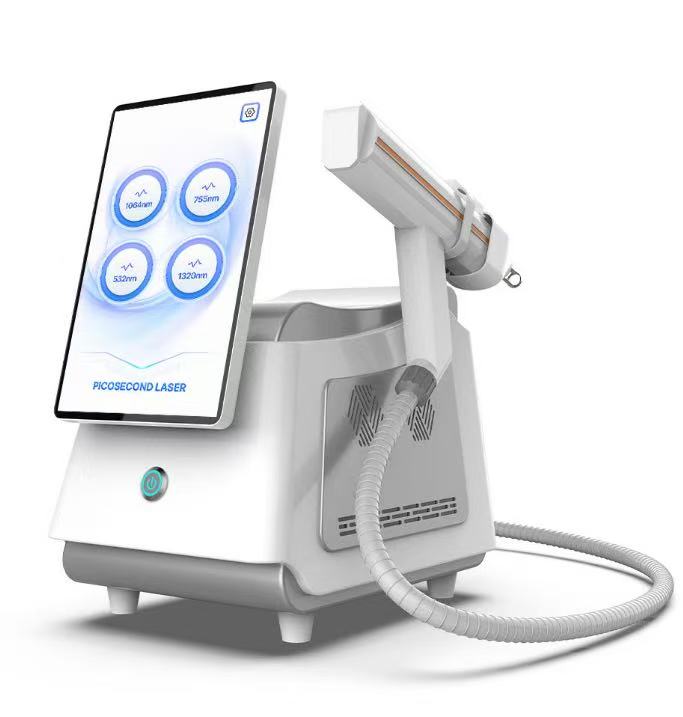
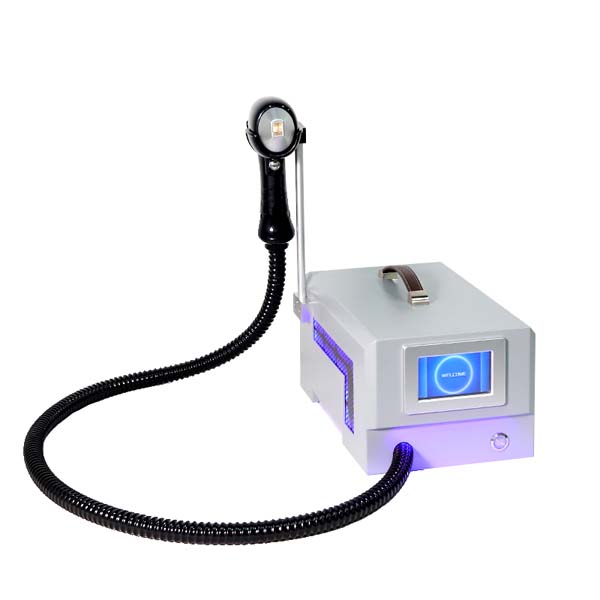
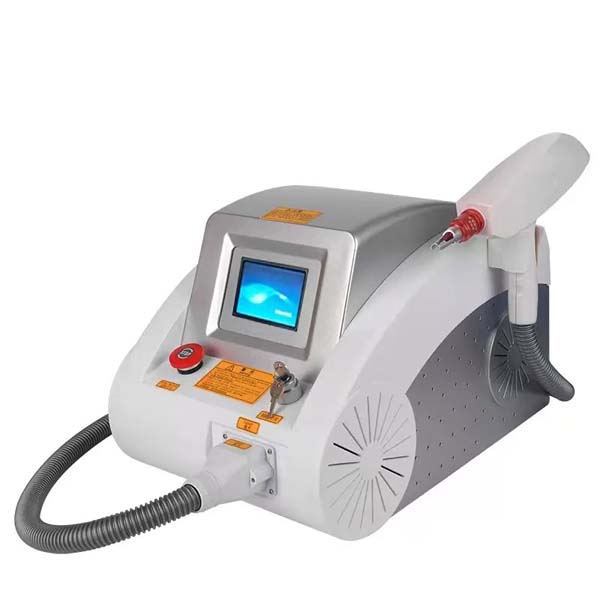
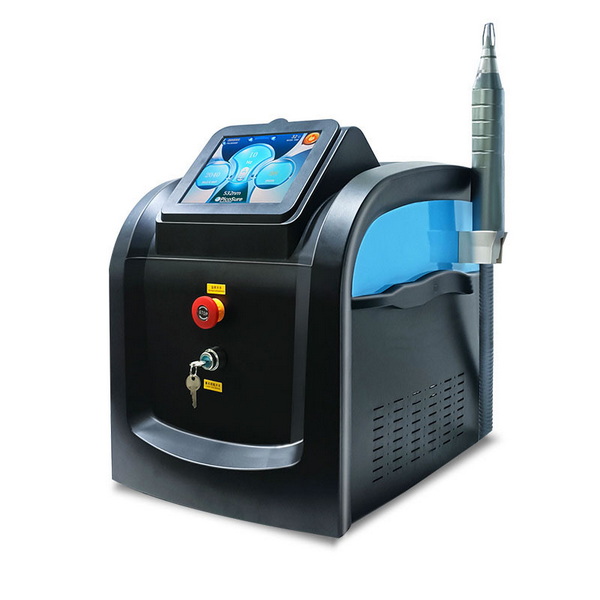
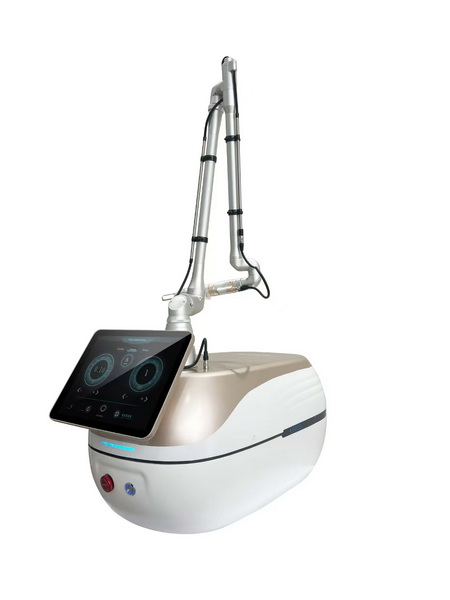
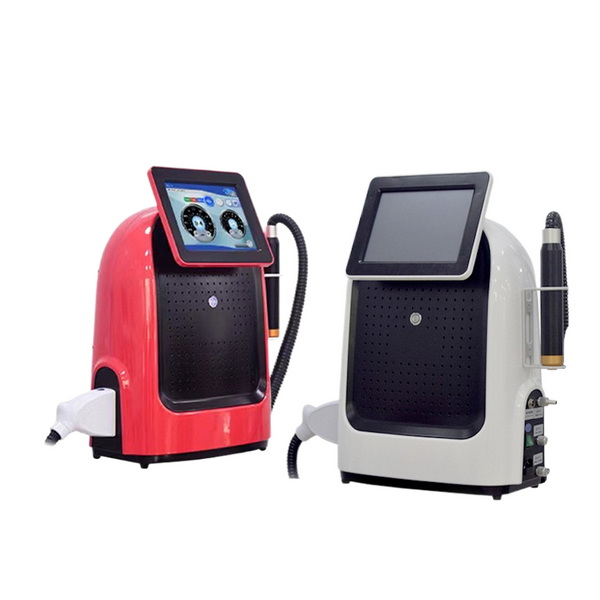
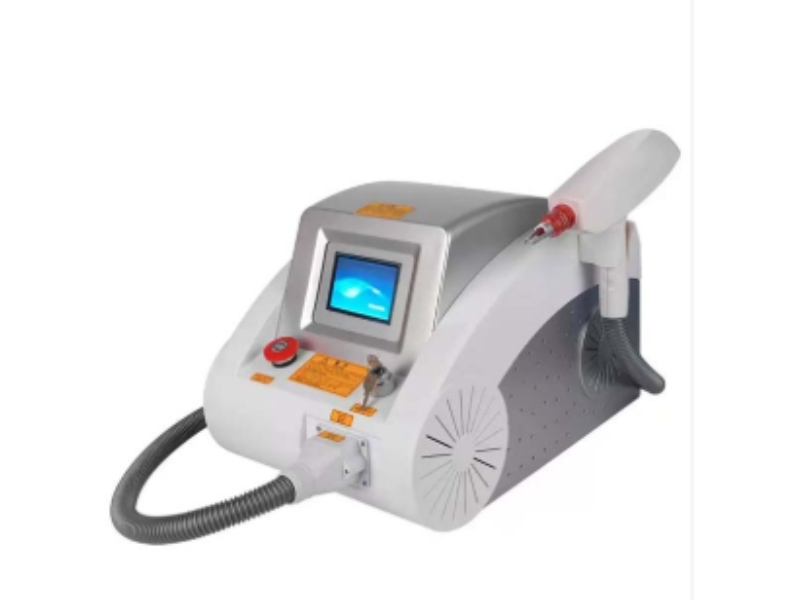
Tattoo Removal Machine

Tattoo Removal Machine: Features, Applications, and Advantages

Category Focus: Advanced Laser Pigment Removal

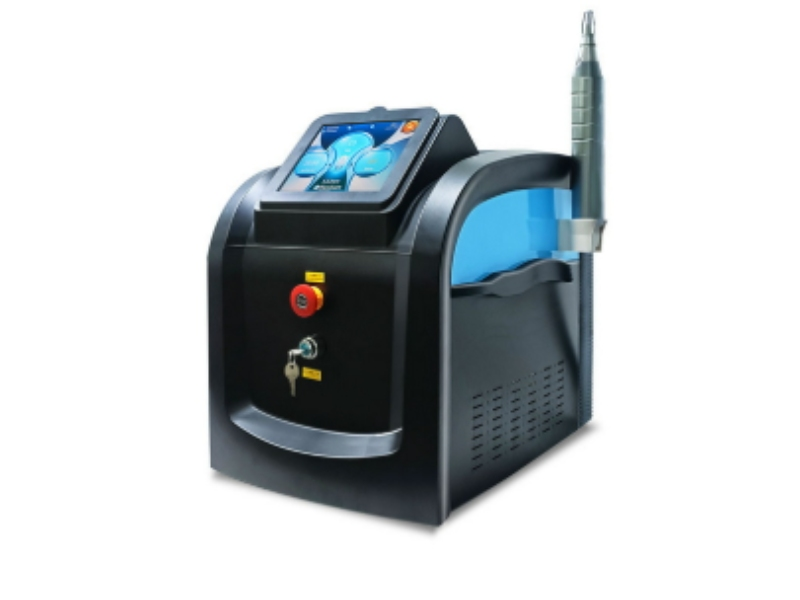
Tattoo Removal Machines, typically utilizing advanced laser technology like Q-switched Nd:YAG or Picosecond lasers, are the gold standard for effective and safe removal of unwanted tattoos. These devices work by emitting high-intensity, ultra-short pulses of light that shatter the tattoo ink pigments into tiny fragments via a photoacoustic effect. The body’s lymphatic system then naturally flushes these minute particles away, causing the tattoo to fade gradually. This method is preferred over traditional techniques like dermabrasion or excision due to its precision, minimal invasiveness, and reduced risk of scarring.

Key Features, Functions, and Attributes

Our machines incorporate Multiple Wavelengths (like 1064nm and 532nm) to successfully target a broad spectrum of Ink Color Removal, from deep black to stubborn red and green pigments. They feature Ultra-Short Pulse durations, including advanced Picosecond Laser technology, which ensures the high energy needed to effectively shatter Deep Pigment with minimal thermal damage.

hair removal machine

Tattoo Removal Machine Series

Partner with LANGWEN to create your own branded tattoo removal machines. Customize features and branding. Contact us for wholesale pricing.

ink removal laser device
picosecond laser tattoo removal machine
Picosecond laser for dark circles
2colors picosecond laser machine

Why Choose Langwen Med-Tech's Q-Switch Systems

hoose Langwen Tattoo Removal Machines for technology built on precision and unparalleled performance. Our proprietary Picosecond Pulse Technology shatters ink pigments into the finest dust, ensuring faster clearance (up to 40% fewer sessions) and superior results on complex, multi-colored tattoos without compromising patient comfort.

For our clients in the aesthetic market, this means rapid ROI maximization due to high patient turnover, minimal risk of scarring, and lower running costs compared to conventional systems. We provide comprehensive clinical training and a robust support network, guaranteeing your clinic operates with maximum efficiency and confidence, establishing your reputation as the definitive leader in advanced skin solutions.

Products Categories
Get A Free Quote
Contact Form Demo (#3)

Tattoo Removal Machine Applications

laser hair

Effective clearance of professional, amateur, and cosmetic tattoos.
laser removal

Skin Rejuvenation

Non-ablative laser toning to improve skin texture and tone.

Deep Dive into Tattoo Removal Machines: Classification, Technology, and Procurement Guide

This guide provides a detailed, structured overview of Tattoo Removal Machines, covering classification, technology, pricing, performance, logistics, and service commitments, optimized for clarity and technical detail.

I. Classification of Tattoo Removal Machines

Tattoo removal primarily relies on laser technology, utilizing the principle of selective photothermolysis. This involves ultra-short pulses that shatter ink particles, allowing the body’s lymphatic system to clear them. Machines are mainly categorized by their laser technology and pulse duration.

1. Classification by Laser Pulse Duration (Core Technology)

The pulse duration is the most critical factor determining efficacy and cost.

1.1 Picosecond Laser Machines

  • Pulse Duration: Picoseconds (10-12 seconds).

  • Mechanism: Generates a powerful photo-mechanical effect, shattering ink pigments into extremely fine dust, which accelerates metabolic clearance.

  • Advantages:

    • Faster Clearance: Requires fewer treatment sessions than nanosecond lasers.

    • Superior Efficacy: Highly effective for stubborn, difficult tattoos and challenging colors (e.g., green, blue, purple).

    • Minimal Thermal Damage: Increased patient comfort and reduced risk of scarring or side effects.

  • Application: All colors of tattoos, complex, and resistant tattoos.

1.2 Q-Switched Nanosecond Laser Machines

  • Pulse Duration: Nanoseconds (10-9 seconds).

  • Mechanism: Combines photo-thermal and photo-mechanical effects, breaking ink pigments into smaller fragments.

  • Main Types: Q-Switched Nd:YAG (most common), Q-Switched Ruby, Q-Switched Alexandrite.

  • Advantages:

    • Cost-Effective: Lower machine and per-treatment costs compared to Picosecond lasers.

    • Efficient for Dark Ink: Highly effective for black and deep-colored tattoos.

  • Application: Dark-colored tattoos (black, dark blue), and certain red/orange inks.

2. Classification by Structure and Application Level

2.1 Professional Vertical Systems

  • Characteristics: Larger footprint, high power output, advanced cooling systems, often multi-wavelength and multi-mode capable.

  • Target Market: Professional medical aesthetic clinics and large-scale beauty centers.

2.2 Desktop/Portable Systems

  • Characteristics: Compact, lightweight, easy to transport, typically lower power, often utilizing basic Q-Switched Nd:YAG technology.

  • Target Market: Small studios, entry-level operators, and home use (professional caution advised).

II. Estimated Price Ranges

The pricing for tattoo removal equipment varies significantly based on technology and manufacturing origin.

Price Range Breakdown (Approximate USD)

  • High-End Professional Vertical (Picosecond): Typically costs between $30,000 and $150,000+. These offer the fastest clearance rates and superior results for complex cases.

  • Mid-Range Professional Vertical (Q-Switched Nd:YAG): Usually priced from $10,000 to $30,000. These are reliable workhorse machines, offering a good balance of efficacy and cost-efficiency, especially for black ink.

  • Entry-Level/Multi-Function Systems: Ranges from $3,000 to $10,000. These may be basic Q-Switched lasers or combined with other cosmetic functions.

  • Desktop/Portable Units: Generally priced from $1,500 to $3,000. Lower power, suitable for small-scale operations or shallow tattoos.

 III. Core Performance Metrics and Manufacturing Process

1. Key Product Performance Indicators

  • Pulse Duration: The shorter the pulse (Picosecond vs. Nanosecond), the stronger the photo-mechanical effect, leading to better ink fragmentation and less thermal damage.

  • Wavelength: Determines which color of ink is absorbed. Standard wavelengths are 1064nm (black/dark blue) and 532nm (red/orange). Multi-wavelength systems (e.g., adding 755nm or 694nm) are necessary for full-color removal.

  • Fluence (Energy Density): Measured in J/cm ² . Higher fluence provides greater ink-shattering power but requires skilled operation.

  • Spot Size: The diameter of the laser beam. Larger spot sizes penetrate deeper and increase treatment speed.

  • Repetition Rate: The number of pulses per second. Higher rates accelerate treatment but require robust cooling systems.

  • Cooling System: Crucial for maintaining stable operation and protecting the patient’s epidermis to minimize pain and side effects.

 2. Manufacturing and Operation Process

2.1 Manufacturing Process Highlights

  1. Component Sourcing: Procuring the laser source (e.g., Nd:YAG rods, Picosecond generators), optical components, power supply, and control boards.

  2. System Integration: Assembling the laser core, articulated arm/fiber optic delivery system, control unit, and advanced cooling mechanism into the chassis.

  3. Optical Calibration: Precise alignment of the light path to ensure stable energy output and uniform beam profile.

  4. Rigorous Testing: Multiple stability tests for energy, frequency, and pulse width to meet safety and performance standards.

  5. Certification: Securing necessary safety and quality certifications (e.g., CE, ISO, FDA clearance).

2.2 Treatment Operation Process

  1. Assessment and Cleansing: Evaluate tattoo characteristics (color, depth, ink type) and cleanse the treatment area.

  2. Parameter Setting: Select the appropriate wavelength, fluence, and spot size based on the assessment.

  3. Preparation: Operator and patient wear protective eyewear; utilize a cooling device (air chiller or contact cooling) for skin protection.

  4. Laser Application: The operator uniformly covers the tattooed area with laser pulses.

  5. Immediate Reaction: The treated area exhibits immediate “frosting” (a white residue) as the ink shatters.

  6. Post-Care: Apply an antibiotic or healing ointment and provide detailed aftercare instructions.

 IV. Frequently Asked Questions (FAQ Guide)

Q1: What is the main difference between Picosecond and Nanosecond lasers?

A: The primary difference is the pulse duration and efficacy. Picosecond lasers have shorter pulses, resulting in more effective ink fragmentation, faster clearance, better results on colors and resistant tattoos, and less heat damage. Nanosecond lasers have longer pulses and are excellent for deep black ink but generally require more sessions.

Q2: Can one machine remove all tattoo colors?

A: Not typically. Effective removal requires specific wavelengths for different colors. Black/dark colors respond best to 1064nm. Red/orange respond best to 532nm. Green/blue often require a 755nm (Alexandrite) or 694nm (Ruby) wavelength. A truly comprehensive machine must be multi-wavelength.

Q3: How many treatments are usually required?

A: This varies based on the machine used, tattoo color, depth, and ink quality.

  • Nanosecond: Typically requires 6 to 15+ sessions.

  • Picosecond: Typically requires 4 to 10 sessions.Sessions are usually spaced 6 to 8 weeks apart.

Q4: How should I choose the right machine for my clinic?

A:

  1. Budget vs. Goal: High budget and focus on speed/full color removal: choose Picosecond. Lower budget, focus on dark tattoos: choose high-quality Q-Switched Nd:YAG.

  2. Verify Certifications: Ensure the machine holds reputable safety certifications (FDA, CE, ISO).

  3. Assess Support: Laser systems require long-term maintenance; verify the manufacturer’s warranty and technical support services.

V. Delivery, Logistics, and Service Commitment

1. Delivery Timeline

  • In-Stock Standard Models: Typically ready for testing, professional crating, and dispatch within 7 to 15 business days.

  • Custom or Large Systems: May require 30 to 60 business days for production, custom configuration, and comprehensive quality control.

 2. Logistics and Transportation Methods

Given the high value and precision of laser equipment, specialized shipping is required:

  1. Air Freight: The fastest and safest method, recommended for most professional units. Requires specialized anti-shock wooden crating. Transit time is typically 5 to 10 days.

  2. Sea Freight: Suitable for large volume orders or customers prioritizing low cost. Transit time is significantly longer (30 to 45 days).

3. Service Commitment

We ensure comprehensive support throughout the equipment’s lifespan:

  1. Quality Guarantee: A standard 1 to 3-year warranty on the main unit (as per contract terms).

  2. Free Training: Comprehensive online and/or on-site operational training to ensure staff proficiency in usage, parameter setting, and maintenance.

  3. Lifetime Technical Support: Dedicated lifetime technical consultation via phone, video, or email.

  4. Parts Supply: Commitment to long-term supply of original core components for sustained operational stability.

  5. Rapid Response: Guarantee of a 24 to 48-hour response time for technical inquiries or fault reports.

Scroll to Top

Get A Free Quote Now !

Contact Form Demo (#3)
If you have any questions, please do not hesitate to contatct us.