Introduction to the Revolution of Portable Shock Waves Equipment
In the realm of regenerative medicine and physiotherapy, few innovations have matched the impact of Extracorporeal Shock Wave Therapy (ESWT). Historically, these machines were massive, stationary units confined to specialized hospital wings. However, the advent of portable shock waves equipment has decentralized this treatment, bringing high-energy acoustic therapy into private clinics, sports locker rooms, and even home-care settings.
The shift toward portable shock waves equipment represents a marriage of advanced acoustic physics and ergonomic engineering. By miniaturizing the power source without sacrificing the therapeutic integrity of the wave, manufacturers have empowered clinicians to treat musculoskeletal disorders with unprecedented flexibility.
Understanding the Physics Behind Portable Shock Waves Equipment
To appreciate why portable shock waves equipment is effective, one must understand the underlying mechanics. A “shock wave” is a transient acoustic pulse characterized by a rapid rise in pressure followed by a brief negative pressure phase.
Radial vs. Focused Shock Waves in Portable Units
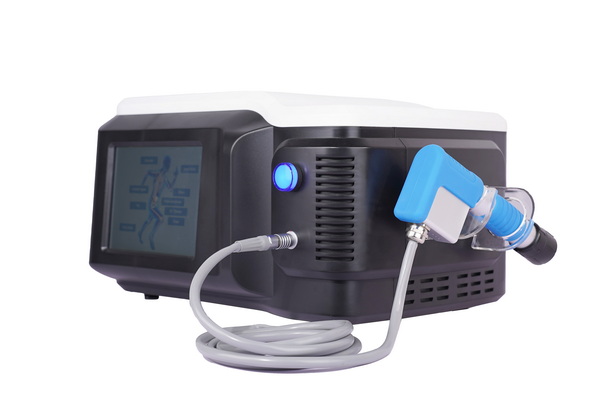
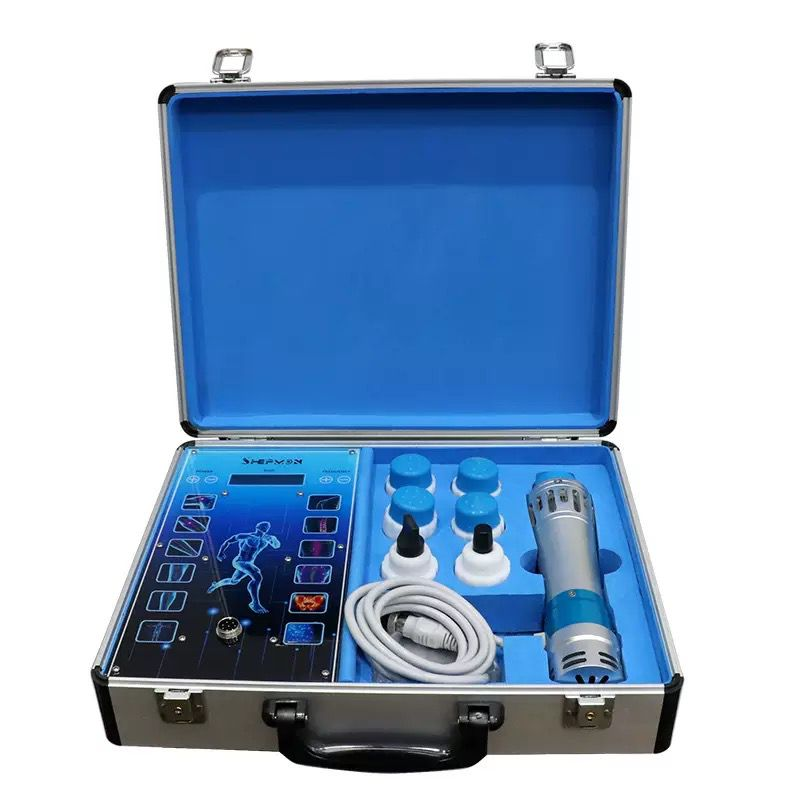
Most portable shock waves equipment on the market utilizes Radial Shock Wave Therapy (RSWT). In these systems, a projectile is accelerated using compressed air or electromagnetic fields to strike a transmitter. The kinetic energy is converted into a pressure wave that radiates outward into the tissue.
While “focused” shock waves penetrate deeper to a specific point, radial portable shock waves equipment is ideal for treating superficial tissues, such as the plantar fascia or the Achilles tendon, making it a versatile tool for general physical therapy.
Energy Flux Density and Frequency Control
Modern portable shock waves equipment allows practitioners to fine-tune the Energy Flux Density (EFD). Measured in $mJ/mm^2$, this parameter dictates how much energy is delivered to the treatment area. High-quality portable shock waves equipment provides a range of frequencies (typically 1–22 Hz), allowing for customized treatment protocols based on patient tolerance and the chronicity of the injury.
Key Clinical Applications of Portable Shock Waves Equipment
The primary draw of portable shock waves equipment is its broad spectrum of clinical indications. It is no longer just for “breaking up kidney stones”; it is now a primary intervention for chronic pain management.
Treatment of Tendinopathies
The most common use for portable shock waves equipment is the treatment of chronic tendinopathies. Conditions such as:
-
Plantar Fasciitis: Often treated with 3-5 sessions of portable shock waves equipment.
-
Lateral Epicondylitis (Tennis Elbow): Highly responsive to the mechanical stimulation provided by these devices.
-
Calcific Tendinitis of the Shoulder: Portable shock waves equipment helps in the resorption of calcium deposits.
Bone Healing and Non-unions
Advanced portable shock waves equipment is increasingly used to stimulate osteoblast activity. By creating micro-trauma in the bone tissue, the equipment triggers a healing response in “non-union” fractures where traditional healing has stalled.
Advantages of Investing in Portable Shock Waves Equipment
For clinic owners and independent therapists, the transition to portable shock waves equipment offers several strategic advantages.
Mobility and Space Optimization
In a busy multidisciplinary clinic, space is a premium. Portable shock waves equipment can be easily moved between treatment rooms or stored in a cabinet when not in use. For sports therapists traveling with teams, the “portability” factor of portable shock waves equipment ensures that elite athletes receive immediate care on the road.
Cost-Effectiveness and ROI
Compared to stationary surgical-grade lithotripters, portable shock waves equipment is significantly more affordable. The lower entry price, combined with low consumable costs (mainly the replacement of the projectile and tube after several million shocks), ensures a rapid Return on Investment (ROI) for most practices.
Technical Specifications to Look for in Portable Shock Waves Equipment
Not all portable shock waves equipment is created equal. When evaluating a unit, several technical benchmarks should be considered.
Compressor vs. Electromagnetic Systems
-
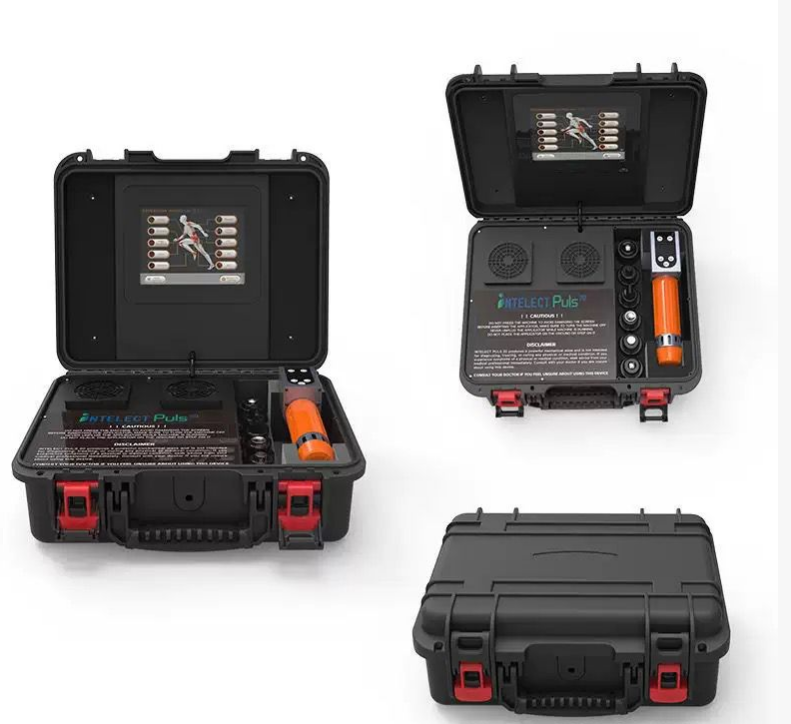
Pneumatic (Compressor-based): Often found in high-end portable shock waves equipment, providing consistent power but requiring slightly more maintenance.
-
Electromagnetic: Usually results in quieter portable shock waves equipment with a more “soft” pulse, which may be more comfortable for sensitive patients.
User Interface and Pre-set Protocols
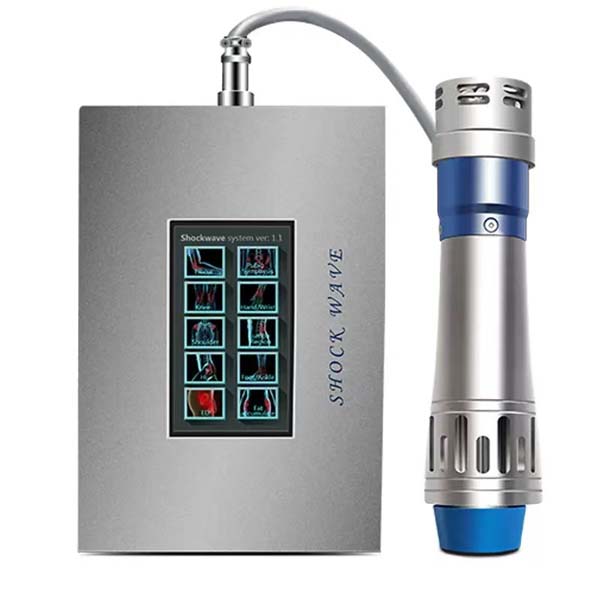
The best portable shock waves equipment features an intuitive touchscreen interface with built-in anatomical libraries. This allows the operator to select a condition—like “Patellar Tendinopathy”—and have the portable shock waves equipment automatically suggest the appropriate pressure (bars) and shock count.
Biological Effects Triggered by Portable Shock Waves Equipment
The efficacy of portable shock waves equipment isn’t just “placebo” or “massage.” It induces specific biological changes through a process called mechanotransduction.
Neovascularization
Portable shock waves equipment promotes the expression of growth factors like VEGF (Vascular Endothelial Growth Factor). This leads to the formation of new blood vessels, improving oxygenation and nutrient delivery to damaged tissues.
Pain Reduction through Substance P Depletion
Exposure to the acoustic pulses of portable shock waves equipment leads to a localized depletion of Substance P, a neurotransmitter associated with intense pain. Furthermore, the “Gate Control Theory” suggests that the intense stimulation from the portable shock waves equipment overloads the nerves, effectively “closing the gate” to chronic pain signals.
Safety Protocols and Contraindications
While portable shock waves equipment is non-invasive and generally safe, there are strict guidelines to follow to ensure patient safety.
Who Should Avoid Treatment?
Clinicians should not use portable shock waves equipment on patients with:
-
Pregnancy (near the abdominal area).
-
Blood clotting disorders or those on high-dose anticoagulants.
-
Tumors in the treatment area.
-
Proximity to lung tissue or the heart.
Managing Side Effects
Post-treatment with portable shock waves equipment, patients may experience mild bruising, redness, or a temporary increase in pain. High-quality portable shock waves equipment allows for “ramp-up” modes that start at low intensity to minimize patient discomfort during the initial phase of the session.
The Future of Portable Shock Waves Equipment: Trends to Watch
As technology matures, portable shock waves equipment is becoming “smarter.” We are seeing the integration of AI to track patient progress and IoT connectivity that allows manufacturers to diagnose hardware issues in portable shock waves equipment remotely.
Furthermore, the miniaturization of portable shock waves equipment continues. We may soon see “handheld” versions that maintain the power of current “tabletop” models, further expanding the reach of this life-changing therapy.
Conclusion: Integrating Portable Shock Waves Equipment into Modern Practice
In conclusion, portable shock waves equipment has bridged the gap between complex hospital procedures and accessible clinical care. By offering a non-surgical, drug-free alternative for chronic pain, portable shock waves equipment has become an indispensable asset in the toolkit of the modern healthcare provider. Whether you are looking to improve patient outcomes or grow your clinic’s service offerings, the right portable shock waves equipment represents a sound investment in the future of rehabilitative medicine.