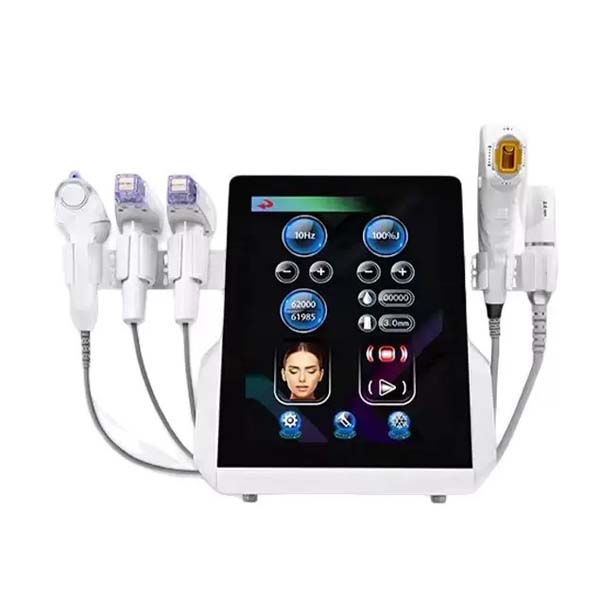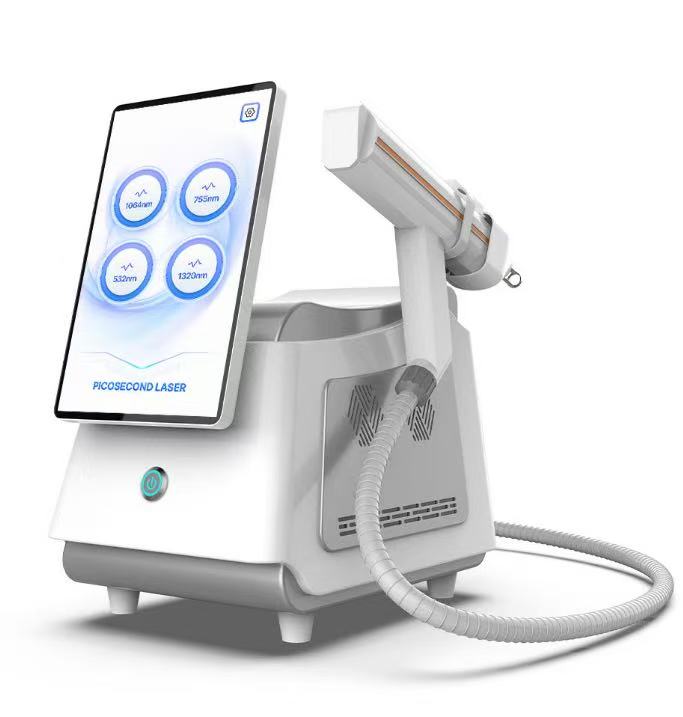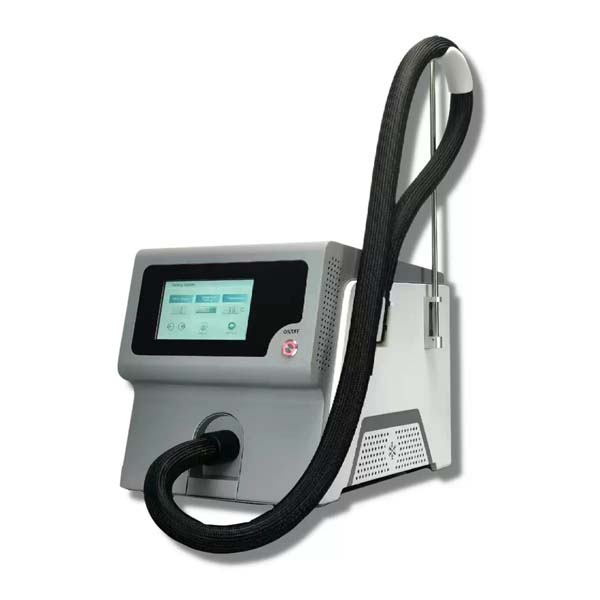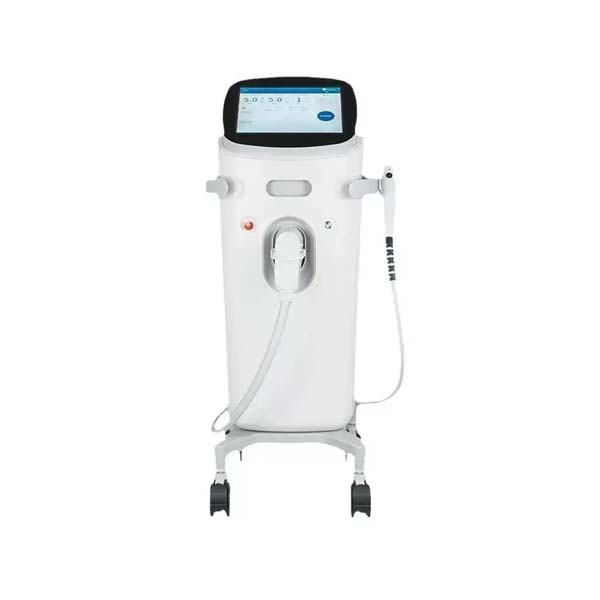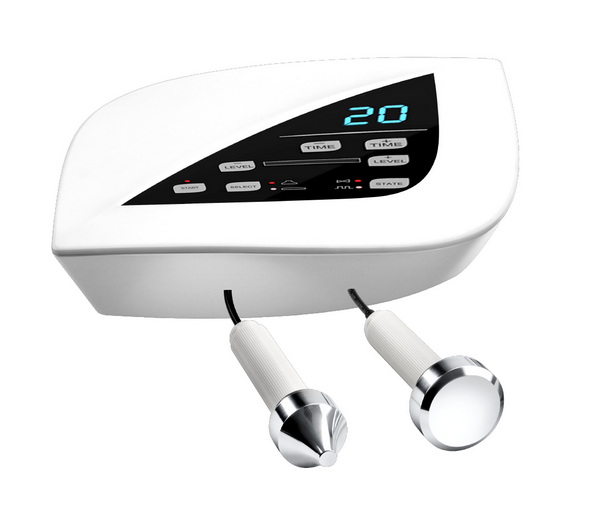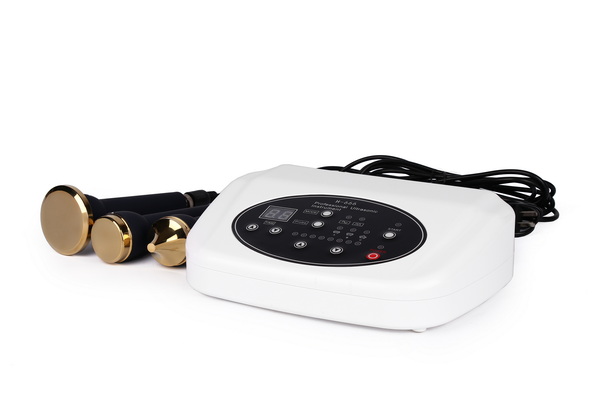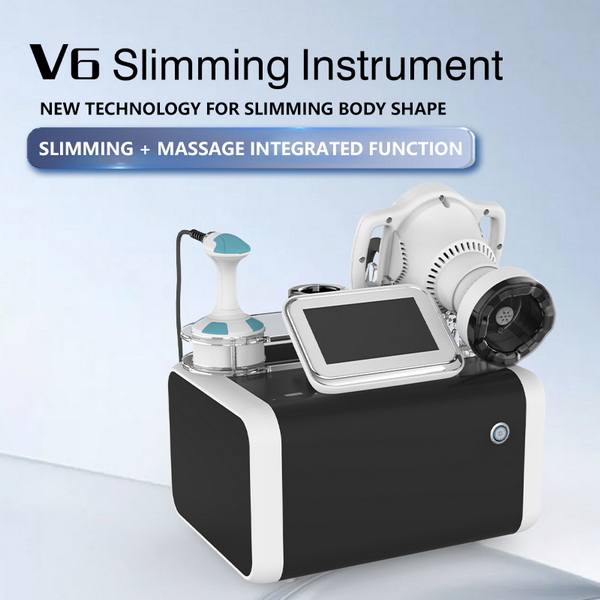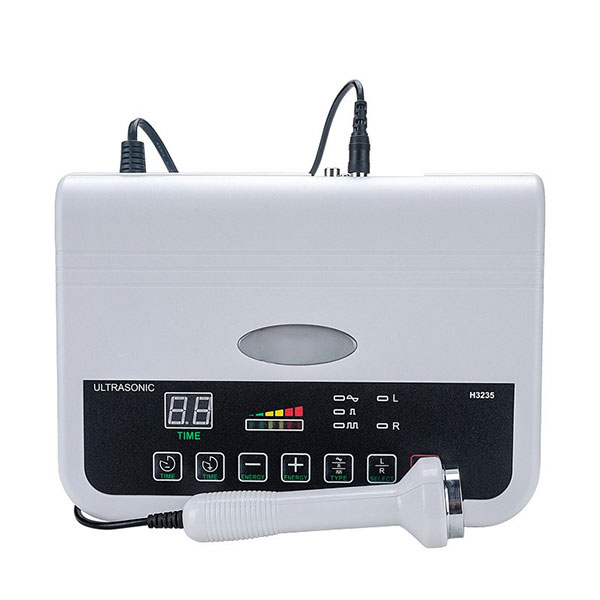
In the evolving landscape of physical therapy and regenerative medicine, ultrasonic shock wave therapy has emerged as a cornerstone treatment for musculoskeletal disorders. Often referred to simply as shockwave therapy, this non-invasive technology utilizes acoustic waves to carry high energy to painful spots and myoskeletal tissues with subacute, subchronic, and chronic conditions. The primary goal of ultrasonic shock wave therapy is to jumpstart the body’s natural healing response, providing a viable alternative to surgical intervention for many patients.
The energy delivered via ultrasonic shock wave therapy promotes regeneration and reparative processes of the bones, tendons, and other soft tissues. By understanding how ultrasonic shock wave therapy interacts with human biology, medical professionals can better apply this tool to alleviate pain and restore mobility in patients who have failed to respond to traditional conservative treatments.
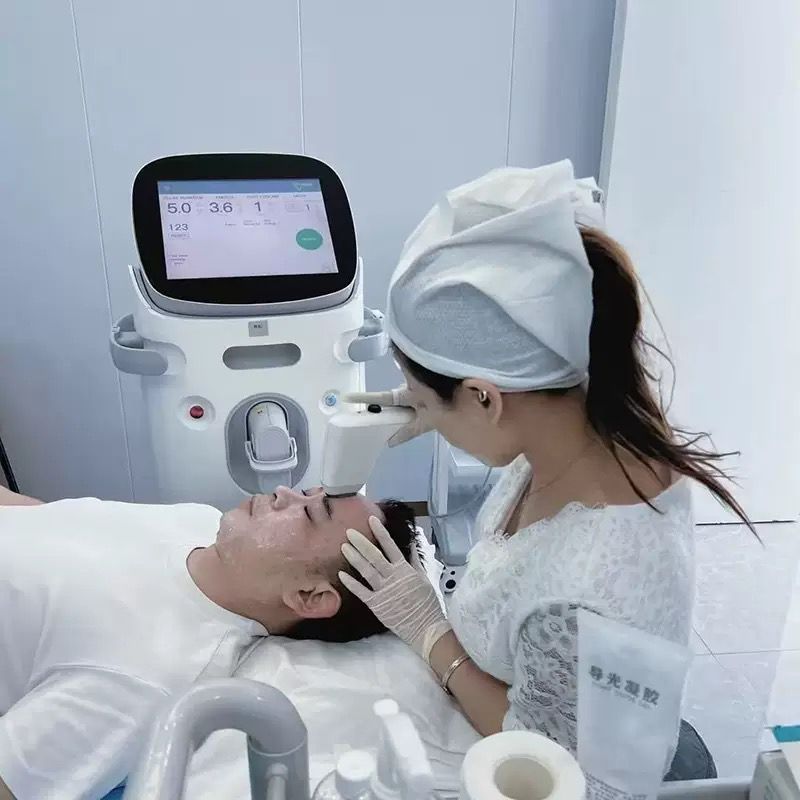
The Science Behind Ultrasonic Shock Wave Therapy
To appreciate the efficacy of ultrasonic shock wave therapy, one must understand the physics of the acoustic waves themselves. These are not simple sound waves; they are characterized by a rapid jump in pressure followed by a negative pressure phase.
Cavitation and Biological Mechanisms
One of the most critical effects of ultrasonic shock wave therapy is the phenomenon of cavitation. When the acoustic waves pass through a medium, they create small bubbles that expand and collapse. This process in ultrasonic shock wave therapy creates micro-tears in the tissue, which sounds counterintuitive but is actually the key to its success. These micro-injuries trigger the release of growth factors and stimulate neovascularization—the formation of new blood vessels. Through ultrasonic shock wave therapy, blood flow to the affected area increases, bringing the necessary nutrients for cellular repair.
Disruption of Calcification
For patients suffering from calcific tendonitis, ultrasonic shock wave therapy acts as a mechanical hammer. The high-energy pulses of ultrasonic shock wave therapy can break down calcium deposits into smaller particles, which are then absorbed by the body’s lymphatic system. This specific application of ultrasonic shock wave therapy has revolutionized the treatment of shoulder pain, often sparing patients from the need for arthroscopic surgery.
Clinical Applications of Ultrasonic Shock Wave Therapy
The versatility of ultrasonic shock wave therapy allows it to be used across a wide range of clinical scenarios. From professional athletes to office workers with repetitive strain injuries, ultrasonic shock wave therapy offers a path to recovery.
Plantar Fasciitis and Heel Spurs
One of the most common uses for ultrasonic shock wave therapy is in the treatment of chronic plantar fasciitis. When stretching and orthotics fail, ultrasonic shock wave therapy provides a potent stimulus to the thick band of tissue on the bottom of the foot. Research indicates that ultrasonic shock wave therapy significantly reduces morning pain and improves overall foot function within just a few sessions.
Achilles Tendinopathy
The Achilles tendon is notorious for its poor blood supply, which makes healing difficult. ultrasonic shock wave therapy addresses this by inducing a localized inflammatory response that recruits healing cells to the tendon. By integrating ultrasonic shock wave therapy into a rehabilitation program, patients often experience faster return-to-sport times compared to eccentric loading exercises alone.
Lateral Epicondylitis (Tennis Elbow)
Chronic elbow pain can be debilitating. ultrasonic shock wave therapy targets the degenerated tendon fibers at the lateral epicondyle. Because ultrasonic shock wave therapy numbs the nerve endings in the short term (hyperstimulation anesthesia), patients often feel immediate relief, followed by long-term tissue remodeling over the subsequent weeks of ultrasonic shock wave therapy sessions.
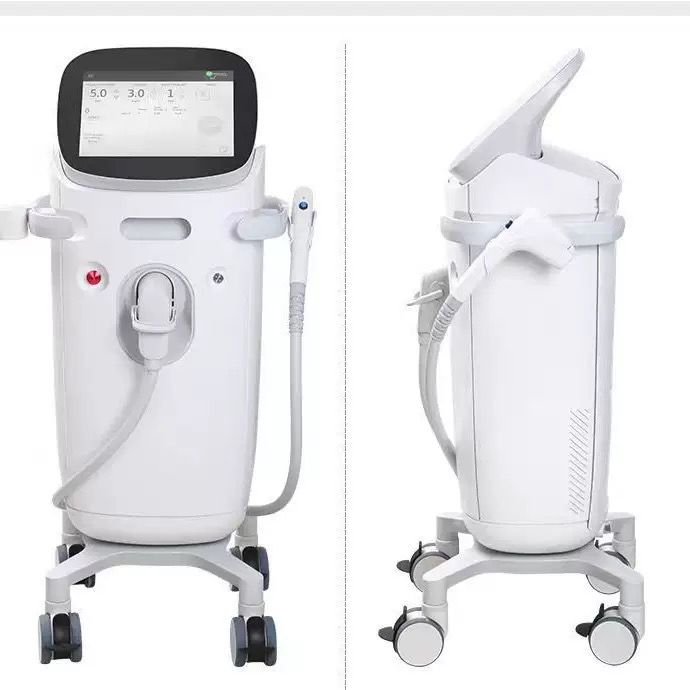
The Procedure: What to Expect During Ultrasonic Shock Wave Therapy
Many patients are apprehensive about the word “shock,” but ultrasonic shock wave therapy does not involve electrical shocks. It is a mechanical process.
Preparation and Application
During a session of ultrasonic shock wave therapy, a clinician will apply a coupling gel to the skin. This gel ensures that the acoustic waves from the ultrasonic shock wave therapy device are transmitted efficiently into the body without losing energy at the air-skin interface. The technician then moves the ultrasonic shock wave therapy applicator over the painful area in a circular or grid-like pattern.
Intensity and Sensation
The intensity of the ultrasonic shock wave therapy is usually adjusted based on patient tolerance. While ultrasonic shock wave therapy can be slightly uncomfortable, it should not be excruciating. The feedback from the patient is vital, as the clinician uses it to pinpoint the “trigger points” where ultrasonic shock wave therapy will be most effective. A typical session of ultrasonic shock wave therapy lasts between 10 to 20 minutes, depending on the number of shocks delivered.
Advantages of Ultrasonic Shock Wave Therapy Over Surgery
The shift toward minimally invasive medicine has placed ultrasonic shock wave therapy in the spotlight. There are several reasons why both doctors and patients prefer ultrasonic shock wave therapy as a primary intervention.
-
No Anesthesia Required: Unlike surgery, ultrasonic shock wave therapy is performed in an outpatient setting without the risks associated with general or local anesthesia.
-
Zero Downtime: Patients receiving ultrasonic shock wave therapy can usually walk out of the clinic and resume most daily activities immediately, whereas surgery requires weeks or months of recovery.
-
Cost-Effectiveness: ultrasonic shock wave therapy is significantly less expensive than the cumulative costs of surgical facility fees, surgeon fees, and post-operative physical therapy.
-
Safety Profile: The side effects of ultrasonic shock wave therapy are minimal, usually limited to temporary redness or slight swelling at the treatment site.
Chronic Pain Management and Ultrasonic Shock Wave Therapy
Beyond specific tendon injuries, ultrasonic shock wave therapy is finding its place in the broader field of chronic pain management. For individuals who have lived with myofascial pain syndrome for years, ultrasonic shock wave therapy offers a way to break the cycle of pain.
Myofascial Trigger Points
Trigger points are “knots” in the muscle that can cause referred pain. ultrasonic shock wave therapy is exceptionally good at penetrating deep into the muscle belly to release these points. The acoustic energy of ultrasonic shock wave therapy helps to relax the muscle fibers and improve metabolic activity in the area, leading to a reduction in muscle tension.
Bone Healing and Non-Unions
In cases where a bone fracture fails to heal (non-union), ultrasonic shock wave therapy can be used to stimulate osteoblast activity. The mechanical stress provided by ultrasonic shock wave therapy signals the bone to start depositing new minerals, effectively “tricking” the body into finishing the repair process that had previously stalled.
Comparison: Radial vs. Focused Ultrasonic Shock Wave Therapy
It is important to note that there are two main types of ultrasonic shock wave therapy technology used in clinical practice: radial and focused.
Radial Pressure Waves
Radial ultrasonic shock wave therapy spreads the energy over a larger surface area. It is most effective for treating superficial tissues and large muscle groups. Most “shockwave” machines found in chiropractic or physiotherapy offices utilize radial ultrasonic shock wave therapy because of its versatility and lower cost.
Focused Shock Waves
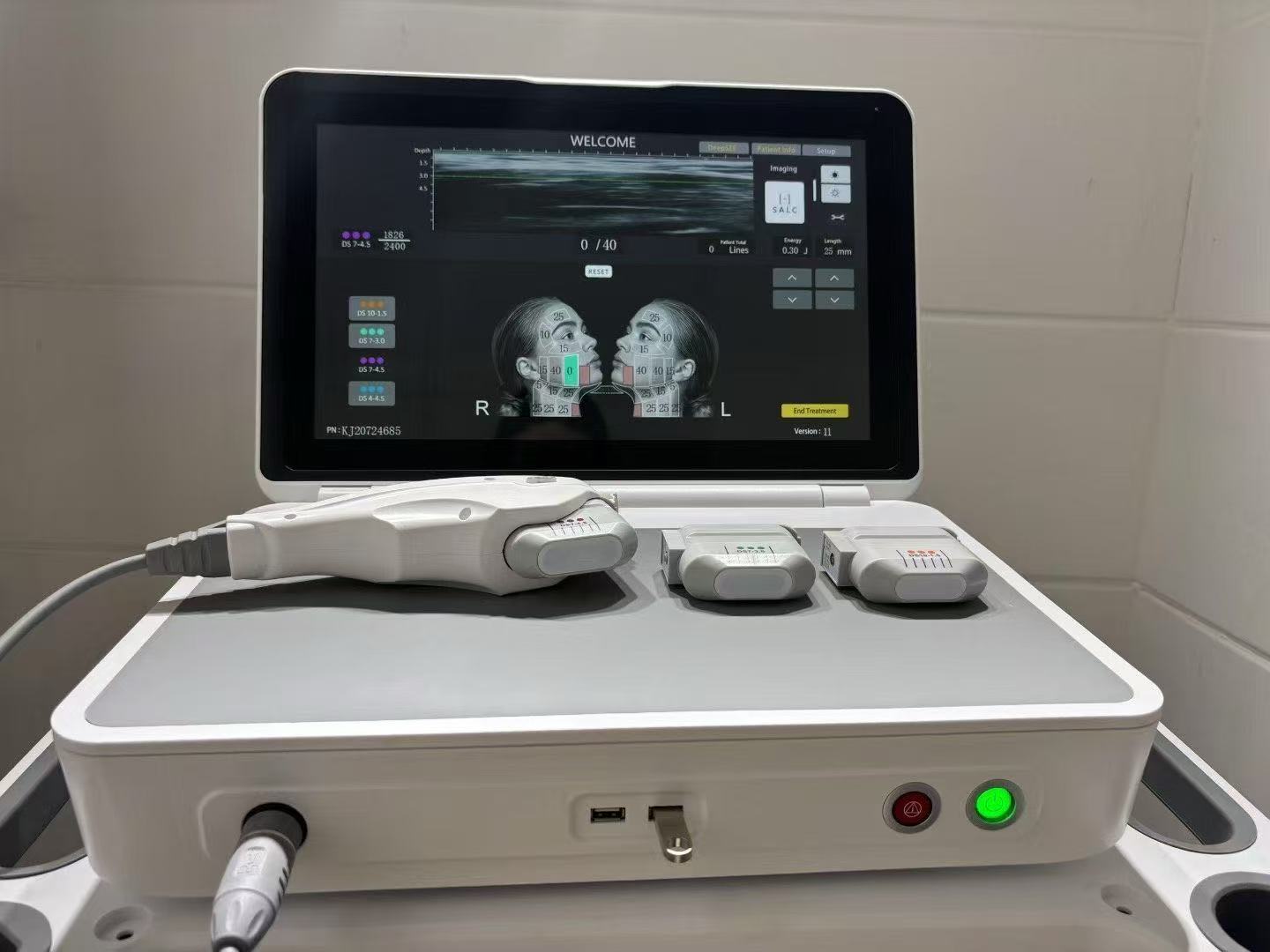
Focused ultrasonic shock wave therapy penetrates deeper into the body and concentrates the energy on a single point. This type of ultrasonic shock wave therapy is often used for deep-seated issues, such as femoral head necrosis or deep-seated calcifications. Because focused ultrasonic shock wave therapy is more powerful, it is sometimes performed under ultrasound guidance to ensure the waves are hitting the precise anatomical target.
The Future of Ultrasonic Shock Wave Therapy
As research continues, the boundaries of ultrasonic shock wave therapy are expanding into new medical frontiers.
Wound Healing and Dermatology
Recent studies have explored the use of low-energy ultrasonic shock wave therapy for treating diabetic foot ulcers and chronic wounds. By stimulating skin regeneration and reducing inflammation, ultrasonic shock wave therapy can help heal wounds that have remained open for months, significantly reducing the risk of infection and amputation.
Urological Applications
Interestingly, ultrasonic shock wave therapy has been adapted for urological health, specifically for treating Erectile Dysfunction (ED) and Chronic Pelvic Pain Syndrome. In these cases, ultrasonic shock wave therapy helps improve blood flow to the pelvic region, offering a non-pharmacological solution to conditions that previously relied heavily on medication.
Contraindications and Safety of Ultrasonic Shock Wave Therapy
While ultrasonic shock wave therapy is remarkably safe, it is not suitable for everyone. A thorough screening is necessary before starting ultrasonic shock wave therapy.
-
Pregnancy: ultrasonic shock wave therapy should not be used near the abdomen or lower back of a pregnant woman.
-
Blood Clotting Disorders: Patients on heavy anticoagulants may experience excessive bruising from ultrasonic shock wave therapy.
-
Tumors: ultrasonic shock wave therapy is avoided in areas where malignant tumors are present to prevent any potential spread of cells.
-
Growth Plates: In children, ultrasonic shock wave therapy is generally not applied directly over open epiphyseal plates.
Conclusion: Why Choose Ultrasonic Shock Wave Therapy?
In conclusion, ultrasonic shock wave therapy represents a bridge between conservative care and invasive surgery. Its ability to modulate pain, break down calcification, and stimulate cellular regeneration makes ultrasonic shock wave therapy an invaluable tool in modern orthopedics.
Whether you are struggling with a stubborn case of tennis elbow or the agonizing pain of plantar fasciitis, ultrasonic shock wave therapy provides a scientifically backed, safe, and effective treatment option. As technology improves and the cost of ultrasonic shock wave therapy equipment becomes more accessible, it is likely that ultrasonic shock wave therapy will become a standard first-line treatment for various musculoskeletal conditions worldwide. The success of ultrasonic shock wave therapy lies in its simplicity: using the power of sound to heal the body from within.