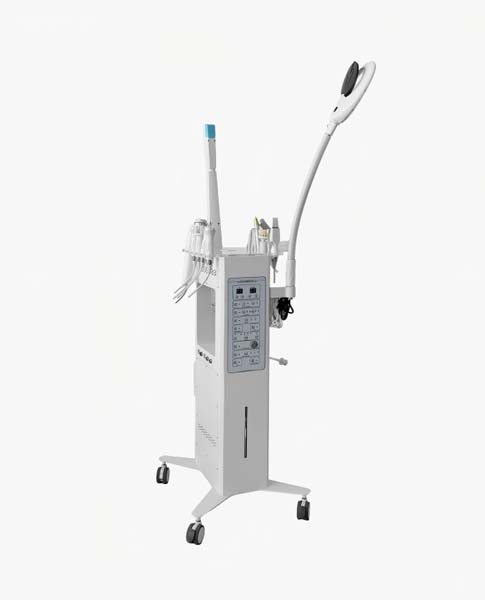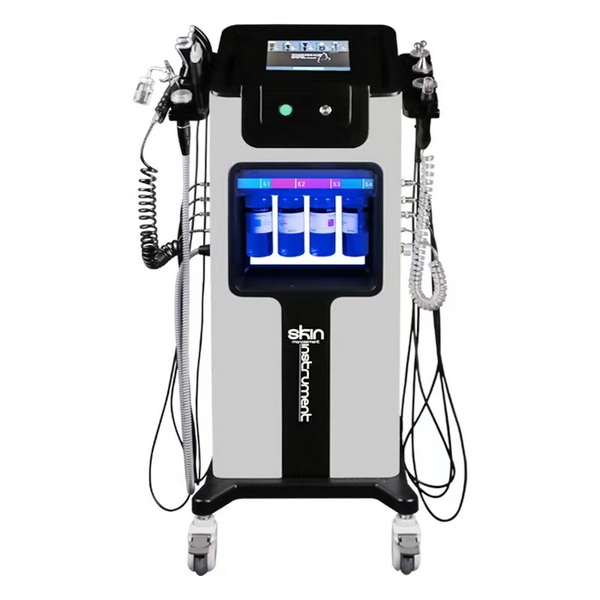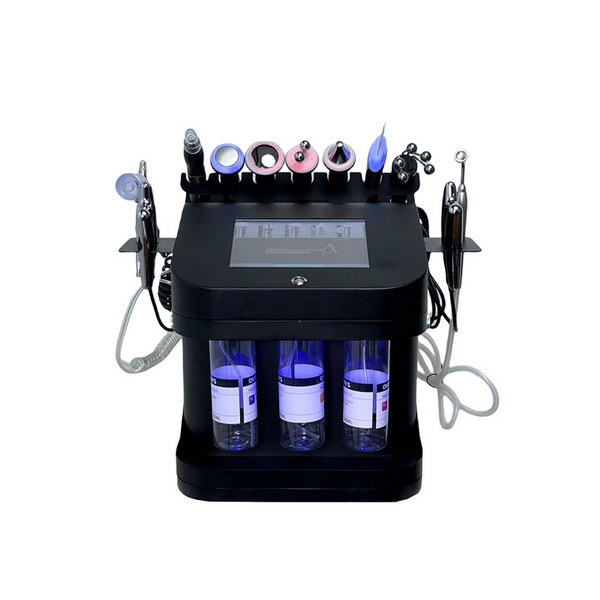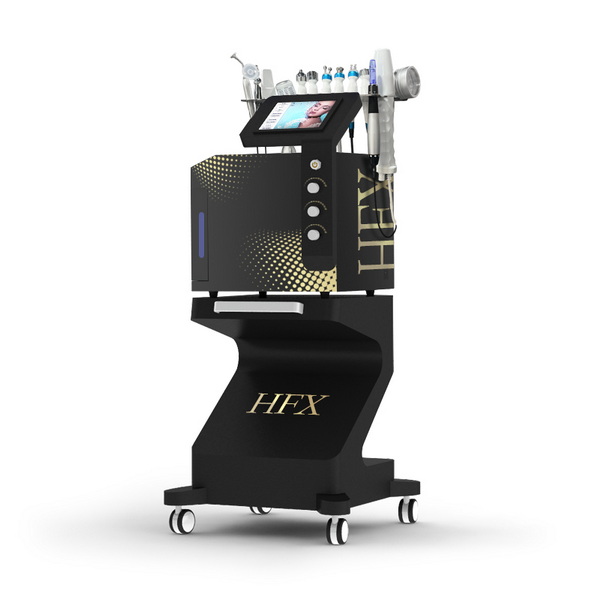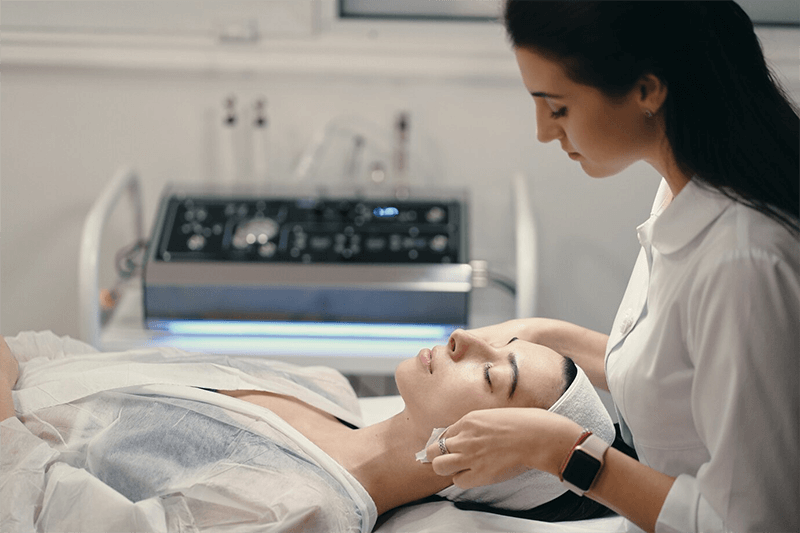
Photodynamic Therapy (PDT) is an innovative and rapidly evolving medical and aesthetic treatment that has gained global recognition for its effectiveness, safety, and versatility. Photodynamic Therapy combines light energy, a photosensitizing agent, and oxygen to produce a therapeutic effect that selectively targets abnormal or damaged cells. Over the past few decades, Photodynamic Therapy has been widely used in dermatology, oncology, ophthalmology, and cosmetic treatments.
The growing popularity of Photodynamic Therapy is driven by its minimally invasive nature, reduced side effects, and ability to deliver precise results. Unlike traditional treatments such as surgery or systemic medications, Photodynamic Therapy offers a targeted approach that minimizes damage to surrounding healthy tissues.
How Photodynamic Therapy Works
The Core Mechanism of Photodynamic Therapy
Photodynamic Therapy works through a three-step process:
- Application of a photosensitizing agent
- Activation using a specific wavelength of light
- Oxygen interaction to produce reactive oxygen species
In Photodynamic Therapy, the photosensitizer is applied to the treatment area or administered systemically. After a specific incubation period, the targeted tissue absorbs the photosensitizer. Then, a light source—often LED, laser, or near-infrared radiation—is used to activate the compound.
Once activated, Photodynamic Therapy generates reactive oxygen species (ROS), which destroy abnormal cells, bacteria, or damaged tissues. This selective destruction is what makes Photodynamic Therapy highly effective and safe.
Types of Photodynamic Therapy
Medical Photodynamic Therapy
Medical Photodynamic Therapy is primarily used for treating various diseases, including:
- Skin cancers such as basal cell carcinoma
- Precancerous lesions like actinic keratosis
- Certain internal cancers
Photodynamic Therapy in oncology provides a non-invasive alternative for patients who may not be suitable for surgery or chemotherapy.
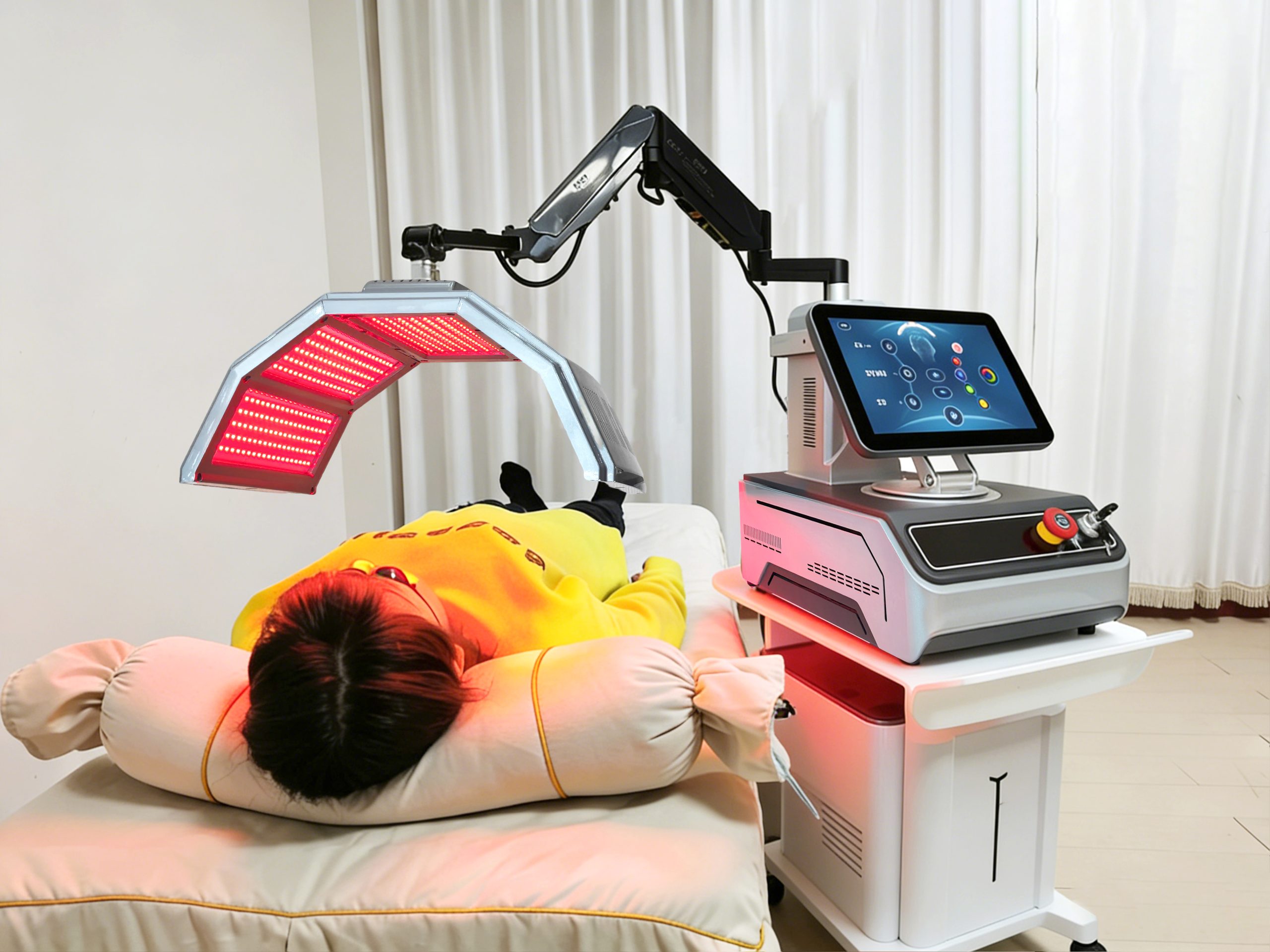
Aesthetic Photodynamic Therapy
In the beauty and skincare industry, Photodynamic Therapy is widely used for:
- Acne treatment
- Skin rejuvenation
- Anti-aging
- Pigmentation reduction
Aesthetic Photodynamic Therapy often uses LED light combined with topical photosensitizers to improve skin texture and tone.
Benefits of Photodynamic Therapy
Photodynamic Therapy offers numerous advantages over traditional treatments:
Non-Invasive Treatment
Photodynamic Therapy does not require incisions or injections in many cases, making it a preferred choice for patients seeking non-invasive options.
Targeted Precision
One of the key strengths of Photodynamic Therapy is its ability to selectively target abnormal cells while preserving healthy tissue.
Minimal Downtime
Patients undergoing Photodynamic Therapy typically experience minimal recovery time compared to surgical procedures.

Versatility
Photodynamic Therapy can be used for a wide range of conditions, from medical treatments to cosmetic improvements.
Applications of Photodynamic Therapy in Dermatology
Acne Treatment with Photodynamic Therapy
Photodynamic Therapy is highly effective in treating moderate to severe acne. It works by:
- Reducing sebaceous gland activity
- Killing acne-causing bacteria
- Decreasing inflammation
Many dermatologists recommend Photodynamic Therapy as an alternative to long-term antibiotic use.
Anti-Aging and Skin Rejuvenation
Photodynamic Therapy stimulates collagen production and improves skin elasticity. Regular sessions of Photodynamic Therapy can:
- Reduce fine lines and wrinkles
- Improve skin tone
- Enhance overall skin texture
Treatment of Hyperpigmentation
Photodynamic Therapy helps break down excess melanin, making it effective for treating:
- Sunspots
- Age spots
- Uneven skin tone
Photodynamic Therapy in Oncology
Cancer Treatment
Photodynamic Therapy is increasingly used in cancer treatment due to its precision. It is effective for:
- Skin cancers
- Lung cancer
- Esophageal cancer
Photodynamic Therapy allows doctors to target tumors without damaging surrounding tissues.
Advantages Over Traditional Cancer Treatments
Compared to chemotherapy and radiation, Photodynamic Therapy offers:
- Fewer systemic side effects
- Repeatable treatment sessions
- Shorter recovery periods
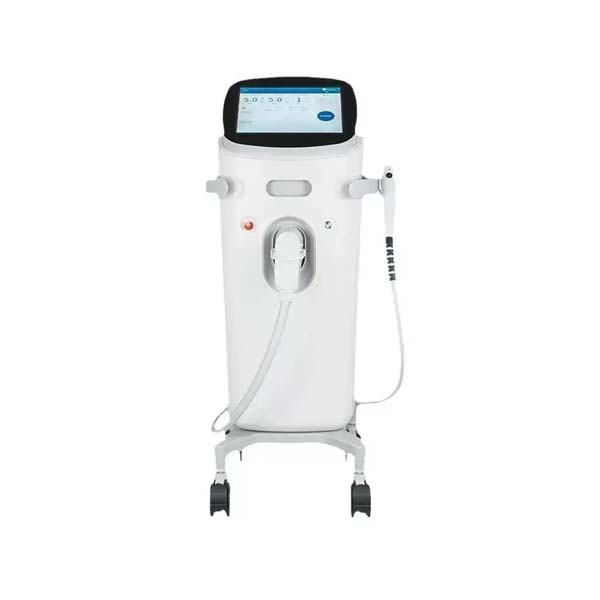
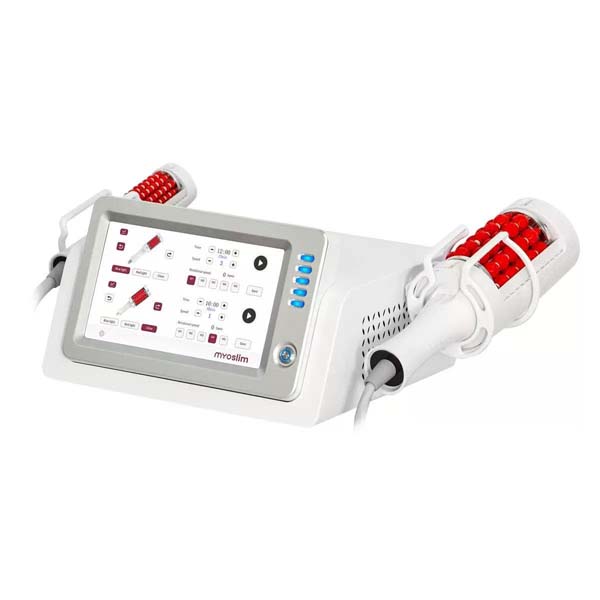
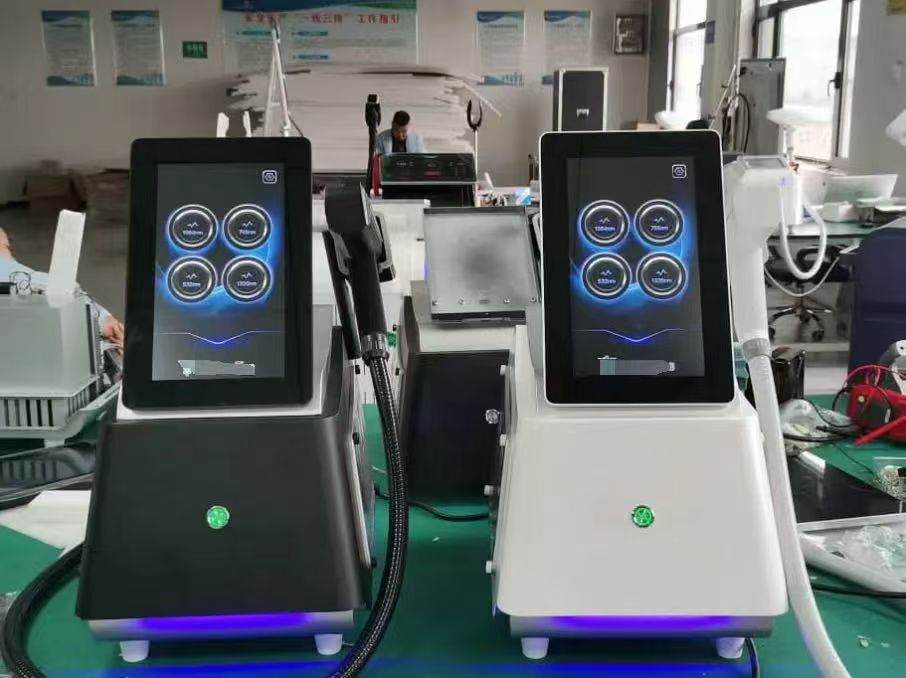
Photodynamic Therapy Devices and Technology
Light Sources Used in Photodynamic Therapy
Different types of light are used in Photodynamic Therapy, including:
- LED light systems
- Laser devices
- Near-infrared radiation
Each type of light in Photodynamic Therapy is chosen based on the depth and type of treatment required.
Photosensitizing Agents
Common photosensitizers used in Photodynamic Therapy include:
- Aminolevulinic acid (ALA)
- Methyl aminolevulinate (MAL)
These agents play a crucial role in determining the effectiveness of Photodynamic Therapy.
Safety and Side Effects of Photodynamic Therapy
Photodynamic Therapy is generally considered safe, but some side effects may occur:
Common Side Effects
- Redness
- Swelling
- Mild discomfort
These effects are usually temporary and resolve within a few days after Photodynamic Therapy.
Light Sensitivity
Patients undergoing Photodynamic Therapy may experience increased sensitivity to light and are advised to avoid direct sunlight for a certain period.
Photodynamic Therapy vs Other Treatments
Photodynamic Therapy vs Laser Therapy
While both treatments use light, Photodynamic Therapy involves a photosensitizer, making it more targeted and effective for certain conditions.
Photodynamic Therapy vs Chemical Peels
Photodynamic Therapy provides deeper and more controlled results compared to chemical peels, especially for acne and pigmentation.
The Future of Photodynamic Therapy
Photodynamic Therapy continues to evolve with advancements in technology and research. Future developments may include:
- More effective photosensitizers
- Advanced light delivery systems
- Expanded applications in medicine and aesthetics
The integration of Photodynamic Therapy with other treatments, such as microneedling and radiofrequency, is also gaining attention.
Conclusion
Photodynamic Therapy is a powerful, versatile, and effective treatment that bridges the gap between medical and aesthetic applications. With its ability to target specific cells, minimize side effects, and deliver impressive results, Photodynamic Therapy is becoming a preferred choice for both patients and professionals.