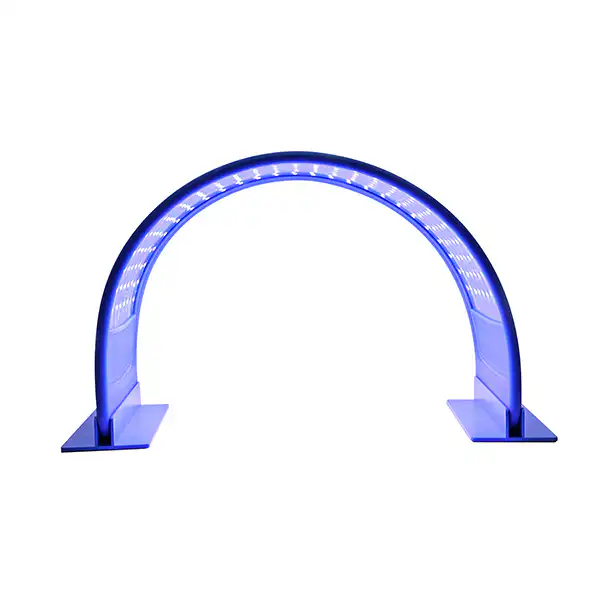
The Evolution of Near-Infrared Photodynamic Therapy (NR-PDT) in Modern Oncology
The landscape of cancer treatment has undergone a paradigm shift with the emergence of light-based interventions. Among these, Near-Infrared Photodynamic Therapy (NR-PDT) stands out as a highly sophisticated and minimally invasive modality. By utilizing the unique properties of near-infrared light to activate photosensitizing agents, NR-PDT offers a level of precision that traditional chemotherapy and radiotherapy often lack. As researchers delve deeper into the molecular mechanisms of NR-PDT, it is becoming increasingly clear that this technology is not just an alternative, but a cornerstone of future precision medicine.
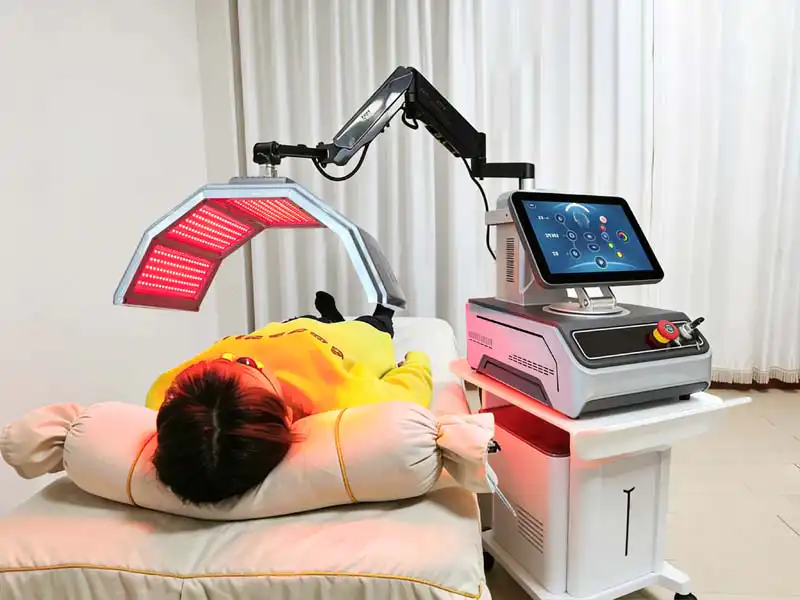
Understanding the Fundamentals of NR-PDT
To appreciate the clinical significance of NR-PDT, one must first understand the fundamental photochemical reactions that drive it. At its core, NR-PDT involves three essential components: a photosensitizer (PS), a light source of a specific wavelength (in the near-infrared range), and molecular oxygen within the target tissue.
The Mechanism of Action in NR-PDT
When the photosensitizer used in NR-PDT is administered, it ideally accumulates within the tumor cells. Upon irradiation with near-infrared light, the PS absorbs photons and transitions from a ground state to an excited singlet state, followed by an excited triplet state. In the context of NR-PDT, this triplet state PS transfers energy to surrounding molecular oxygen, generating Reactive Oxygen Species (ROS), such as singlet oxygen ($^1O_2$). These ROS produced during NR-PDT induce oxidative stress, leading to cell death via apoptosis, necrosis, or autophagy.
Why Near-Infrared Light is Essential for NR-PDT
The “NR” in NR-PDT refers to the “optical window” of biological tissue, typically ranging from 650 nm to 1350 nm. Traditional PDT often uses visible light, which has limited penetration depth due to high scattering and absorption by endogenous chromophores like hemoglobin and melanin. However, NR-PDT utilizes longer wavelengths that can penetrate much deeper into tissues—sometimes several centimeters. This makes NR-PDT particularly effective for treating deep-seated tumors that were previously inaccessible to light-based therapies.
The Role of Photosensitizers in NR-PDT
The efficacy of NR-PDT is heavily dependent on the design and performance of the photosensitizer. A “perfect” PS for NR-PDT must possess a high extinction coefficient in the NIR region, excellent biocompatibility, and high singlet oxygen quantum yield.
First-Generation vs. Second-Generation PS in NR-PDT
Early iterations of PDT relied on porphyrin-based compounds. While foundational, these were often limited by poor NIR absorption. The evolution of NR-PDT has seen the development of second-generation photosensitizers like phthalocyanines and chlorins. These compounds are specifically tailored for NR-PDT, showing enhanced absorption at longer wavelengths and improved tumor-to-normal tissue ratios.
Nano-delivery Systems for NR-PDT Enhancement
Recent advancements in nanotechnology have revolutionized NR-PDT. By encapsulating photosensitizers into nanoparticles, researchers can improve the solubility of hydrophobic drugs and target tumors more effectively through the Enhanced Permeability and Retention (EPR) effect. Furthermore, smart nanocarriers can be engineered to release the PS only within the acidic environment of a tumor, further refining the specificity of NR-PDT.
NR-PDT and the Tumor Microenvironment
The success of NR-PDT is not solely determined by the light and the drug; the tumor microenvironment (TME) plays a critical role. One of the primary challenges in NR-PDT is tumor hypoxia. Since NR-PDT is an oxygen-dependent process, low oxygen levels in the TME can significantly limit the production of ROS and, consequently, the therapeutic outcome.
Overcoming Hypoxia in NR-PDT
To combat hypoxia, scientists are developing “oxygen-self-sufficient” platforms for NR-PDT. These systems may involve carrying oxygen-generating catalysts (like $MnO_2$ nanoparticles) that react with endogenous $H_2O_2$ to produce oxygen locally. By alleviating hypoxia, the efficiency of NR-PDT is dramatically increased, even in the most stubborn necrotic cores of solid tumors.
NR-PDT Induced Immunogenic Cell Death (ICD)
One of the most exciting frontiers in NR-PDT research is its ability to stimulate the immune system. Unlike traditional treatments that can be immunosuppressive, NR-PDT can trigger Immunogenic Cell Death (ICD). During NR-PDT, the rapid release of tumor-associated antigens and Damage-Associated Molecular Patterns (DAMPs) “trains” the patient’s immune system to recognize and attack distant, non-irradiated metastatic sites—a phenomenon known as the abscopal effect.

Clinical Applications of NR-PDT
The versatility of NR-PDT allows it to be applied across various branches of medicine, from dermatology to internal oncology.
NR-PDT in Superficial and Deep-Seated Cancers
While PDT has long been used for skin cancers, NR-PDT expands the horizon to include breast cancer, prostate cancer, and even certain brain tumors. In the case of deep-seated internal tumors, NR-PDT can be delivered via interstitial optical fibers inserted directly into the lesion under ultrasound or CT guidance. This localized delivery of NR-PDT minimizes damage to surrounding healthy organs.
Combination Therapies Involving NR-PDT
Rarely is a cancer treated with a single modality. NR-PDT is frequently combined with chemotherapy, immunotherapy, or photothermal therapy (PTT). When NR-PDT is paired with PTT (often using the same NIR light source), the heat generated by PTT increases local blood flow, which in turn delivers more oxygen to the site, fueling the oxygen-dependent NR-PDT process. This synergistic relationship is a major focus of current NR-PDT clinical trials.
Innovations in NR-PDT Light Delivery
The “Light” component of NR-PDT is seeing its own wave of innovation. While traditional lasers are the standard, new technologies are making NR-PDT more accessible and efficient.
LED Technology and Wearable NR-PDT Devices
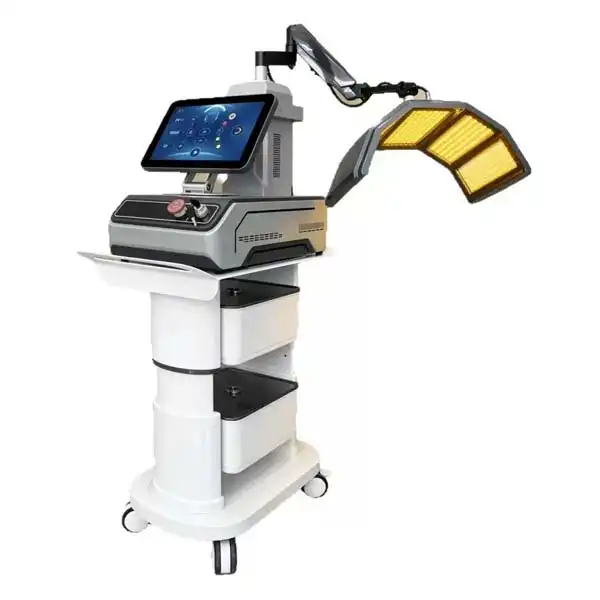
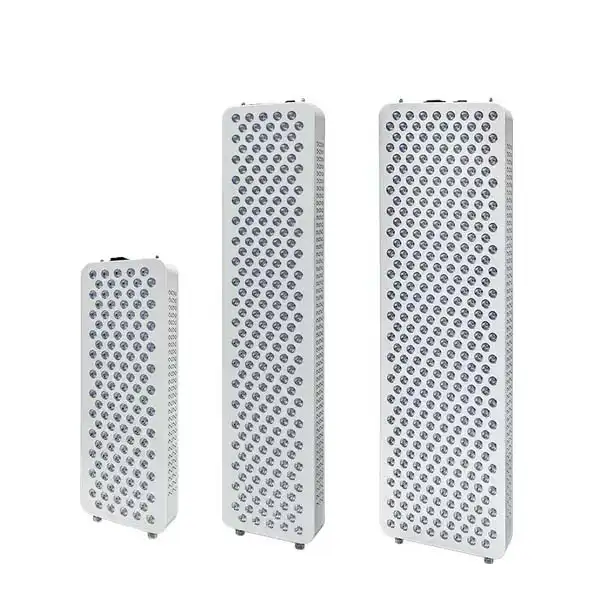
The development of high-power, narrow-band LEDs has provided a cost-effective alternative to expensive laser systems for NR-PDT. Furthermore, researchers are exploring wearable organic LED (OLED) patches that can provide low-dose, continuous NR-PDT over several hours, which may be more effective for certain skin conditions and shallow tumors than a single high-intensity blast.
Two-Photon Excitation in NR-PDT
To further push the boundaries of depth and precision, two-photon NR-PDT is being explored. This technique uses two low-energy NIR photons to excite a photosensitizer that would normally require a single high-energy UV or visible photon. Because two-photon absorption only occurs at the focal point of the laser, two-photon NR-PDT offers unparalleled 3D spatial resolution, protecting healthy tissue above and below the target area.
Safety and Limitations of NR-PDT
Despite its many advantages, NR-PDT is not without its hurdles. Understanding these limitations is vital for the continued development of the field.
Skin Photosensitivity in NR-PDT
A common side effect of many photosensitizers used in NR-PDT is prolonged skin photosensitivity. Patients may need to avoid direct sunlight for weeks to prevent “accidental” NR-PDT reactions in their skin. However, newer “activatable” or “quenched” photosensitizers for NR-PDT are being designed to remain inactive until they reach the specific enzymatic or chemical environment of the tumor.
The “Shadow Effect” and Light Scattering in NR-PDT
Even though NIR light penetrates deeper than visible light, it still undergoes scattering. In very large or highly pigmented tumors, the “shadow effect” can prevent the center of the mass from receiving enough light to trigger NR-PDT. This necessitates precise light-dose modeling and sometimes multiple angles of irradiation to ensure a uniform NR-PDT effect.
The Future of NR-PDT: Towards Personalized Medicine
As we look toward the future, NR-PDT is poised to become more integrated with diagnostic tools, leading to the rise of “theranostics”—a combination of therapy and organics.
Theranostic NR-PDT Platforms
By integrating imaging agents (such as fluorescent dyes or MRI contrast agents) with the NR-PDT photosensitizer, clinicians can “see” the tumor and treat it simultaneously. This allows for real-time monitoring of the NR-PDT process, enabling the physician to adjust the light dose based on how the tumor is responding during the procedure.
AI and Computational Modeling in NR-PDT
The next leap for NR-PDT will likely involve Artificial Intelligence. AI algorithms can analyze a patient’s specific tissue density and tumor volume to calculate the optimal light distribution for NR-PDT. This personalized approach ensures that every joule of energy delivered in NR-PDT is maximized for therapeutic impact while minimizing risks.
Conclusion
Near-Infrared Photodynamic Therapy (NR-PDT) represents a brilliant intersection of physics, chemistry, and biology. By overcoming the depth limitations of traditional PDT, NR-PDT has opened new doors for treating complex internal malignancies with minimal trauma to the patient. From the development of sophisticated NIR-responsive nanomaterials to the exploration of NR-PDT-induced immunotherapy, the field is moving at an incredible pace. While challenges like hypoxia and light scattering remain, the continuous refinement of NR-PDT protocols and technologies suggests that this modality will play an indispensable role in the oncology clinics of tomorrow. As we refine our ability to harness light, NR-PDT stands as a beacon of hope for more effective, targeted, and humane cancer care.
Related reading: Hydrodermabrasion Machine Wholesale: How to Choose a Manufacturer, How Photodynamic Therapy Works and Why It Matters, and Unlocking the Benefits of Infrared Knee Therapy.
Sourcing for your salon or distribution business?
Tell us the machine types and target quantity — we reply with factory-direct pricing, lead time and available export documents.